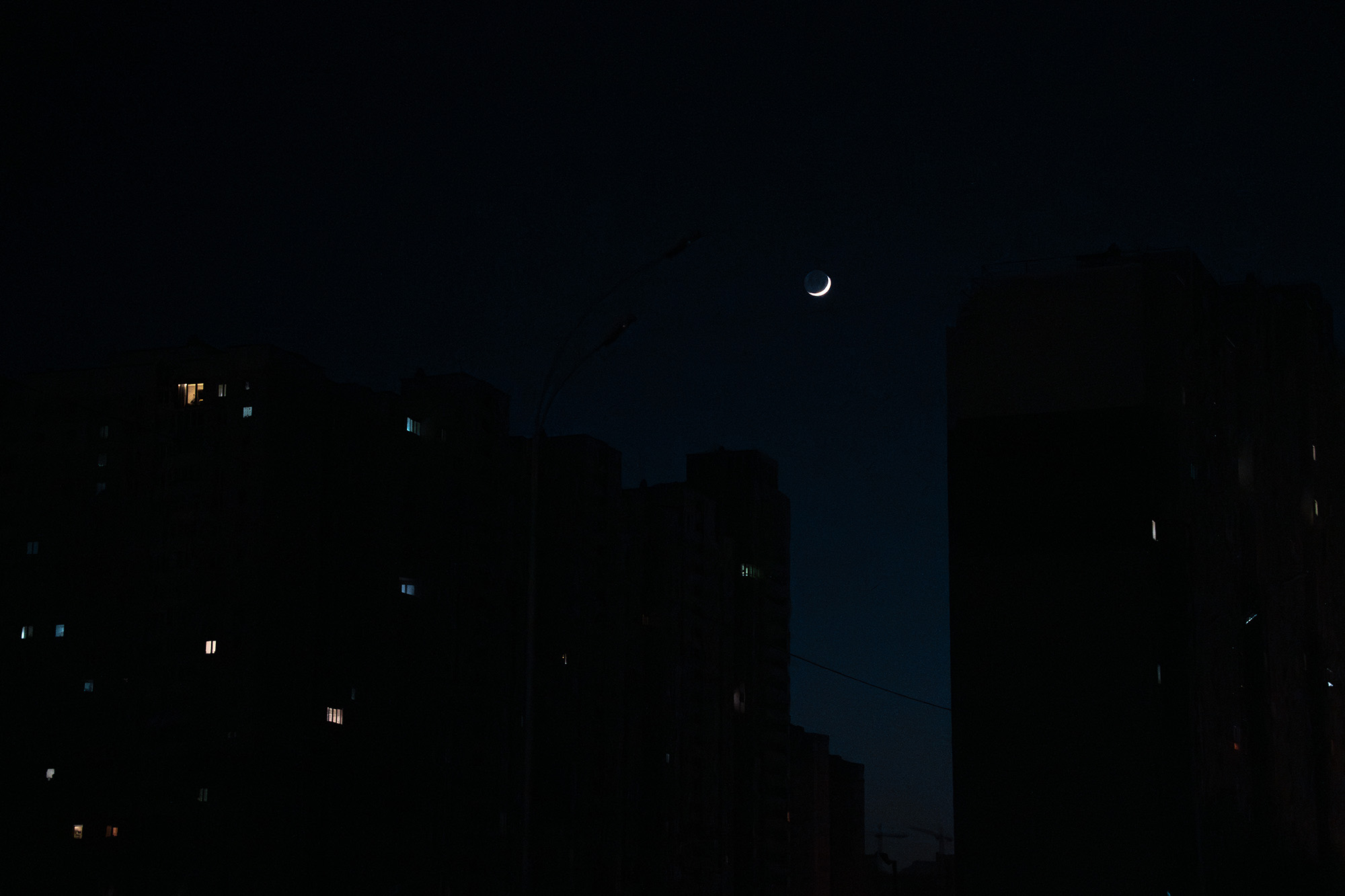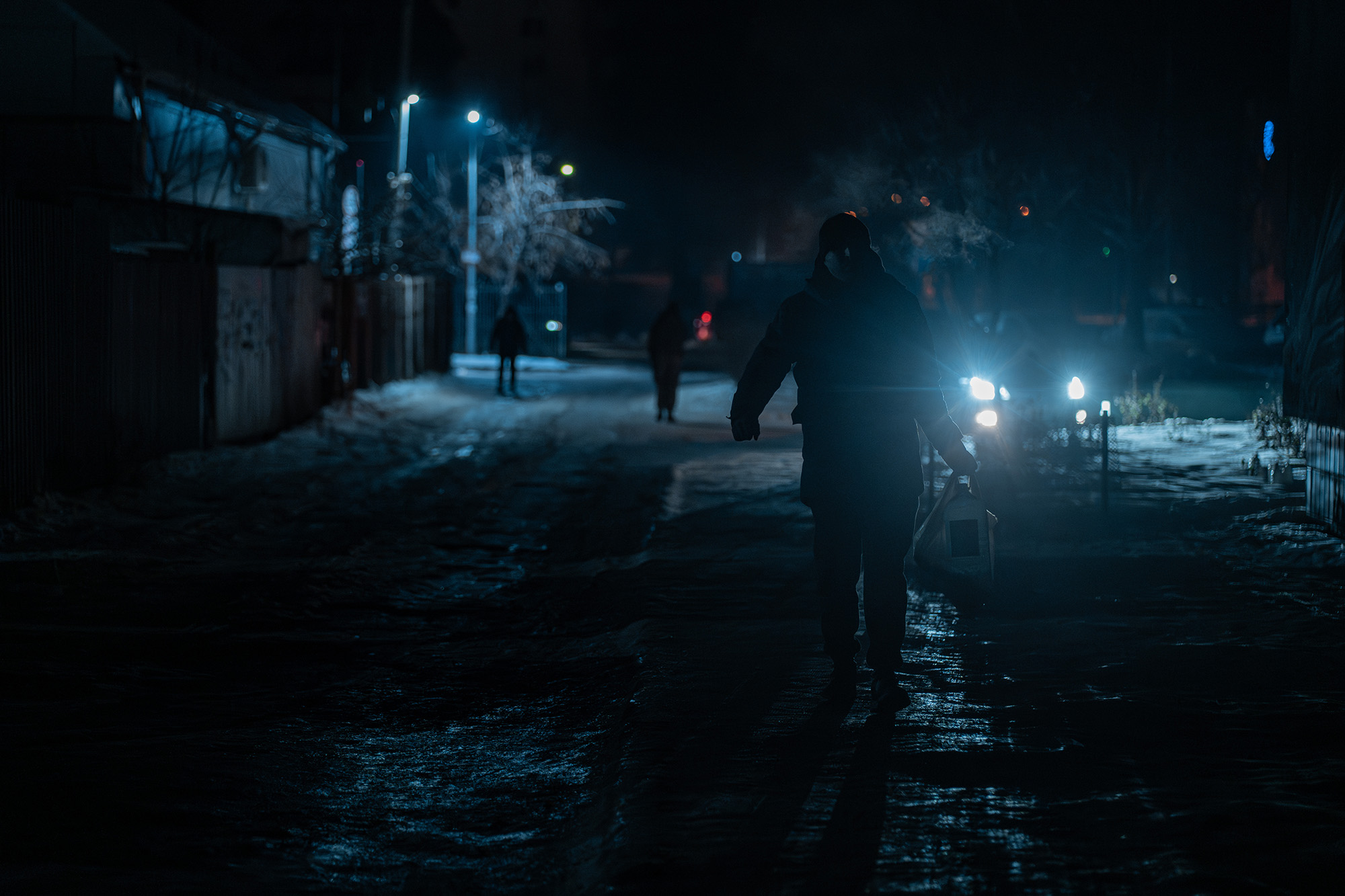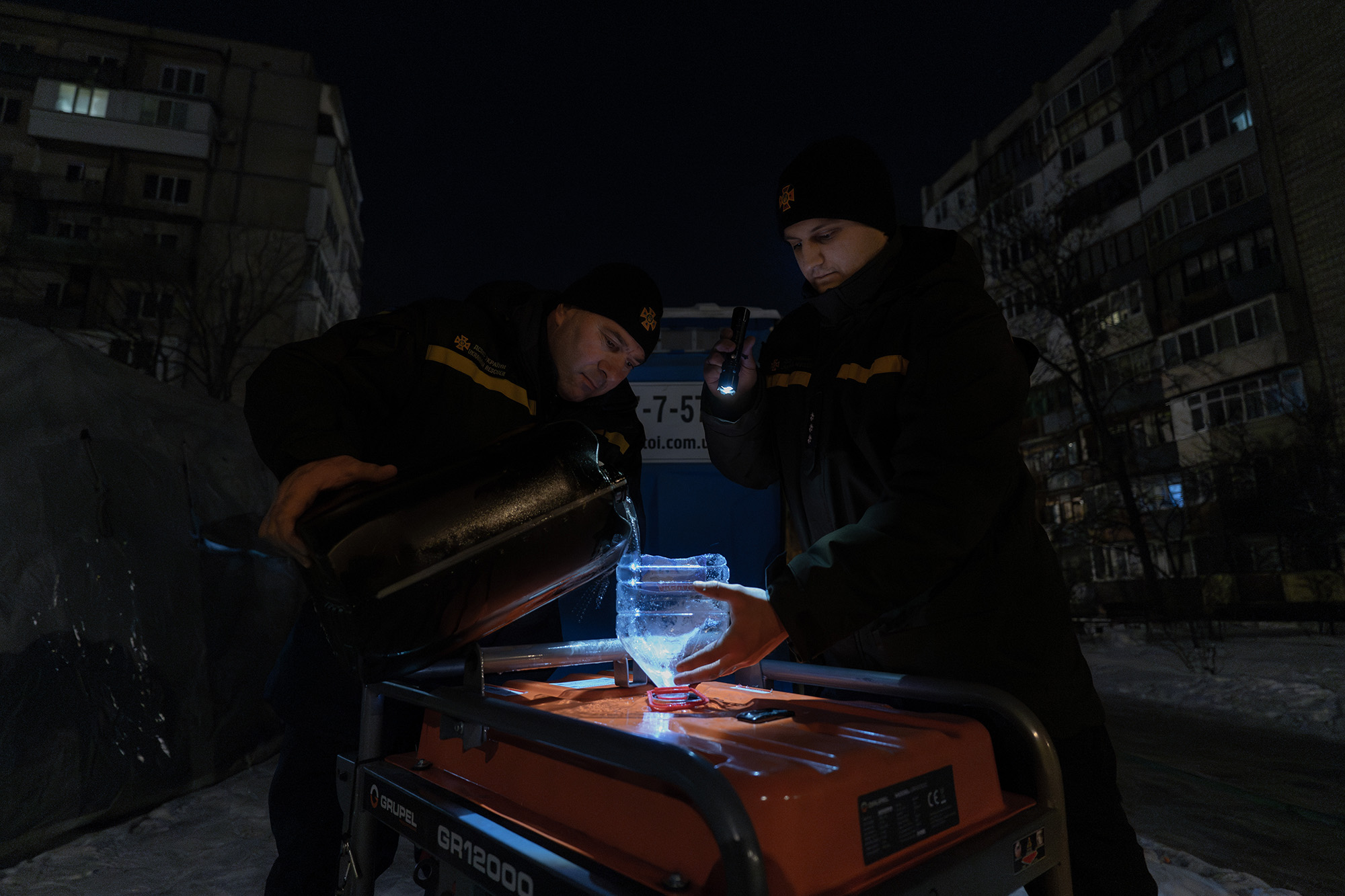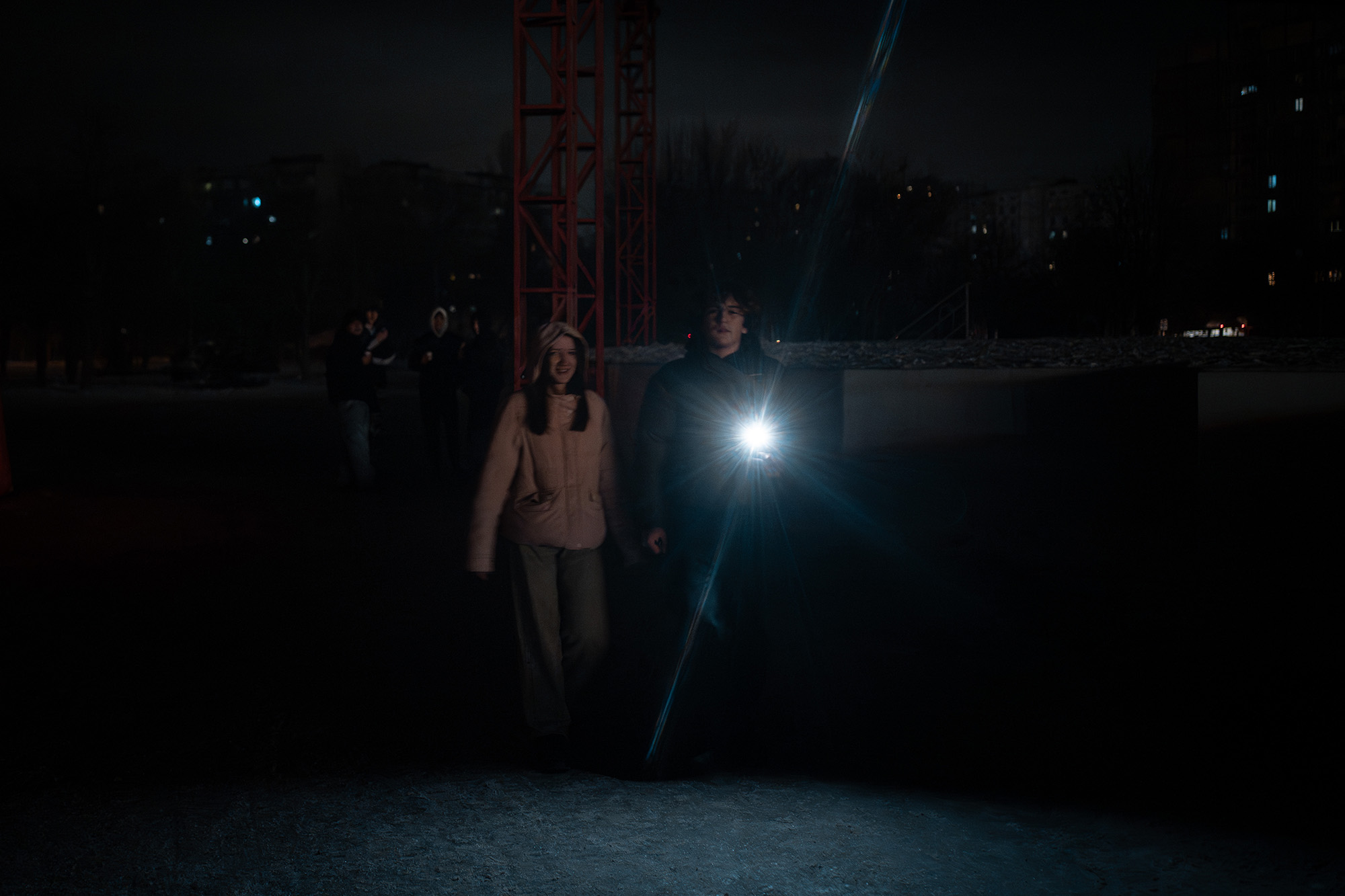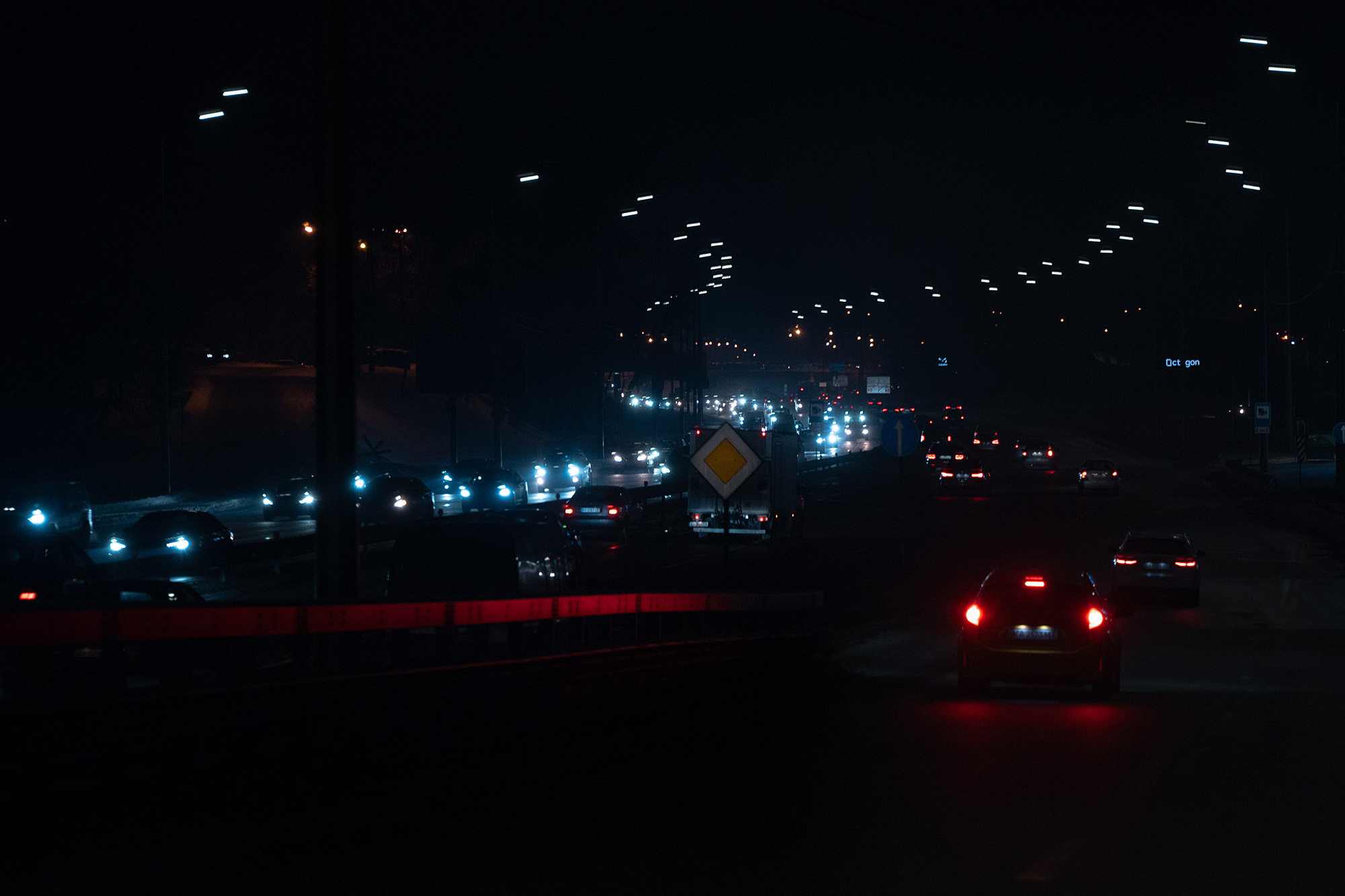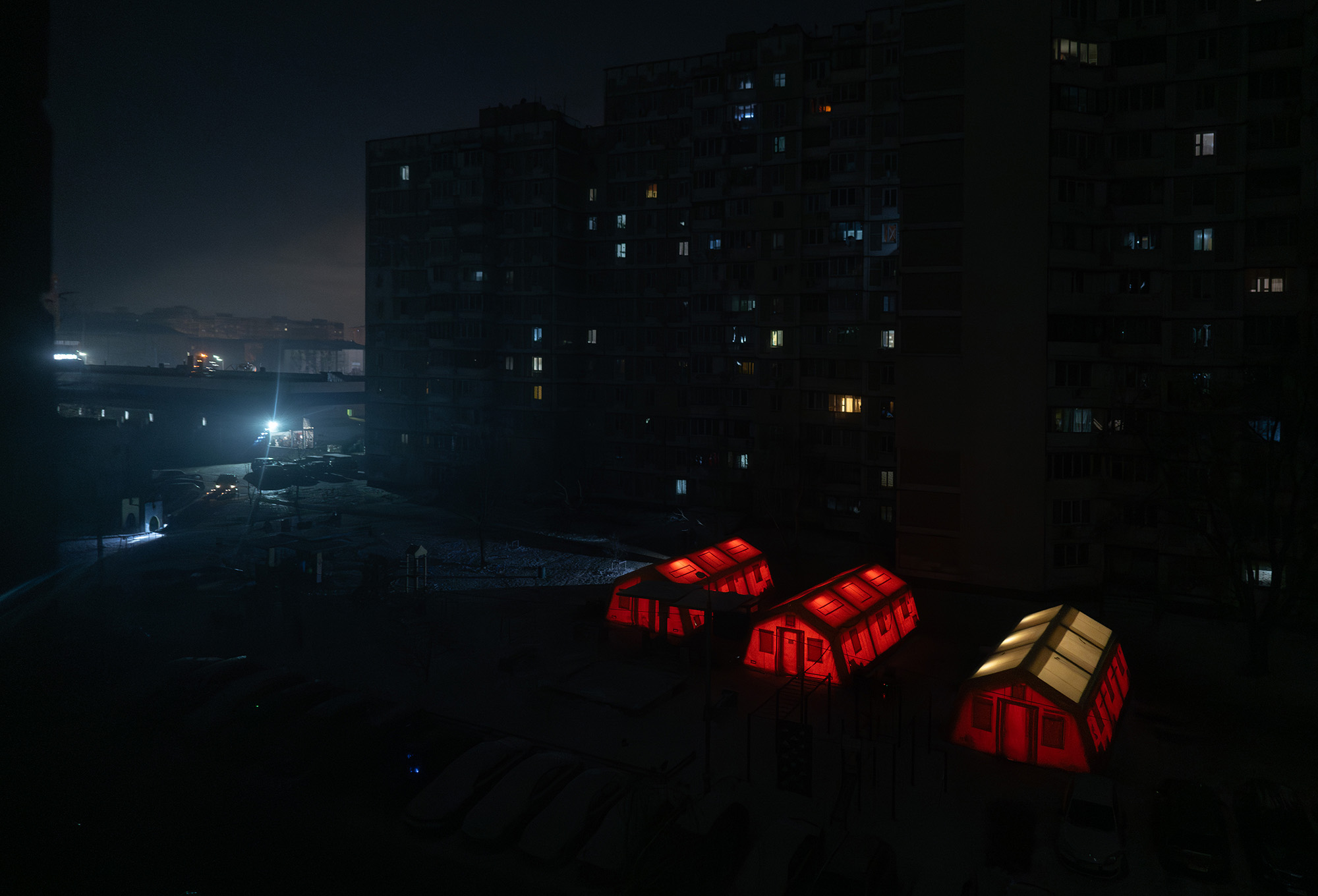
Ukraine’s energy system is currently in the most critical condition it has faced throughout the entire war: freezing temperatures, relentless strikes on infrastructure facilities, repeated year after year. Power engineers, rescue workers, and other emergency services in the capital are working to the point of exhaustion, carrying out extremely complex tasks that until recently seemed impossible.
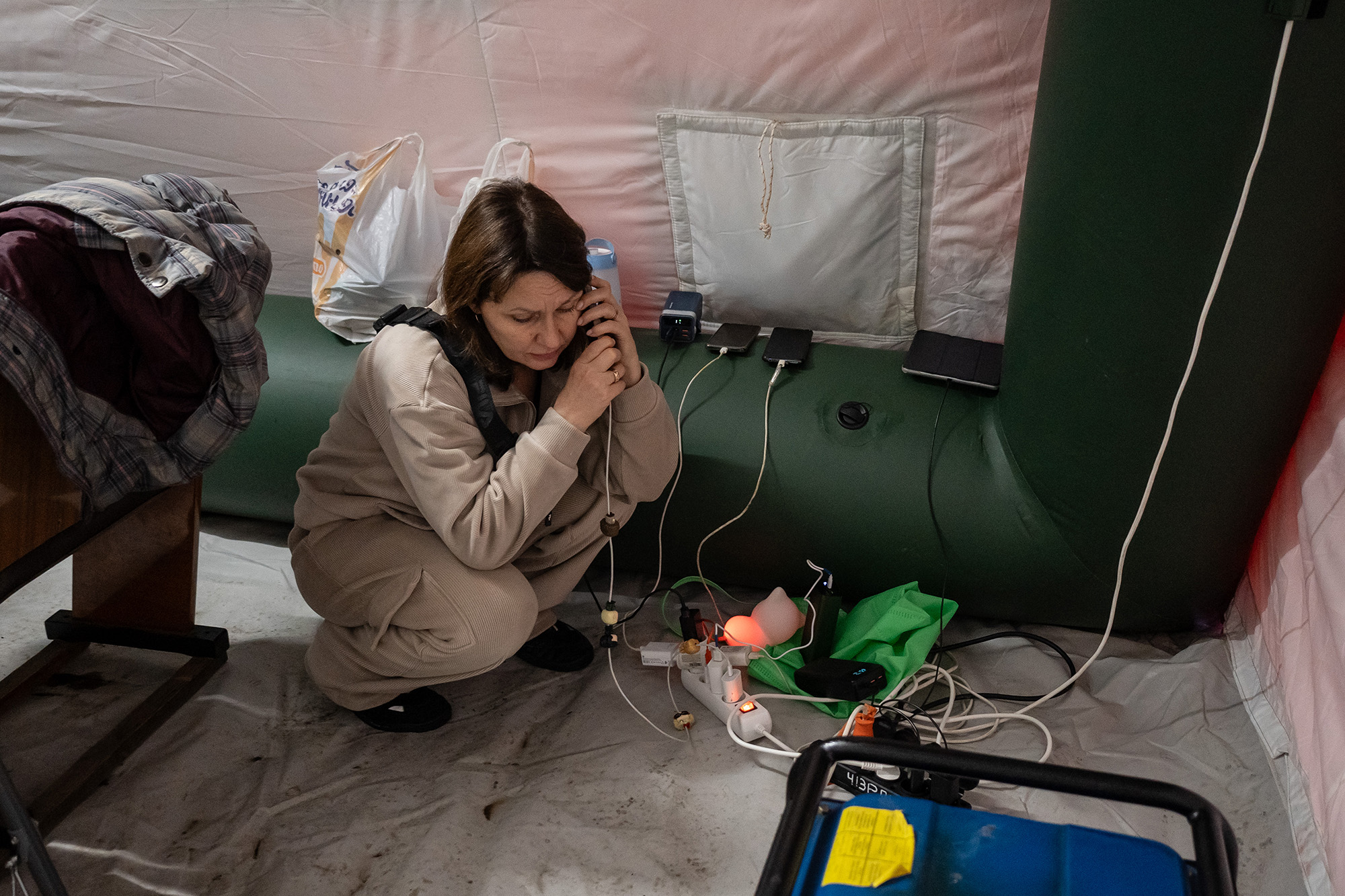
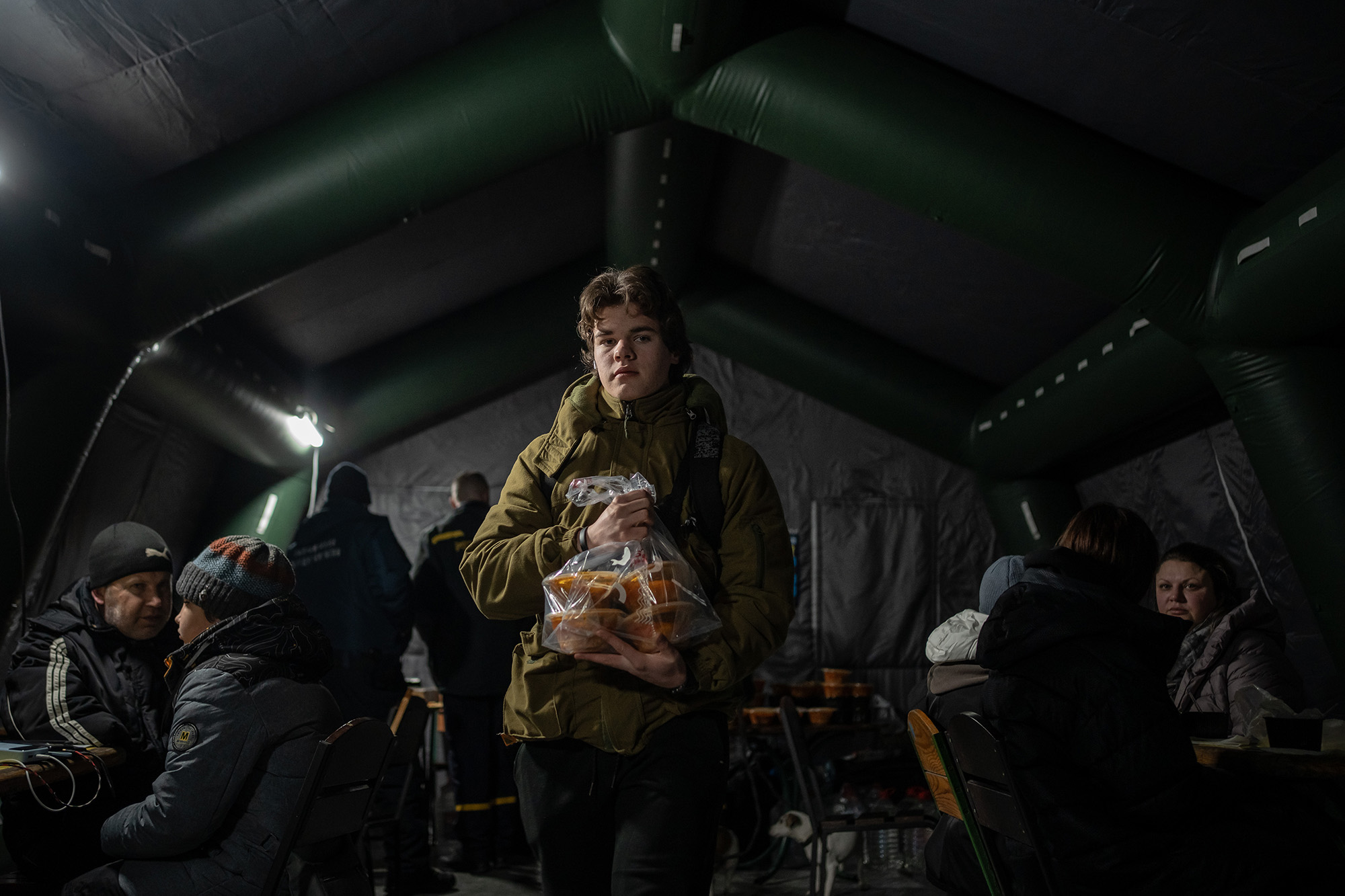
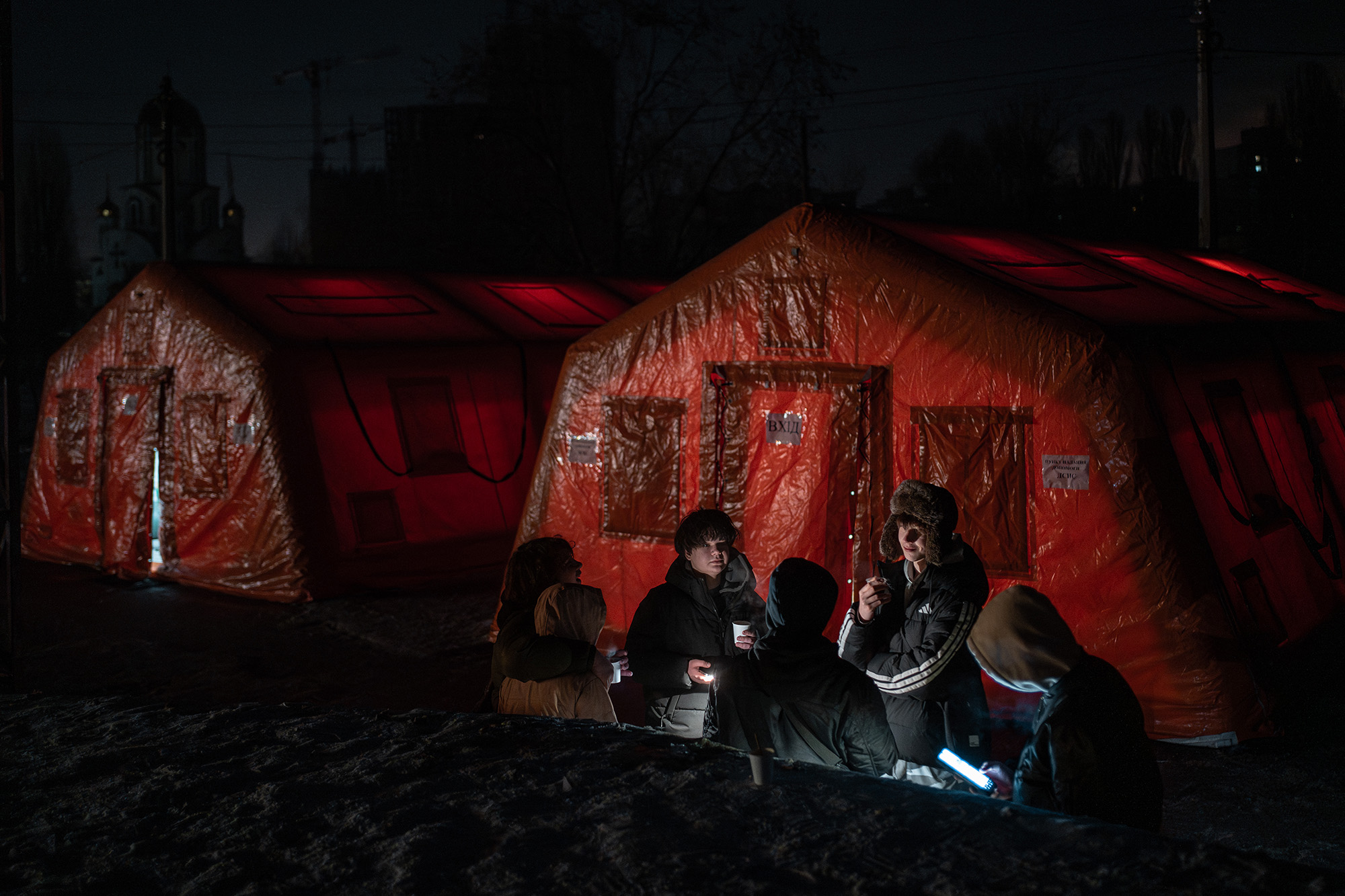
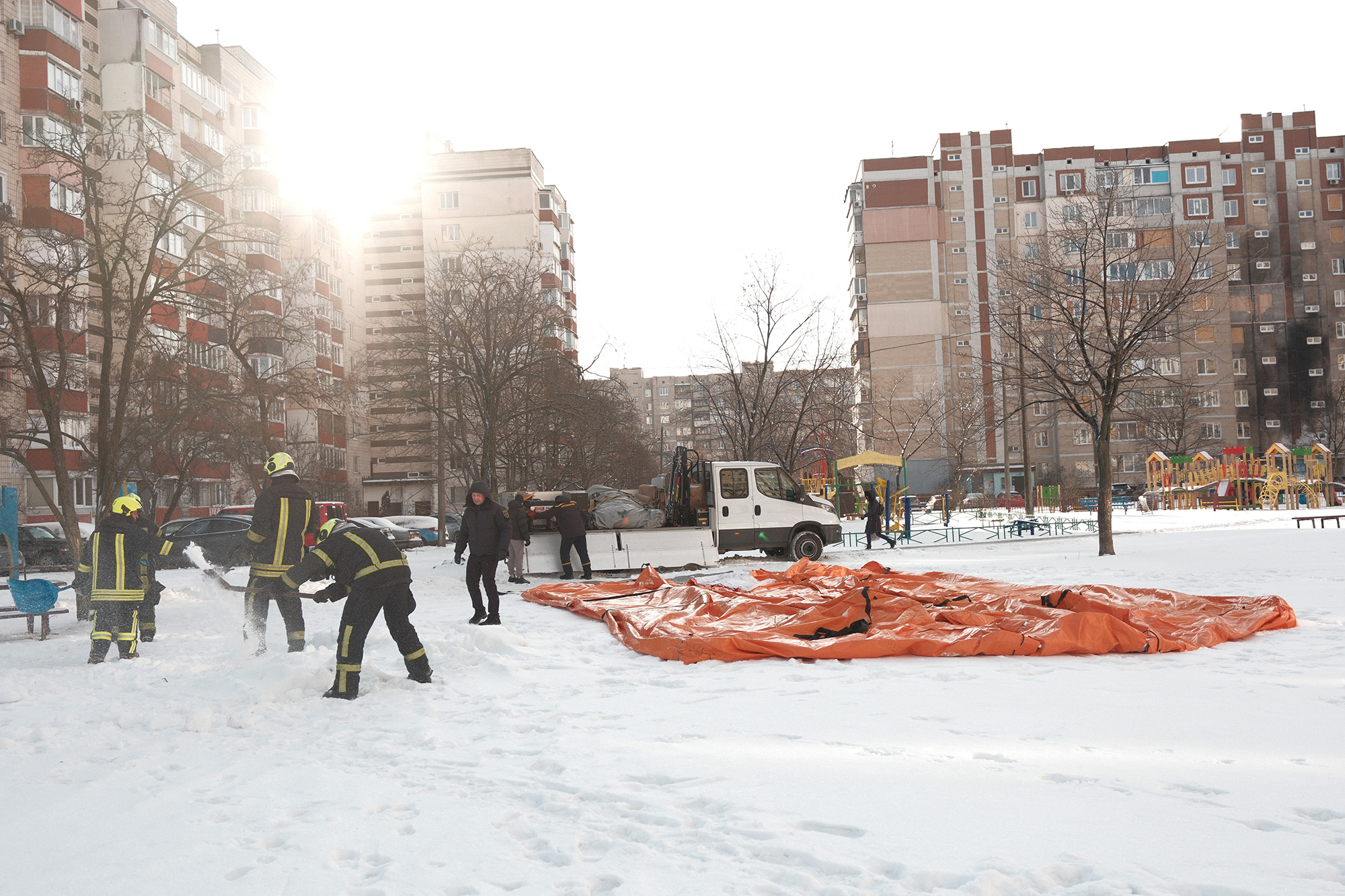
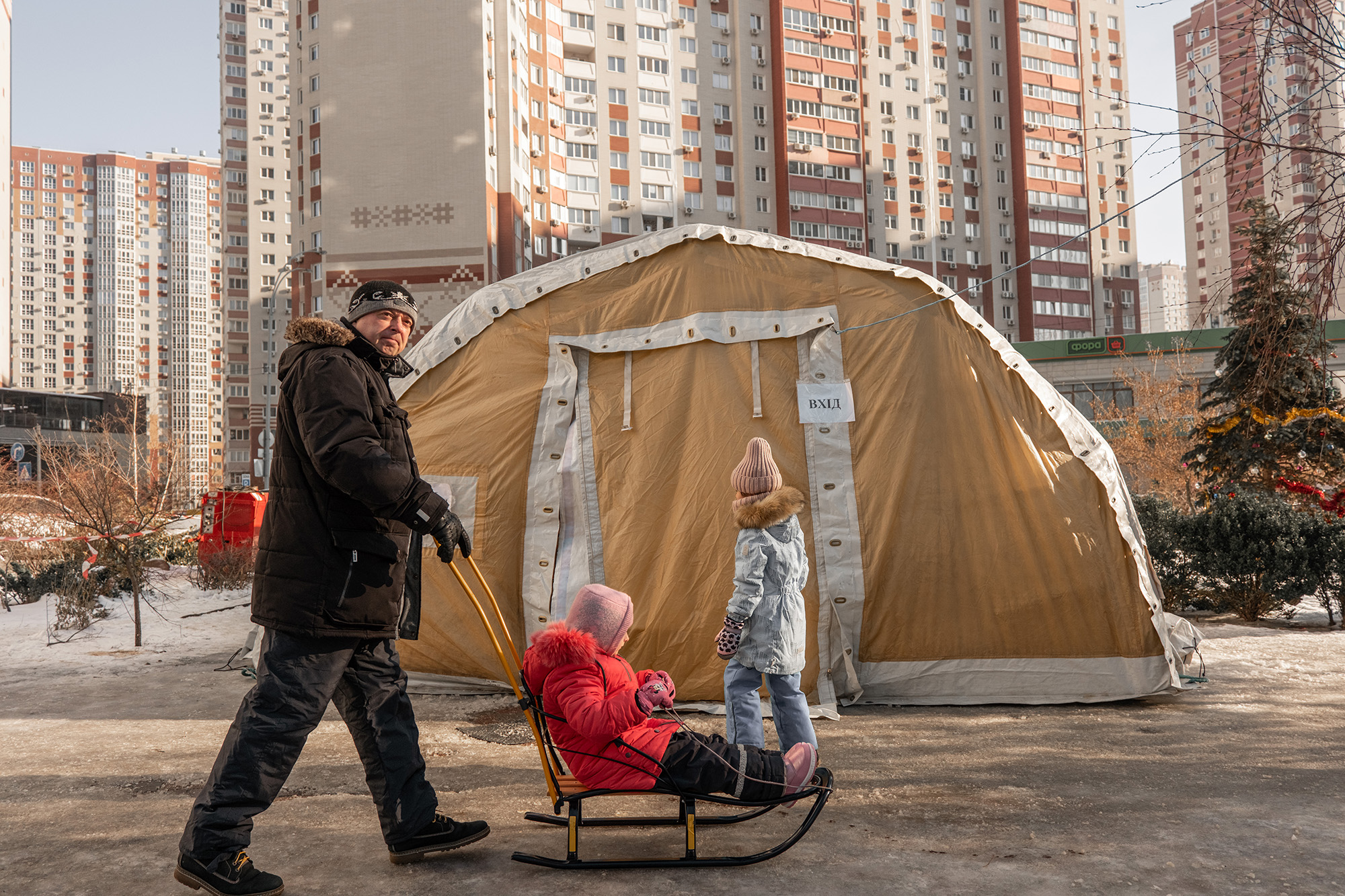
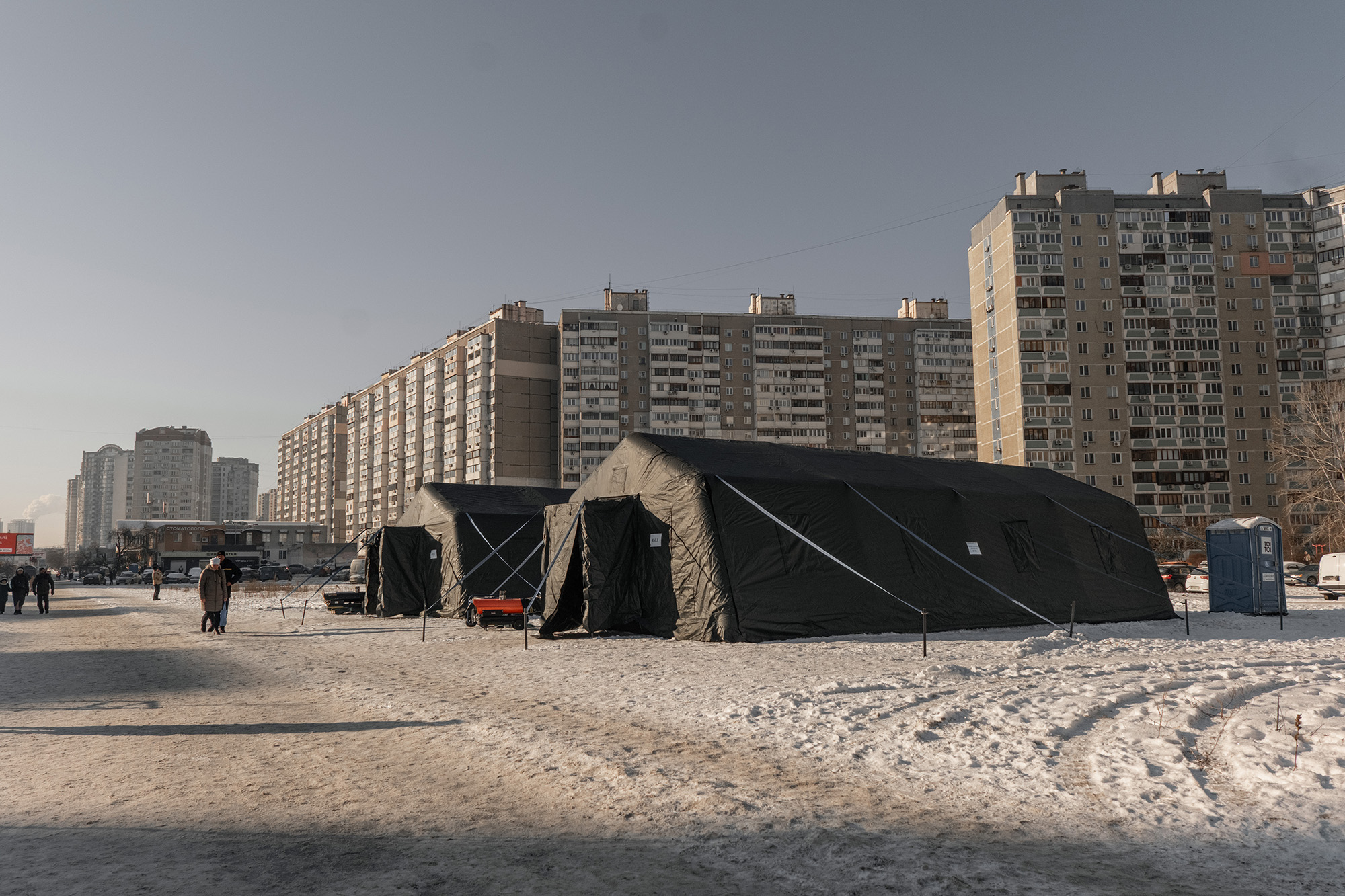
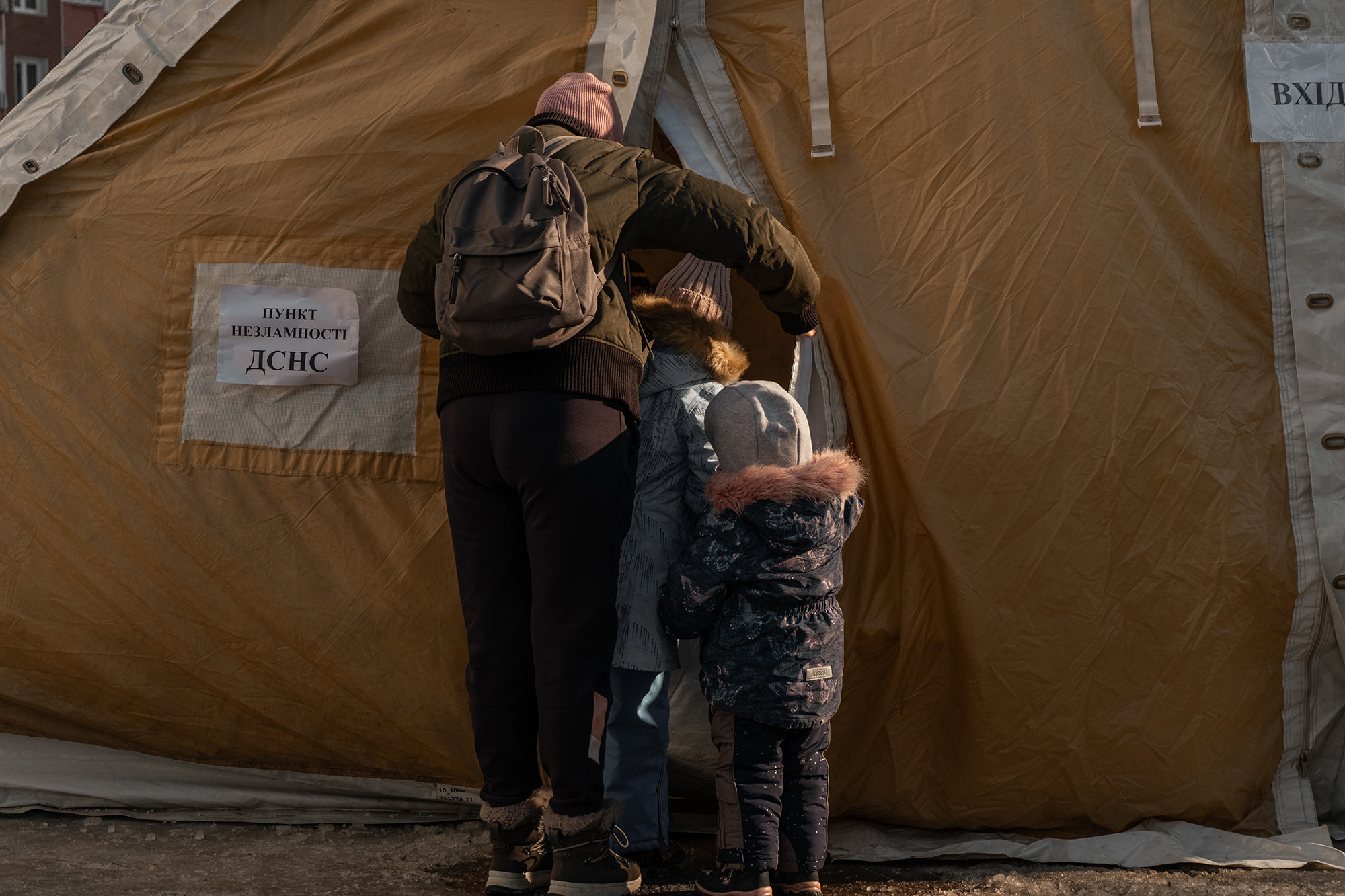
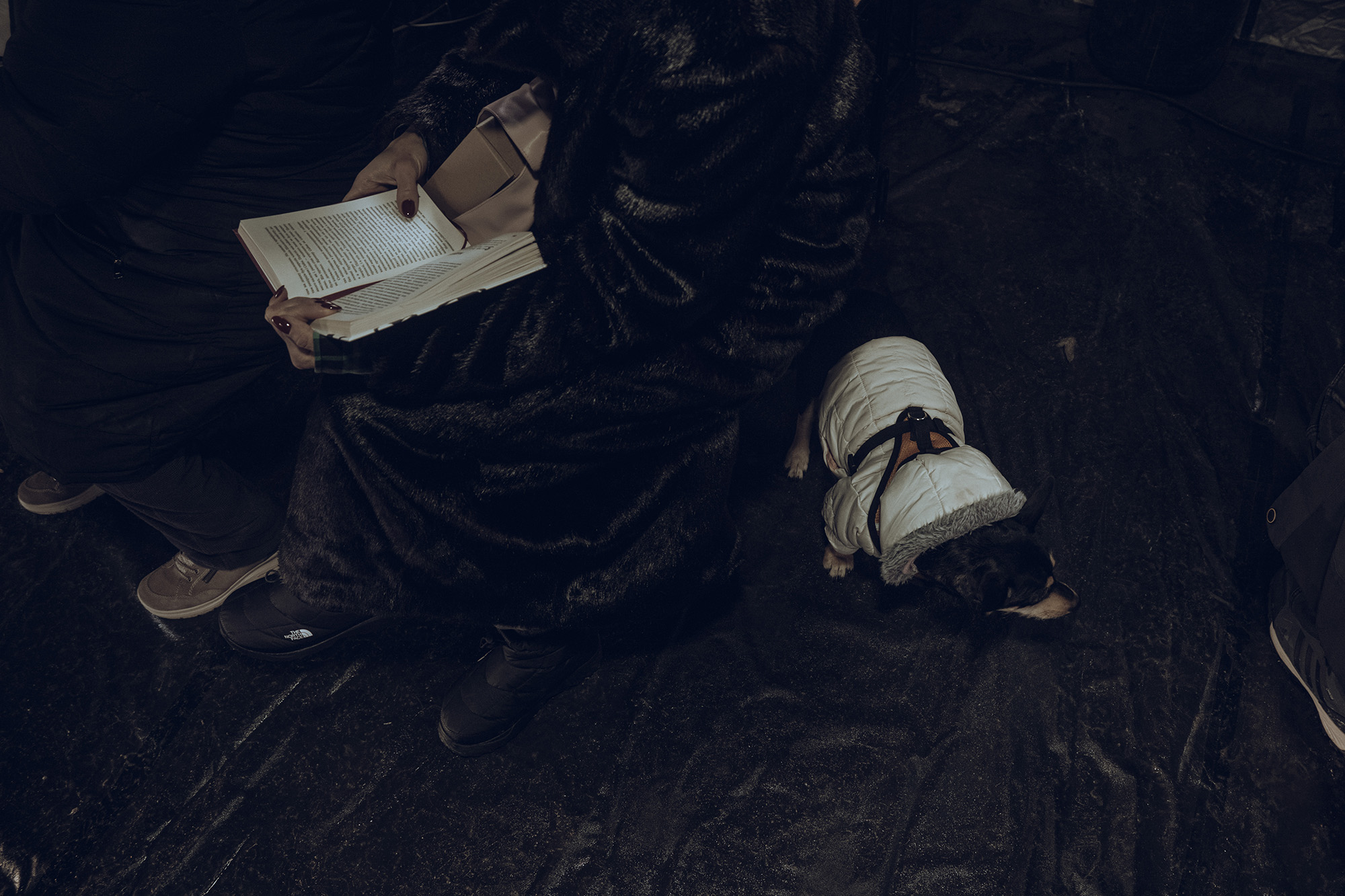
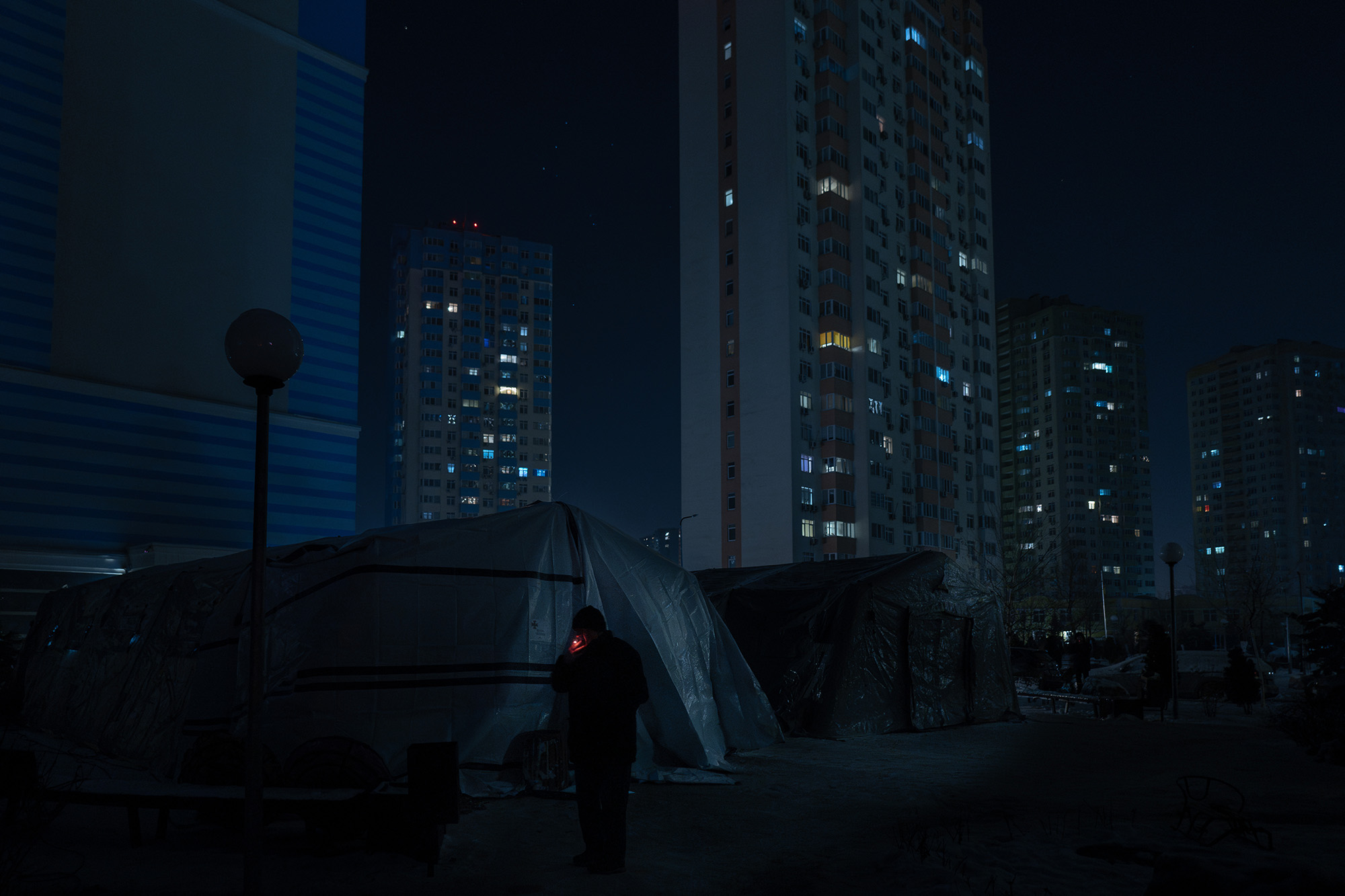
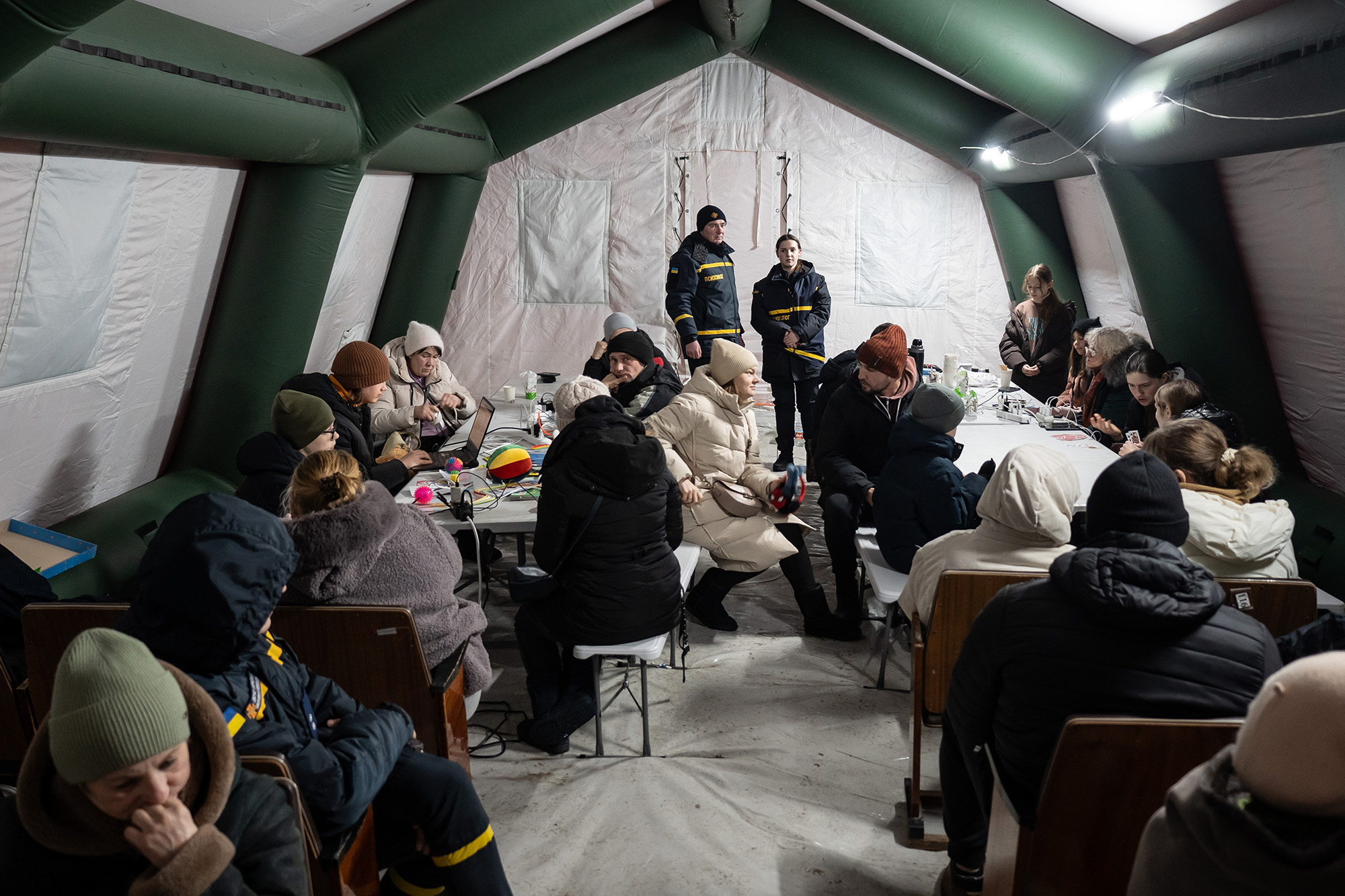
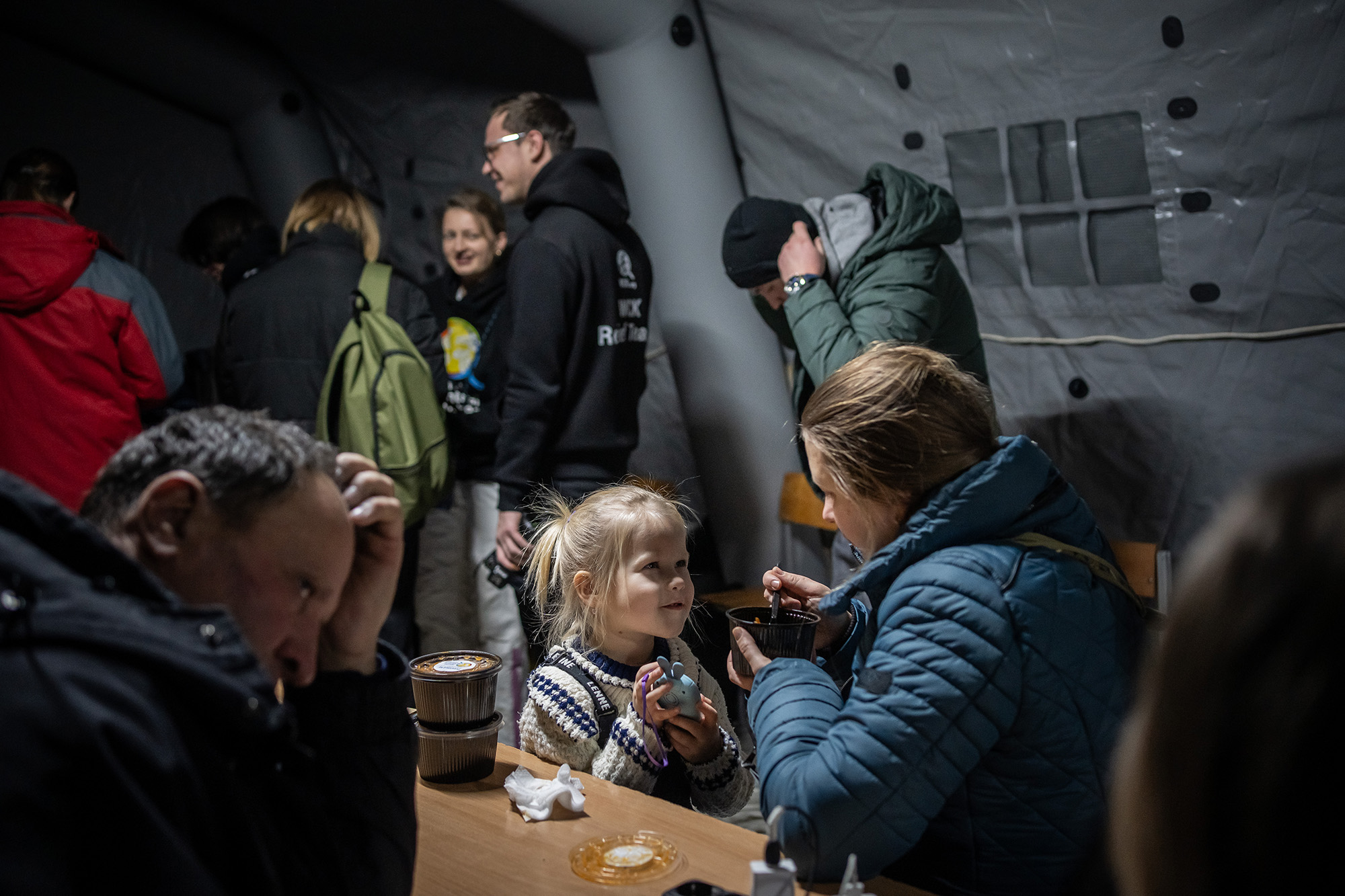
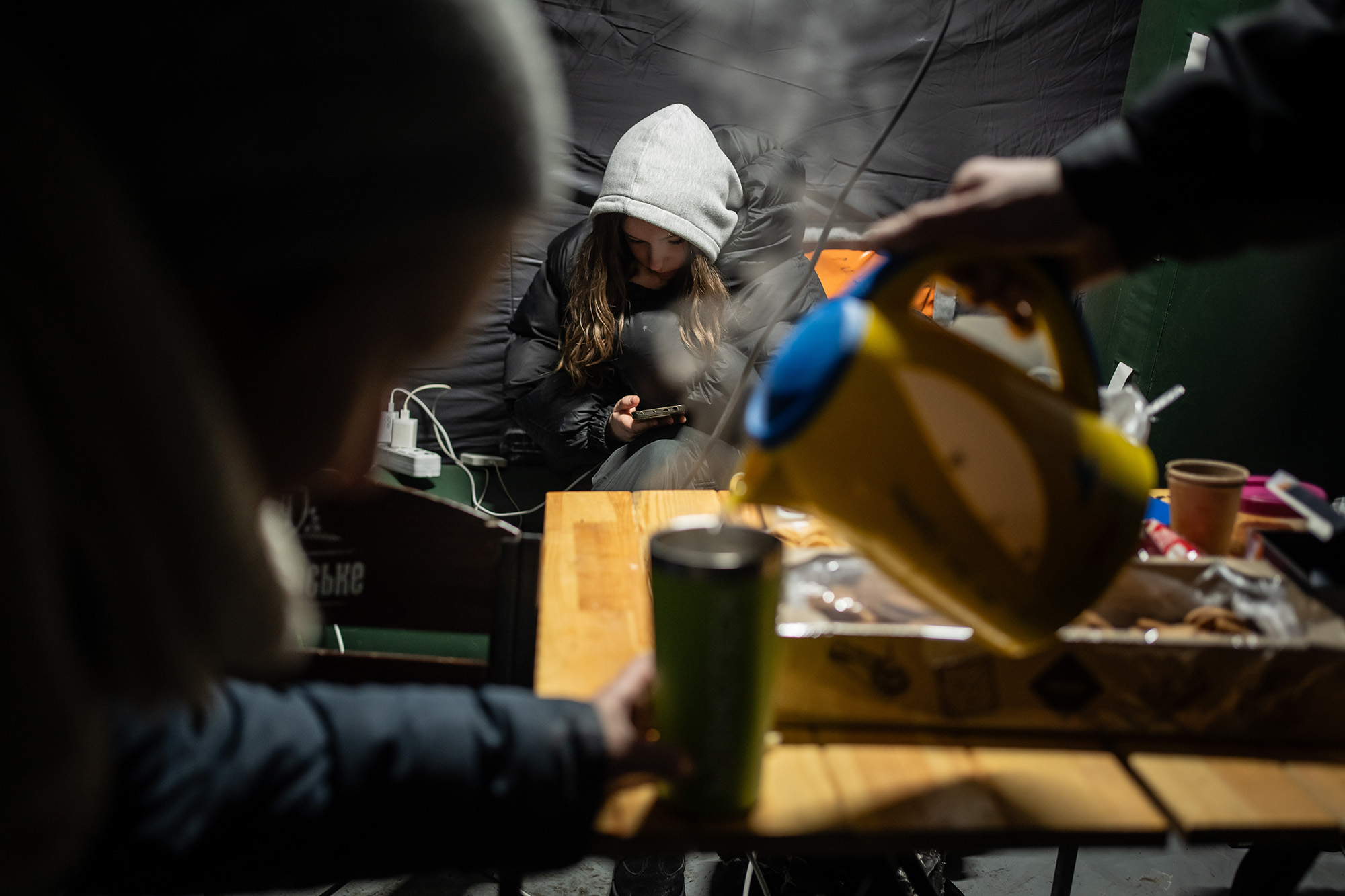
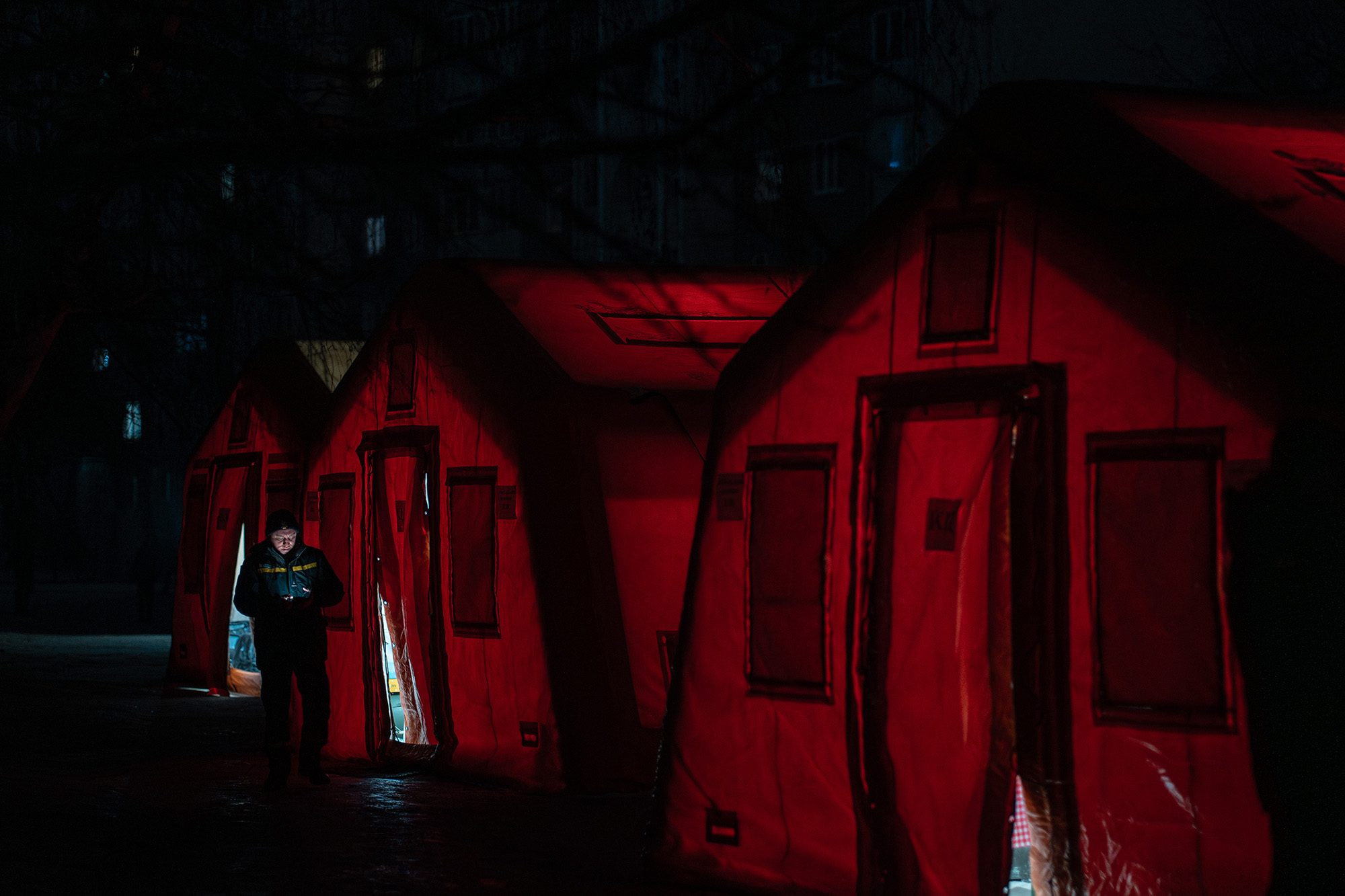
After another Russian strike in early January left parts of the city without electricity, heating and water, State Emergency Service rescuers deployed nearly 100 mobile assistance points across different districts. There, people could drink or eat something hot, charge their phones, flashlights and power stations — or simply spend time with others during the blackout.
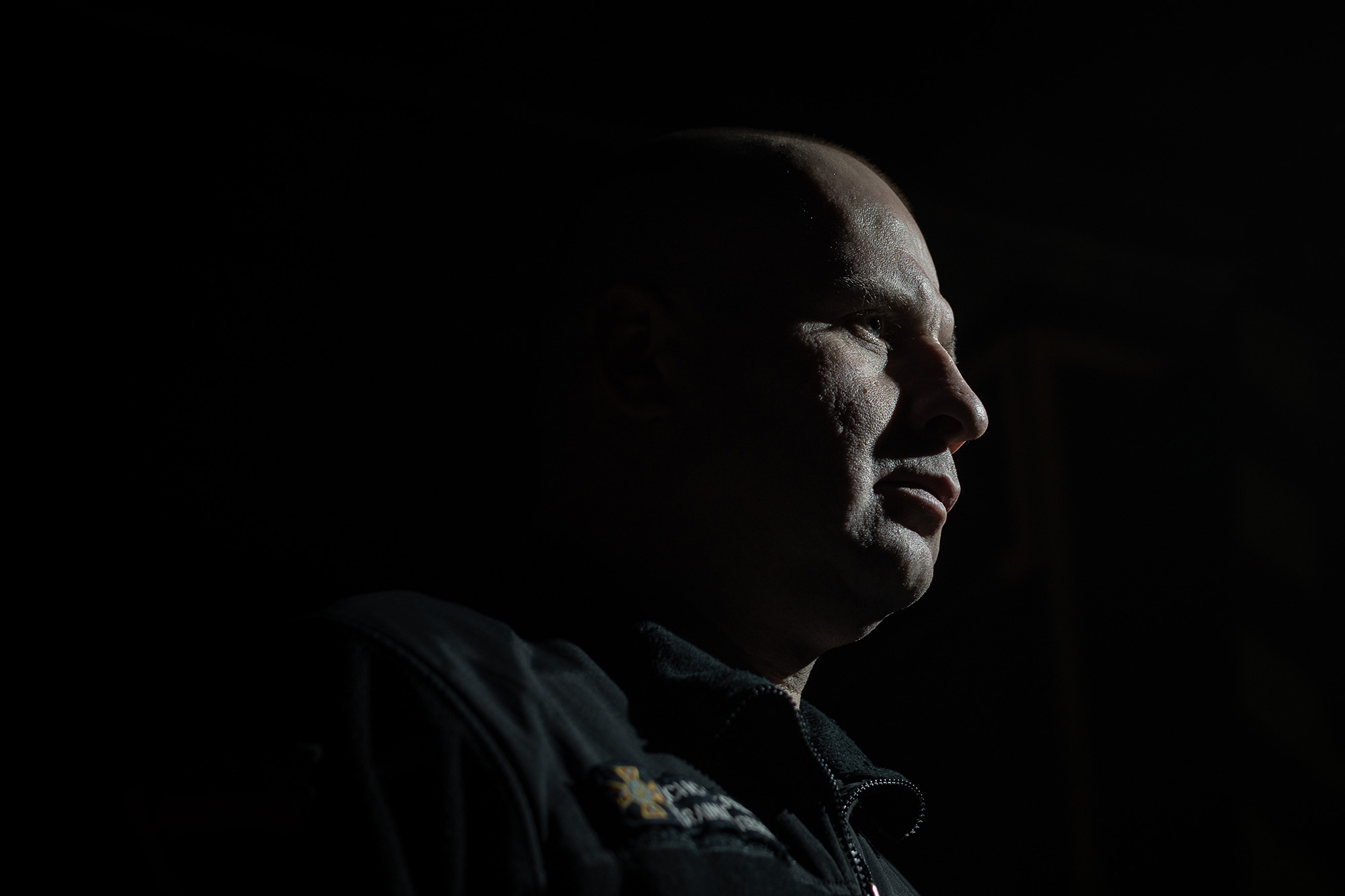
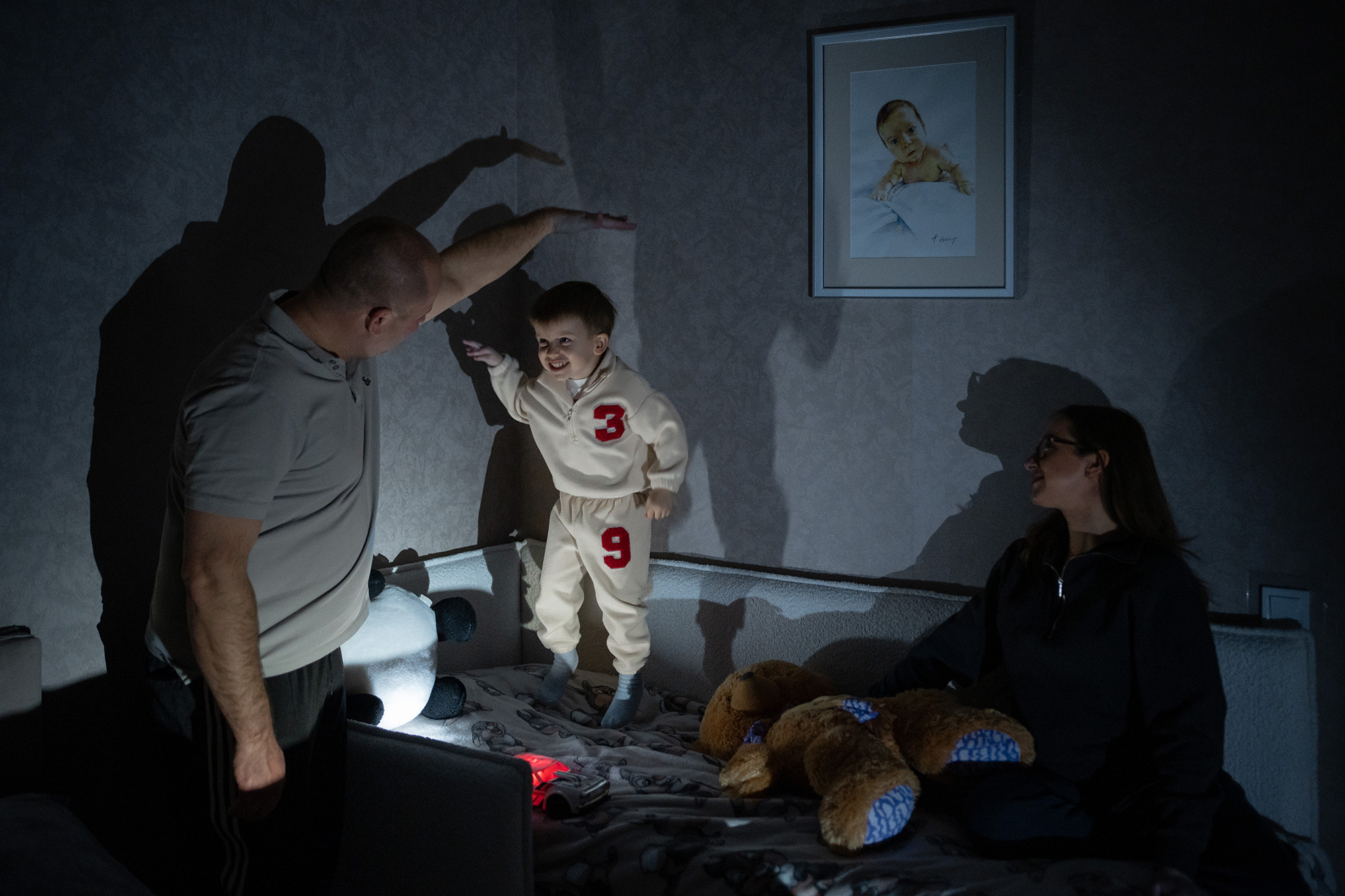
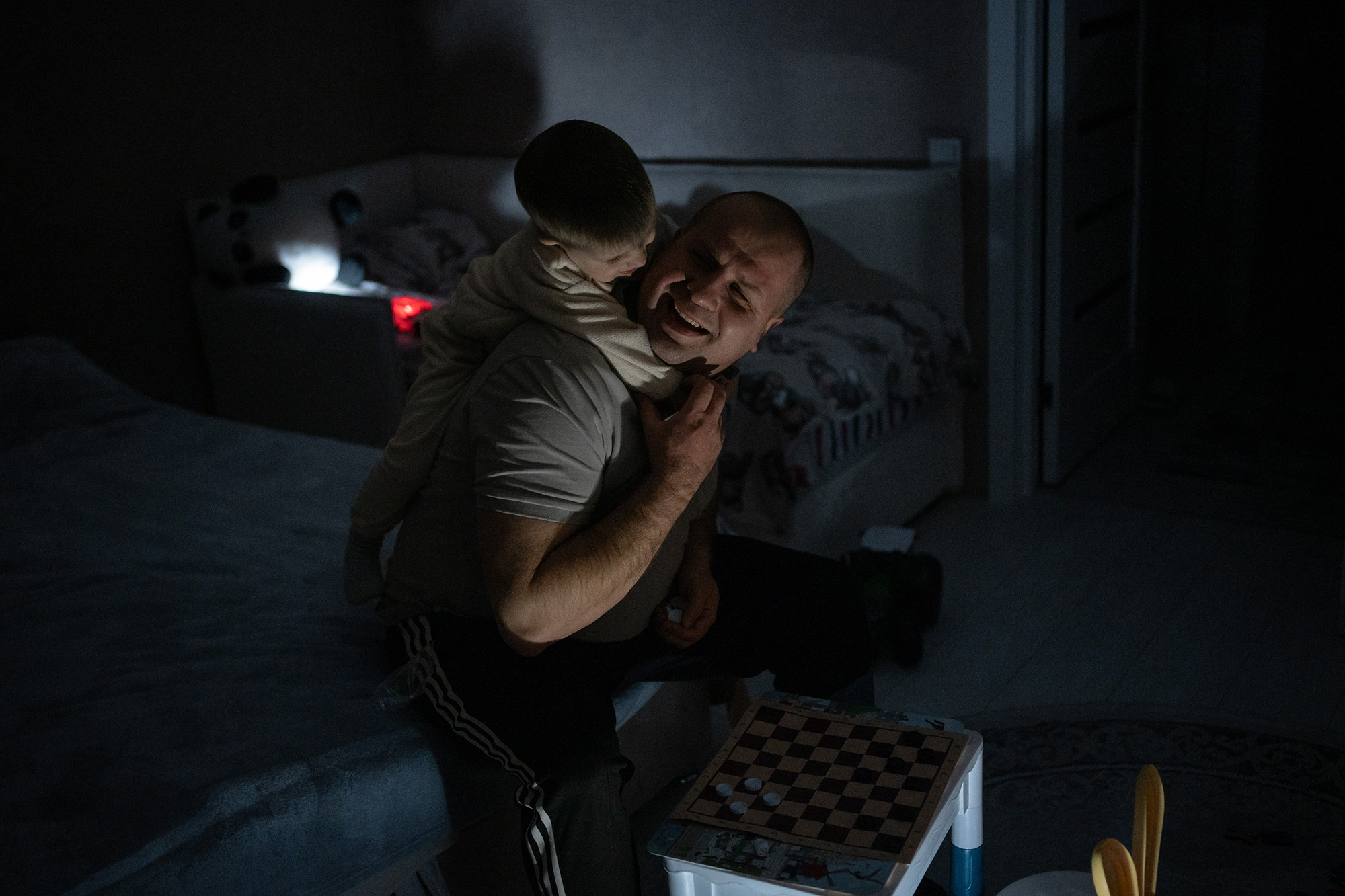
Mykhailo Blahodelskyi is a rescuer at one of Kyiv’s fire and rescue units. Between shifts — often extended and overtime — he has another crucial responsibility: regularly checking that everything is all right with his family, his wife and their 3-year-old son.
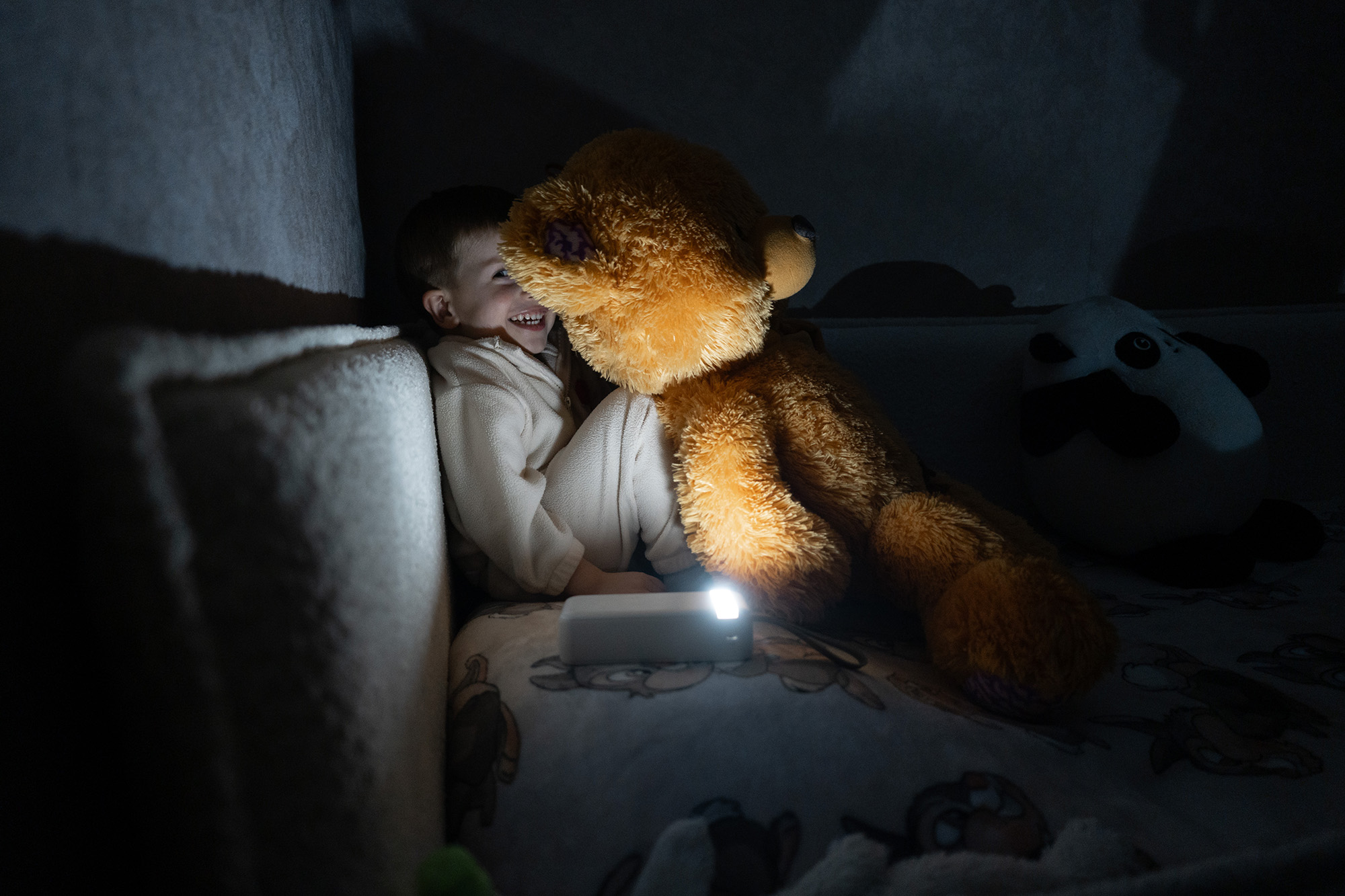
Thanks to cartoons about rescue workers, the boy knows that his father saves cats and dogs. And, of course, people — though for now that part impresses him a little less. In the rescuer’s apartment, there is often no heating, no electricity, and no hot water, so the family relies on thermoses filled with hot drinks and builds a makeshift children’s den, where being close together raises the temperature by a few degrees. Mykhailo plans to teach his son how to play checkers, and perhaps they will manage to put together a puzzle. Within a day, Mykhailo will be called back to duty again.
This winter, there has not been a single day without attacks on the Ukrainian energy system.