A Bird’s Eye View
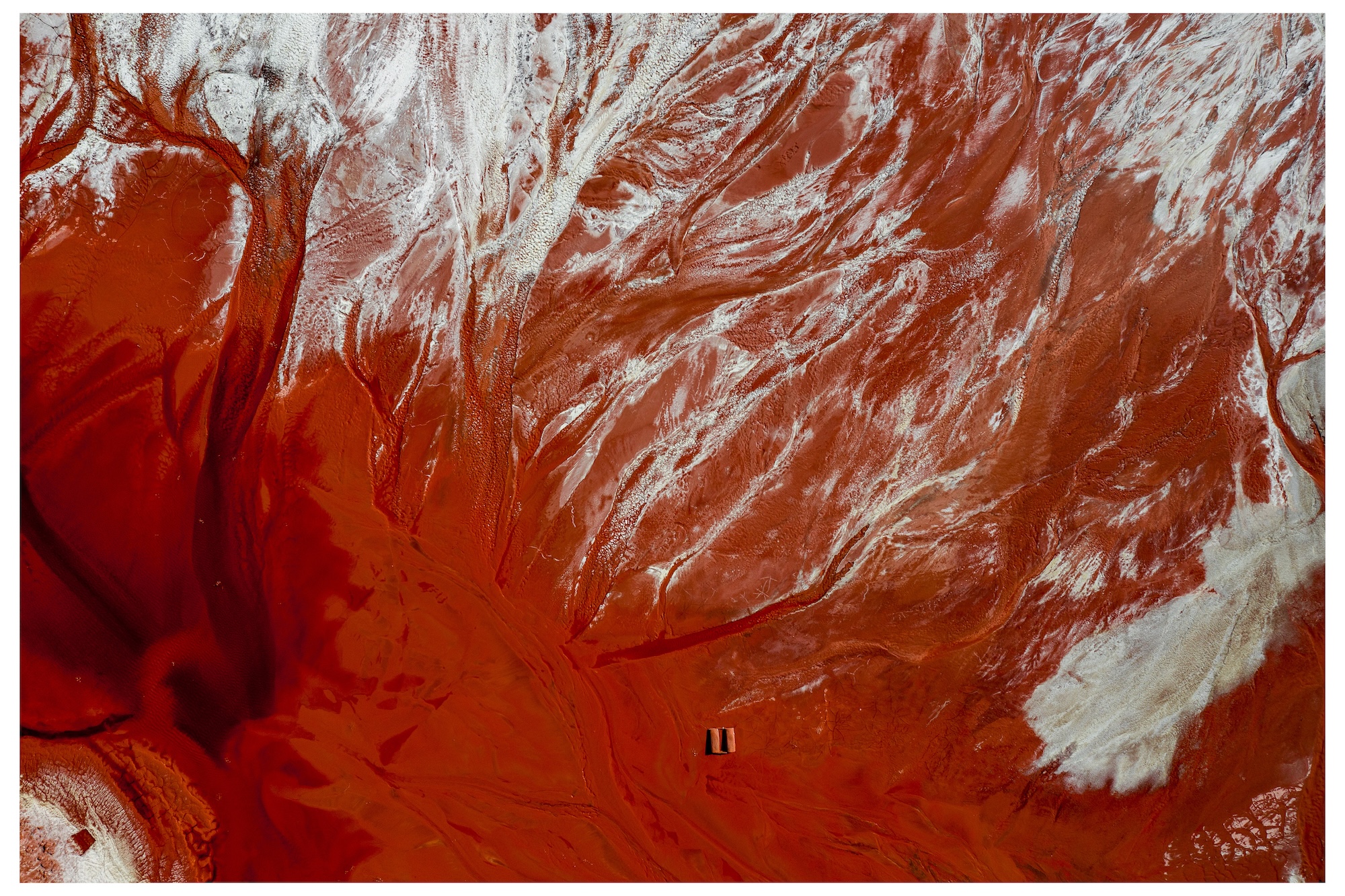
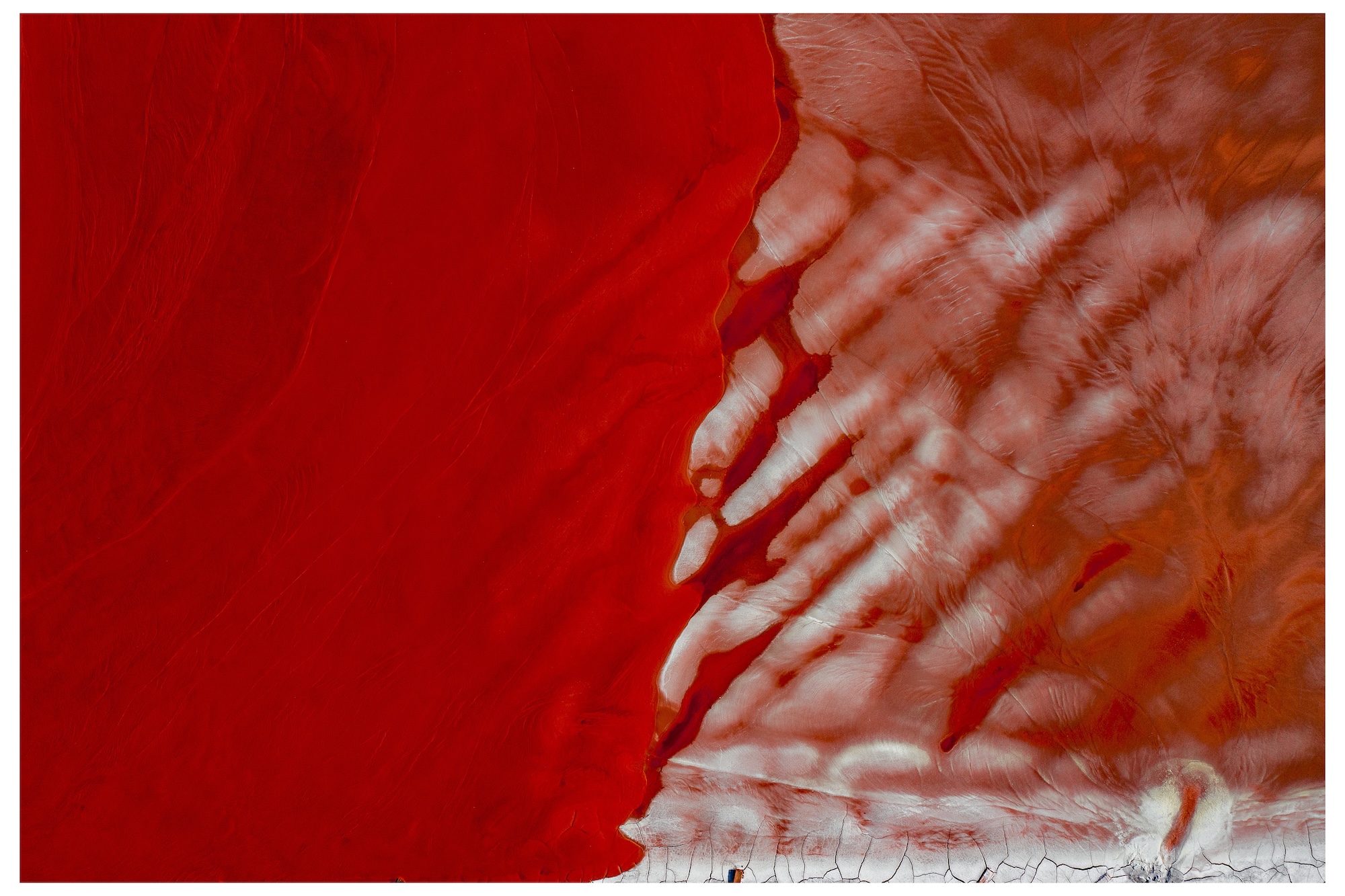
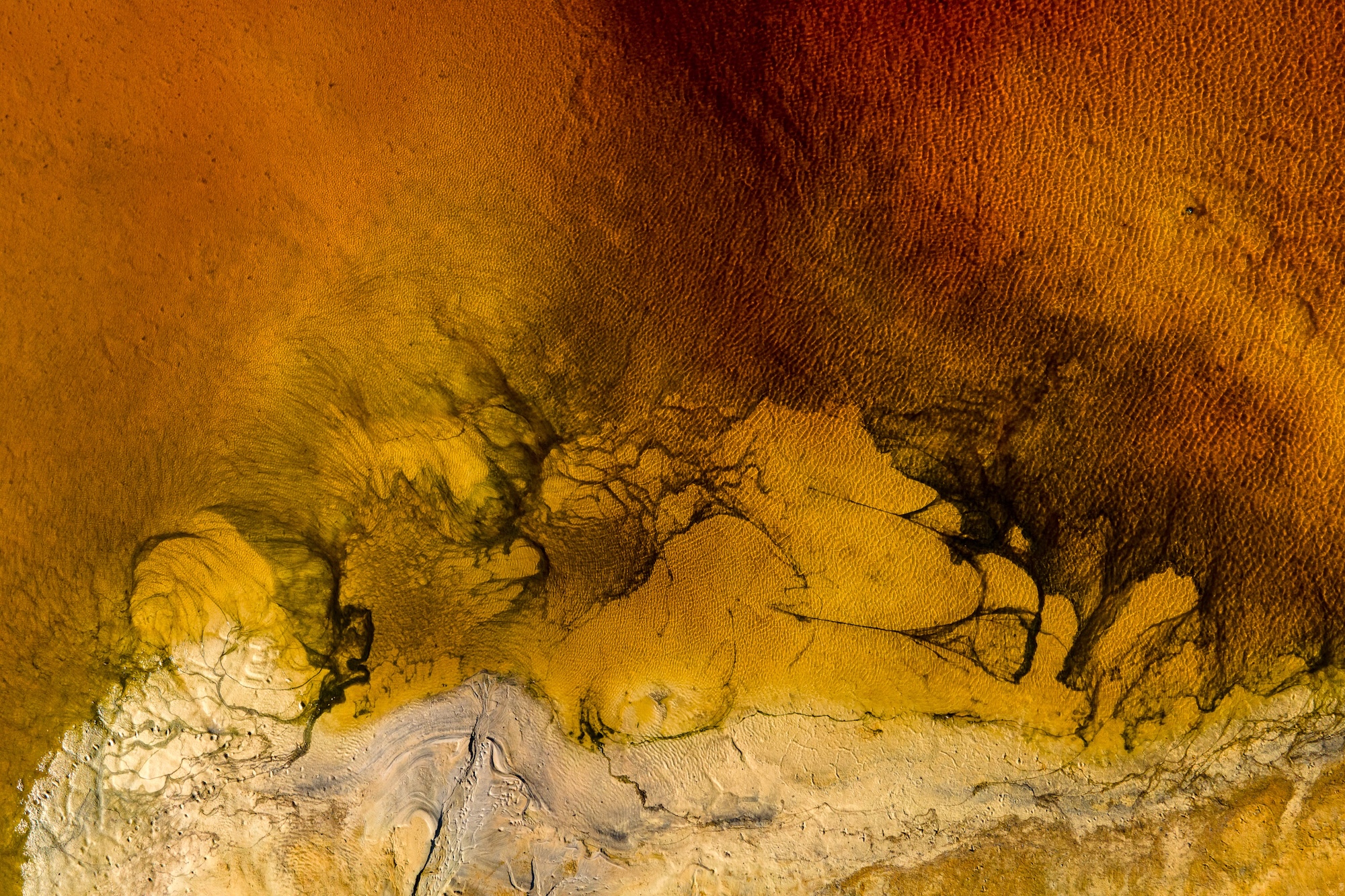
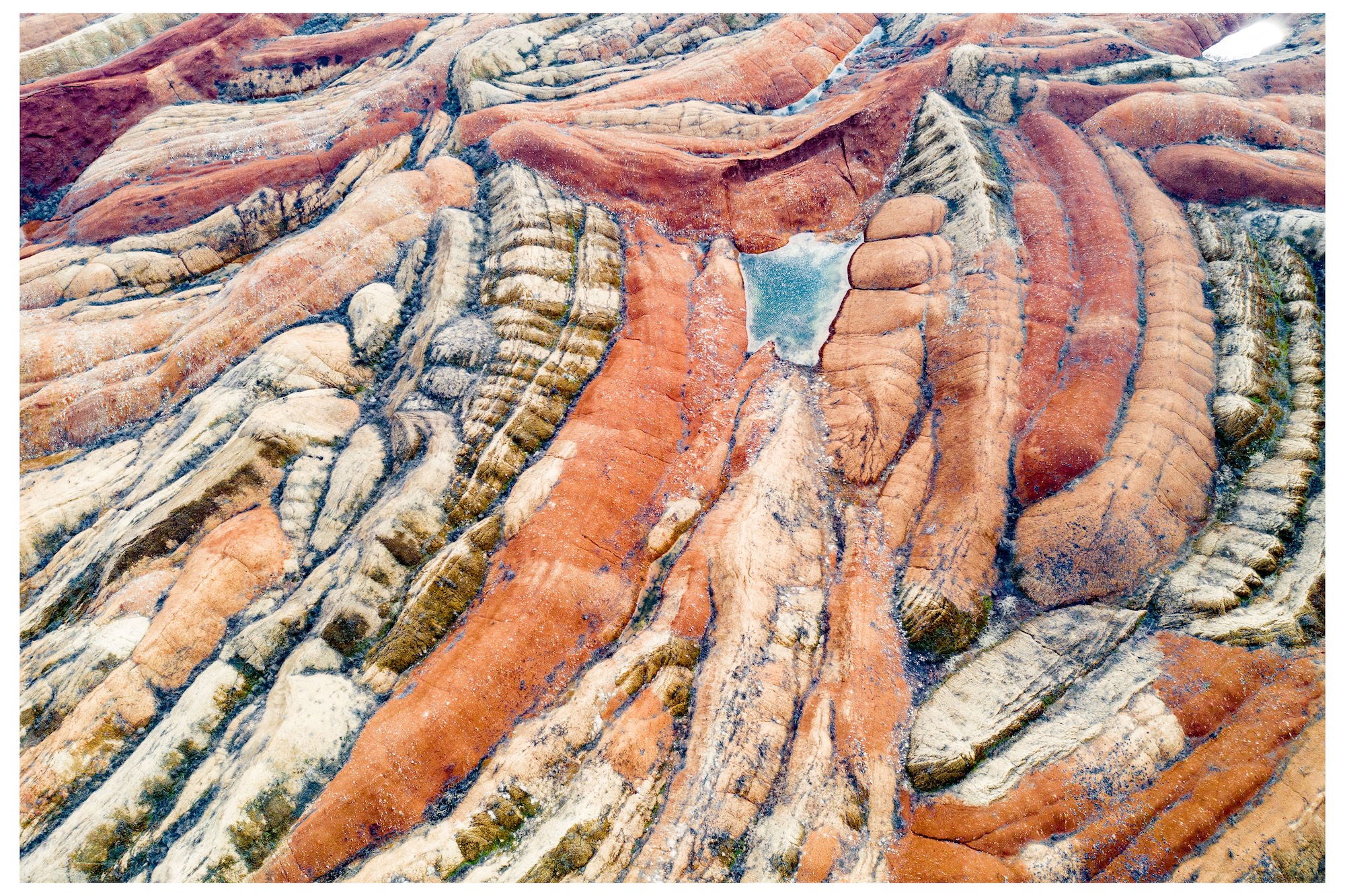
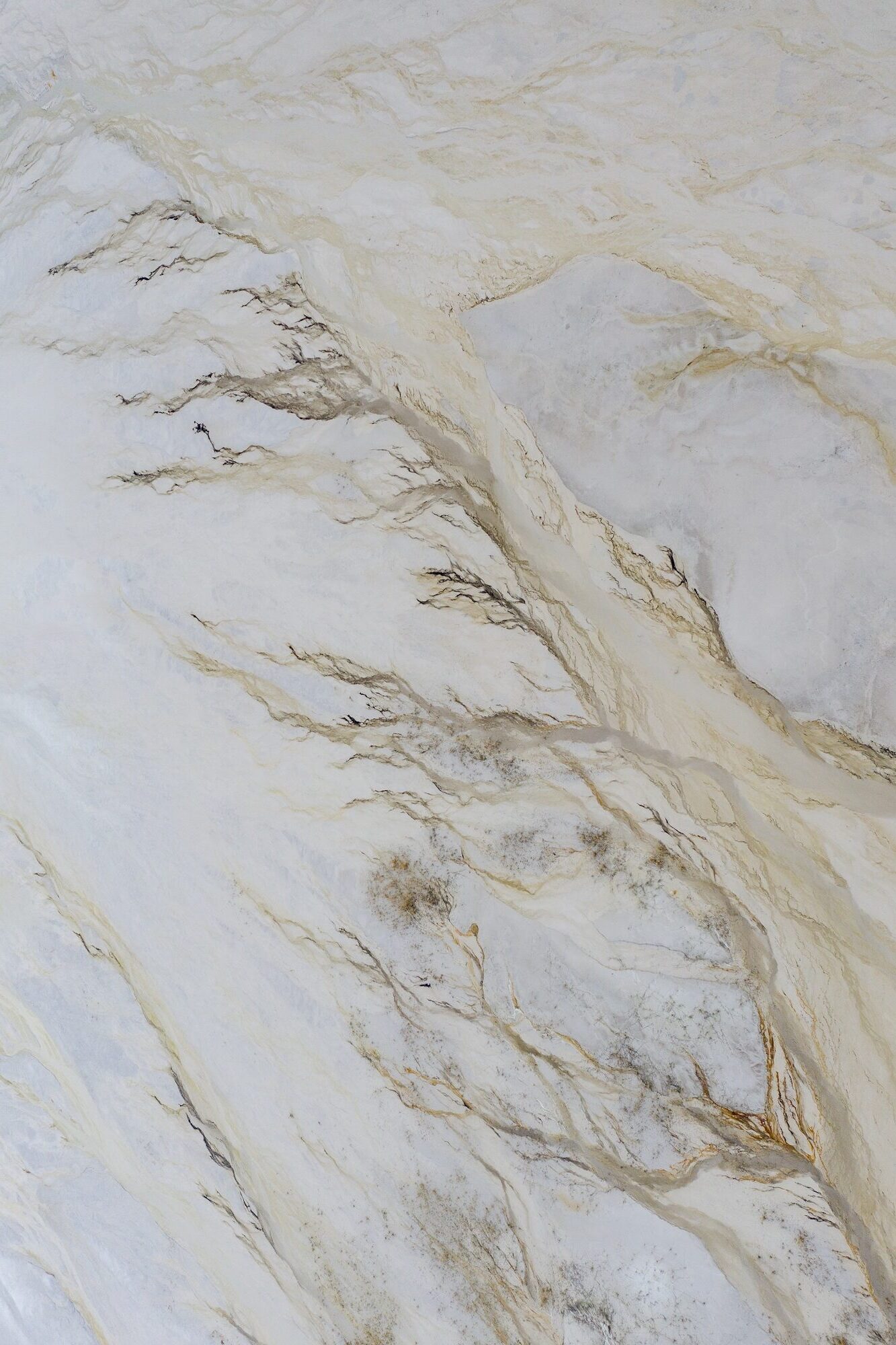
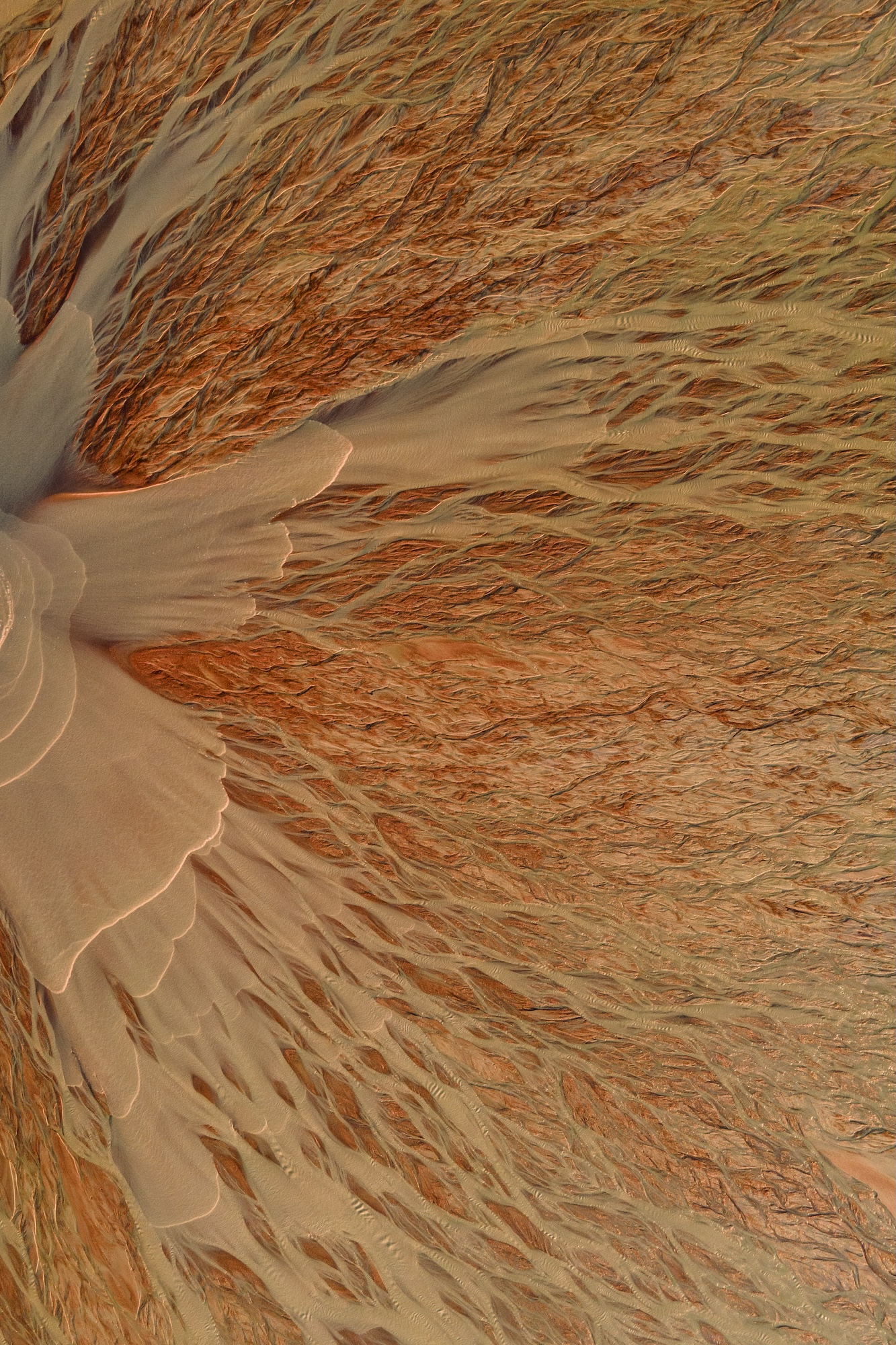
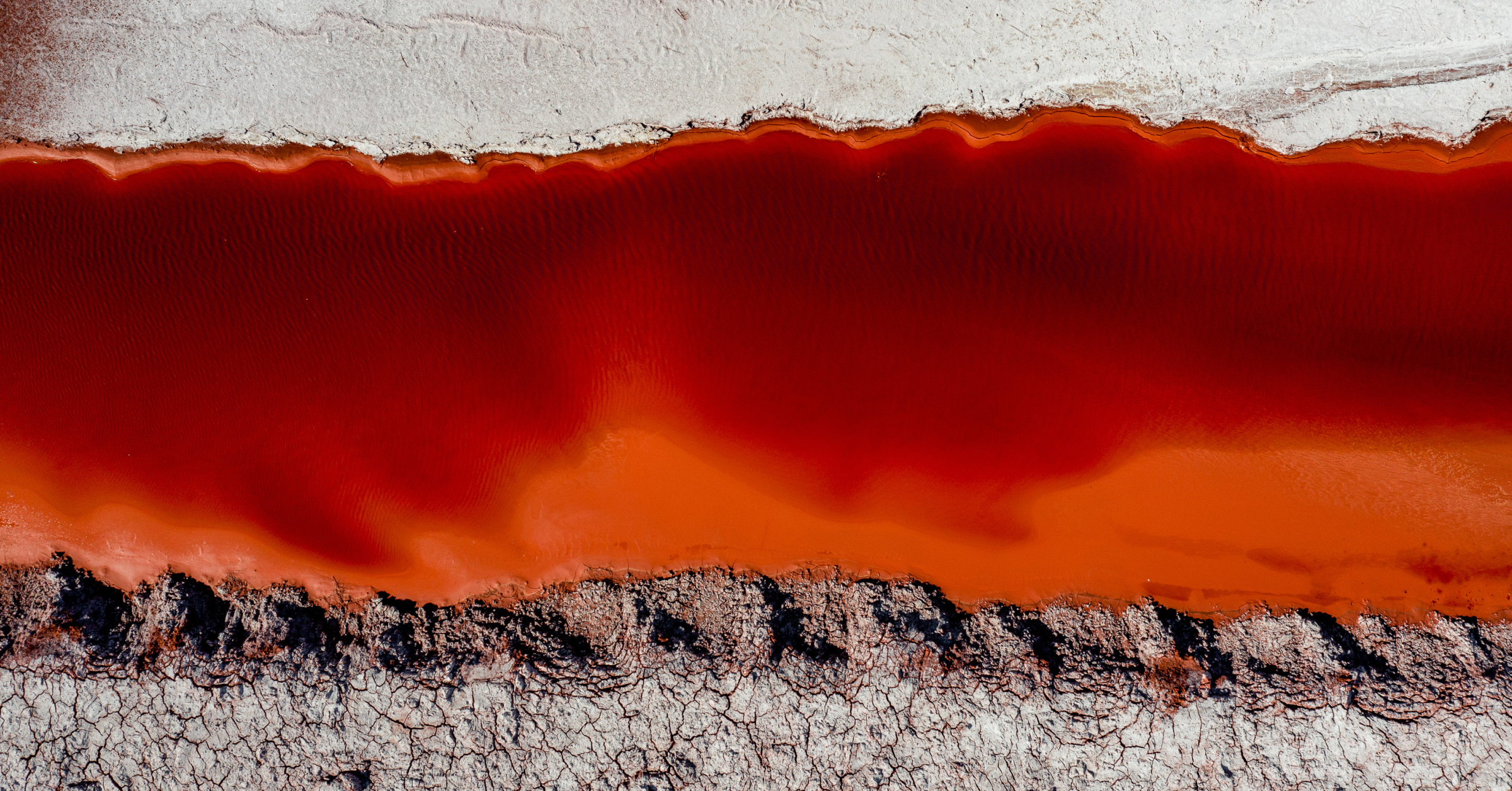
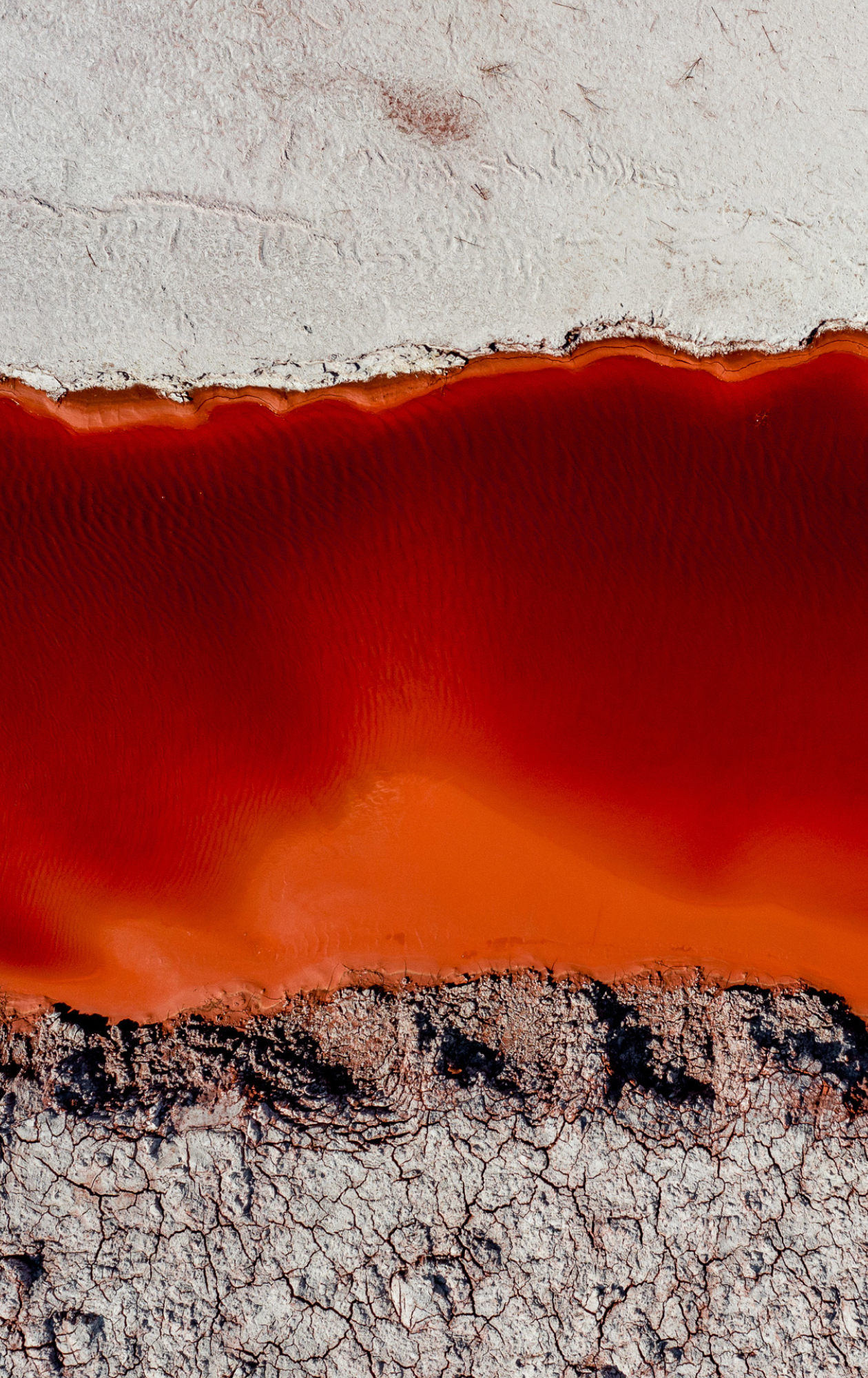
This photo series of Ukraine’s industrial landscapes was conceived long ago, during the pandemic. To understand what our country looks like, photographer and founder of The Gate Agency Gregory Vepryk traveled across Ukraine — from east to west, from south to north.
Using a drone, he captured aerial shots of the limestone quarries in Ivano-Frankivsk, open-pit granite mines in Zhytomyr, Vinnytsia and Kirovohrad oblasts, an alumina plant in Mykolaiv and the full spectrum of dark colors in the slag heaps and lakes of Dobropillia.
Gregory was invited to one of the iron ore quarries in Kryvyi Rih at dawn, and instead of the typical brownish gray, he was greeted by its pink-and-purple hues.
One of his drones stayed at the port of Mariupol — it crashed there and was lost.
In the fall before the full-scale invasion, the photographer was exploring open-pit mining sites for metal ores and granite. He found basalt columns that seemed to grow out of the ground, and was waiting for warmer weather to venture out and take their pictures.
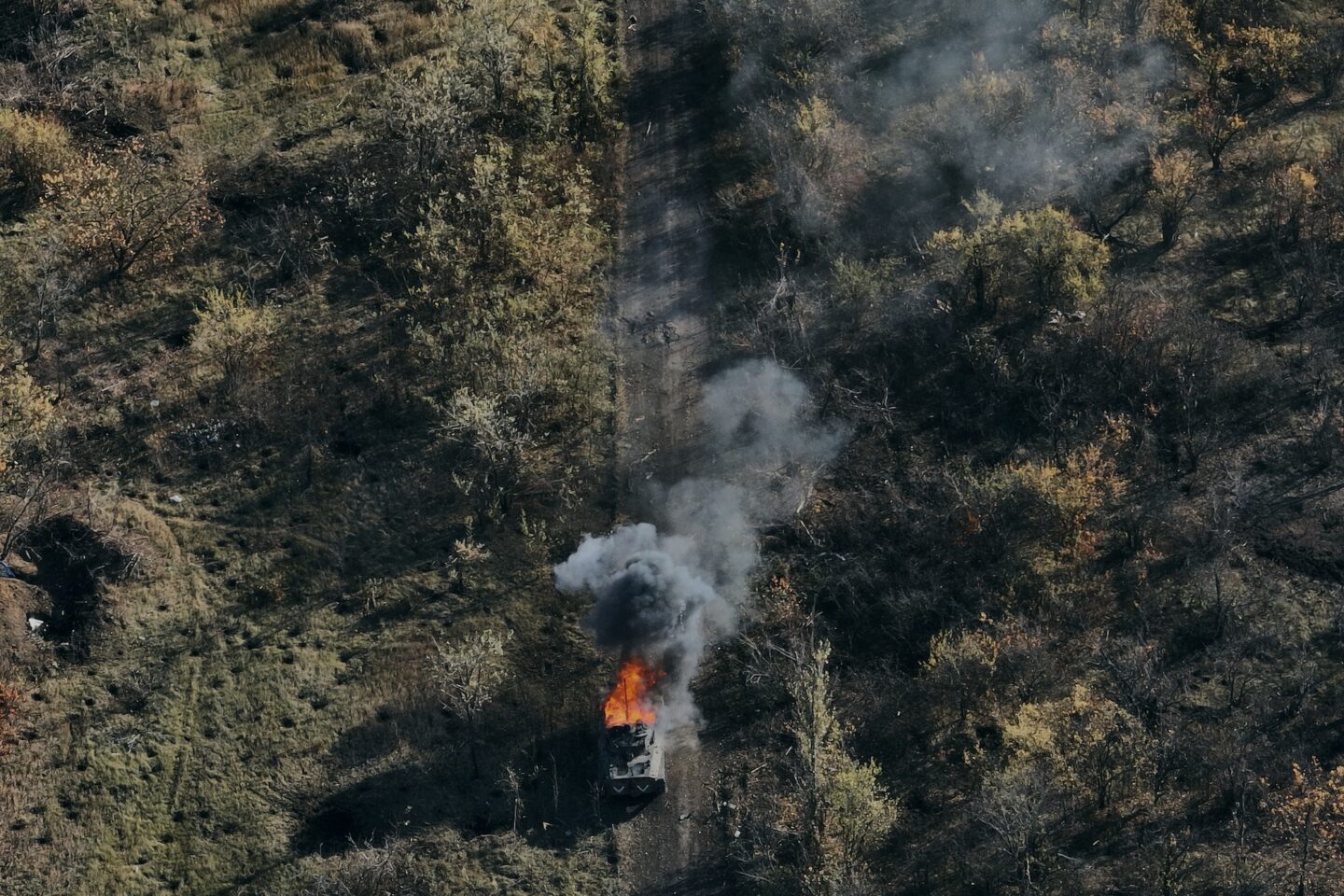
With the outbreak of the full-scale war, Gregory stopped taking aerial photos. He joined the military as a drone pilot — he had the necessary skills, and only had to learn to navigate the black-and-white world of a thermal imager without a compass or navigation system.
The early-autumn sunrises over Bakhmut were captured only in the photographer’s mind — his top priority became supporting the troops from the air during assaults, troop rotations and evacuations.
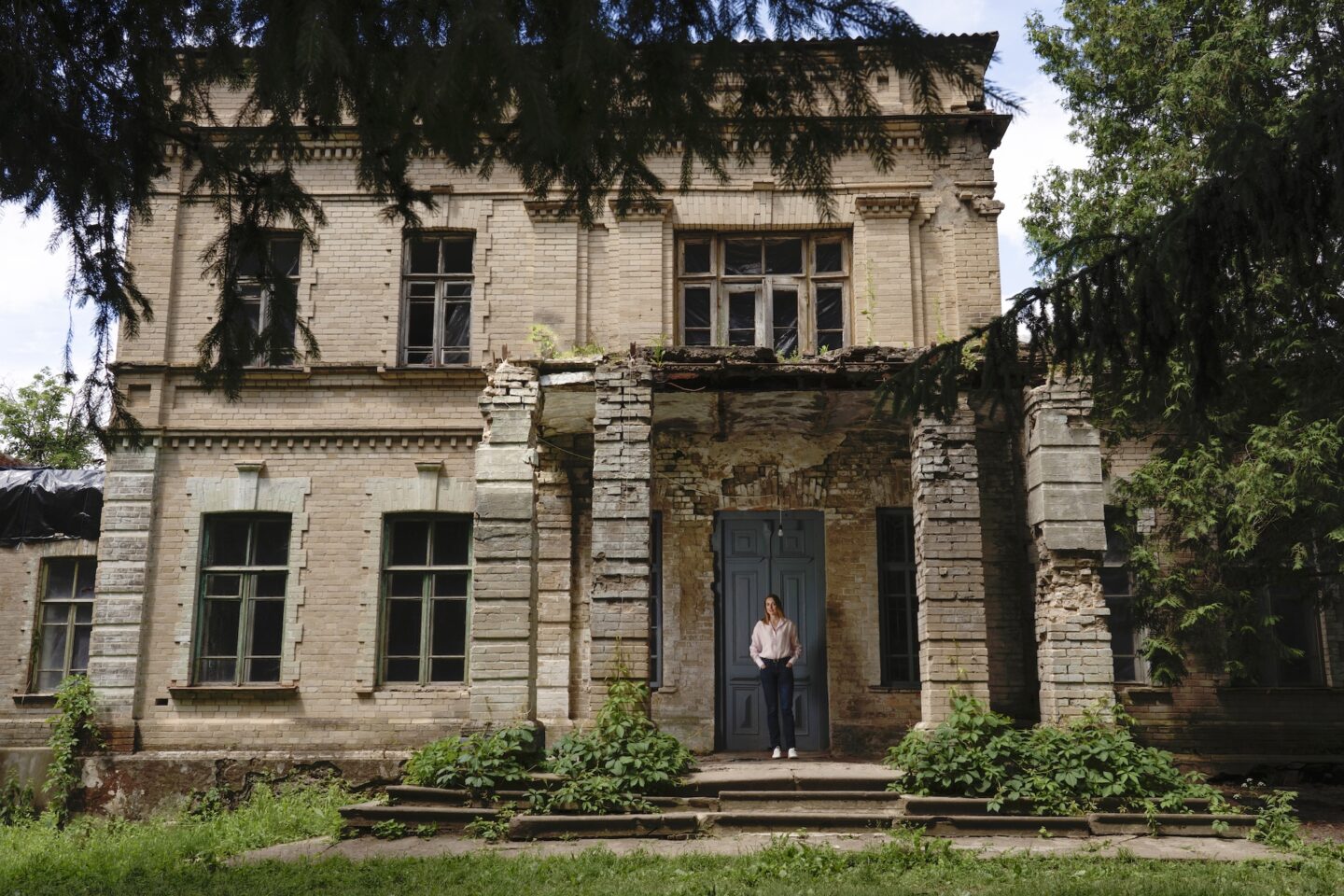
After military service, Gregory Vepryk returned to photography, focusing on documenting volunteer efforts and creating portraits of soldiers — but he never wanted to photograph the war itself. His photographs of Ukrainian industrial landscapes have become distant memories and, at the same time, acquired strategic significance. They now depict the inner terrain of a land, part of which has fallen into enemy hands and been irrevocably transformed.
“Will there ever be mines again in, say, Dobropillia? Now you look at these photographs and see something warm and beautiful, knowing that it will never be like this again. You realize that you managed to capture something that has disappeared forever,” says the photographer.