Inheriting a Legacy Without Blood Ties
My friend and I both come from large families: I’m the oldest, and she’s the youngest of three. We come from different cities, but the experience of growing up with many siblings definitely brought us together. We were raised in an era of total shortages, hyperinflation that devoured the savings of several generations, months-long delays in our parents’ paychecks, and the constant uncertainty that stemmed from it all. The only truly valuable investment our parents could make at that time was us, their children.
A few weeks ago, my friend and I traveled to Drohobych. We were set to take a tour of the historic saltworks that’s been operating continuously for several centuries. Neither wars, nor empires, nor shifting borders have ever halted its operations: today, salt is produced here in exactly the same way as it was in the days of our great-great-grandfathers. Along the way, our conversation naturally turned to the topic of legacy.
Like many of our peers, we don’t have any family relics. Our parents’ frugality and economic realities prevented us from accumulating what might eventually have become heirlooms: family silver for celebrating anniversaries, jewelry for mom to wear on special occasions, or a collectible watch that dad would wind every morning before work. To become heirs, we must create our own legacy today — not capital to be divided among three siblings, but memories that could sustain each of us. To be realized, a memory needs a vessel and time.
After all, material things mean nothing on their own; they become important when their stories resonate within us.
We Ukrainians are accustomed to loss. Empires did not merely kill, evict families and seize property — they also destroyed the very mechanism of inheritance. As entrepreneurs were eliminated, private enterprises and the culture of property ownership ceased to exist. Along with scholars, schools and traditions vanished. Along with homeowners went family histories and opportunities to gather around the family table. The ties between experiences, places, and people were severed. Estates, good manners, and anything else left behind by the educated and wealthy became foreign. “Ours” split into “theirs” and “mine.”
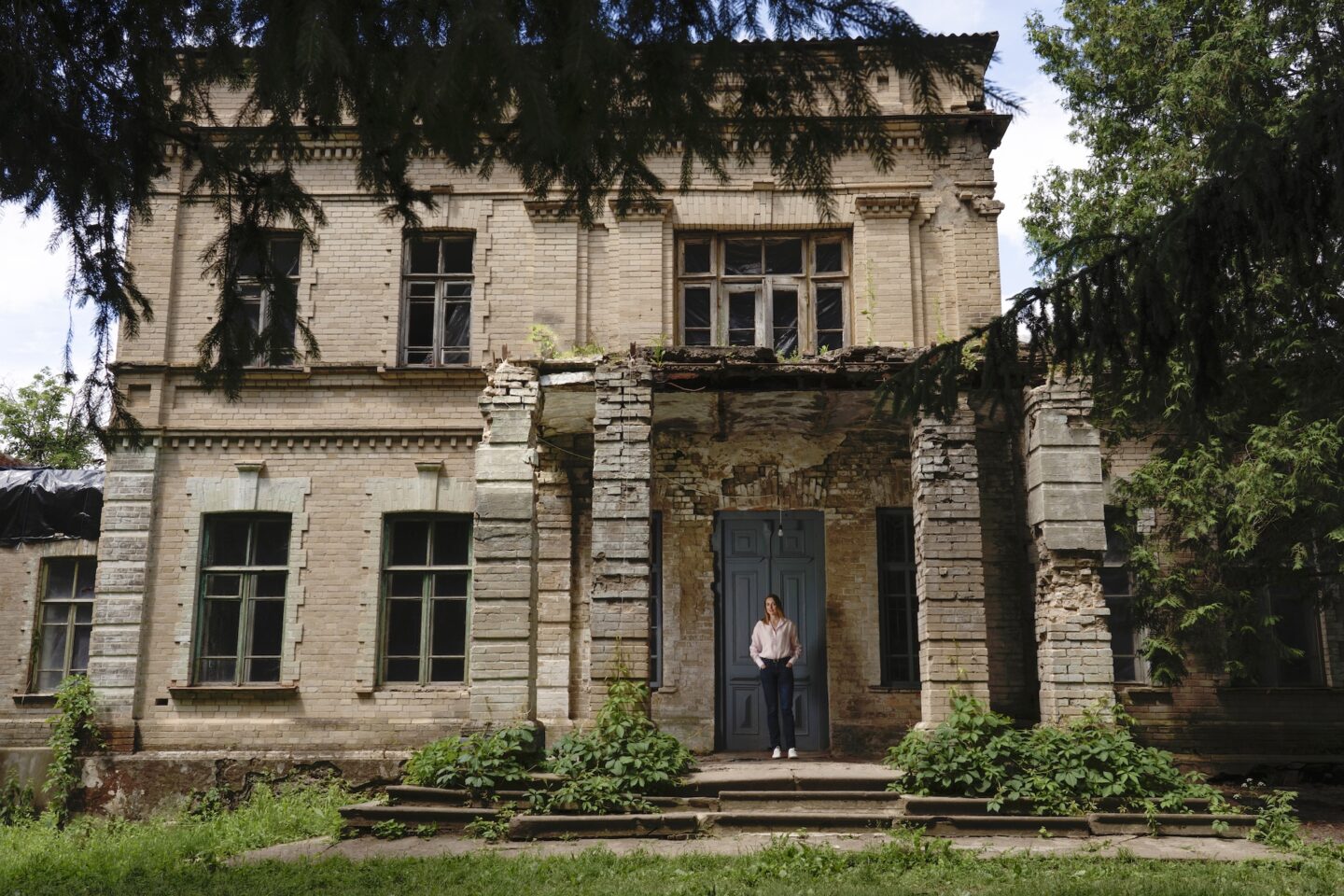
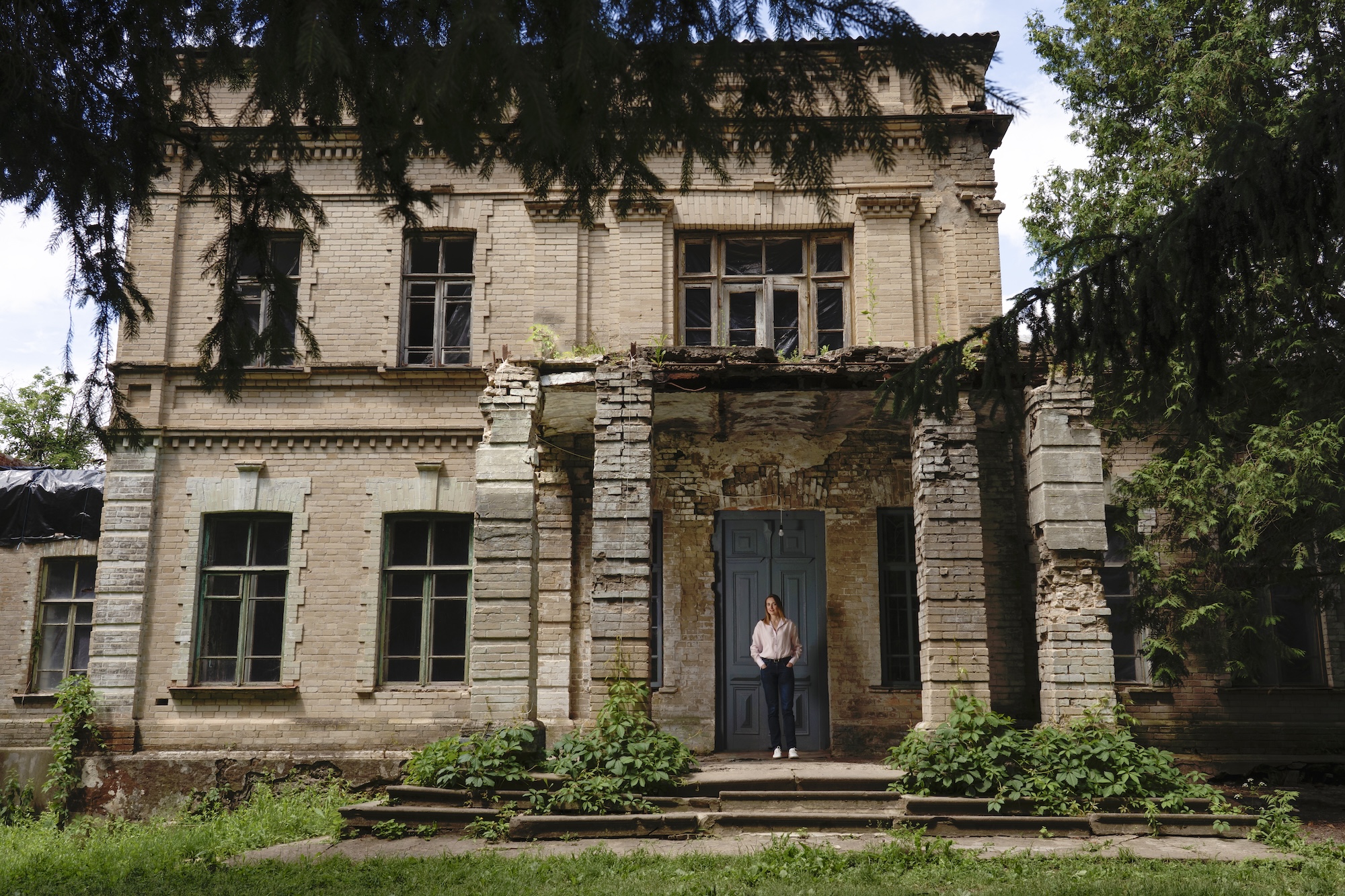
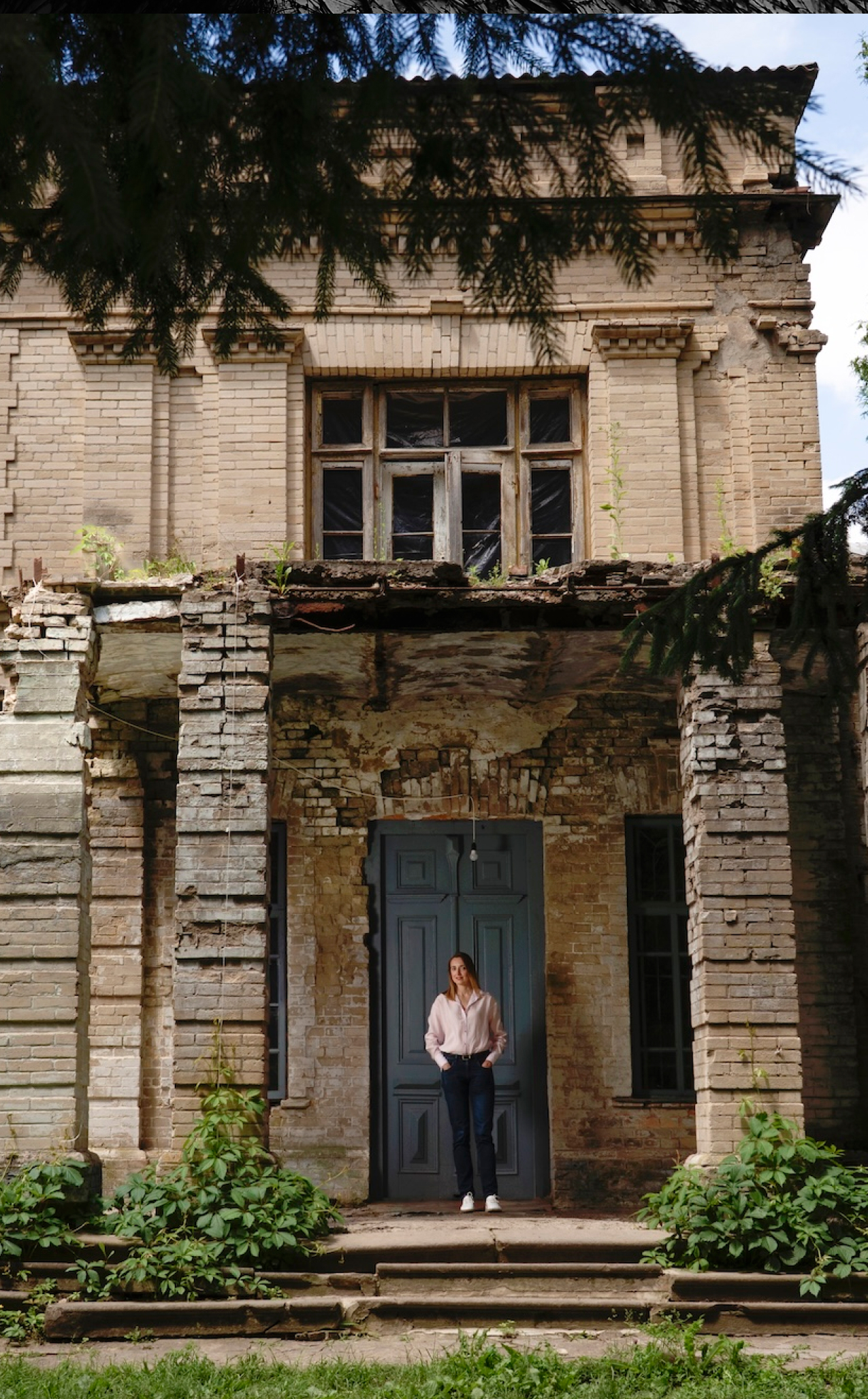
The need to restore what we once shared came to me on the day I stumbled upon an ad: the old Szczeniowski family estate in Nosykivka near Sharhorod was looking for a caretaker.
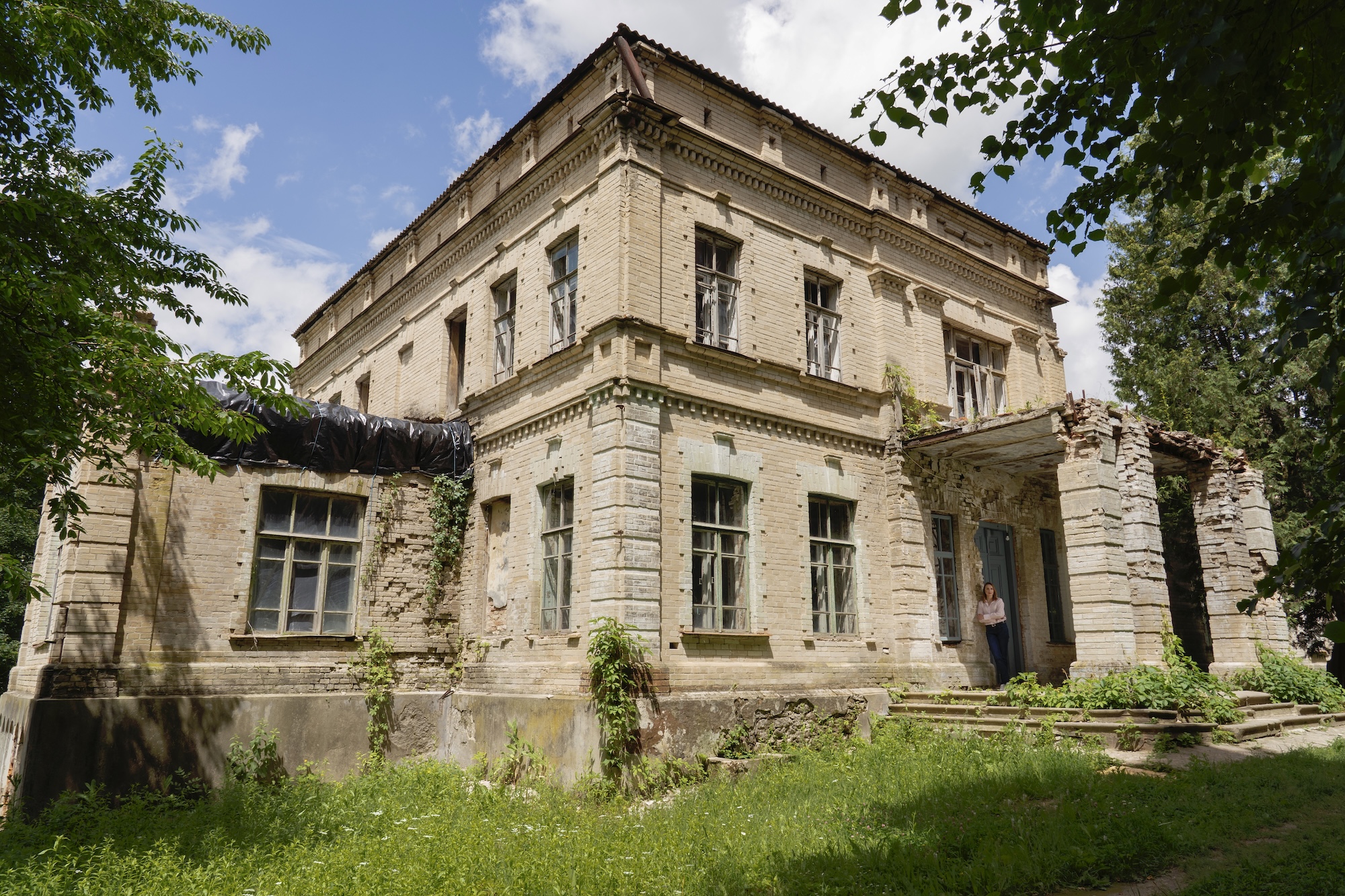
Sugar entrepreneur Stanisław Szczeniowski built a modern estate in the late 19th century in the shape of a locomotive — as a tribute to technological progress and the Zhmerynka railway junction, which was being built nearby at the same time as the estate. The landowners of that era, whose fortunes grew on sugar beets and processing plants, built palaces, churches and schools — sometimes out of vanity, and sometimes out of an intuitive understanding of the fragility of wealth. It is thanks to them that we have inherited parks, palaces, fortresses and churches, which miraculously survived destruction by enemies and negligent descendants, and which we now proudly call our national heritage.
The Szczeniowski family came from a world that the Bolsheviks, and later the Soviet regime, set out to destroy to its very foundation, along with its artifacts. The head of the family died on the front lines of World War I, and his widow, along with her two sons, fled the repressive regime, leaving everything behind and emigrating to Poland.
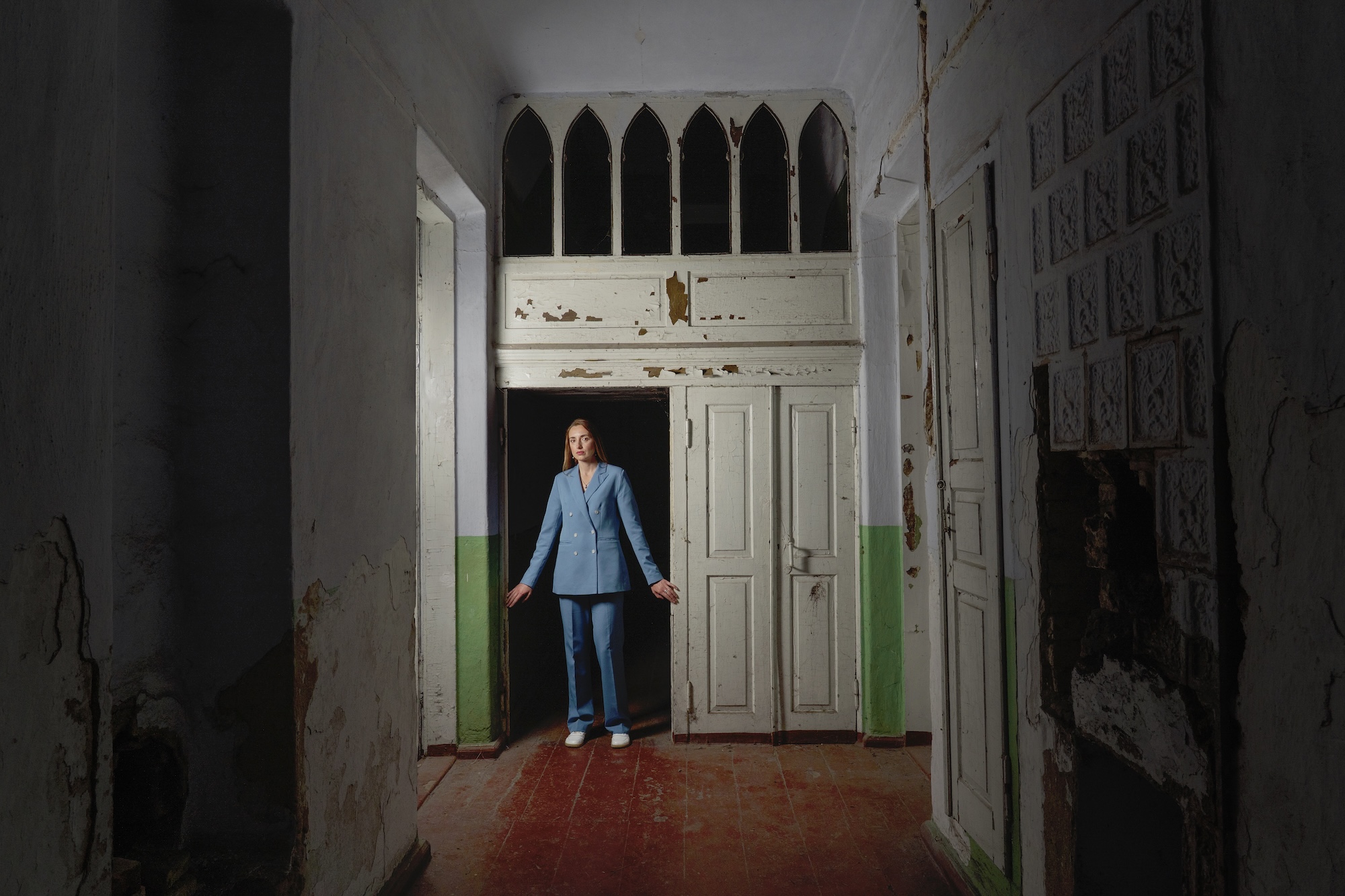
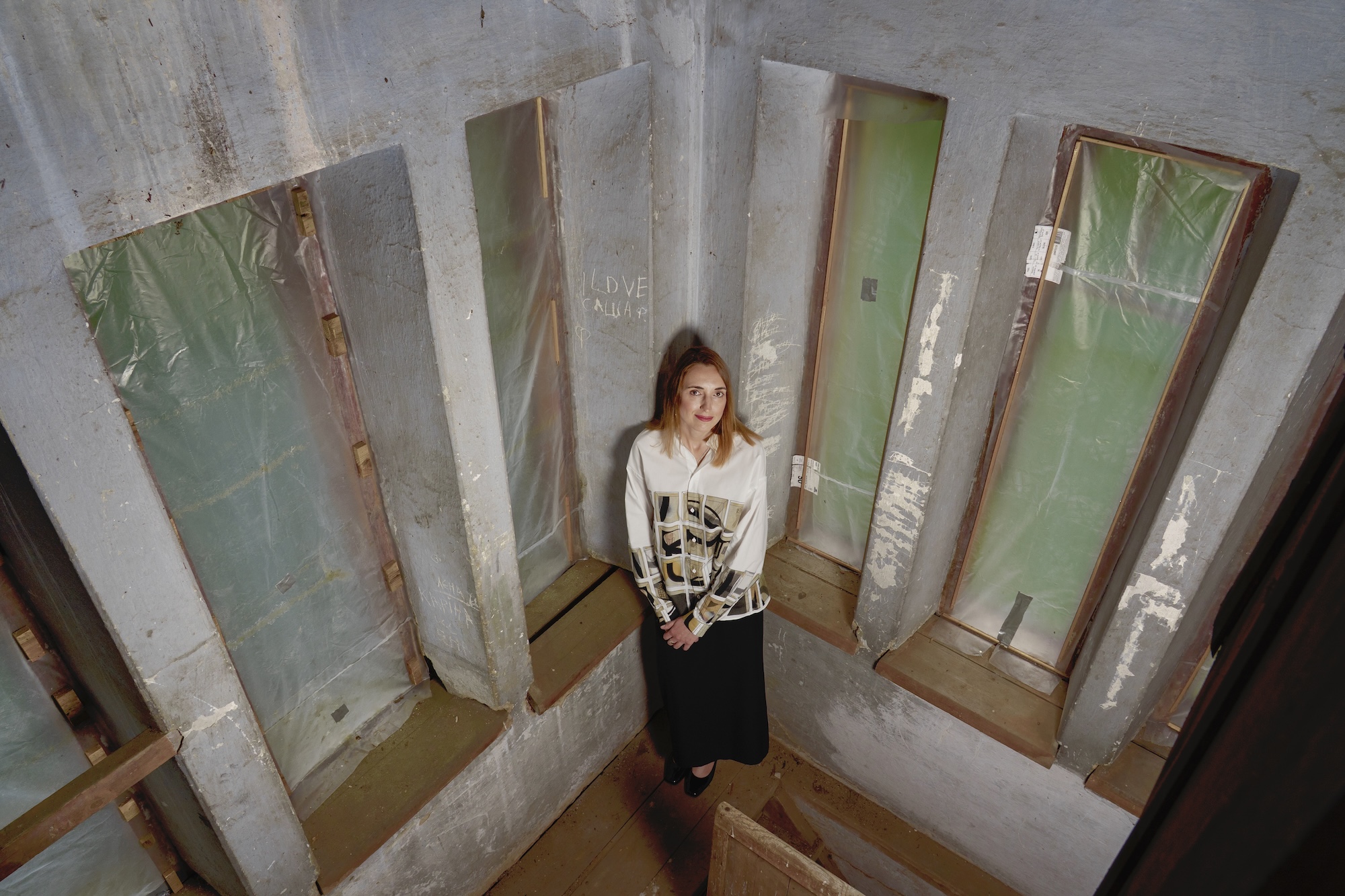
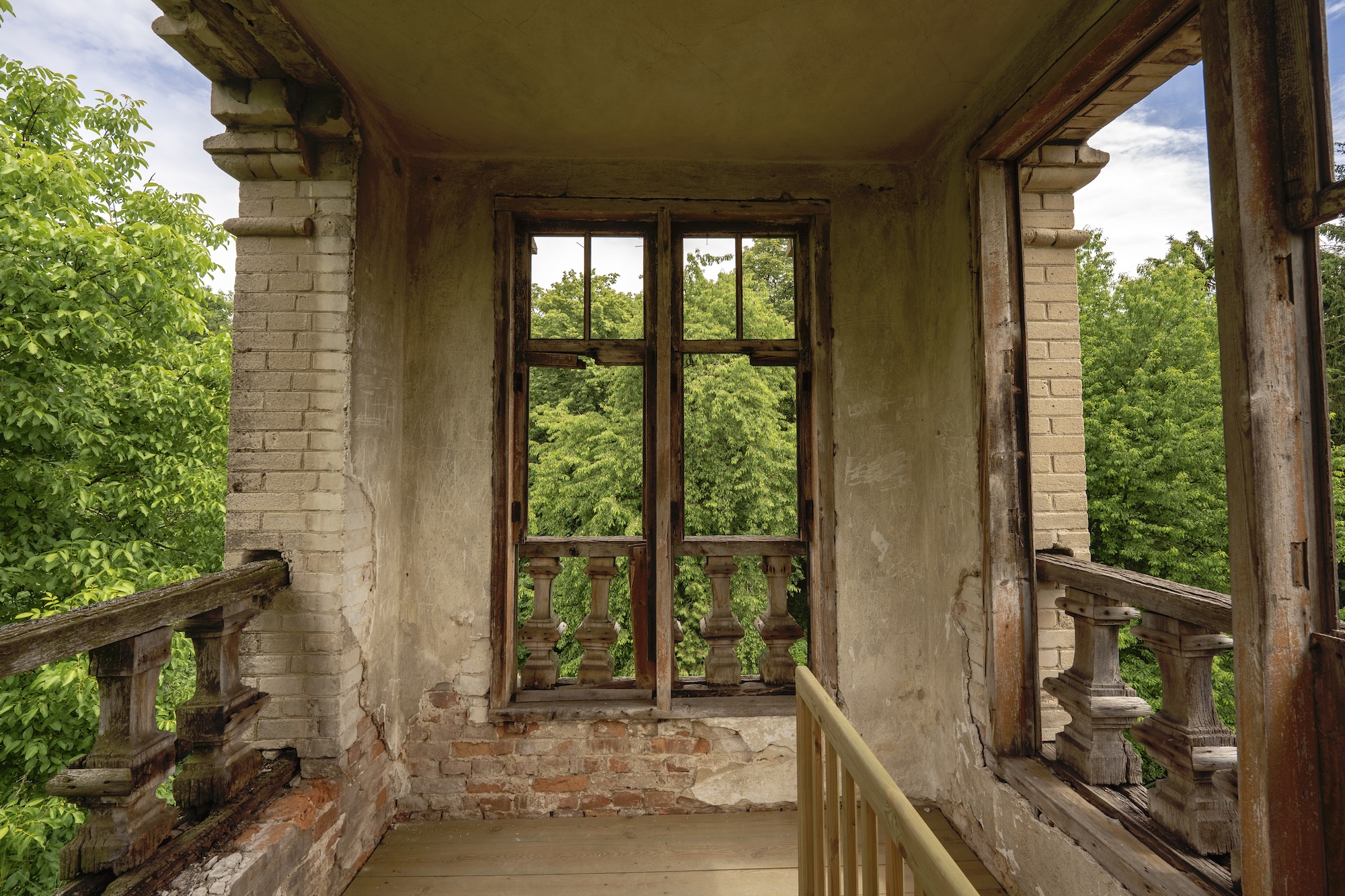
The Soviet era left its mark on the estate: a demolished balcony, solid-walled extensions, and a partition that cut the once-spacious dining room in half, along with its ceiling and stucco moldings. It’s a mark all too familiar to us today — that of a stranger who, having dispossessed the owner, has invaded the home and, layer by layer, destroyed its very fabric, forcing the house to forget who it truly belongs to.
Standing by these walls, built 101 years before I was born, I distinctly felt that the experience we are going through here and now is not doomed to be merely an experience of loss. It can become an experience of rediscovery, compelling us to give ruins new meaning. According to tradition, only those who bear the family surname or were named in the will can become heirs.
Today, when the enemy and the war are once again doing everything in their power to wipe out our heritage and its creators, we are left with a choice: to identify ourselves with loss or to take responsibility for the future into our own hands and reclaim it for ourselves.
The decision to take on the care of the palace was neither impulsive nor doubt-ridden. At some point, I came to the conclusion that the abandoned building would cease to be a monument to our century-long trauma only when someone voluntarily claimed it as their own. And so I invested the savings I had been setting aside for years, the ones I planned to use to buy a home. Perhaps it was madness — almost like raising three children during the turbulent ‘90s, knowing that, aside from care and a sense of purpose, you can guarantee them nothing. But I am convinced that rebuilding our identity, just like supporting the Armed Forces, is the most reliable investment in our right to exist during wartime. Perhaps that is precisely why I want a Ukrainian entrepreneur to make the first contribution toward the palace’s restoration — as a symbolic gesture of mending a broken tradition.
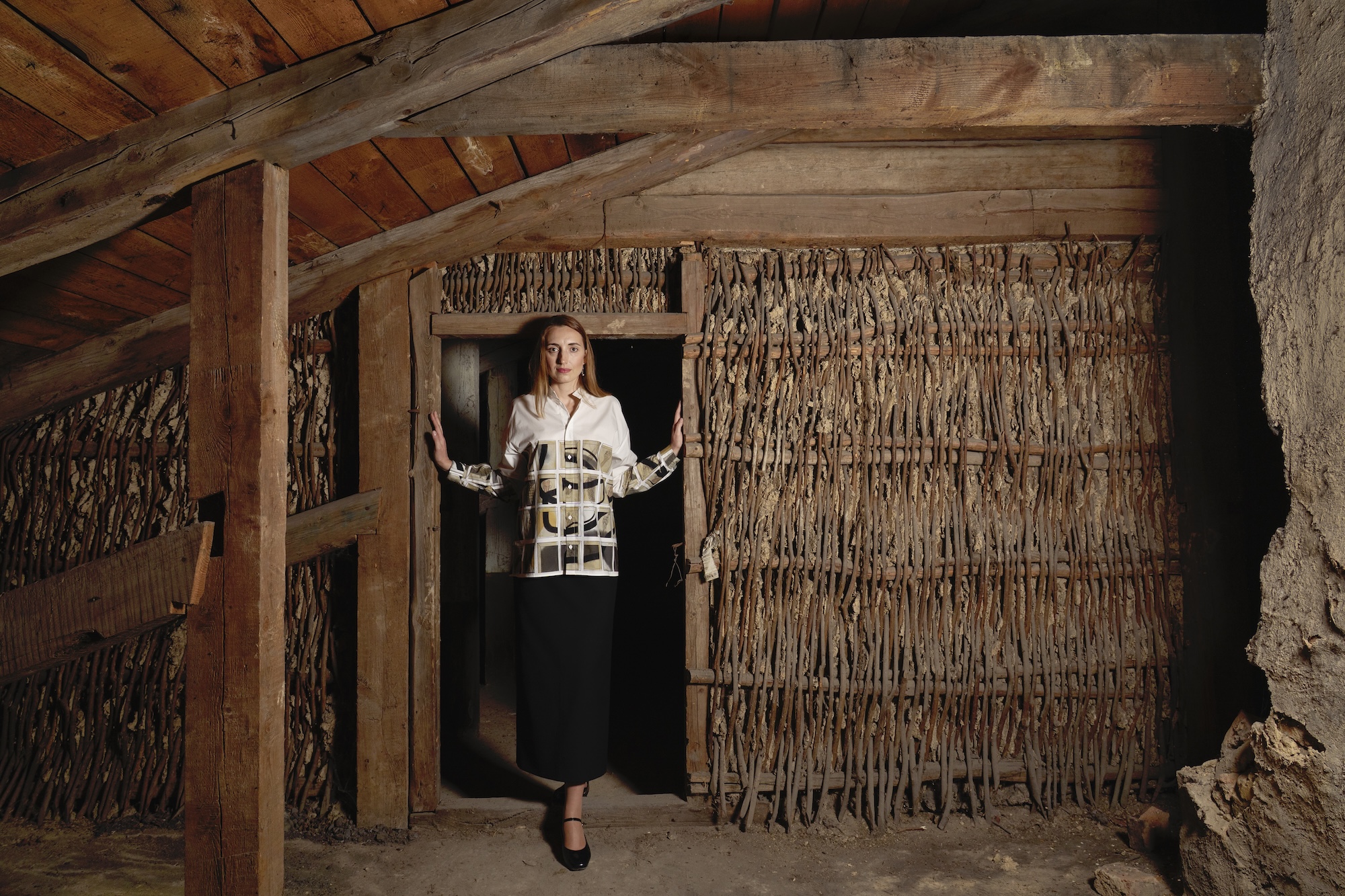
On a day-to-day basis, my struggle against the inertia of loss seems extremely mundane. Hundreds of small and not-so-small decisions — about a leaky roof, cracks in the walls, utilities infrastructure, cost estimates and permits; days spent traveling back and forth between Lviv and Nosykivka. Planning, searching and difficult choices dictated by a lack of resources. All so that one day, in place of the ruins, there would be a space where artists, entrepreneurs, architects, gardeners and teachers could gather. A place where ideas and new connections could be forged, and where, in place of the Soviet-era partition that split the dining hall in half, would stand a large communal table.
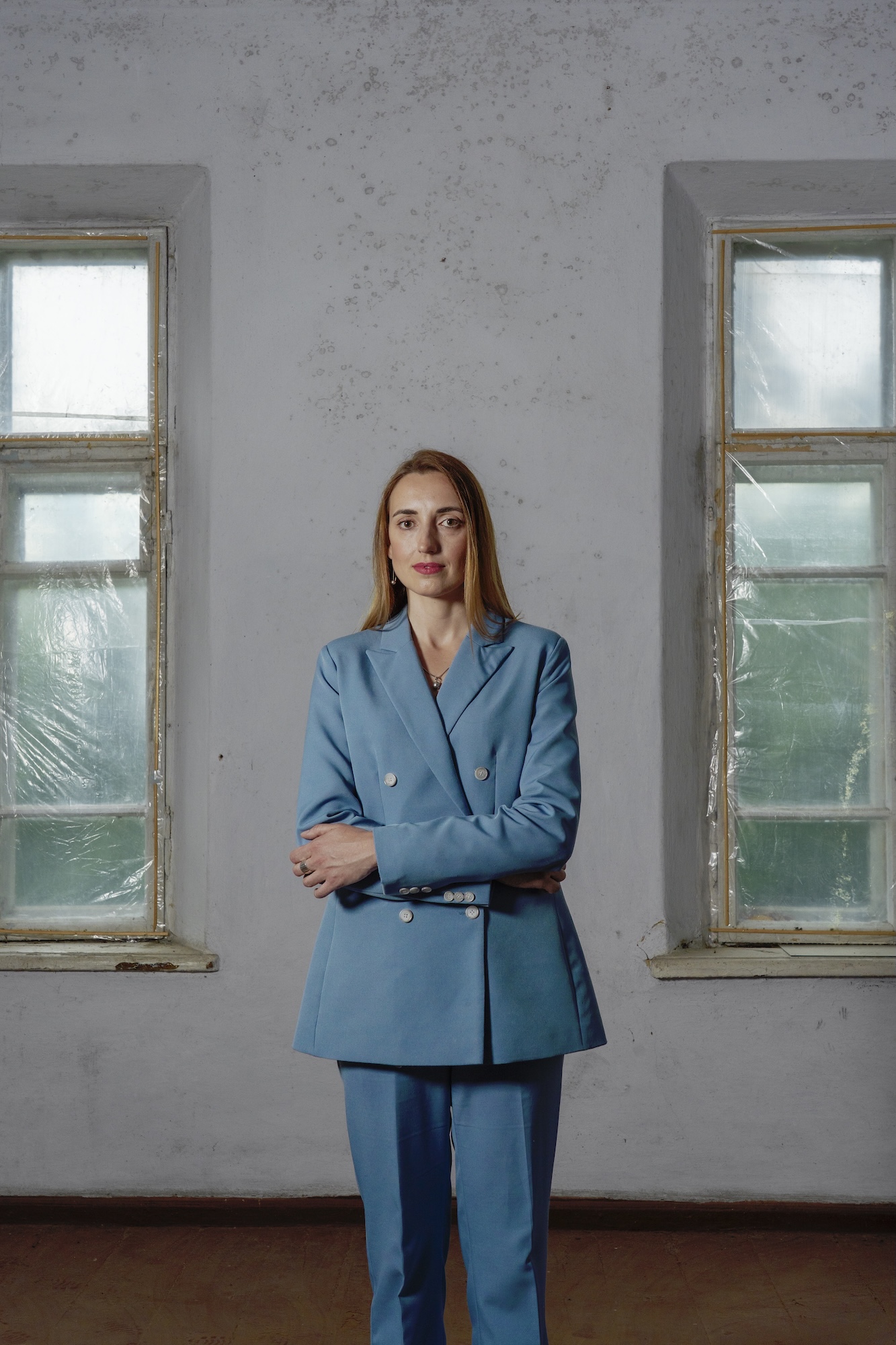
The plans for the palace’s renovation lack even the slightest ambition to restore it to its original appearance from the era of industrial prosperity in the late 19th century. After all, its creators built the estate with the future in mind. Today, hundreds of estates in Podillia and thousands across Ukraine need not nostalgia, but a reimagining. Most of them lack protected status and do not remember the names of all those who destroyed them. However, they can find patrons among our contemporaries if we manage to take responsibility for them before they fall into ruin. It seems to me that this is precisely how culture works: we inherit not what was left to us, but what we ourselves have agreed to carry forward.
The technology for producing Drohobych salt has changed little over the centuries. A year before the Revolution of Dignity, the company’s gas supply — absolutely essential for evaporating brine — was cut off. The workers found a solution: they began heating the brine with firewood. This allowed them to continue working and survive the regime that sought to destroy them. What seemed in 2013 to be a forced step toward archaism actually gave the saltworks a ticket to the future. After the Russian occupation of Soledar, the artisanal production in Drohobych became the living heart of the Ukrainian salt-making tradition.
We have inherited salt from our land: for centuries we’ve been extracting it from the earth, each time reinventing our own continuity in defiance of empires and wars. But sugar can’t be inherited, just as the ability to enjoy and create can’t be inherited. It must be cultivated again and again. This requires seeds, an engineer, technology and most importantly — peace that lasts as long as the growing season.
Tomorrow’s legacy — ours, not just mine — is born amid dust and spreadsheets. Breathing life into a neglected estate means renouncing a culture of waiting in favor of a culture of action, thus restoring moments erased from history, as well as respect for entrepreneurship as a capacity to create. It serves to bring us back into the broader European context — not after the war, but now, at its climax, as we fight for our lives and make sense of them while reconstructing our identity; and to transform nameless landmarks into engines of community renewal — economic, social and cultural. For this to happen, we must become a community where every person and institution takes ownership of something and converts it into shared legacy. This does not necessarily require significant capital — sometimes, it’s enough to want to simply take care of it.
In a reality where everything can be lost in an instant, we are forced to redefine the meaning of legacy.
If we succeed, we will leave our descendants not walls or family heirlooms, but the very source of creation: the courage to take responsibility for what we share.
Taking on and passing on — this is our legitimate way of becoming masters of our own destiny and overcoming the cyclical trauma of loss. At the very least, my friend and I intend to make good use of it.
Bloodline determines inheritance only in the notary public’s office. History determines inheritance through decisions and actions. At a time when millions of us have once again lost our homes and families to the whims of the Russians, taking responsibility for preserving what has been abandoned and building the future means thwarting the enemy’s plans, transforming loss from a destructive habit into a tragic event. And starting to rebuild, despite everything.
Stanisław Szczeniowski’s eldest son and future heir was named Olgerd; all he inherited from his father was not a home, but exile. A century later, I, Olha, am taking on his legacy — without a will or any blood ties — to give his estate a new meaning.
Translated from Ukrainian by Liubov Kukharenko