We produced this essay in collaboration with Ukraine WOW for “That Day,” an exhibition marking the 35th anniversary of Ukraine’s independence.
Prisons aren’t limited to the confinement of people in physical space. They can also exist in time.
A prison in time is futurelessness. It’s being locked in an eternal present, all memories and hopes erased — as small as a solitary confinement cell.
Thinking about the future, hoping for the future, fearing the future — those are uniquely human traits. It’s not something animals or angels are capable of. People who have a future are filled with hope and anxiety. Having a future is not easy — it always makes us anxious, especially now, during the war. It is unmanageable and uncomfortable.
But even this unsettling future is better than no future at all. Anxiety about the future is a component of human happiness. Indifference and apathy are the path to becoming dead souls.
For many centuries, we Ukrainians lived lives in which our future was stolen, severed and annexed. Empires took away our past and our present, but most of all, they took away our future. They spoke, shouted and whispered: “You have no future. Your future belongs to tyrants.”
These days, we are fighting to decide for ourselves where we should go. These days, we are breaking free from the prison of time. Ukrainian resistance is a result of our anger toward those who sought to steal our future.
But how do we want to imagine our future?
I dream that Ukraine ceases to be the frontier, that it becomes the center, first and foremost, for itself, with its own center of gravity.
I dream that Ukraine rids itself of imposed provincialism. I want it to think about the world, to feel its responsibility toward the world, and for it to influence the world.
I dream that we rid ourselves of “internal Russia” — that is, the value system that still persists within us and views people as expendable and replaceable, and the state as a mechanism of coercion and punishment rather than a stimulus for development and an instrument of justice.
I dream that we preserve our keen sense of responsibility, that we don’t live under the illusion that someone else is responsible. The virus of this illusion has penetrated deep into the modern world — in the East and in the West, in the South and in the North. We must build up immunity against it.
I dream of our population growing again. To achieve this, we must have more children. And to have more children, not only women but also men must take responsibility for raising them. And in our cities, we must build not only shopping malls and skyscrapers, but also kindergartens and schools.
I dream that the state will finally stop seeing itself as a structure that dominates society and realize that it exists to serve it and that its task is to give society the opportunity to build its own defense, its own justice and its own development. The state should not “supervise and punish,” but rather seek out healthy forces within society and give them the opportunity to develop.
I dream that we will win this war — that is, that Russia will be unable to wage war for many years to come. I dream that its people will begin to understand that their wars will always lead them to defeat and humiliation.
I dream that we preserve our volcano of social energy, but finally encase it in stone so solid that no one could ever destroy it.
I dream that, in these times of dehumanization, we will become a country that exists for its people. That the experience of unfreedom and inhumanity, which has scarred our history, would serve as a constant incentive for us to seek the opposite, and to raise up a world of freedom and compassion.
I dream that we will always have a future. That we will have somewhere to go. That we will be a country of “yet.”
A country that is yet to have its say.
Translated from Ukrainian by Liubov Kukharenko
Read more
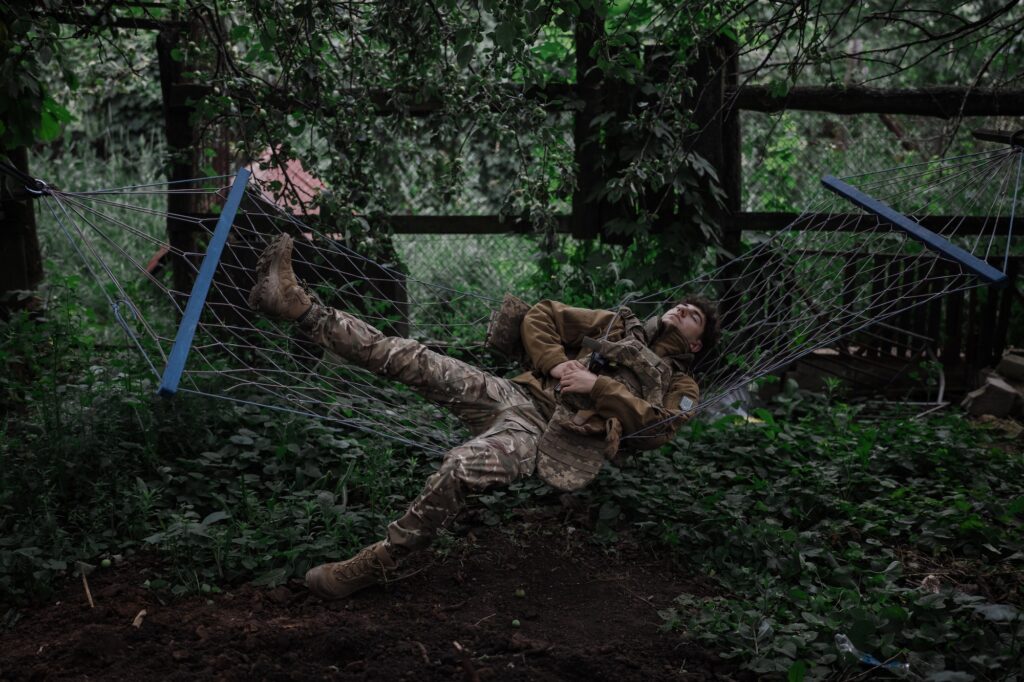
Sleep
About sleep — and what it sounds like on the frontline — in documentary photographs by Viacheslav Ratynskyi.
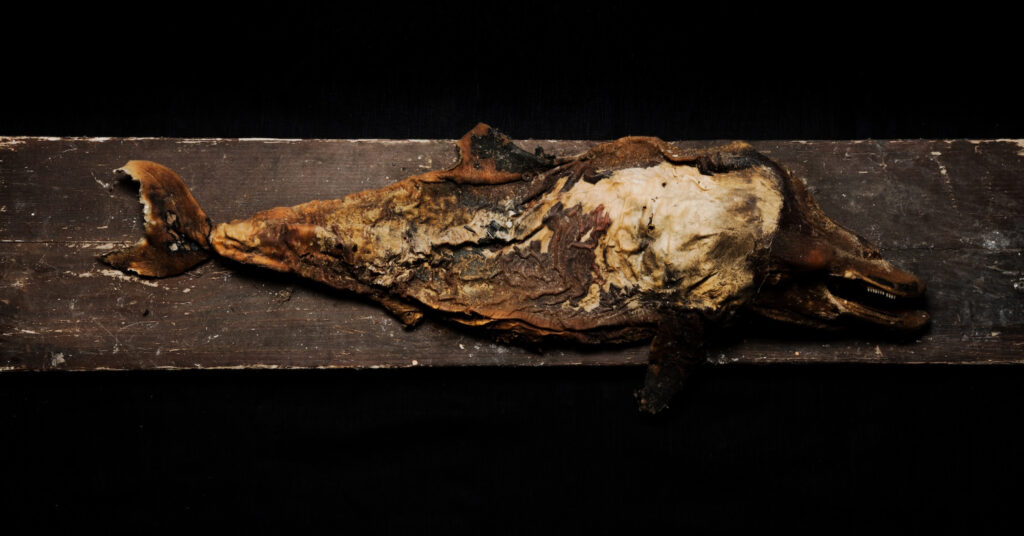
Behind the Black Wave
Russian military sonars destroy life underwater. Since 2022, about 60,000 dolphins have died. Photography project by Valentyna Polishchuk
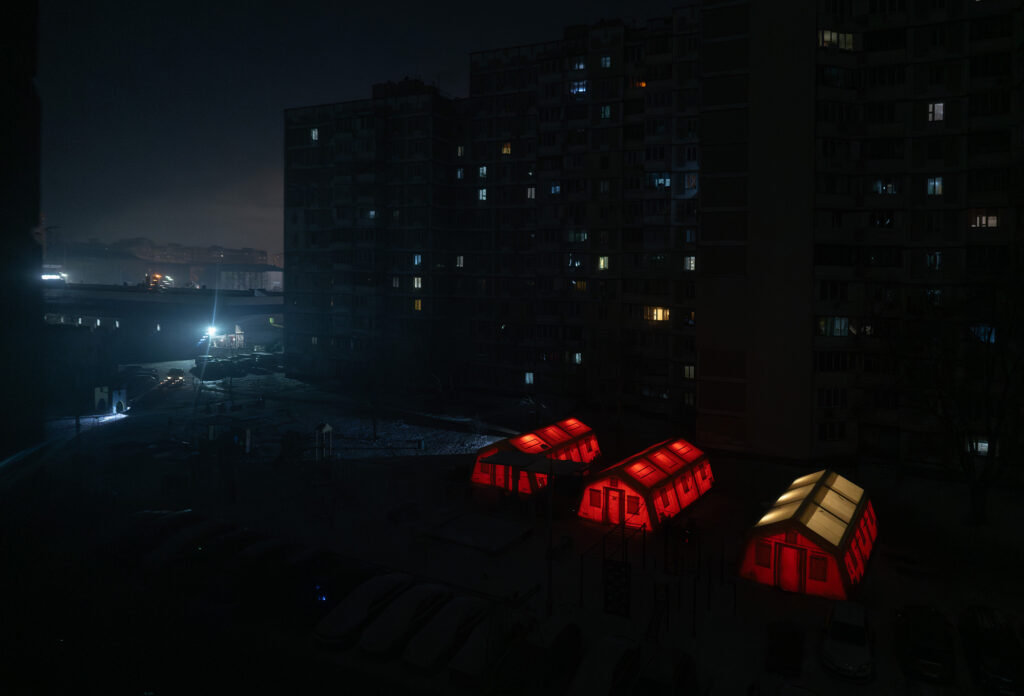
Fighting for Heat and Light
A rescuer’s evening — between a game with his son and the next shift. Photos by Danylo Pavlov and Pavlo Petrov