Russian military sonars destroy life underwater. Since 2022, about 60,000 dolphins have died. Photography project by Valentyna Polishchuk
Valentyna Polishchuk
27.03.2026
Valentyna Polishchuk
27.03.2026
This photo story was produced within the fellowship program for emerging photographers, initiated by the independent documentary project “Living the War” and supported by the International Renaissance Foundation.
From a pool of 150 applicants, six photographers were selected to develop their individual themes over four months under the mentorship of industry experts, including Mykhaylo Palinchak and curator Kateryna Radchenko.
The final works debuted at an exhibition in the M. M. Gryshko National Botanical Garden of the National Academy of Sciences of Ukraine, made possible with the support of Nova Ukraine.
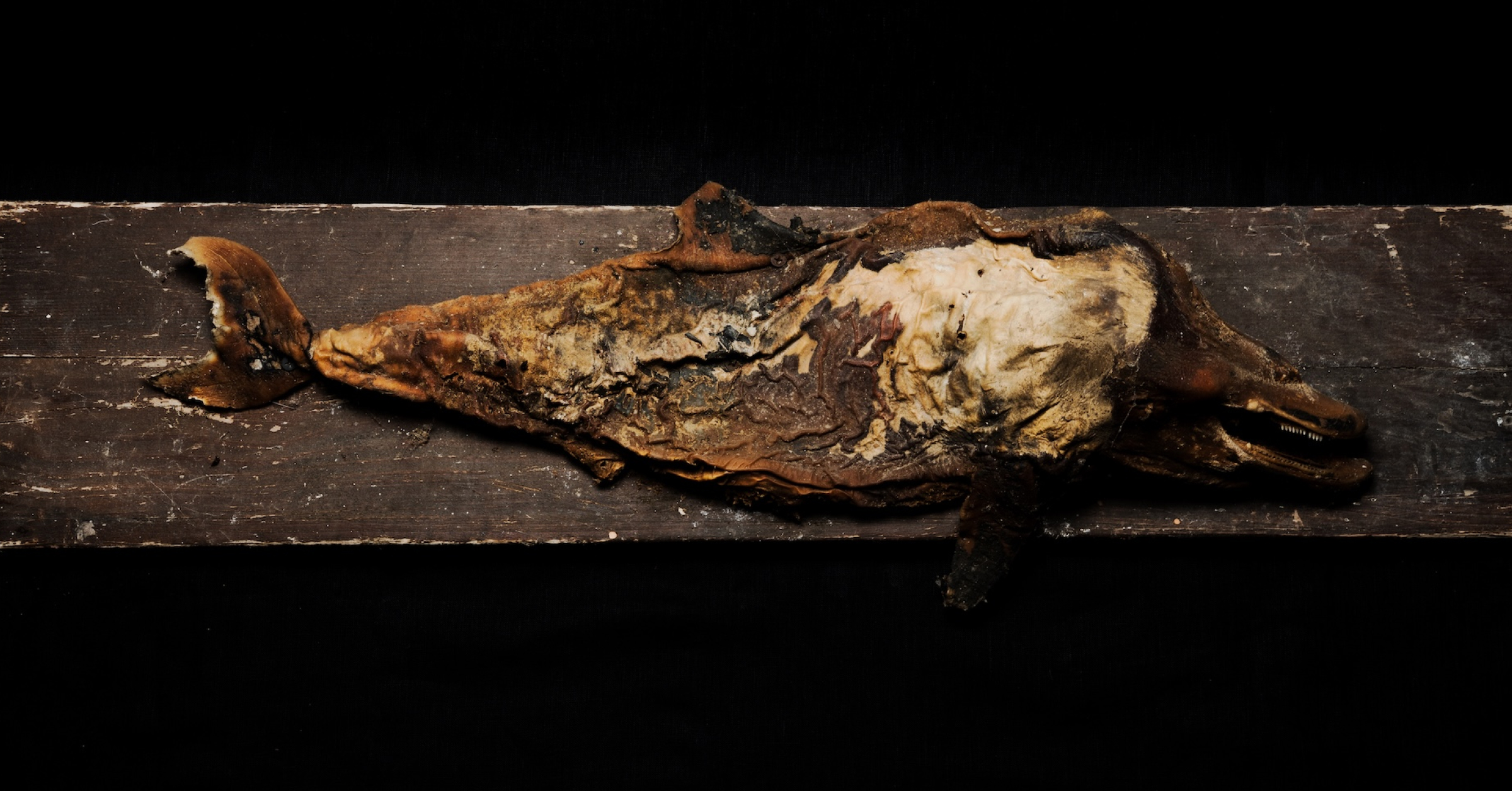
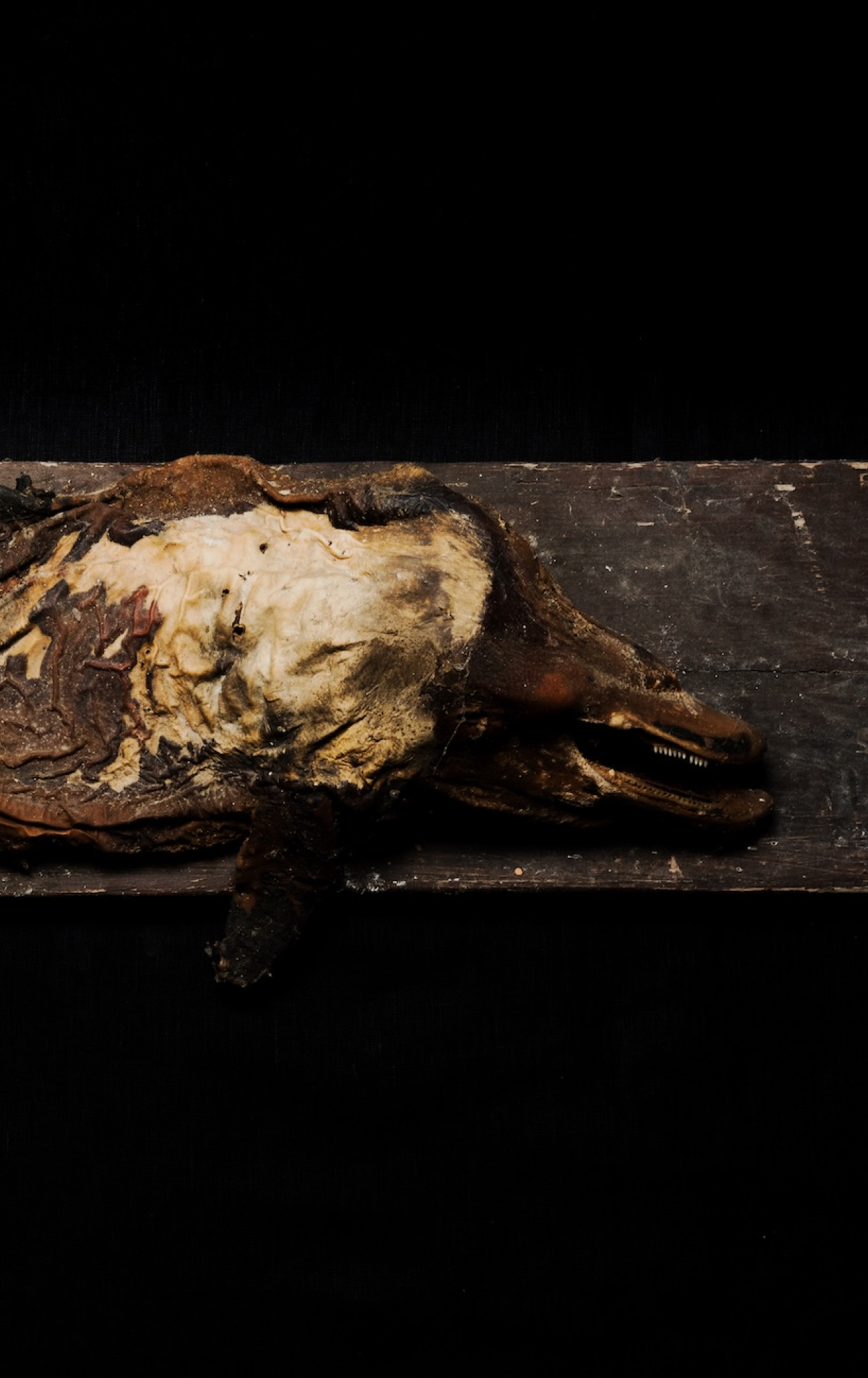
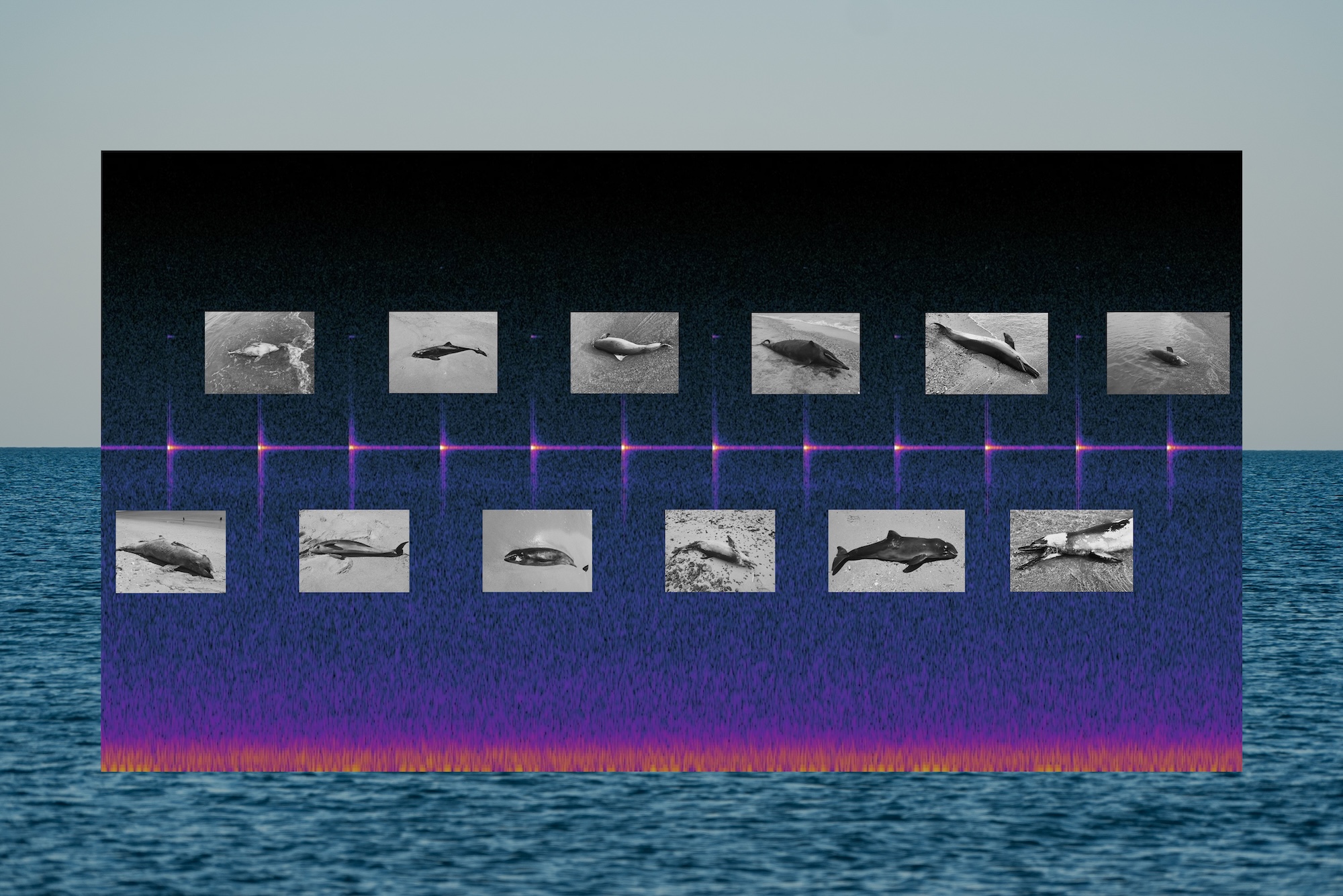
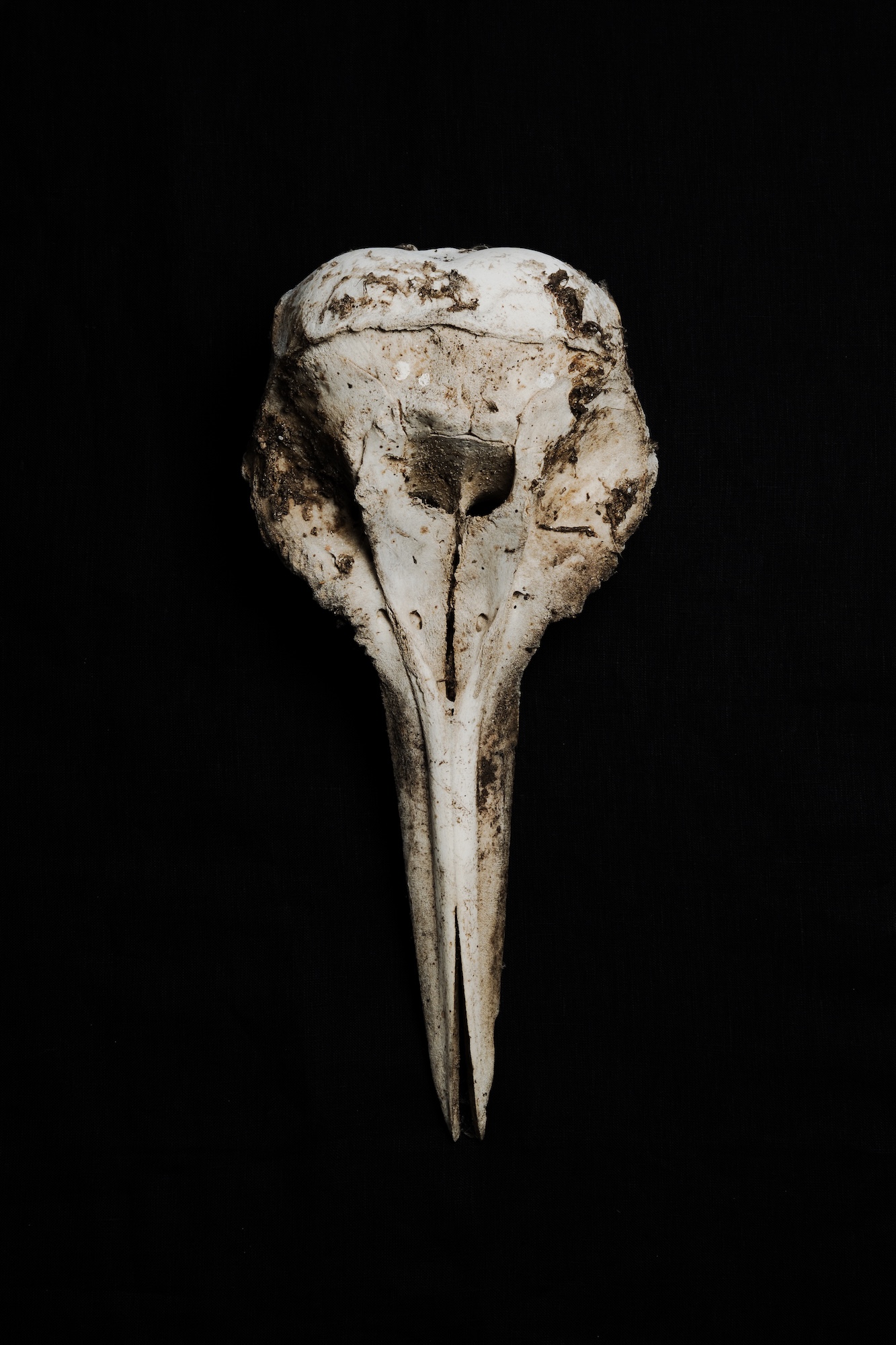
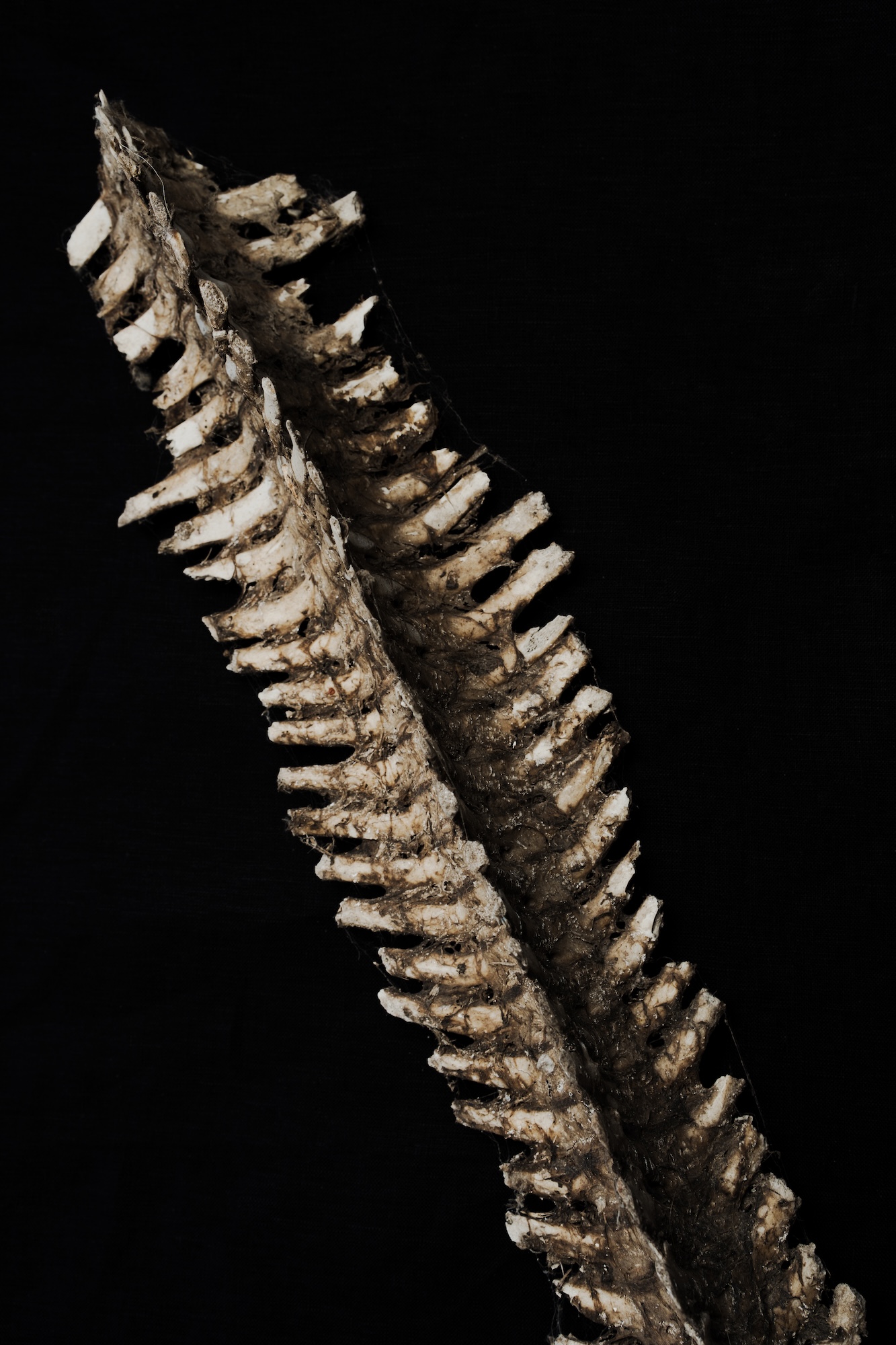
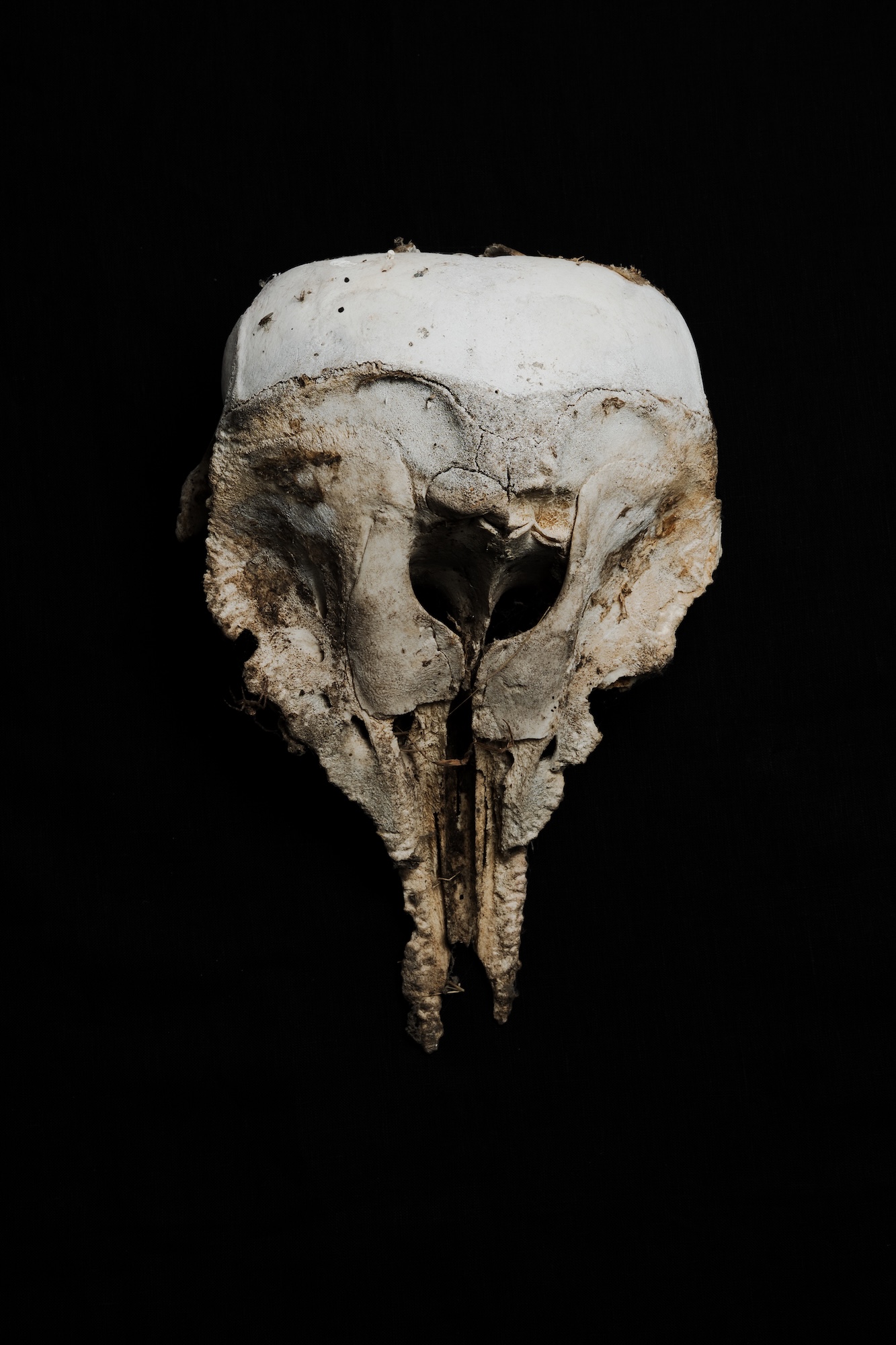
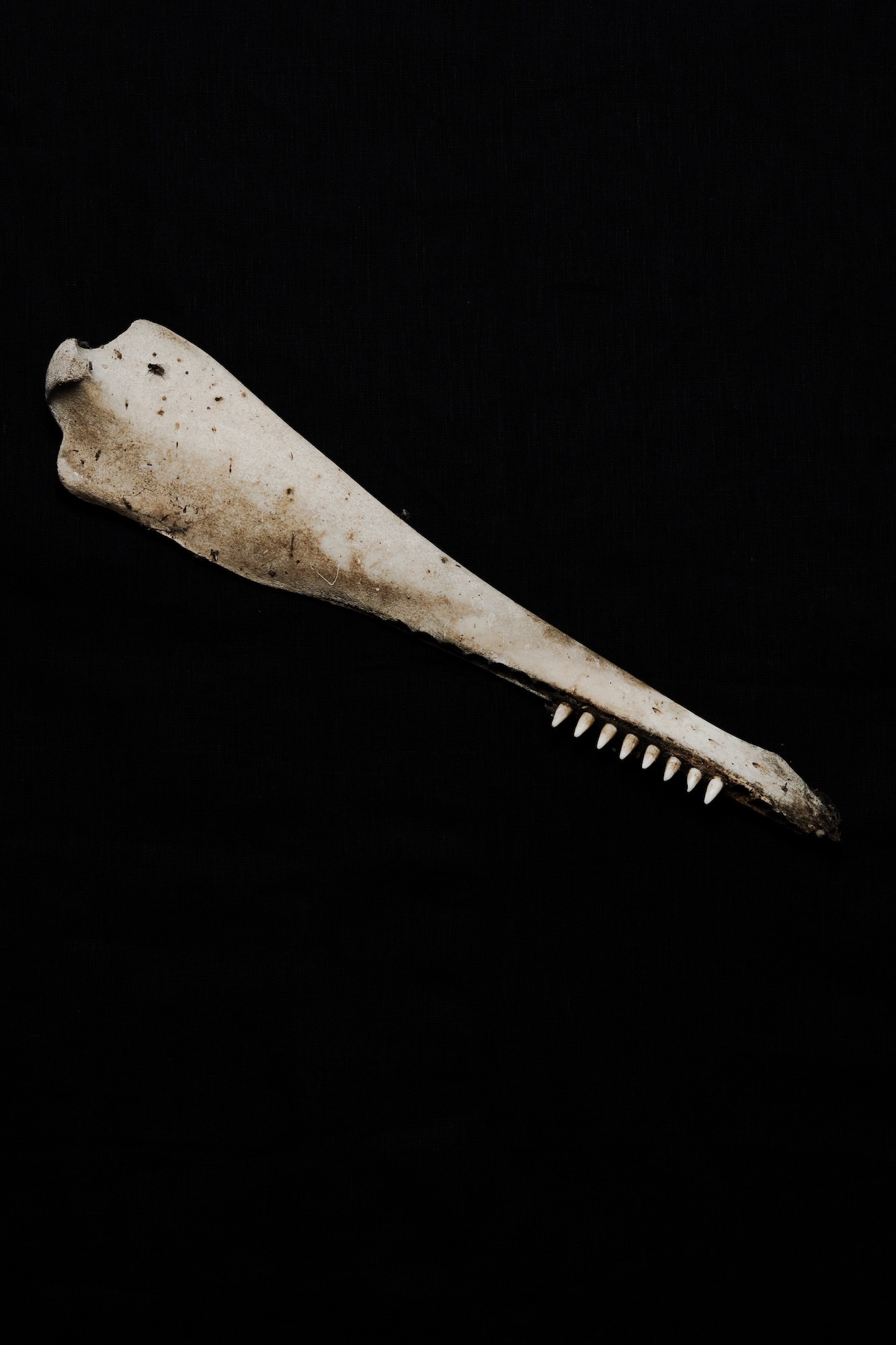
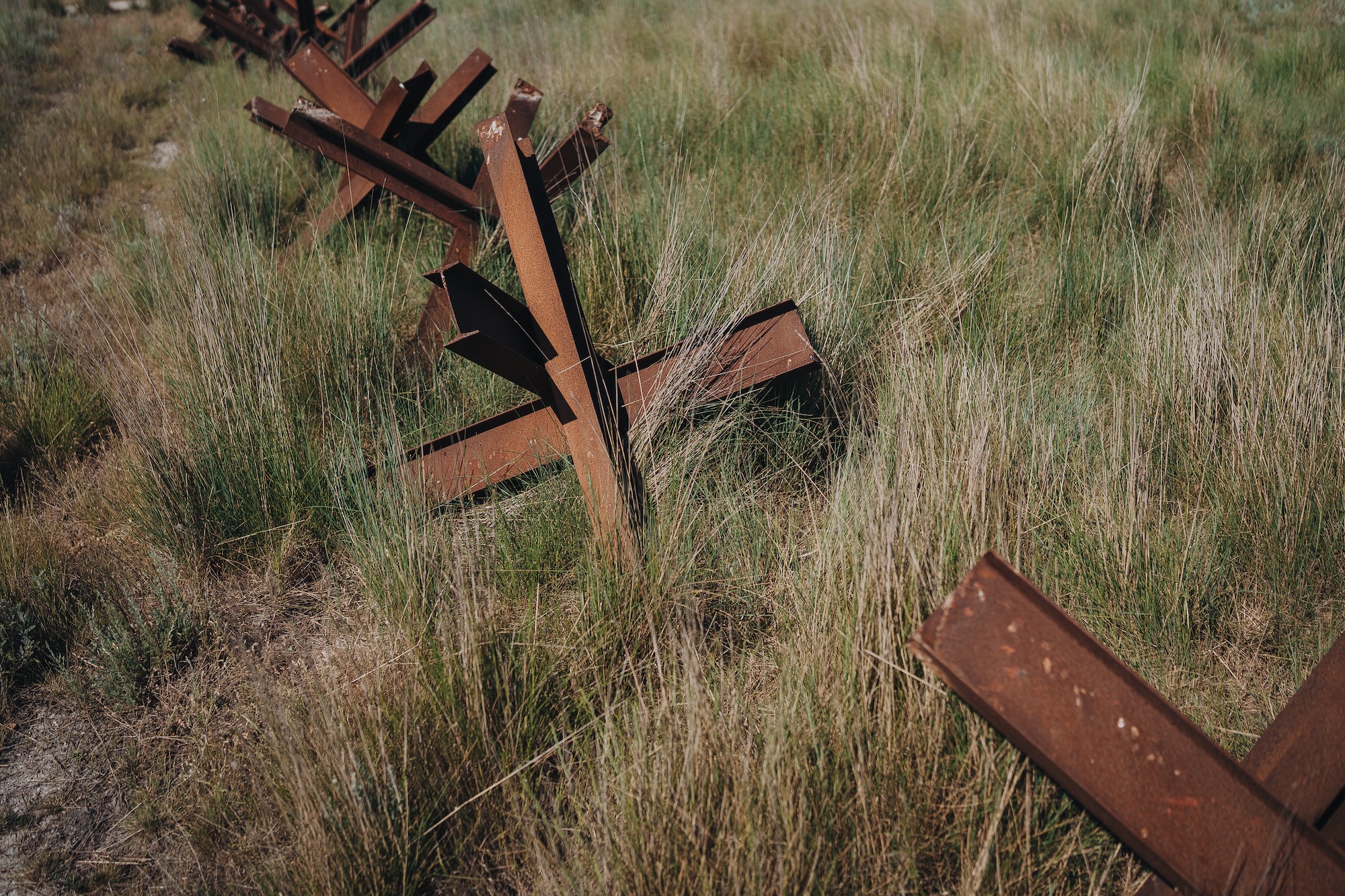
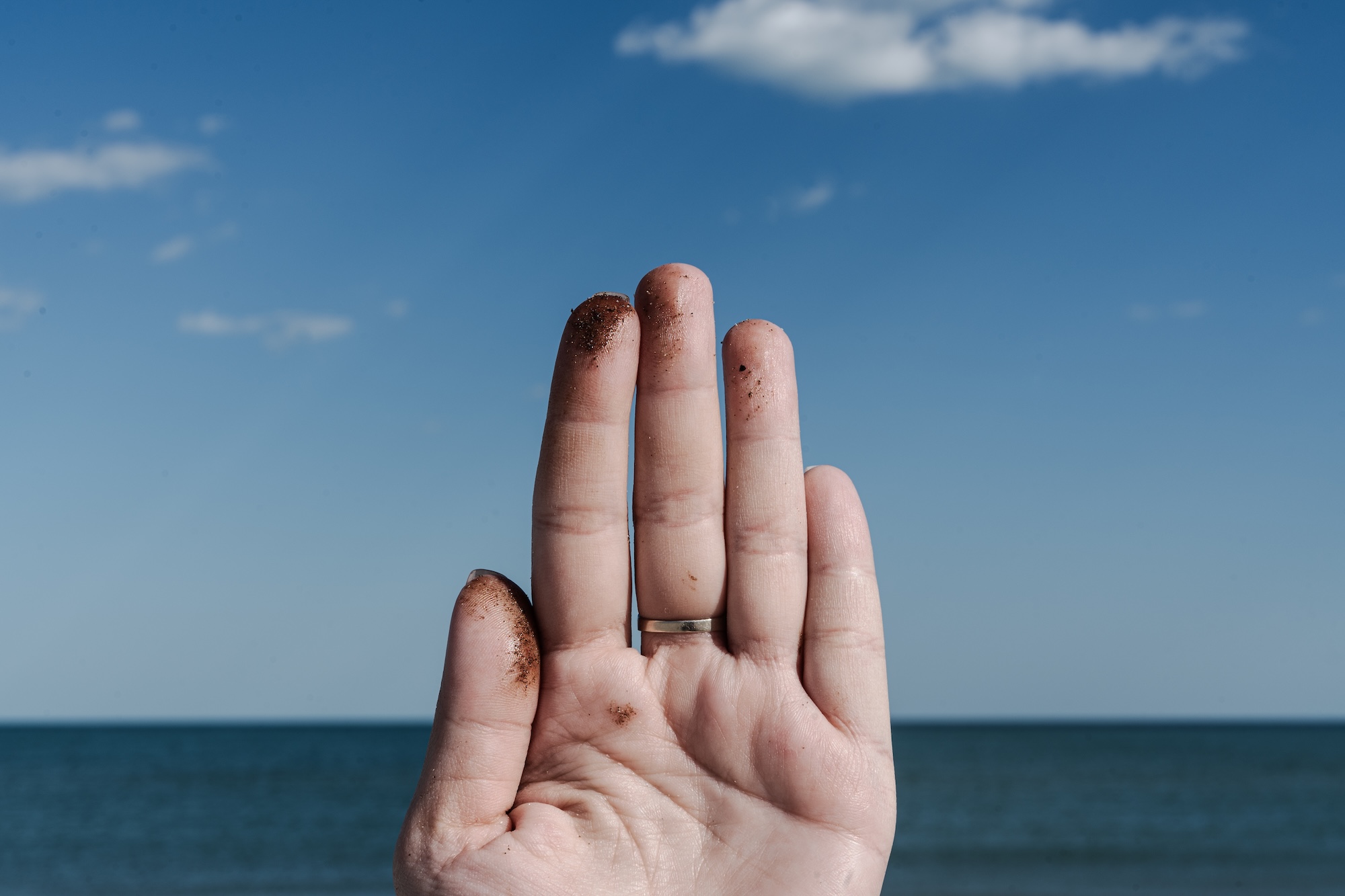
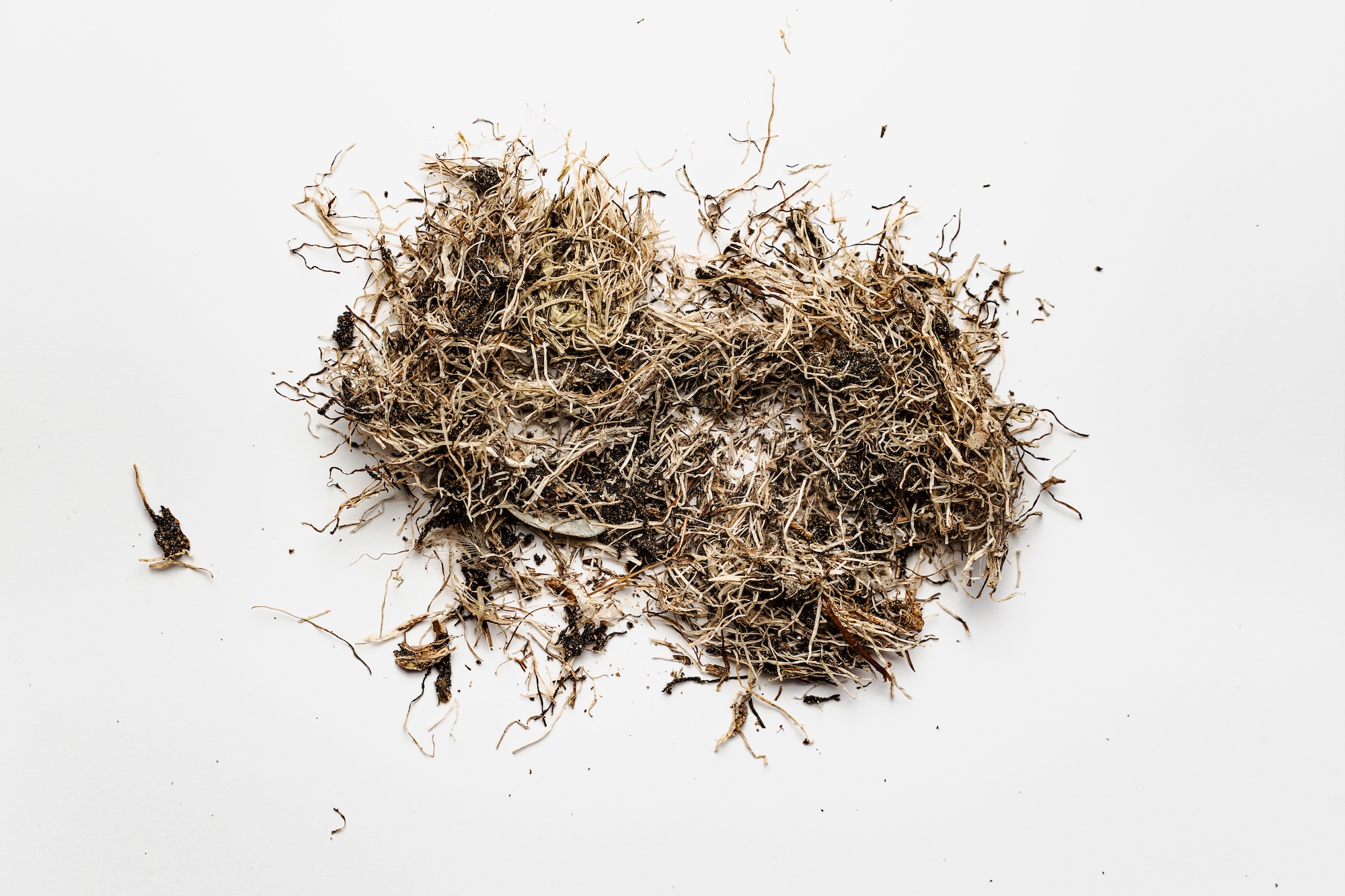
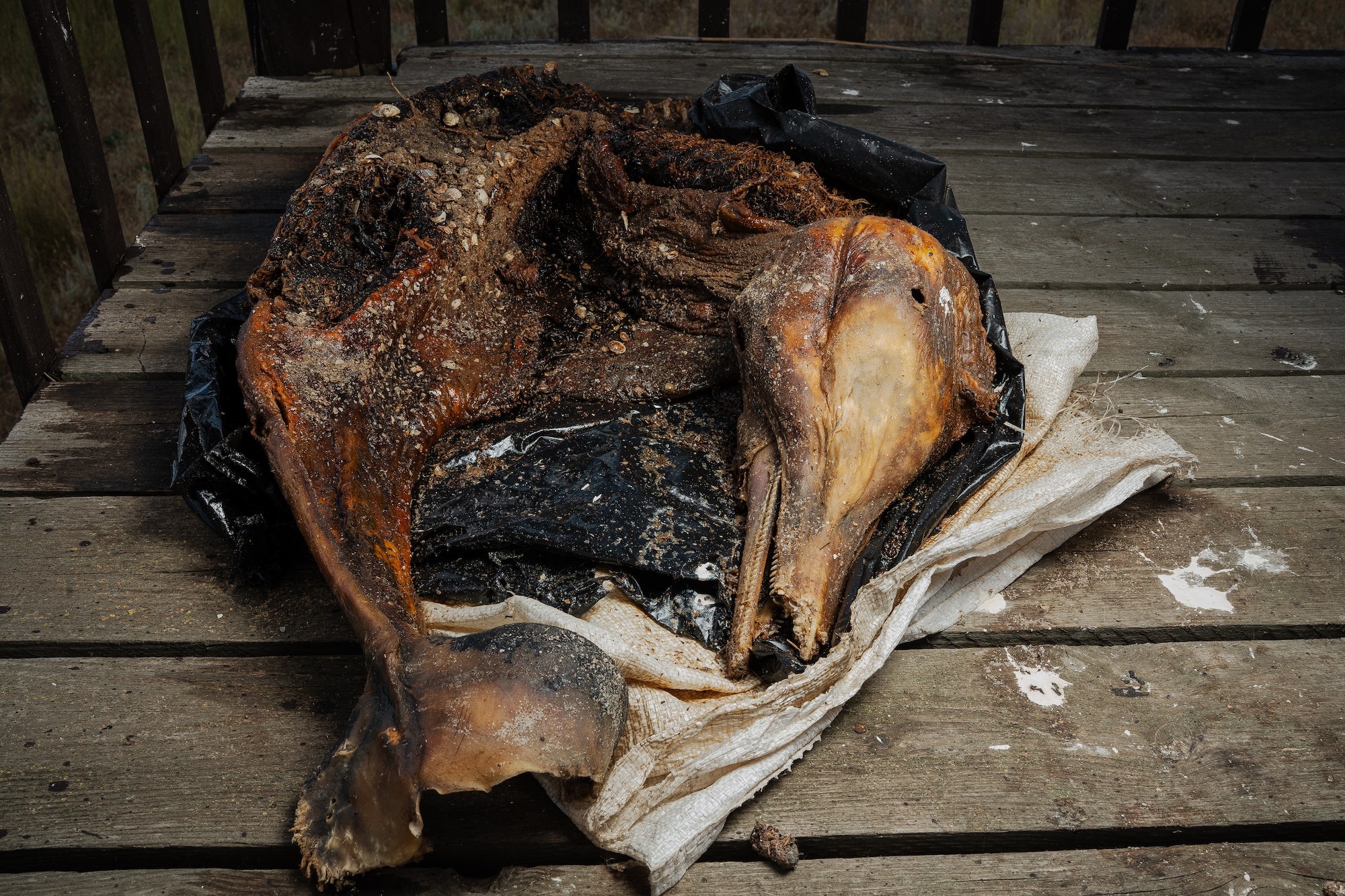
Due to military actions, the sea has suffered a severe blow, and marine mammals — bottlenose dolphins, common dolphins, and harbour porpoises — have been affected the most. Explosions, sea mines, fuel oil spills, and especially military sonars destroy life underwater. Since the beginning of the full-scale invasion, about 60,000 dolphins have died.
The Russian fleet uses high-frequency hydroacoustic sonars that produce sound waves dozens of times louder than normal ocean noise. For dolphins this means losing the ability to navigate, communicate, hunt, and find food. Disoriented animals often wash ashore. Dolphin populations are declining even in regions far from the frontline.
According to conservationists, population recovery may take decades — and only if hostilities cease immediately and the waters are cleared. Their disappearance will disrupt the food chain, increase diseases among marine animals, and worsen the overall condition of the Black Sea, affecting both biodiversity and people who depend on its resources.
The first dead dolphin in Ukraine was found on March 27, 2022 — the 32nd day of the full-scale war. There were no visible injuries on its body. Studies conducted in foreign laboratories confirmed death caused by sonar exposure. Today, every case of marine mammal death is recorded and submitted to the prosecutor’s office under Article 441 — “Ecocide.”
War in the Black Sea is a death that cannot be heard. Sonars cut through the water like blades, oil slicks suffocate it. The black wave rolls on — and the sea will never be the same again.
Valentyna Polishchuk (1998) is a Ukrainian documentary and reportage photographer. She lives and works in Kyiv. She has worked in journalism since 2021. She is a photo editor and photographer for the media outlet The Ukrainians and the literary reportage and documentary photography magazine Reporters.
Her work focuses on documentary and socially engaged photography. At the center of her attention are individuals during historical turning points, the everyday life of society and the environment during the full-scale war, as well as experiences of loss, military service and volunteer work.
Breathing new life into a neglected estate means recovering forgotten fragments of history
Olga Myrovych, Polina Polikarpova
The Men Who Turned FPV Drones into Weapons
Driven by a shortage of artillery shells the new generation of Ukrainian soldiers sought ways to defend themselves against the Russians — and rewrote the rules of modern warfare
Kostiantyn and Vlada Liberov, Sofiya Varzar
‘Why Don’t You Leave?’ — ‘Where Would We Go?’
Druzhkivka: yet another town in Donetsk Oblast being erased from the Earth
Mykova Oliynyk
Думки
What I Dream Of
Thinking about the future, hoping for the future, fearing the future — these are uniquely human traits
Volodymyr Yermolenko, Vadym Blonsky
Calling Things by Their True Names
Hope is not assuming that everything will be all right. Hope is a deeply held belief that all our efforts have meaning
Oleksandra Matviichuk, Vadym Blonsky
Remain Partially Soft
On Ukrainian women who grew armor over their skin
Alina Sarnatska, Vadym Blonsky
Інтерв’ю
‘What If the Roof of Westminster Abbey Were Burning?’
Charlotte Higgins, Chief Culture Writer for The Guardian and author of “Ukrainian Lessons,” on translating experience and the art that will shape the memory of war
Olesya Yaremchuk, Julia Kochetova
Fiona Greenland: ‘Documentation serves to affirm that these works and people existed’
A researcher of cultural heritage on culture as a target and literature as a weapon
Ivan Haivanovych, Iryna Dzvonkovska
Jonathan Krause: ‘People may not realize it, but they influence the war in a million small ways’
A war historian on the psychology of empire, the past and the future
Ivan Haivanovych, Valentyna Polishchuk
Спадкоємці
Шістнадцятий номер журналу літературного репортажу та документальної фотографії Reporters — про тяглість поколінь, яку в нас відібрали, і спадок, який ми знову набуваємо і прагнемо передати нащадкам.
Меншовартість, яка доймає багатьох українців, тягнеться звідти — від пограбованих і вбитих людей, наших предків, які в кожному поколінні мусили вибудовувати все з нічого, а не множити традицію.
Сьогодні ми — чи не перше за довгий час покоління, яке знову має що передати, ба більше, навіть зачерпнути трохи спадку з минулого. Покоління, якому дістанеться цей спадок, частково вже тут — і от-от прийме на себе країну. Ми ще не знаємо, якою вона стане для них: країною війни чи країною після війни. Що опиниться в руках і на плечах цих людей — матеріально й морально, — значною мірою залежить від нас.