I never dreamed of owning my own bookstore. I wasn’t interested in opening yet another shop, another café, or another so-called “place with good vibes.” What I wanted was to create a place the local community could truly call its own — and where the Ukrainian language could claim total dominance.
I grew up in Mykolaiv and heard Ukrainian only from relatives who lived in the countryside, in Ukrainian literature classes, or on television. In high school, I transferred to a lyceum where classes were taught in Ukrainian, but during breaks, we all still spoke Russian. At my university, most professors spoke Russian as well. Every attempt I made to switch to Ukrainian in everyday life was met with either ridicule or confusion. After moving to Kyiv in 2014, right after the Revolution of Dignity, I hoped to find myself in a Ukrainian-speaking city — but that didn’t happen. I ended up practicing my Ukrainian mostly with customer service staff in shops and cafés.
About a year after our first son, Orest, was born, my wife and I made a decision: with him, we would speak only Ukrainian, knowing that he would — unfortunately — pick up Russian on his own anyway. The war was already underway, and we saw no prospects for him in the Russian language. A year later, Oles was born into a fully Ukrainian-speaking family. That’s how my first “language bubble” came to be.
Next came the idea for Sens — a bookstore where the Ukrainian language, Ukrainian books, independent thinking, and lively dialogue form the heart of the community. I didn’t want a “patriotic scene;” instead, I envisioned an environment where Ukrainian is spoken not out of obligation, but because it feels natural — where literature isn’t a prop, but a gateway to public conversation.
We opened in December 2021, just two months before the full-scale invasion, and when it began, none of our neighbors, jumping into action, had any doubt about where to congregate. Sens wasn’t just a “wartime business” — it became a place that offered a sense of belonging, first for volunteers, then for readers, and later for people who needed an environment that could support and empower them.
And then, something happened. In a space where the rejection of all things Russian was built in from its inception, a community naturally formed — one that began to shape new cultural expectations. People didn’t just come for books; they came for validation —
that speaking Ukrainian is neither shameful, nor risky, nor inferior. It is modern, compelling, and varied. It is simply who we are.
Over time, I came to realize that a strong Ukrainian book market won’t emerge on its own. If we don’t build the physical, economic and emotional infrastructure to support it, it will be pushed aside by habit, convenience, and imported literature. For too long, we’ve lived with the assumption that Ukrainian means “less” — less quality, less variety, less credibility. Changing that perception requires not slogans, but experience.
With this in mind, the book business ceases to be mere commerce. It becomes about setting a standard — about recognizing that translations of world-renowned philosophy can be published in Ukrainian not “just so we have it,” but because it’s the language in which people think, or that contemporary Ukrainian poetry can sell just as well as trendy foreign prose; that readers themselves can set the bar — the bar of dignity — for what they read, buy, and discuss.
It turns out that the demand for this kind of standard ran far deeper and wider than I had imagined. And it’s certainly not limited to Kyiv. Sens has become a place of strength and a center of gravity for many — for those who had never bought books in Ukrainian before, for those seeking an understanding of Ukrainian identity through text and for those who simply wanted to be immersed in a Ukrainian environment that doesn’t seek to justify itself, or feel the need to explain itself — that isn’t ashamed.
The dream of a safe linguistic space eventually grew into a form of cultural infrastructure. And the more we invested in it, the clearer it became: we’re not exceptional — there could be dozens of places like this. Hundreds. What they need in order to emerge are the right conditions, visibility and trust.
I still don’t know exactly how to define what we’ve created. It’s not just a bookstore. Not just a café. Not just a cultural center. But I know one thing for certain: a place where the Ukrainian language is spoken without needing to be defended contributes to changing this country, and there should be many more places like it.
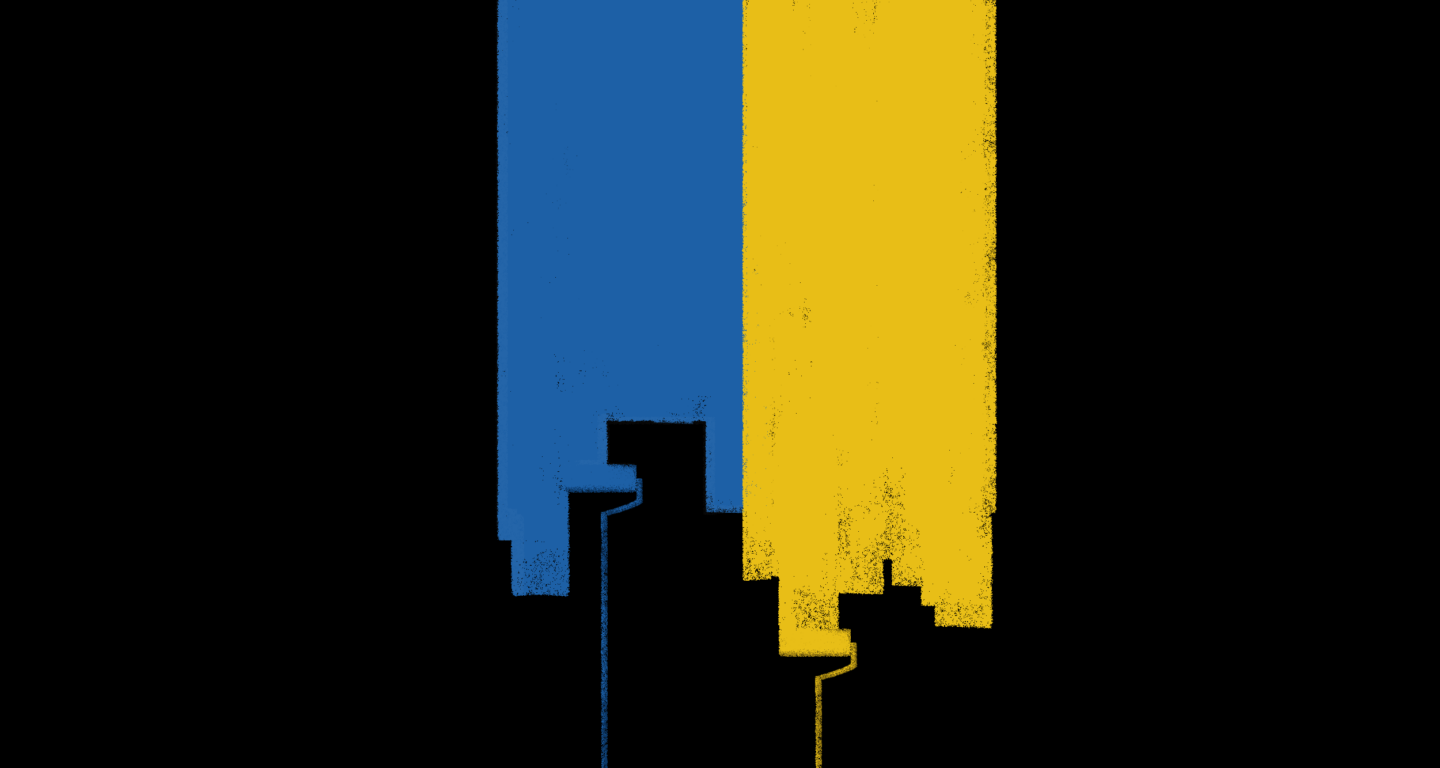
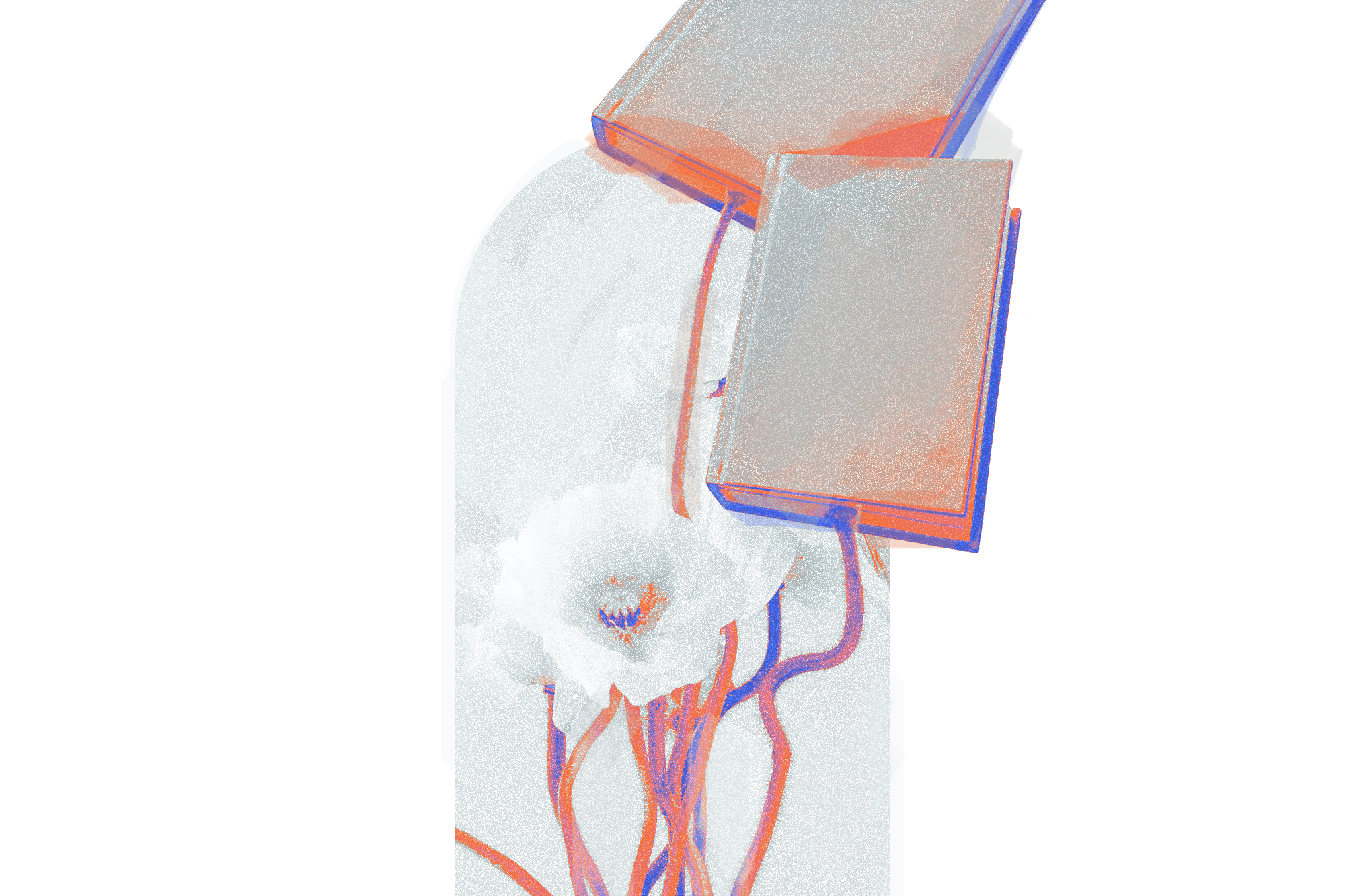
Illustration by Vadym Blonskyi
Translation from the Ukrainian by Liubov Kukharenko