I have been working with survivors of captivity for over eleven years. Most of these men and women endured torture and inhumane treatment. What the Russians have done to their prisoners is incomprehensible. Survivors have told me that the only time they saw medics was during torture — when they lost consciousness, the so-called “medics” were there to revive them, so the torture could continue.
When there is nothing left to hold on to, we find strength within ourselves.
Within us lie the answers to the hardest questions: Is there any point in continuing to live like this? Why must I endure this? What am I going through all of this for?
Every abstract notion that never became a guiding principle — that remained nothing more than a fleeting impulse — quickly fades and vanishes beneath a surge of electrical current through the genitals. Righteous slogans and beautiful words that were never truly lived, never absorbed into one’s system of values, begin to sound false and off-key, like a broken piano. The only thing one can rely on is what is rooted deep within — whatever gives real meaning to words like “responsibility,” in practical, everyday, lived expressions of the word.
That is why survivors say they endured by holding on to concrete things: the home they were defending, the families they were responsible for, the children they longed to see one day. This is the language of dignity and love. And even if these words may sound dry or brittle, it is because of them that we hold on still.
For millions of Ukrainians, the full-scale invasion marked the collapse of everything we once called normal life. We are a country with a post-colonial legacy, one that had not yet been fully reclaimed when we were swept up into the cyclone of a brutal war of extermination. Yet we proved strong enough to reject the role of perfect victim and to resist the invaders.
“What is it all for?” is not a question for our future, but for our present. Answering consciously makes us stronger.
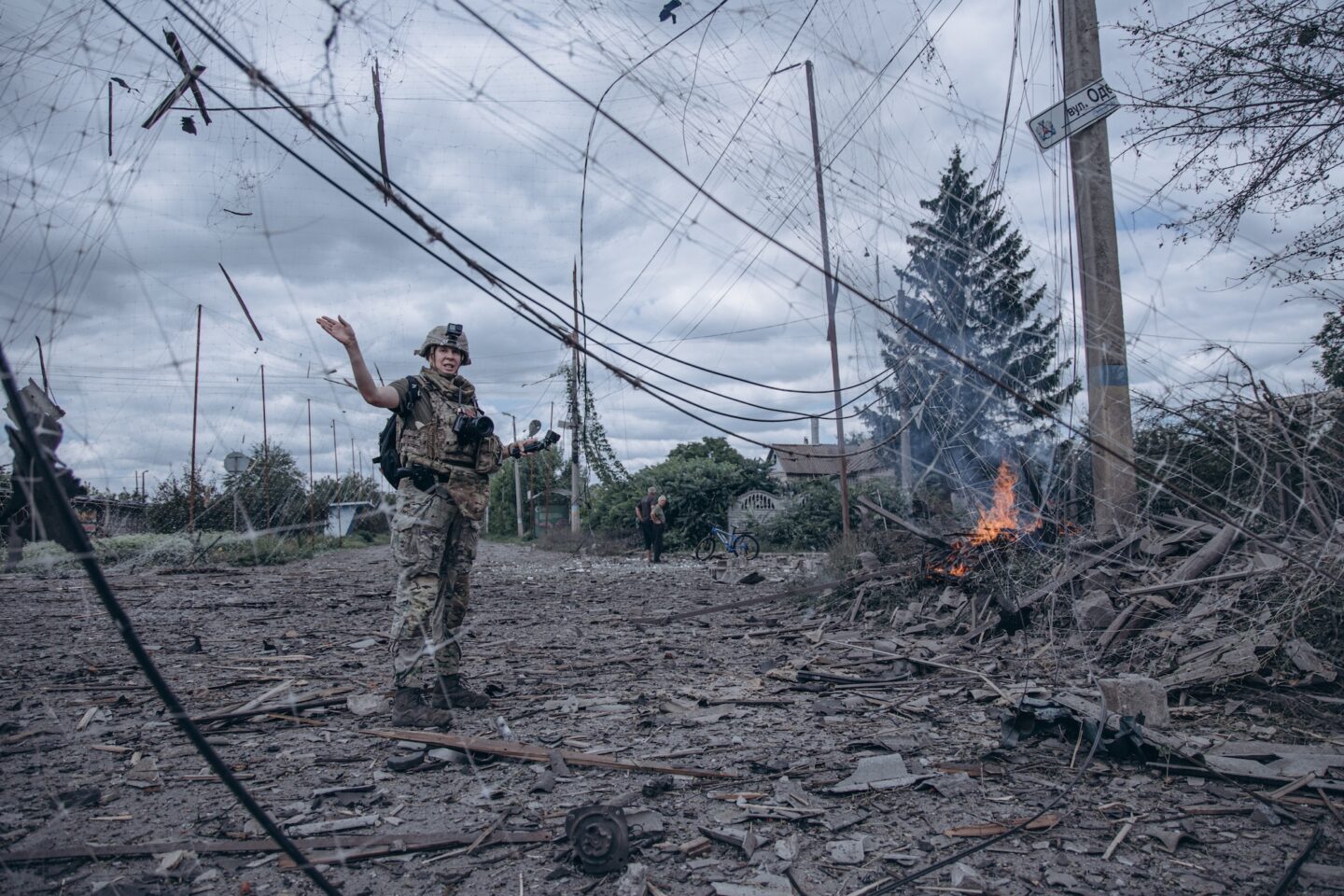
Talking about this with a colleague, she shared a story with me. When Russians struck Okhmatdyt Children’s Hospital, which treats kids with cancer, she, like many Kyiv residents, went to help clear the rubble. There, she saw a group of kids working alongside the adults. The police later told her that children often come to help at strike sites. My colleague decided to ask why they were there. They answered confidently that the Russians were trying to destroy “our order of things,” but that they would not let that happen.
The kids spoke of “our order of things.” And if you’re a parent of a modern teenager, you know that they don’t mean cleanliness. They have clearly understood — and are already articulating — that we see the world differently from the Russians. The way we see the world shapes our decisions and our actions. And ultimately, it determines the life we will live.
A nation’s worldview always reveals itself in concrete details — once again, in everyday life. The scholar and theologian Ihor Kozlovskyi once explained this to his students in Donetsk by describing the difference between a Ukrainian and a Russian village. In Ukrainian villages, every family grew flowers on the porch. The barn stood separate from the living quarters. Even the poorest cottage was whitewashed and decorated for Easter. Food and refreshment were offered first to guests and to children. The language itself was rich in diminutive, softening suffixes. Women’s voices were respected — not in an electoral sense, but for the role they played in society. And freedom was understood as a natural human aspiration.
Every nation is a narrative — a story we tell about ourselves. Yet, for centuries, Ukrainians lived in the shadow of the Russian Empire. An empire is not only about controlling land, resources, and people — it is also about controlling how we speak about one another. It is about claiming the power to name things and to explain the world.
We entered the full-scale war as a society without a context. People on other continents knew of our part of the world only because Russia was in it. Our history was not written by us. We are a country whose literary classics have barely been translated. I still get asked whether it’s true that the Ukrainian language is different from Russian.
One could say it’s a miracle we survived. But we survived only because the generations before us refused to give up. This is not merely a source of inspiration — it is a responsibility.
For Ukrainians, this war is genocidal. Putin openly claims that there is no Ukrainian nation, no Ukrainian language, no Ukrainian culture. For years, we have documented how these words translate into horrifying realities. In the occupied territories, Russian forces physically eliminate public figures — mayors, journalists, artists, clergy, teachers, entrepreneurs. They ban the Ukrainian language and culture. They steal or destroy Ukrainian heritage. They force Ukrainian men into the Russian army. They take Ukrainian children to reeducation camps, where they are told they are not Ukrainians but Russians, that their parents and families have abandoned them, and that they will be adopted into Russian families and raised as Russians.
The Russians understand one simple truth: to destroy a nationality, you don’t need to kill all its members. You can also destroy its identity. You can erase a people’s unique vision and way of interacting with the world. And once that is done, that nation will cease to exist.
Our children speak the truth. We are defending “our order of things.” The freedom to be an independent country, not a Russian colony. The freedom to preserve our own identity, not see Ukrainian children reeducated as Russians. The freedom to choose our own path — a chance to build a country where everyone’s rights are protected, the government is accountable and transparent, the courts are independent, and the police do not beat protestors or break up student demonstrations on the Maidan.
These high-level concepts can be broken down into simple, everyday realities: Living without fear of violence. Having your own opinion. Changing the government. Building a family. Raising children. Dreaming about the future.
We fight not just because we are not them, but because we are defending values that are incompatible with the Russian way of life.
We are not hostages to circumstance, but participants in this historic process. Dignity gives us the strength to fight even when the challenges seem insurmountable. This is our land and our order of things. And behind us stand generations of our ancestors.
The understanding of what this is all for gives us strength and a second wind to continue on in the fourth year of a full-scale war that has been fought for the last three centuries.
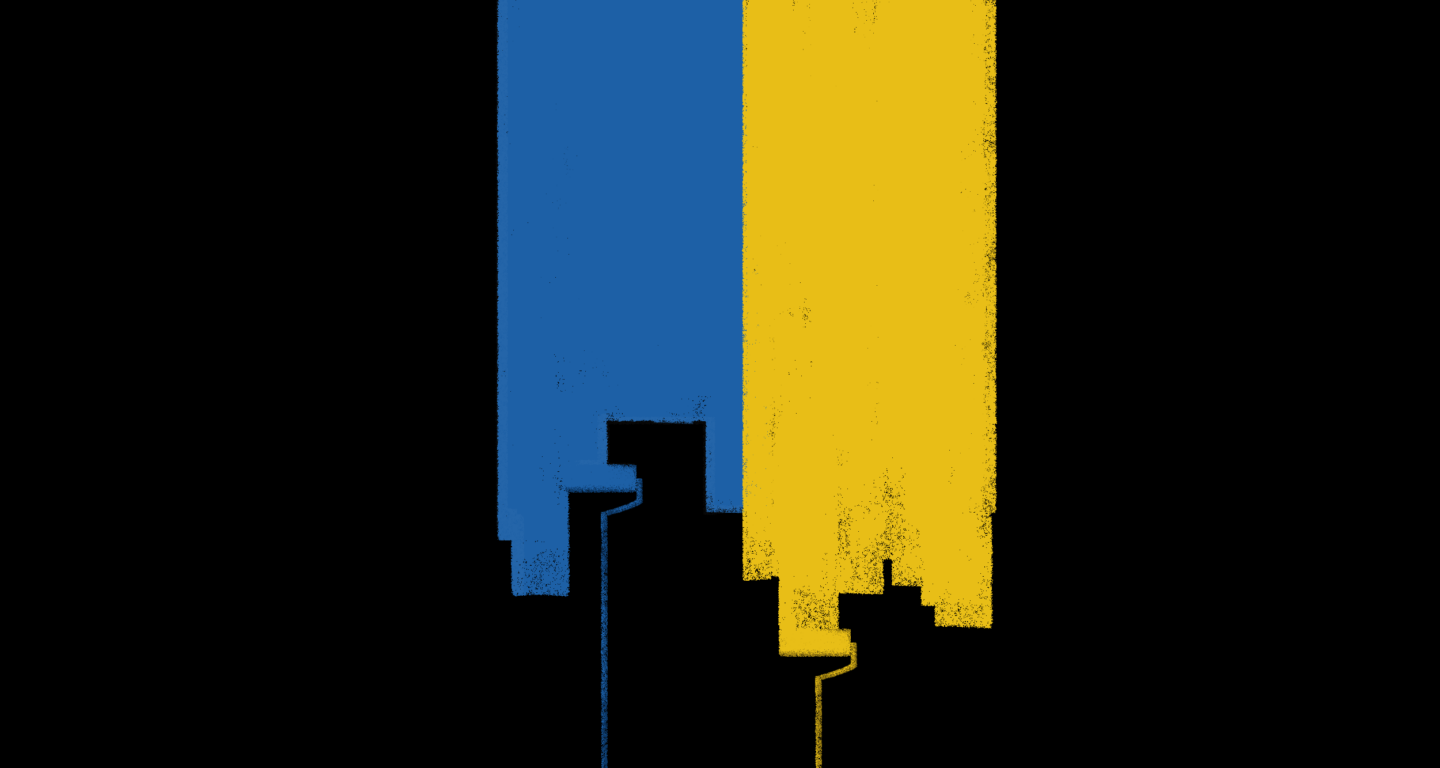
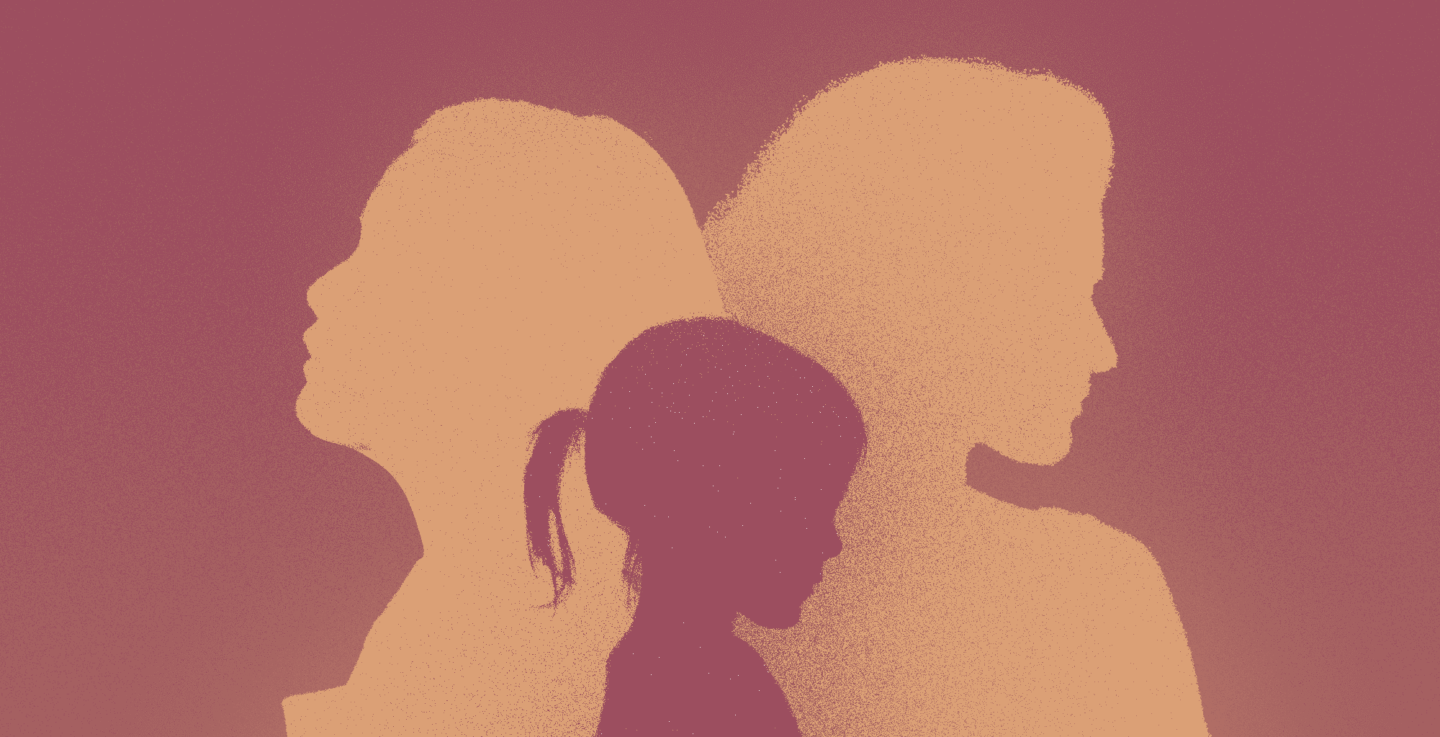
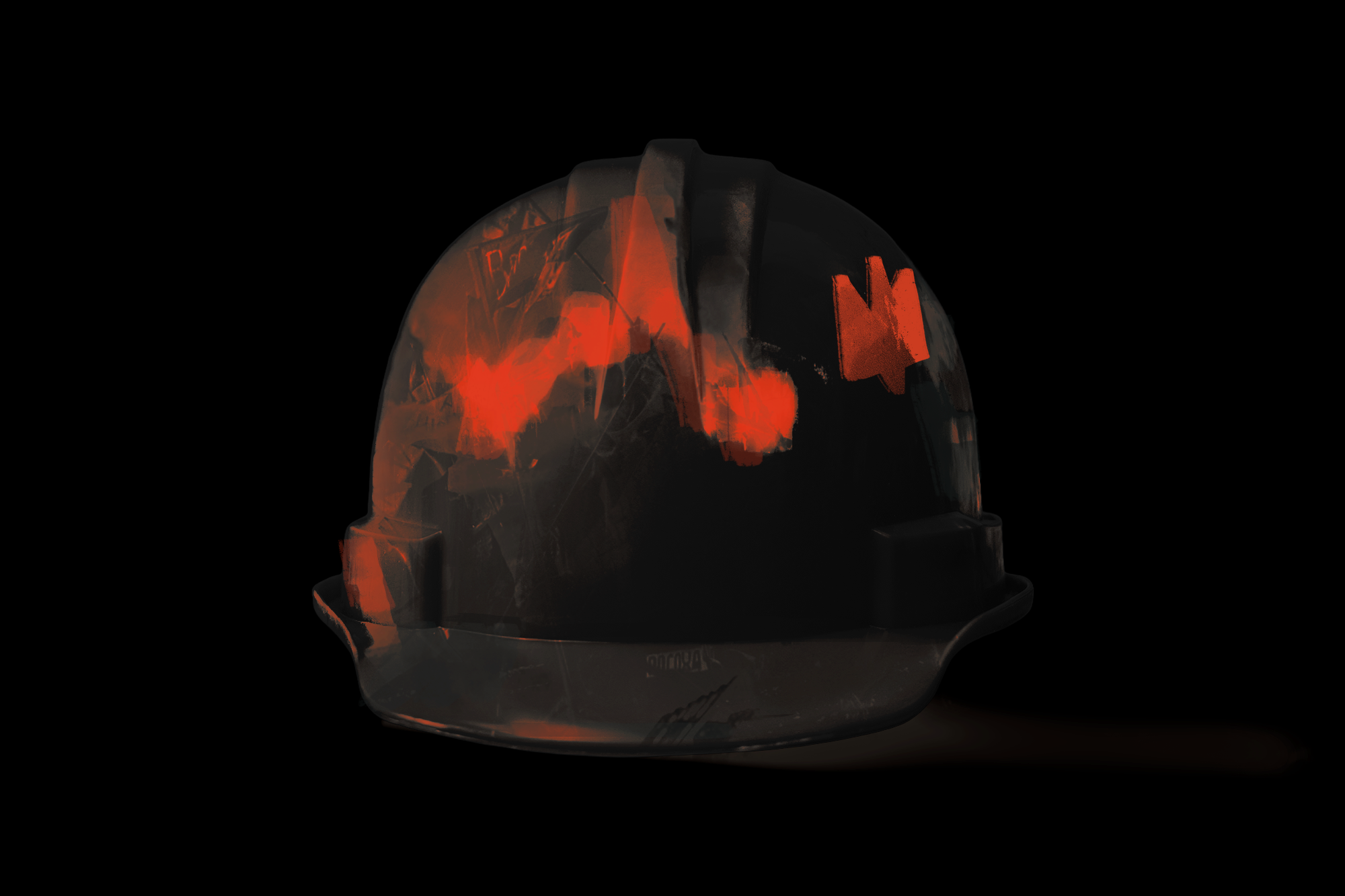
Illustration by Vadym Blonskyi
Translated from the Ukrainian by Liubov Kukharenko