From Mailbox No. 71
1.
My only inheritance from my grandparents is a foreign last name, a toothy smile and a belief in true love. That belief is woven into a dozen handwritten letters that I keep in a special box, alongside notes from school friends, yellowed newspapers featuring my first published writings, photos of exes and a lilac veil from my own bachelorette party. Of all these mementos, the letters are my most precious treasure.
When I was a teenager, whenever I stepped into the cool entryway of my building and waited for the elevator, I loved to dash up to the landing between floors, slip my deft fingers into letterbox No. 71 and retrieve the correspondence without unlocking it. Sometimes the envelopes arrived stamped with the sender’s address from Zaporizhzhia, where the Dnipro River is at its widest; other times, from Irkutsk, the capital of Eastern Siberia. As the middle of three granddaughters in our young family of “Soviet” engineers with anti-Soviet views, I was responsible for keeping up a correspondence with both grandmothers, separated by 6,000 km and a border.
2.
My father’s side
“Dear Sasha, we’ve spent so little time together with you. [The original letters were written in Russian — Ed.]. You’ve been living in Ukraine since you were 17. We rarely see each other, so our lives carried on separately from yours,” my grandmother Asya writes to her son. It took a week by train to get from the city where he went to study to his parents’ home.
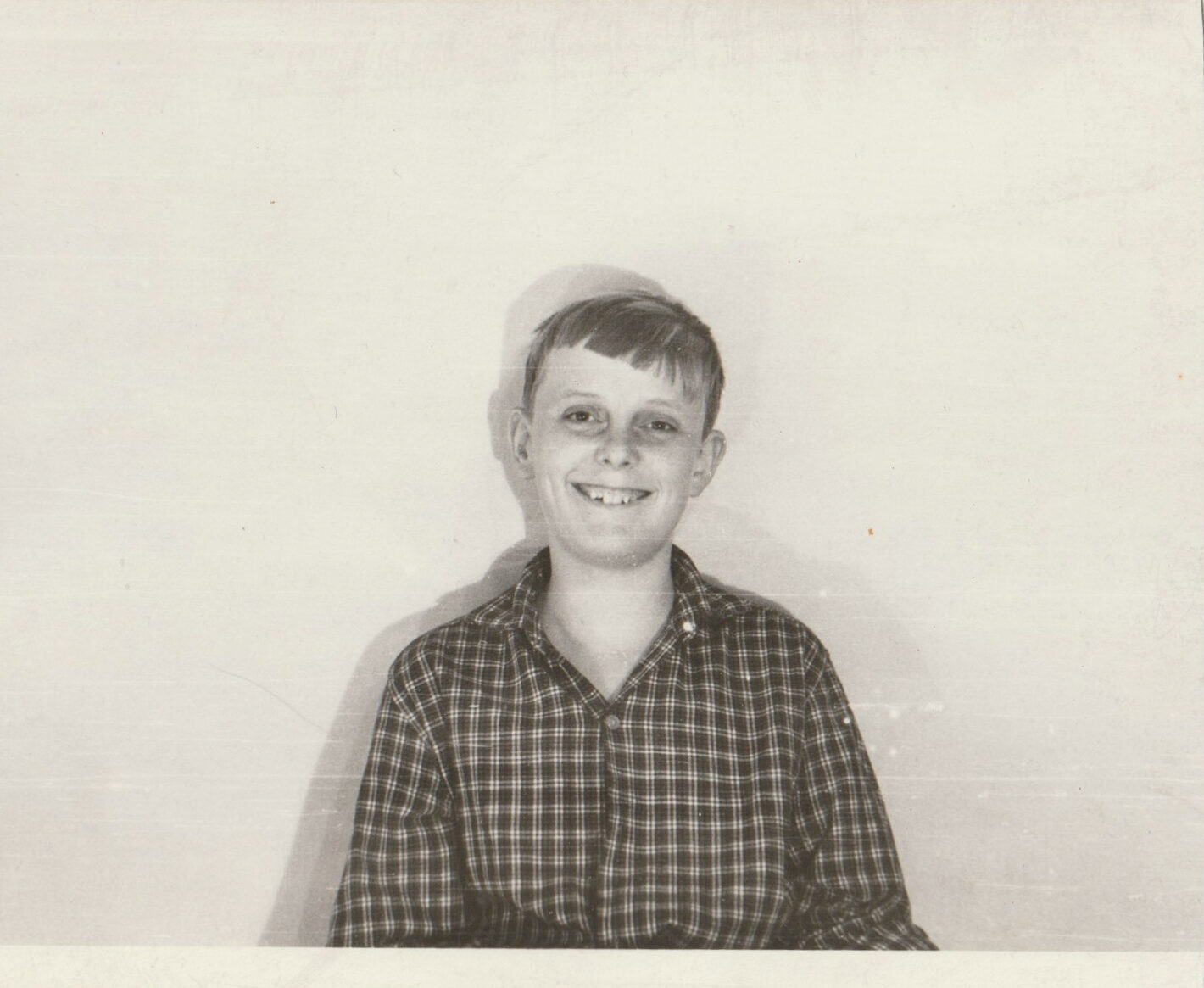
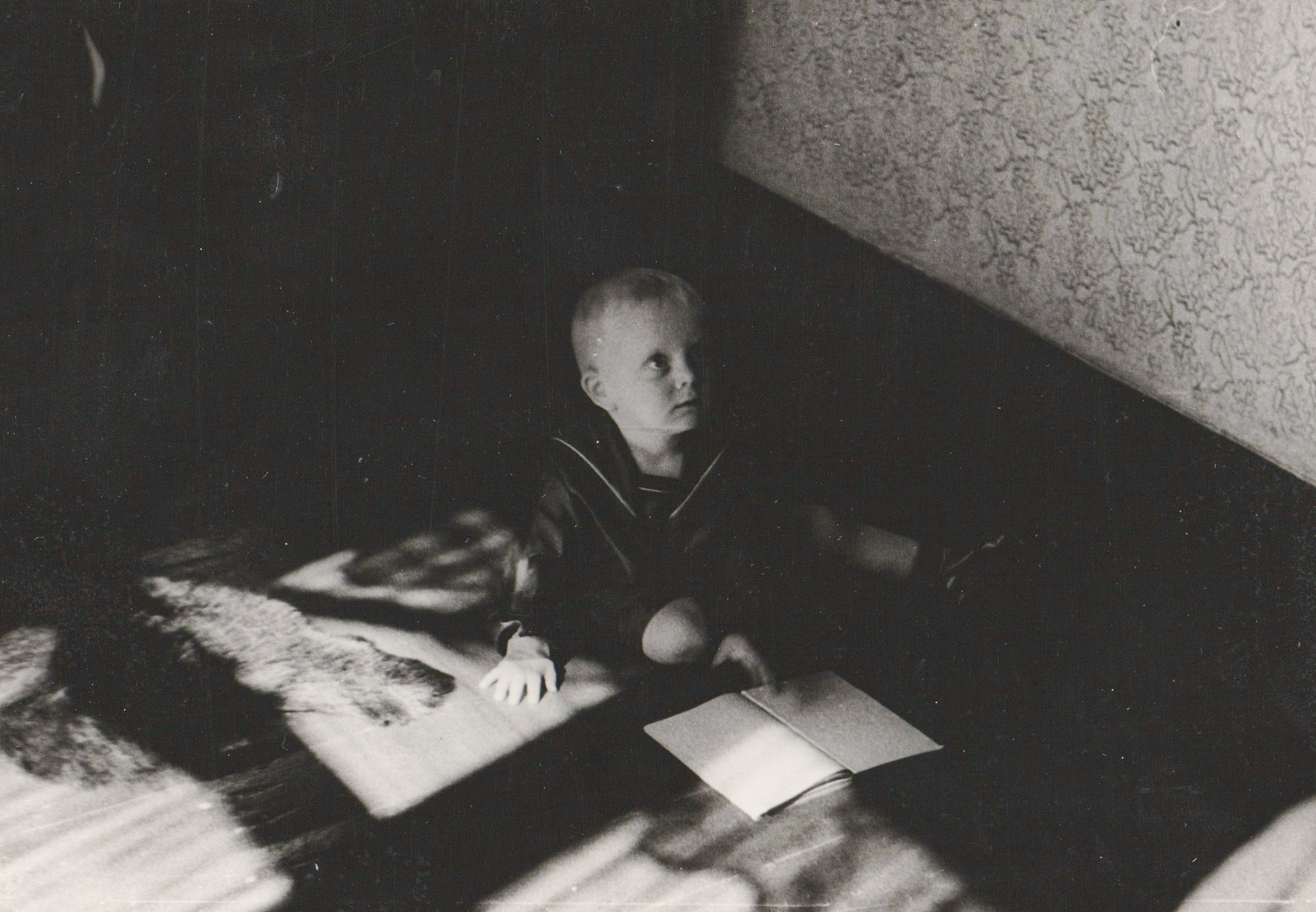
Oleksandr Paplauskas, the son of Asya and Raimondas, 1969.
“I often think back to what you were like when you were 3, 5, and 10 years old […] When they announced Gagarin’s return from space and reported on his flight, we discussed it over breakfast. You were three years old, and suddenly you declared that you’d been up there with Gagarin. We didn’t argue, but just asked if you two had drinks together in space. You replied that you’d had lemonade, and Gagarin had had wine […]
Rainis and Rimenka went to Lithuania, while you and I went to the Black Sea — you’d just had your tonsils removed. In Anapa, we booked a tour to Lake Ritsa and took a steamboat there. You handled the boat’s rocking very well and, much to the chagrin of the other passengers, kept running to the buffet to buy something to eat.
Then we took a bus and on our way stopped to look at a small lake. You boldly contradicted the tour guide, declaring that it wasn’t a lake but a swamp. Lake Baikal — that was a real lake […].”
3.
My mother’s side
In the letters from another grandmother — Yevdokia, Dusia, Dunka Petrivna — there are fewer memories, but plenty of news and gossip. Who she went swimming with in the Dnipro on Khortytsia, and how badly her back got sunburned. That Aunt V. had a stroke and was in the hospital for a month, that her son earns $1,500 and calls his mom every week, and that her daughter has put on weight. I reread them and smile at Grandma’s straightforwardness.
Yevdokia’s handwriting is less legible; she jumps from one language to another. Although she lived in a Russian-speaking city, her Ukrainian, with the Poltava dialect, was unmistakable, as was her Soviet-minded insistence that no one should sit around doing nothing. “[…] When you come to visit me, you’ll all get to relax. I’m really looking forward to seeing you all. Today I made jam from green walnuts and dried some mint for tea. I can already picture you all puttering about here. Mashenka dusting the furniture, Lenochka baking pancakes. And my little daughter taking care of my hands. And what would my beloved son-in-law be doing? Surely, he’d be reading on the balcony.” Here I laugh out loud: obviously, the women would be working while the man relaxed. But the son-in-law — my dad — deserved it. Grandma, as if anticipating my thoughts, continues: “Although the balcony needs tidying up, too.”
Yevdokia didn’t finish school. At 15, she realized she didn’t want to spend the rest of her life carrying water from the well, weeding beets, counting workdays — living off the land. So she accepted her older sister’s adventurous proposal to go to Leningrad, where she found work as a maid and nanny in a professor’s home. “I’ve never seen such a cultured family in my life!” she would often repeat with astonishment.
She indeed became a city dweller, eventually settling among paved streets, factories and new buildings. Together with her husband, she found work on the railroad: he as a train constructor, she as a shift supervisor. They both graduated from night school. They were given a two-room corner apartment on the top floor — at least it was their own.
In the courtyard, poplars grew right before their eyes — in the 1950s, during the postwar period, the Soviet authorities ordered them to be planted en masse. They grow a meter and a half to two meters each year, so they were easy to use to green up devastated cities; here in the south, they grow especially tall and mighty. Behind the poplars, three rows of triangular roofs seem to spring from the ground. Industrialization drew people to the cities, but they brought their rural traditions with them: the dwellers of every apartment in the complex dug their own cellar. There, families stored preserves and fresh vegetables brought by relatives from the village or grown at their summer cottages.
Guests would often visit their apartment — the first entrance from the street, five floors up, the door on the right. Yevdokia would unfold the large wooden folding table in the living room, take the finest tableware from the sideboard and even set out the blue fish-shaped pitcher. Hryhoriy — dark-haired and charismatic, the man everyone envied her for having married — would bring out a tape player (who knew where he’d gotten it!) and his cassettes, ready to take charge of the mood and the dancing.
A portrait of Yevdokia hung on the board of honor at the summer camp for railway workers’ children, and at home, behind glass next to the crystalware, would lie her and Grandpa’s medals — awards for dedication to their work.
Grandma dreamed of becoming a journalist, but she never reached that dream. Look, Grandma, I did it!
4.
My father’s side
Instead of studying pedagogy, 17-year-old Asya was digging defensive trenches. “I studied for one year at the Tambov Pedagogical Institute. After we took our first-year exams, I was getting ready to visit my parents in their village 100 km from Tambov. But they wouldn’t let us go because the war had started, and all the students, including me, were sent to dig trenches near Smolensk. Luckily for me, I got sick, and they let me go home. My parents were very happy and didn’t let me go back to Tambov, so I started working as a teacher at a school, teaching math — or rather, arithmetic — to 5th and 6th graders.”
Eventually, she did go to university. In 1944, Asya enrolled in the Economics Department of an institute in Moscow. Along with her diploma, she received an assignment to work in Vilnius — yes, the Soviet regime routinely sent graduates across the borders between republics without asking. And so a graceful blonde from the Russian hinterlands found herself heading one of the newly established departments at the Vilnius Thermal Power Plant. That’s where she fell in love.
5.
One day, in an envelope containing a letter from Asya, I find a few more pages, densely covered with handwriting I don’t recognize. A dozen yellowed sheets from 1949. “Back then, Raimis and I were separated for a long time — he was sent to Leningrad for a three-month course, and he often wrote me letters. I’m sending you a few of them,” my grandmother explained.
“You really are a good girl, Asya,” writes my grandfather, then a young man in love. “I’ve been thinking for a long time about how to get a photo of you, and now that I’ve received one, I’m very, very happy. When I come back, you’ll owe me 123 kisses. I’ve put your photo in with mine — at least they’ll be together, since we can’t be. From time to time, I take them out and look at them. But, you know, my dear, it’s not doing me much good. The more I look at them, the more I miss you. I’m afraid I won’t be able to stand it — I’ll toss all these courses into a dark corner and come home […]
But most likely, they won’t be over until early June. Why hasn’t anyone figured out yet how to teleport from place to place instantly? Then I’d send you a strict order: “Report to the Zhovten Hotel immediately after work — you have five minutes.” I’d love, my dear, to take a walk around Leningrad with you. How beautiful it looks in the evening. Twilight smooths out the scratches, the dirt, the traces of war — the city stands in all its grandeur. What a beautiful city […].”
Raimondas — that was my grandfather’s name — takes Asya on an imaginary tour of the city: they’d wander around the art museum for five hours, lingering in front of Aivazovsky’s paintings; Grandpa enthusiastically describes “The Ninth Wave.” He’s not too keen on Bryullov’s “Pompeii” — it’s too beautiful for such a horrific event. The next day, they would go to the May Day parade. In the evening, they’d watch the fireworks. They’d feel let down — the ones in Vilnius are better. Palace Square is where the real celebration would be taking place: the folk festivities would draw them in, and they would dance under the open sky. At the end of every letter — a reminder: “It would be better if we really were here together, my dear Asya.”
I suspect my grandmother passed these letters on to me because she wanted me to see the way they were written. My grandfather wrote well. He knew how to observe and how to tell a story. But what captivates me is something else — the love that I can literally touch. In these letters, they’re both still alive.
“I’ve been writing this letter for three days now. Not because I’m too lazy to send it. But because, you know, it’s so nice to talk to you, my darling. When I’m writing this letter, I feel as if you’re listening to me […].”
“Asya, my dear, I feel terrible without you, though it’s good that I have your photo now. When I get really sad, I look at you, Asya, and I do feel better, but I just can’t stop looking at it […]
I guess we’ll have to save up all our kisses in a safe box — and when we meet, we’ll break open the safe box, take out all the kisses, and give them to each other […].”
May 10, 1949.
6.
1949, a mere four years after the war. The Soviet Union is rebuilding its industry, yet people lack even the bare necessities. A kilogram of butter costs 1/10 of a monthly salary. Purges are underway in ministries, scientific organizations and newspaper editorial offices. More than 130,000 people have already been deported from Lithuania in successive waves, starting in 1941. The Stalinist regime forcibly exiles to Siberia those who refuse to surrender their land and resist the Soviet occupation. Among the repressed is Irena, my grandfather’s 17-year-old sister. For an article in a samizdat newspaper, she was sentenced to six years of hard labor in a Gulag camp, amid the tundra, darkness and coal mines of the far north.
People were afraid to speak out, and so a legacy of silence took root — one that would haunt generations to come. It wasn’t until 2004, half a century after Stalin’s death, that Asya briefly recounted her sister-in-law’s fate in a letter to her own son.
7.
In our family, we like to “joke” that Grandpa Raimondas was the only Lithuanian to go to Siberia willingly, but that’s not exactly true.
In 1952, the young engineer who had been building power plants in his native Lithuania was sent to Irkutsk on a “work assignment” — meaning he had no right to refuse. Lenpromenergomontazh, where my grandfather worked his way up over 45 years, first to chief engineer and then to chief technologist, built power plants throughout the Soviet Union, including in Buryatia and Chukotka. Raimondas found himself in the farthest reaches of the Soviet empire. The nearest city lay 600 kilometers away across the taiga, but there were no roads — nothing to drive on. Everything arrived by plane or river barge, and even then, supplies were infrequent: for eight months of the year, the rivers lay beneath two-meter-thick ice.
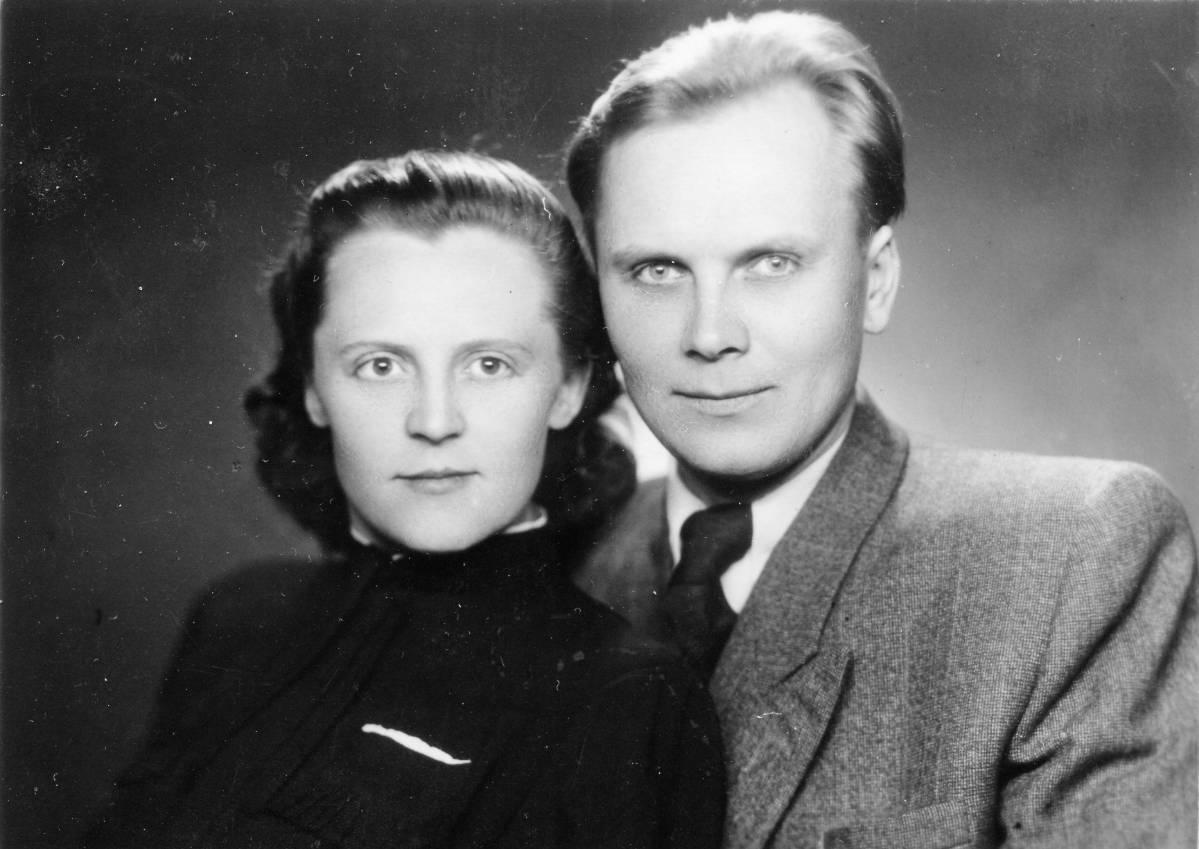
Asya and Raimondas, Vilnius, 1949.
“Asya, dear Asya, it’s so hard to live alone. I want to drop everything, hop on a train, and come to you, my darling. I could do it another way, too. I’ll put your request in an envelope and drop it in the mailbox. The letter will reach Veselov, and he’ll write a directive to ‘depart for Irkutsk immediately.’ Everything will be all right, won’t it? […],” Raimondas wrote to his Asya in January 1953. She stayed in Vilnius with their firstborn.
I’ve already been to several construction sites. The scale is unbelievable […]
In 1949 [in Angarsk], they began clearing the taiga (there are eyewitnesses); today it is a city with five secondary schools, a theater, a huge, luxurious hotel, a city with about 60 apartment buildings, home to, presumably, no fewer than 30,000 people. The apartments have all the amenities: cold and hot water, a bathtub and a shower […]
I’m staying at a hotel. On the one hand, it’s nice that no one bothers me — I’m living on my own. The room is nice, but I have to pay 17 rubles a day out of my own pocket for this luxury. I was promised (by Ivan Antonovich) that on Thursday I’ll be able to move into a company apartment — a walk-through room for now, and on Saturday I’ll get a separate, private one […]
The cold is getting worse and worse here. Since I arrived, it hasn’t been warmer than -20°C. This morning it was −40°C. What they report on the radio is a complete lie. They said it was −22°C today, when I myself saw −40°C on the thermometer […]
I had to get felt boots. I bought them in Trest for 160 rubles. The felt boots, the hotel and the pay cut have dashed all my hopes of sending you any money […]
While I was carrying this letter in my pocket, I received a letter from you. What a pity I didn’t stay with you for just one more day. There’s no one here to even have a drink with: I.A. doesn’t drink; Y.V. has moved away; Lydia Mefodiivna can’t; and I don’t have any other acquaintances. I’ll wait until you arrive, my darling, or until I’m in Vilnius […]
I kiss you, my love, and hug you tightly.”
January 31, 1953.
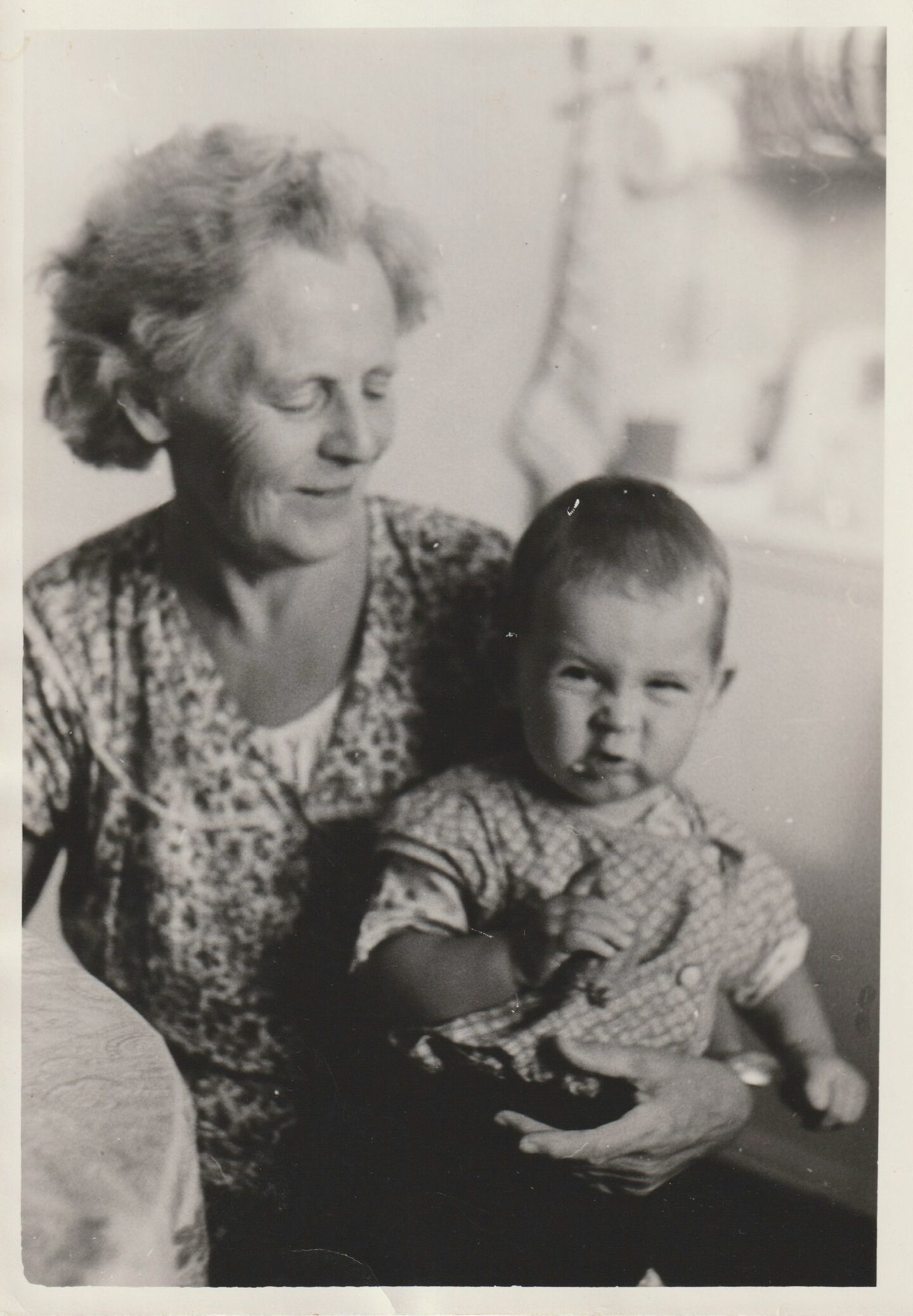
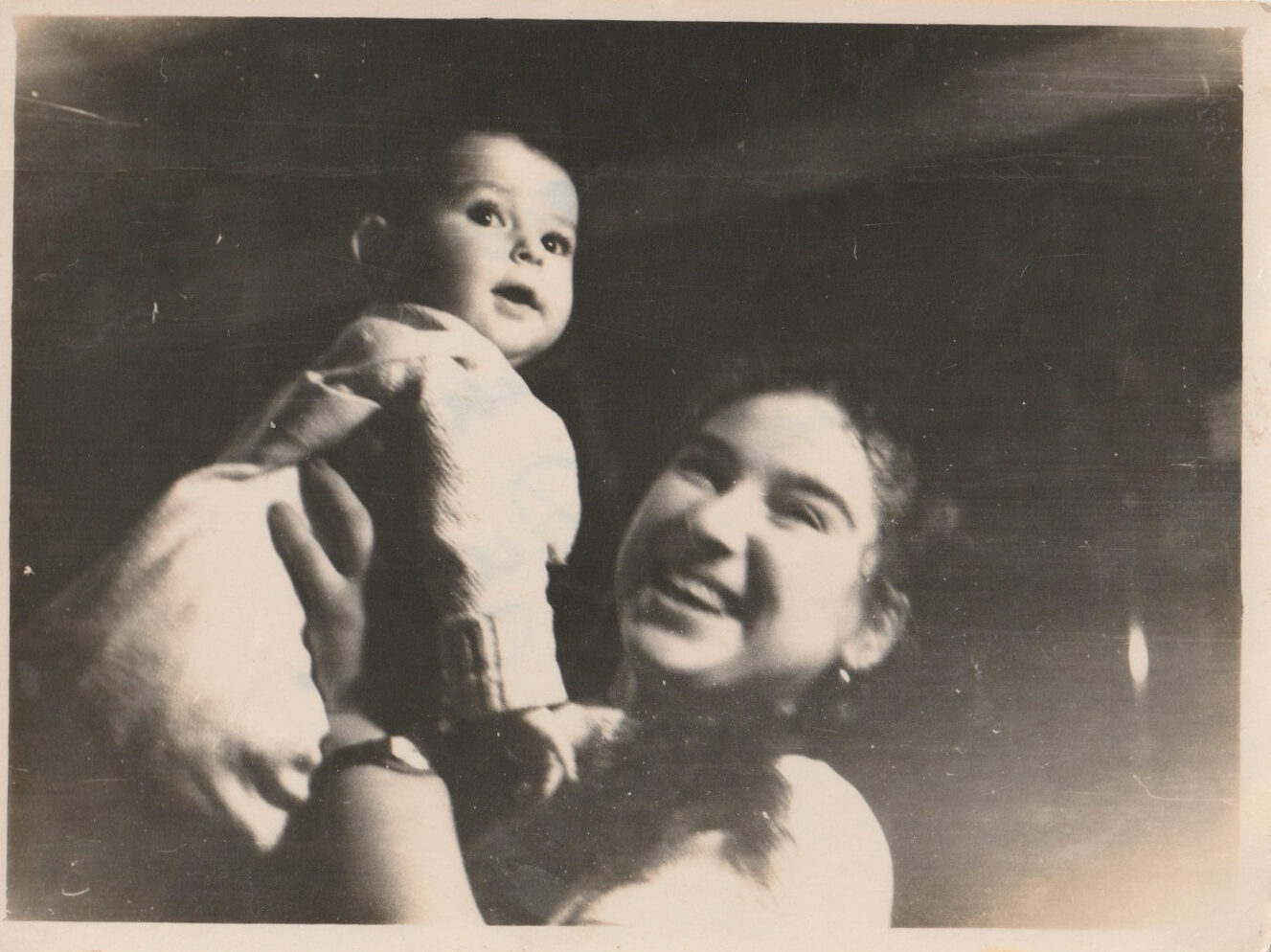
Grandma Asya with her first granddaughter, Mykolaiv, 1986.
8.
“We were together from 1948 to 2003. We were very close and understood each other well. Whenever we were apart for a long time, we wrote letters to each other, and I’ve kept them. Now that Raimis is gone, I reread these letters, and it brings me some comfort. I’m glad I kept them.”
After 55 years of married life, following her husband’s death, Asya took her mother-in-law as her companion. “Paraskovia Stepanivna and I easily manage to prepare lunches, breakfasts and dinners, and overall, we’re doing just fine. Groceries are delivered to us every week. A woman comes to clean. Unfortunately, I don’t always feel well, but that’s mainly because of the erratic weather, which changes so often these days […]
I fondly remember my time at work, because we often went on business trips. In the winter we went skiing, in the summer we went boating, on warm days we liked to walk around the city to see the new construction projects; we often went to the theater and tried to see their entire repertoire. That’s how we lived […]
The biggest problem is that my leg won’t let me walk, and life gets boring quickly. I don’t read much these days because my eyes get tired. I listen to the radio and try to watch interesting shows on TV — mainly the Kultura channel. But the evenings are sad; this isn’t how I want to live […].”
In another letter, Asya regrets that she was unable to move closer to her younger son — my dad, Oleksandr — and her relatives in Vilnius. “Unfortunately, it didn’t work out, and now it’s not us, but I who am so far away from you […]
September 26 marks three years since your Dad and Grandpa passed away. I decided to send you a few commemorative photos. Raimis is buried in the new cemetery, in the alley dedicated to distinguished individuals. The plot is designed for two graves, so one day we’ll be together again […].”
9.
My mother’s side
“I’m writing this letter in the kitchen, and it looks like the wind will uproot the poplar and hurl it right at me — it’s right across from the window,” writes Grandma Dunia, Yevdokia. The rapid tree-planting campaign failed to take into account the short lifespan of poplars — and, of course, their fluff. Although without them, no southern city is really a city.
Inside the envelope bearing stamps worth 3 hryvnias and 85 kopecks are two newspaper clippings alongside the letter. Both are from Zaporizhzhia Pravoslavne (Orthodox Zaporizhzhia). Beside an interview with a priest about a woman’s role in the family — in which he argues, of course, that she should never contradict her husband — Grandma has added a note in her own handwriting: “Save this; maybe it’ll come in handy for your daughters.” The second clipping teaches that chastity is a girl’s greatest virtue. All right, Grandma, but I’d rather you sent me your recipe for quick-fermented cucumbers: I’ve been trying to recreate it for several years.
Grandma Dusia went to the market every Sunday and came back with bags full of seasonal fruits, berries and homemade dairy products. My great-grandmother from my grandfather’s village — a thin, stern woman with freckles and a white headscarf who, even at 90 years old, would still zip around the village on her bike — would come to visit us in the city. And always, despite the three-hour ride on a sweltering regional train, she’d lug bags of produce along with her. My sister and I would sit next to her on the floor, and she’d pull treasures out of those bags: corn, meaty dark plums, apricots as big as my palms, ripe pink tomatoes that were practically bursting and cucumbers with bitter skins — the kind you just can’t get anymore.
Mala Tokmachka — that’s the name of my grandfather’s village. These days it often appears in the news, as it lies on the route to Zaporizhzhia and has been giving the Russian army a hard time for over four years. For more than 1,500 days (even World War II lasted less), massive assaults have failed to help Russian troops capture Mala Tokmachka.
I wonder if my grandfather’s grave is still there.
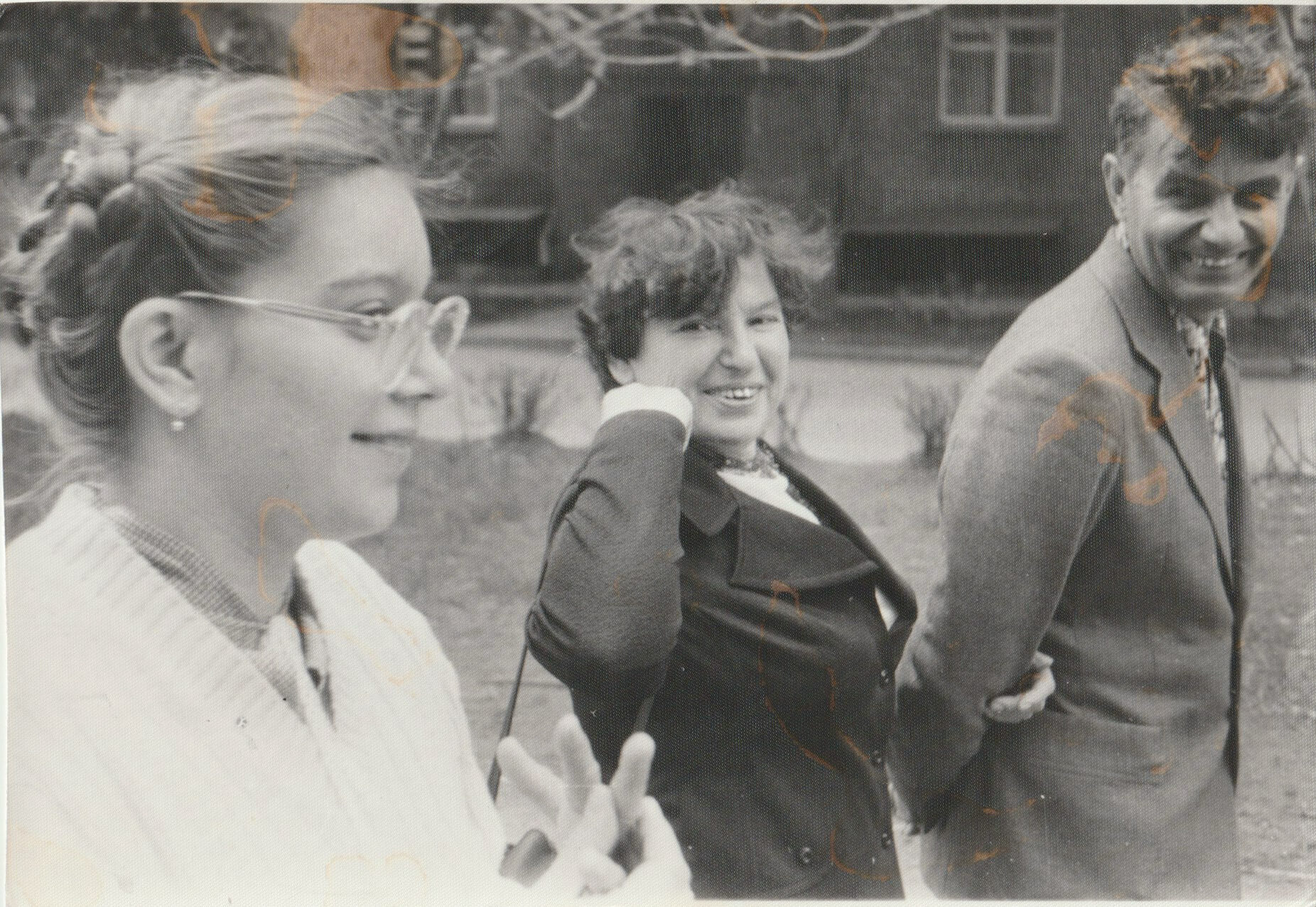
Hryhorii and Yevdokiia out for a walk with their daughter Alla, Mykolaiv, 1986.
10.
“[…] Yesterday I went to Tokmachka. Everyone’s alive and well. I wanted to bring Grandma Alianka along, at least so she could take a proper bath, but the wind was too strong — just like in that song: ‘Bending tall willows to the ground.’ I practically ran from the train because the wind blew at my back. But on the way back, the wind was blowing right in my face. I got a little sunburned, too. Aunt Vera walked me to the cemetery. We sat by Dad’s grave for a little while and talked.
But he didn’t say anything to me. And I wanted so much to hear his voice.”
Often, when recalling someone’s death, people add these words: “He left us so young.” Only now, as I’m approaching 40 myself, do I understand those words. One evening, Grandpa Hryhorii came back from his 24-hour shift, complained that he wasn’t feeling well and lay down. A few days later, his heart gave out. I’ve never heard such bitter weeping, neither before nor since.
11.
I don’t have any letters from Yevdokia and Hryhorii — just a few photographs and my own memories of their love. For me, two transparent packages of Duru soap, each containing three green bars, will forever remain a symbol of that love. They hung on the bathroom wall for 20 years — my grandfather had hung them there.
After his death, the children suggested more than once that Yevdokia move closer to them, but she flatly refused. She clung to everything that reminded her of the life they shared when they were in love.
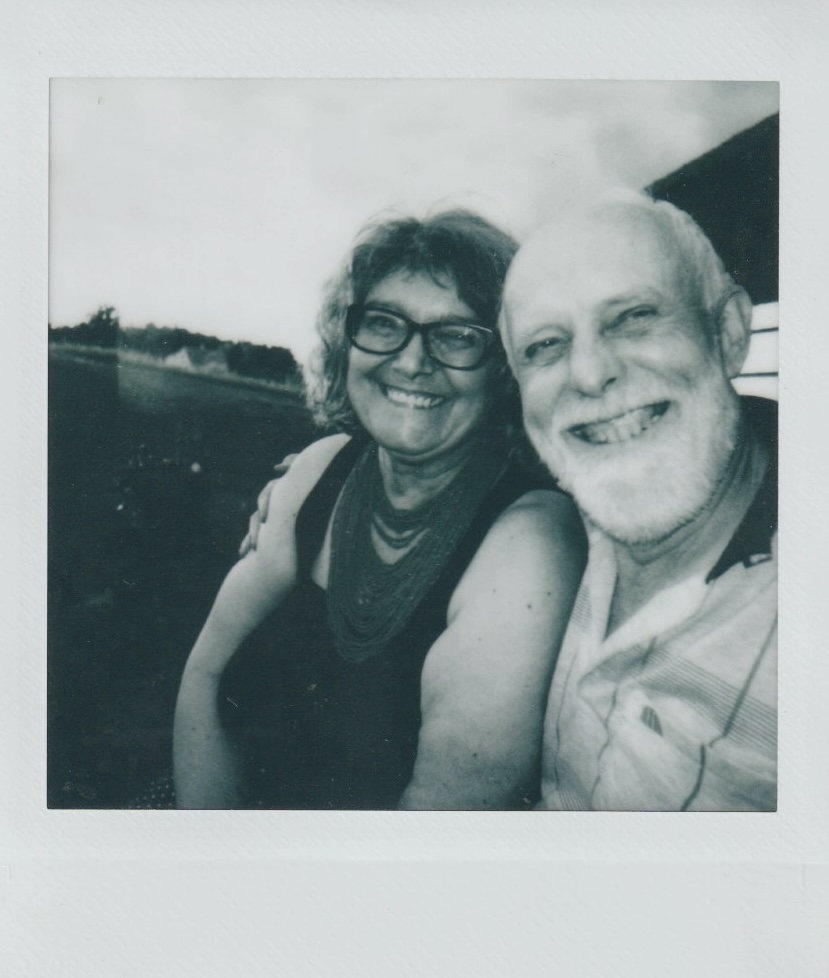
Oleksandr and Alla, the author’s parents — two people born of great love. Dubingiai, Lithuania, 2024.
She didn’t want to sit with other women her age on the bench by the building entrance. She had few friends. She learned to pay her own bills and fix things around the house. She did all the chores herself: the market, the post office, the house.
She rarely spoke about her feelings, but generously shared stories from the past. Especially toward the end, as dementia began to cloud her memory of the present, she clung all the more tightly to her memories of youth.
About how they met — she was working as a nanny in Leningrad, and he was serving on a submarine there. Dressed in a black sailor’s jacket with gold buttons, he stepped out of formation in one of the squares to help this round-faced stranger with curly hair catch her unruly three-year-old charge, Alla. That’s what they later named their daughter — my mom.
About how they sent their children to the best schools. And how they went together to watch their son’s performances — he was a wonderful ballroom dancer, and his parents were proud of him. About how often guests came to visit them and how they joked, laughed and danced. About how much he loved their cat Katia, who adored being bathed. About so much that’s happened in their lives.
She, too, passed away in July. Her heart stopped exactly 20 years after his.
And in their apartment, everything remained just as it had been for those two decades. It was as if time had taken pity on this woman and spared her home, as if a personal time capsule had been created there just for her. Above the living room door hangs a large portrait of them in their youth. The bookcase holds the library he spent his whole life collecting, which she asked us to audit every summer. The sideboard is still filled with dinner sets and crystalware.
Only the curtains have long since faded. The big TV no longer gets a signal, and the floral wallpaper they once hung together has worn away with the years.
His ties, shirts and coats still hang in the closet. And on the bathroom wall, those two packets of soap.
Photos from the family archive of Marichka Paplauskaite