The salt road etched out by the Chumaks across Ukraine has existed for centuries. For a long time, nobody knew about the local deposits, so salt had to be brought in from the South — from beyond Perekop in Crimea. In Ukrainian folk canon, there is a story that when the Chumaks first set out on their journey home, they scattered salt along the road; when they finally made it back — no small feat in those days, crossing vast, empty, arid steppes — God lifted that road up into the sky, thus creating the Milky Way.
They were men of few words — somber, self-assured, putting their dignity above all else. Strongly built, with stoic features — this is how folklore researcher Ivan Bilyk described the Chumaks. “What is the work of a Chumak? Transporting salt, wine, fish, bread — a seemingly unremarkable occupation!” wrote the historian Kostomarov, adding that it was through these long journeys that the Chumaks earned their glory.
1.
The library, the musical evenings, the first-ever bicycle in Bakhmut — a whole chapter of Mark’s life ended up underwater, right beneath where he now stands. He had already spent a lot of time in Kyiv, but this locale felt mythical; and if not mythical, then something that had existed very long ago and vanished without a trace. Somewhere beneath the water lies the history of a Dutch salt company, while maps, letters, diaries — and descendants, like Mark — remain.
Bakhmut. Mark first heard of this salt-laden land through the half-attentive ears of a child. Stories of a lost paradise had been passed down from generation to generation in the Meisenberg family.
Standing by the lake where part of his history had sunk, Mark hadn’t yet realized that he didn’t know everything about his family — or rather, everyone. Some had been resting here for more than a century. He couldn’t have known then that soon nothing would remain of this Miltonian lost paradise turned Atlantis.
2.
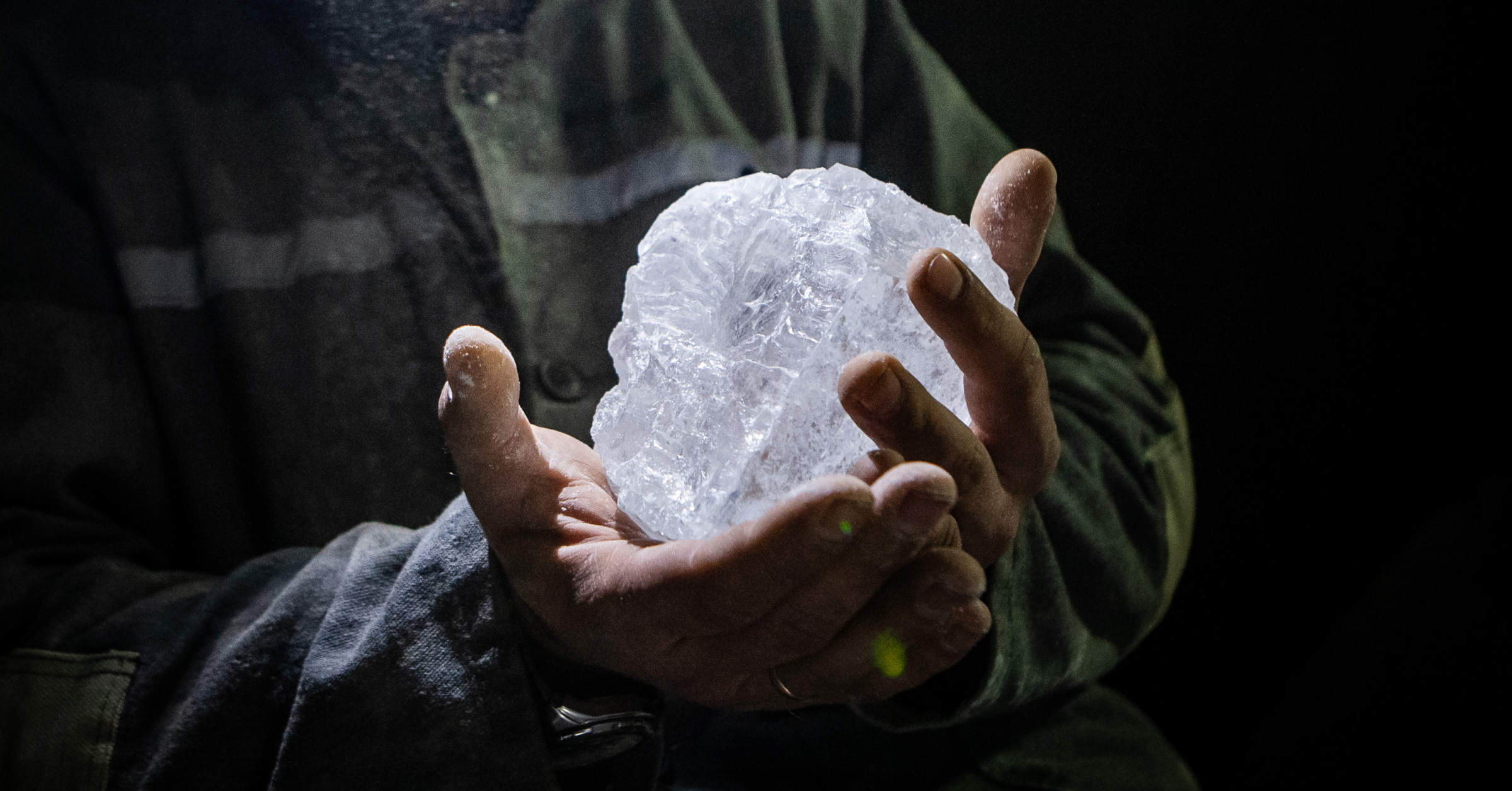
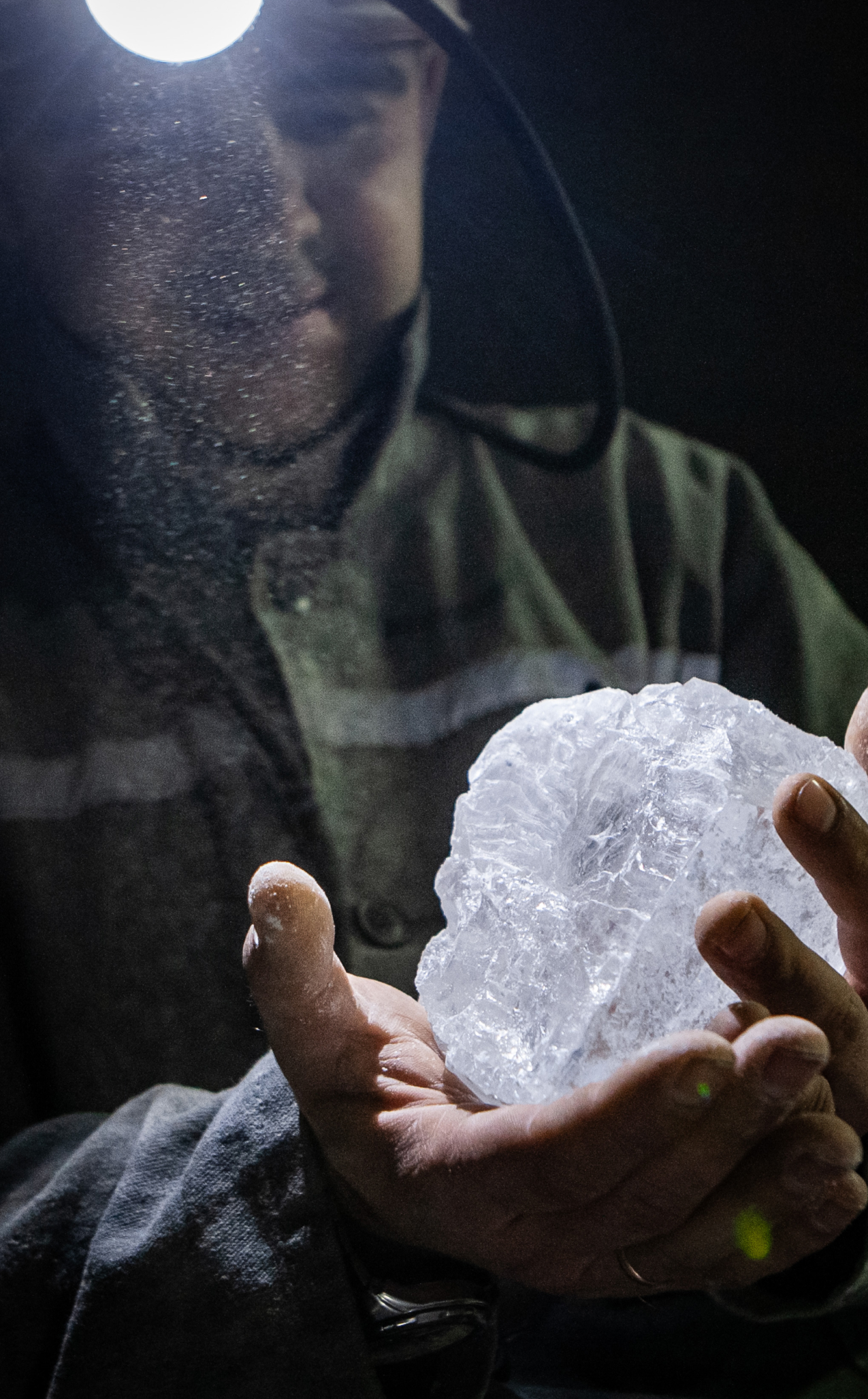
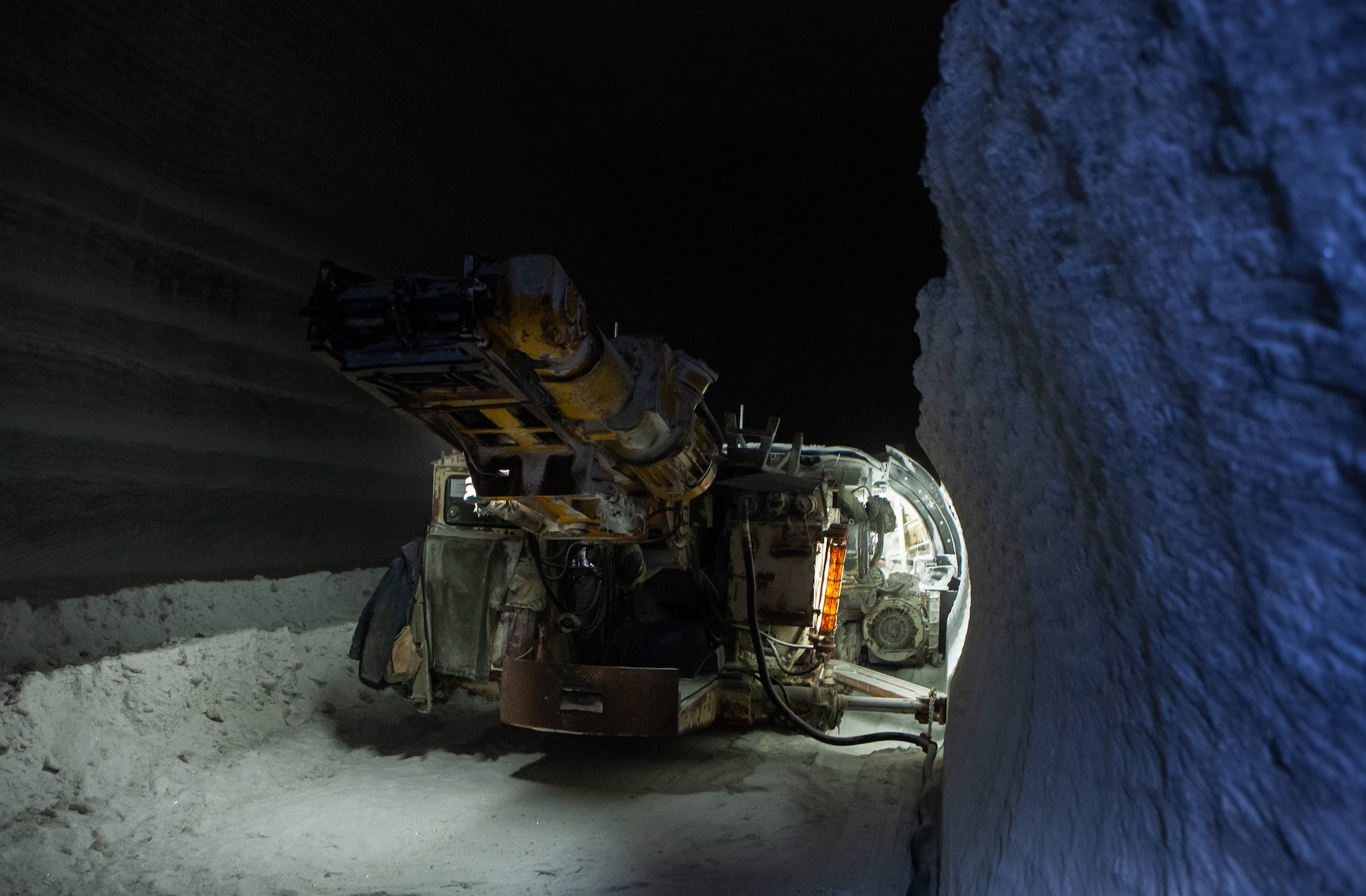
Another explosion. A white cloud rises into the air, leaving a salty taste on the lips. Three hundred meters underground. As it settles, the cloud reveals pale chunks of rock. The workers break them apart, crush them, then send them to the surface in mine cars, through a labyrinth of underground rail tracks.
The cars are pulled by horses. They are lowered into the mine in an iron elevator, never to be brought back up again — the last person to see them is the mine’s horse handler. The hay they once ate still lies beneath the salt walls, preserved there as everything else keeps changing — dozens of new mine owners, technologies that would spare other horses, wars, shifting authorities, Soviet occupation, the restoration of Ukrainian independence, and now — Russian occupation.
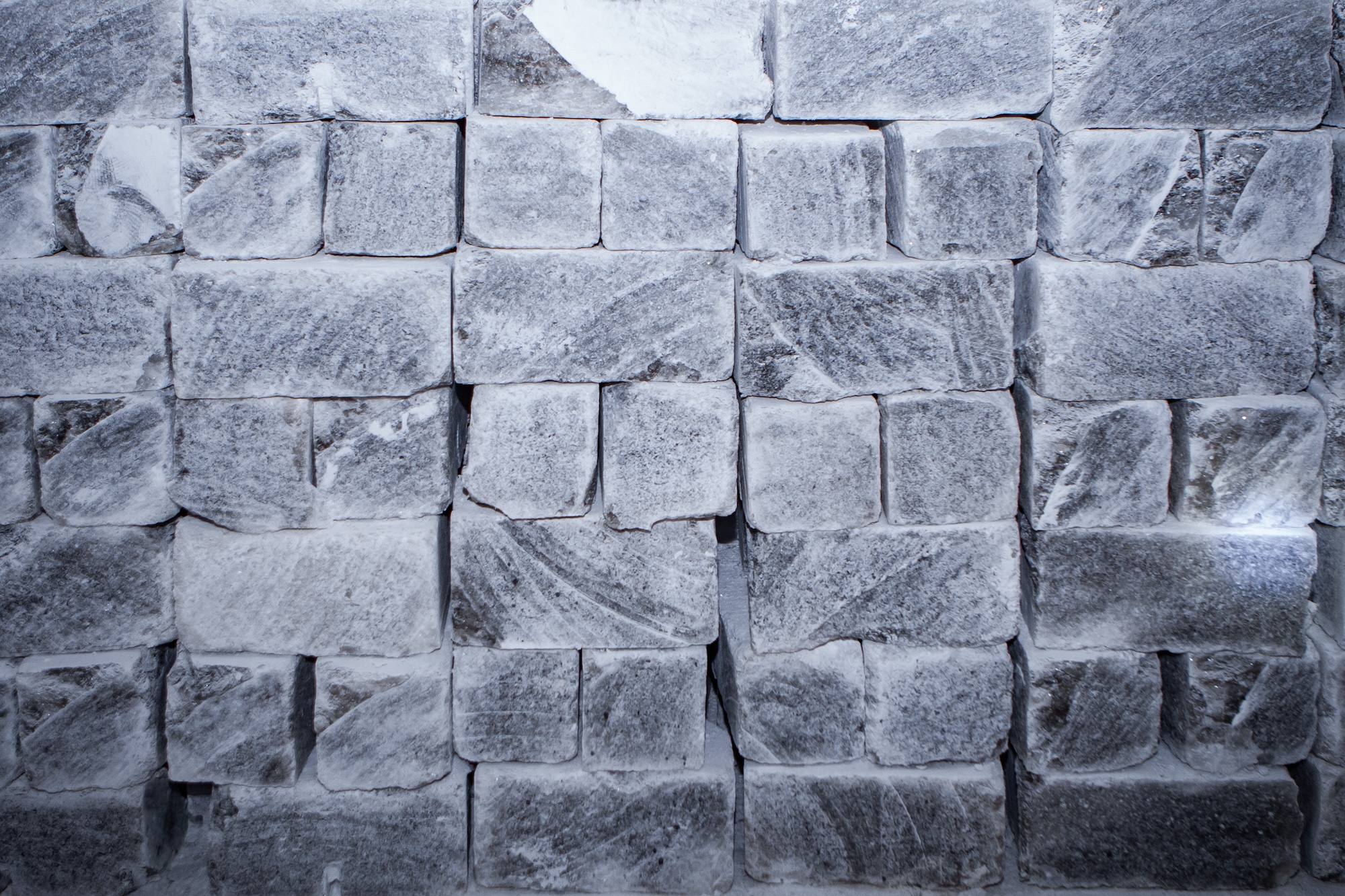
The salt emerging from the white cloud, into which people place great hopes and even greater sums of money, is odorless. The blocks are secured within the iron cage of the elevator, which slowly climbs the shaft so that this white gold, something the world can’t do without, may see the light of day.
Coal mines made eastern Ukraine famous, but it should have been salt, says researcher and popularizer of salt routes Mykhailo Kulishov. After all, coal mining became necessary in order to harness salt. Local entrepreneurs searched for an alternative to firewood for boiling brine and settled on a new fuel — coal, which in the east was as plentiful as dirt.
The salt rush in the east captured the imagination of many Ukrainian and European entrepreneurs; the Donbas now seemed like a promised land.
That is how a Dutch bicycle and a piano found their way to the village of Stupky on the outskirts of Bakhmut.
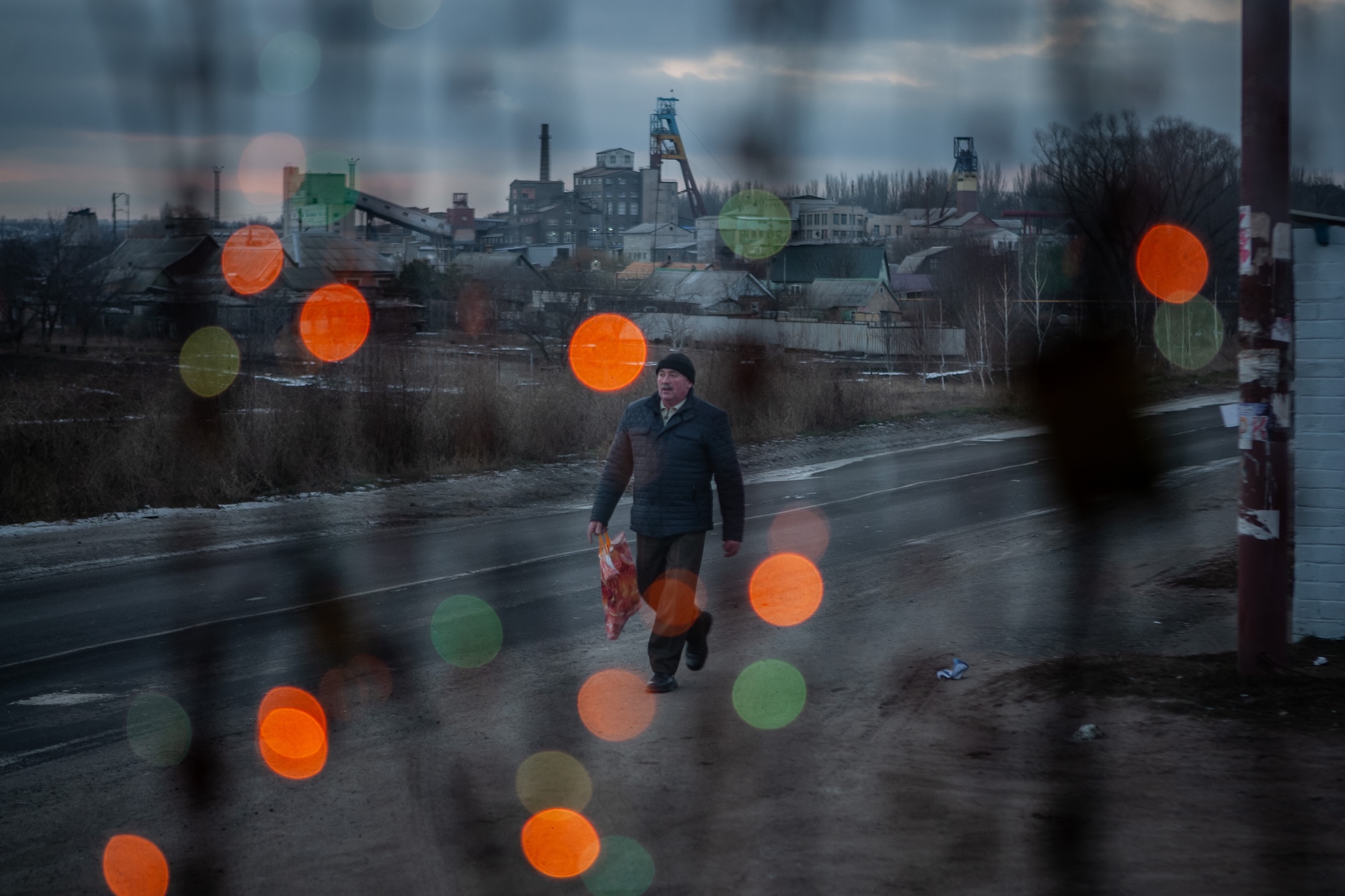
3.
It was neither paradise lost nor Atlantis — it was Eldorado.
Dmytro Chernov, a former library assistant and a promising, adventurous metallurgist, suspected that a rich deposit lay beneath the lands of a Serbian widow in Stupky near Bakhmut. Drawing on all his experience, he set out to find it — and he did.
Far more difficult to find was someone willing to take a risk and invest in a new mine. Salt was a promising venture, but by the end of the 19th century, experience in rock salt mining was still limited, and the profits from the intricate process of cutting the crystals were hard to calculate.
After yet another refusal to take on such an unpredictable project, the engineer came across some Europeans who were already actively working in eastern Ukraine at the time. That’s how the Dutch got involved in this project.
It was a leap into the unknown, but the engineer pointed to several advantages of the new mine, and they agreed to move forward with its construction. Unlike earlier operations, the new mine was to be located right within the city, with a railroad close by. Access to the railway meant access to trade routes.
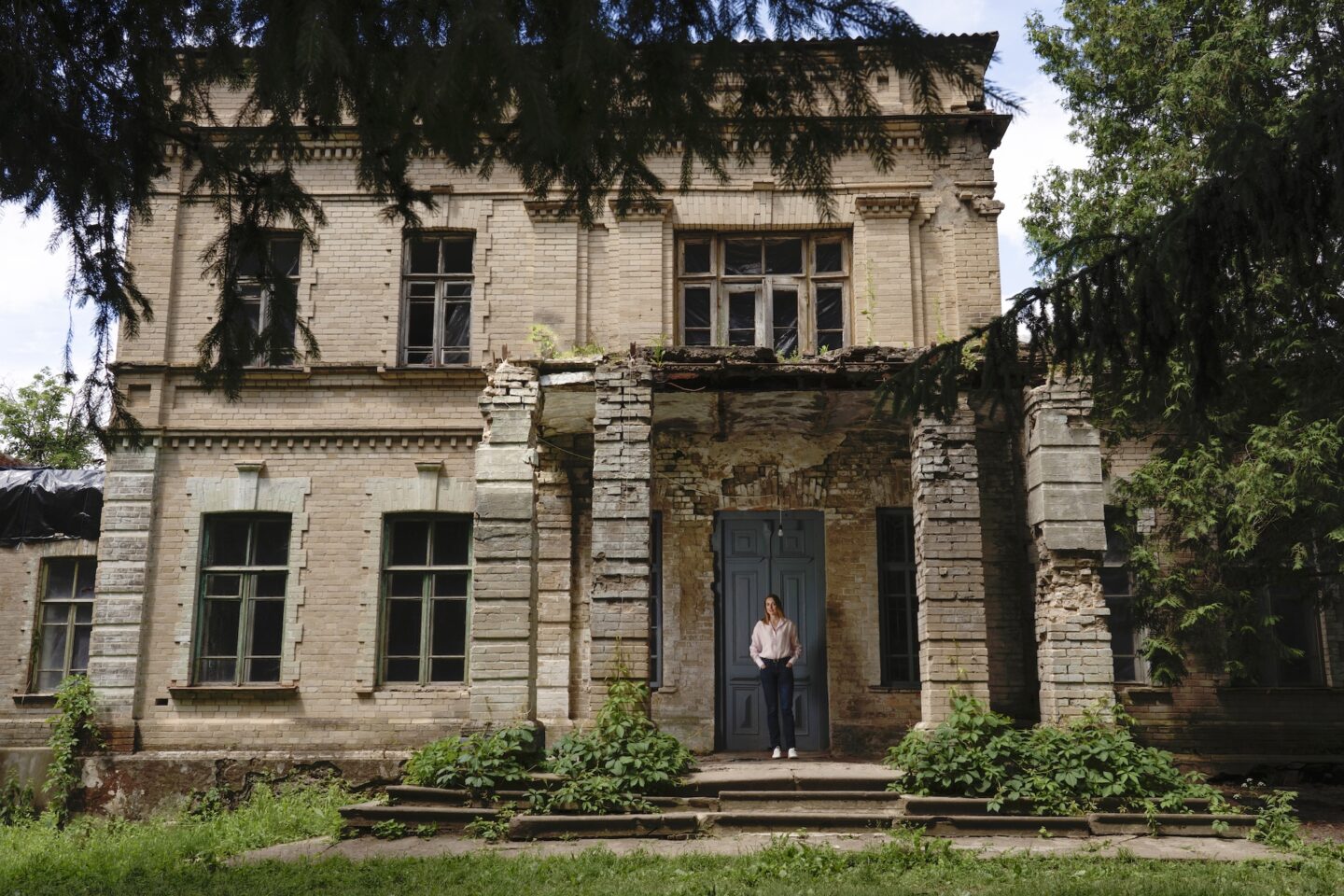
They began digging the mine across from the Serbian widow’s house. Each morning, after drawing back the curtains, she would wait for the train blocking her view to pass and watch the new enterprise grow.
4.
“I am now setting out on my great journey of more than 3,000 kilometers, accompanied by many friends,” wrote 19-year-old Leendert Willem in his diary in the fall of 1888. His route led him from a small village near Rotterdam through Westphalia to Berlin, then on to Warsaw, Kyiv, Kharkiv and finally Bakhmut. “A very long journey. Arriving in Stupky on Sunday.”
His uncle Dirk ran a salt mine in Stupky. Leendert followed him to a place he likely wouldn’t have been able to even find on a map. Starting out as an assistant accountant, he rose to become a commercial director, selling salt far and wide and covering thousands of kilometers each year — by train, on horseback, on foot, and on his marvel, the bicycle, believed to have been the first ever in Bakhmut.
He met Olha Millie Mary Kissler in Odesa. She spoke several languages fluently, read voraciously, espoused vegetarianism, and was committed to the fight for women’s rights — and, by extension, her own. Her father, Erwin, was fascinated by technology. Impulsive and chaotic, he called himself a philosopher: he had an iron coffin made because he didn’t want to be eaten by worms, and once nailed a chair to the wall, declaring it art. People, of course, saw him as an eccentric. The German man had fled to our lands to avoid military service. His grandchildren later described him as a man with “intuitive life experience” and ahead of his time.
The Kissler companies in the region were constantly going bankrupt, but in Stupky, he became a key mediator between workers and bureaucrats.
The Willems and the Kisslers saw Europe as a place defined not by geography, but rather by ethics. In the village, the family established a free hospital, workers’ housing, a school, a music school, and a library.
5.
Numb from the cold, Leendert Willem and his son Chris walked across the frozen lakes toward Petrograd, likely unaware that this journey would mark the end of the Dutch presence in eastern Ukraine.
World War I broke out while they were away from Bakhmut, and the men hurried back across thousands of kilometers to their colleagues and the place where they had spent two decades building their lives. What did they know then about the Bolsheviks? “Bread for the people! Power to the Soviets!”
The Bolsheviks arrested Leendert Willem and sentenced him to death for unclear reasons. It was only the intervention of local peasants and townspeople — whom the new authorities were still trying to win over — that saved him, securing his release from prison.
Leendert had always begun his letters to his wife with “Lieve,” but during this time he was using “Beste” — no longer “beloved,” but the more formal “dear.” Olha was in the Netherlands with the children; her husband and son were far away, and there was no knowing whether they would even survive. Money was scarce, and every circumstance seemed to widen the distance between them.
In the flames of war, the “Dutch miracle” in Stupky was reduced to ashes.
The Dutch exchanged their lives for a single Russian ruble — a bargain, indeed. That was the price at which they were forced to sell the entire mine to the new Soviet authorities. After the purchase, the Soviets granted the Dutch a brief window to flee.
They fled — from the mines, from the east, from Ukraine — without looking back, leaving behind the books Olha had used to teach the children to read and write, the bicycle, their ambitions, and their dead — the Dutch cemetery where their loved ones had been laid to rest. Reaching Novorossiysk, they finally boarded the long-awaited ship. One of Leendert’s colleagues died of typhus on board and never made it home; his body was left behind on the shore at the next stop.
6.
Having rid themselves of the “foreign capitalists,” the Soviets turned their attention to place names. The town of Bakhmut, named after the Bakhmutka River, became Artyomovsk, in honor of Comrade Artyom.
The mine, which the Dutch had once named after Tsar Peter to please the Russians, was renamed Artyom No. 1. Dutch faces were literally erased from old photographs, Mykhailo Kulishov notes.
Then, a Russian professor, Shevyakov, arrived and declared that the mine was on the verge of collapse. Without hesitation, they rushed to dismantle it and flooded it.
The smaller mines were consolidated, and gradually Soledar became the new center of the salt industry. Since then, Artemsil has supplied nearly all of Ukraine’s salt needs.
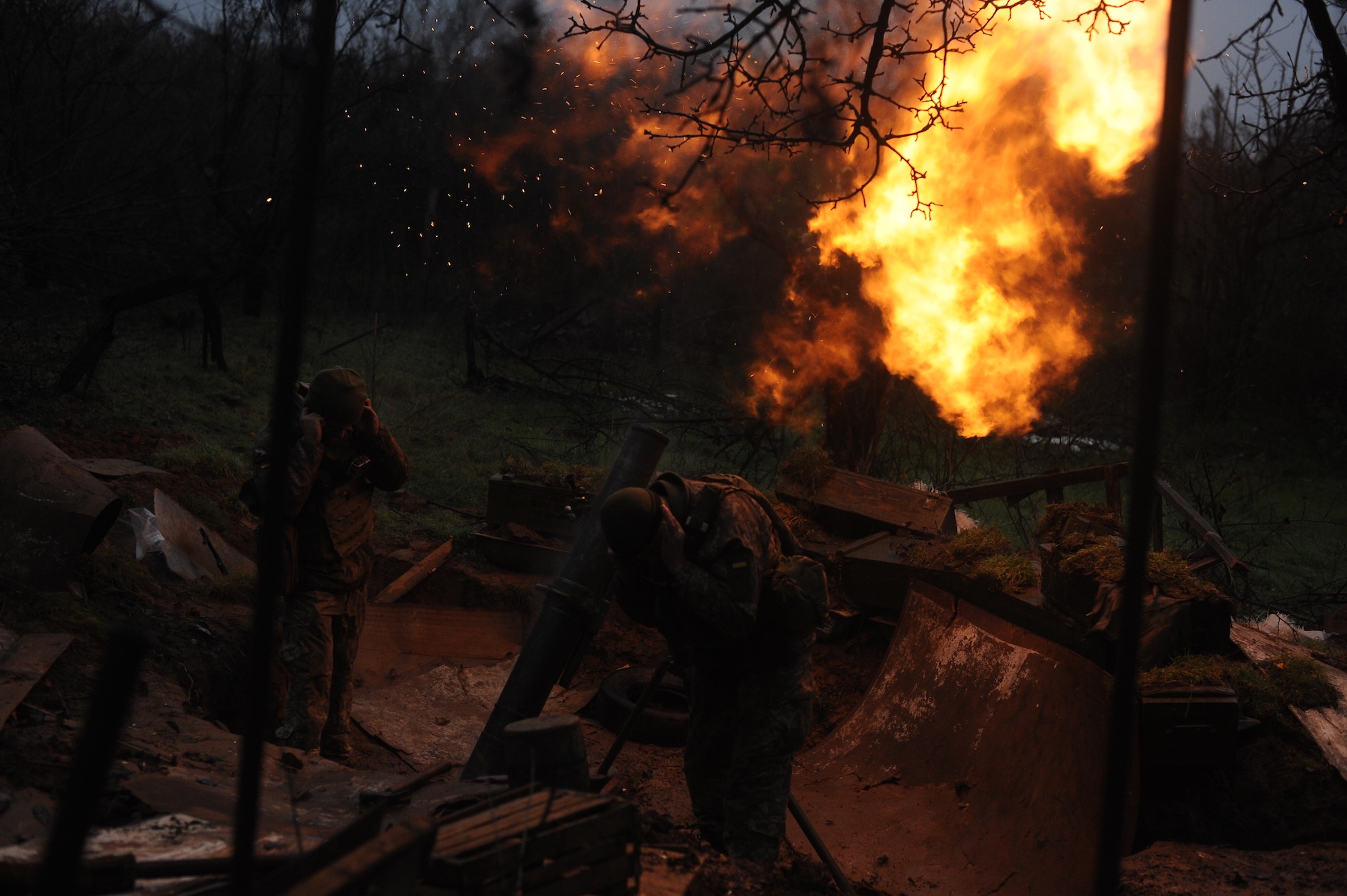
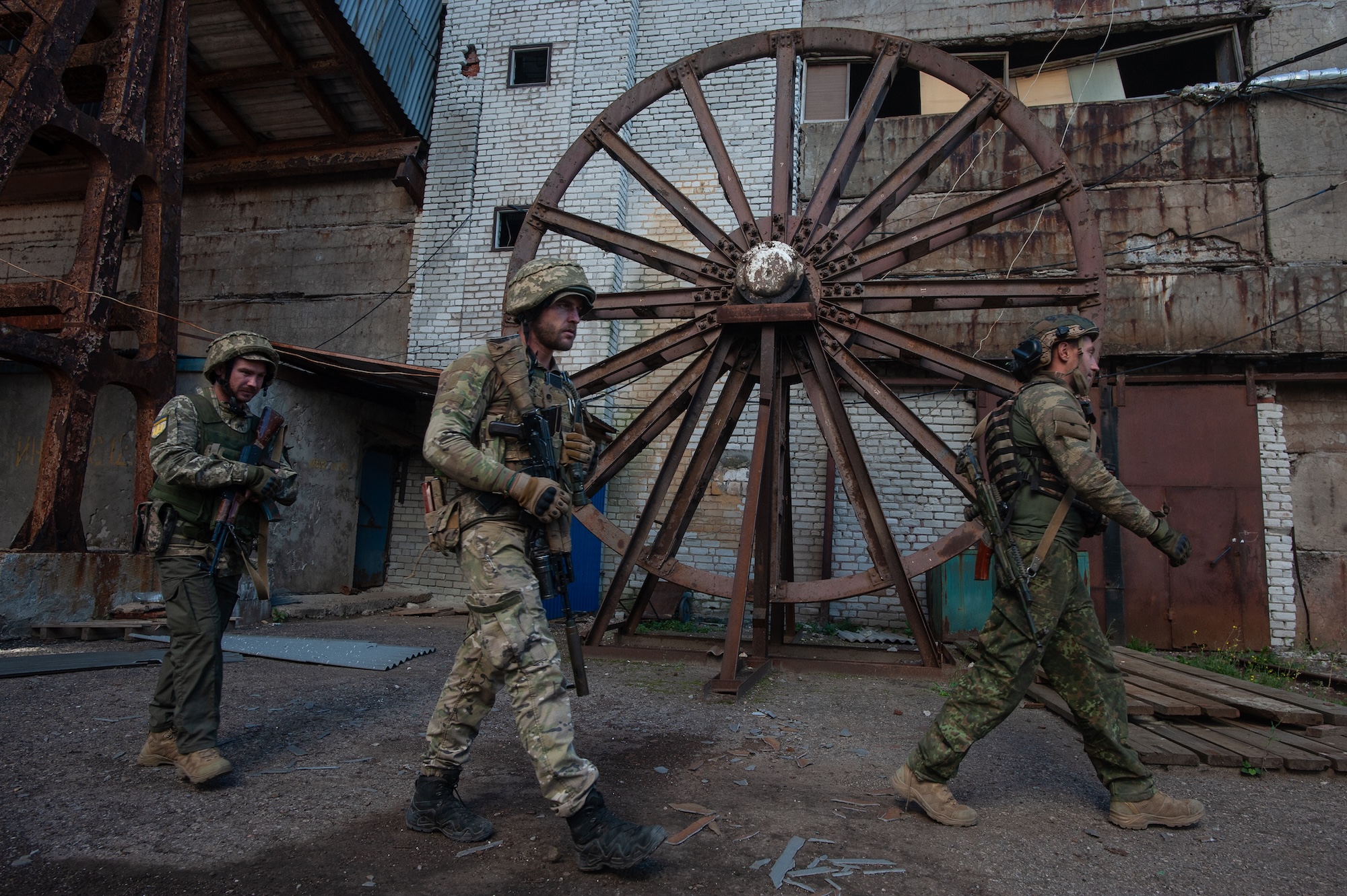
Artemsil workers last reported for duty in Soledar in April 2022. Two years later, the city was occupied by Russian forces. Only a few grains of that salt remain available.
The inexhaustible stratum has once again fallen into enemy hands — just as it did a century ago.
7.
On the crumbling steps of a high-rise, either worn down by time or shattered by artillery, a woman feeds a red spaniel and kisses it on the forehead. The only way for her to cook something for her pet is to build a fire beside the building, boil a kettle, make some porridge, and wait for humanitarian aid, which is expected to arrive with fresh supplies of water and food. Perhaps there will be something for the spaniel as well.
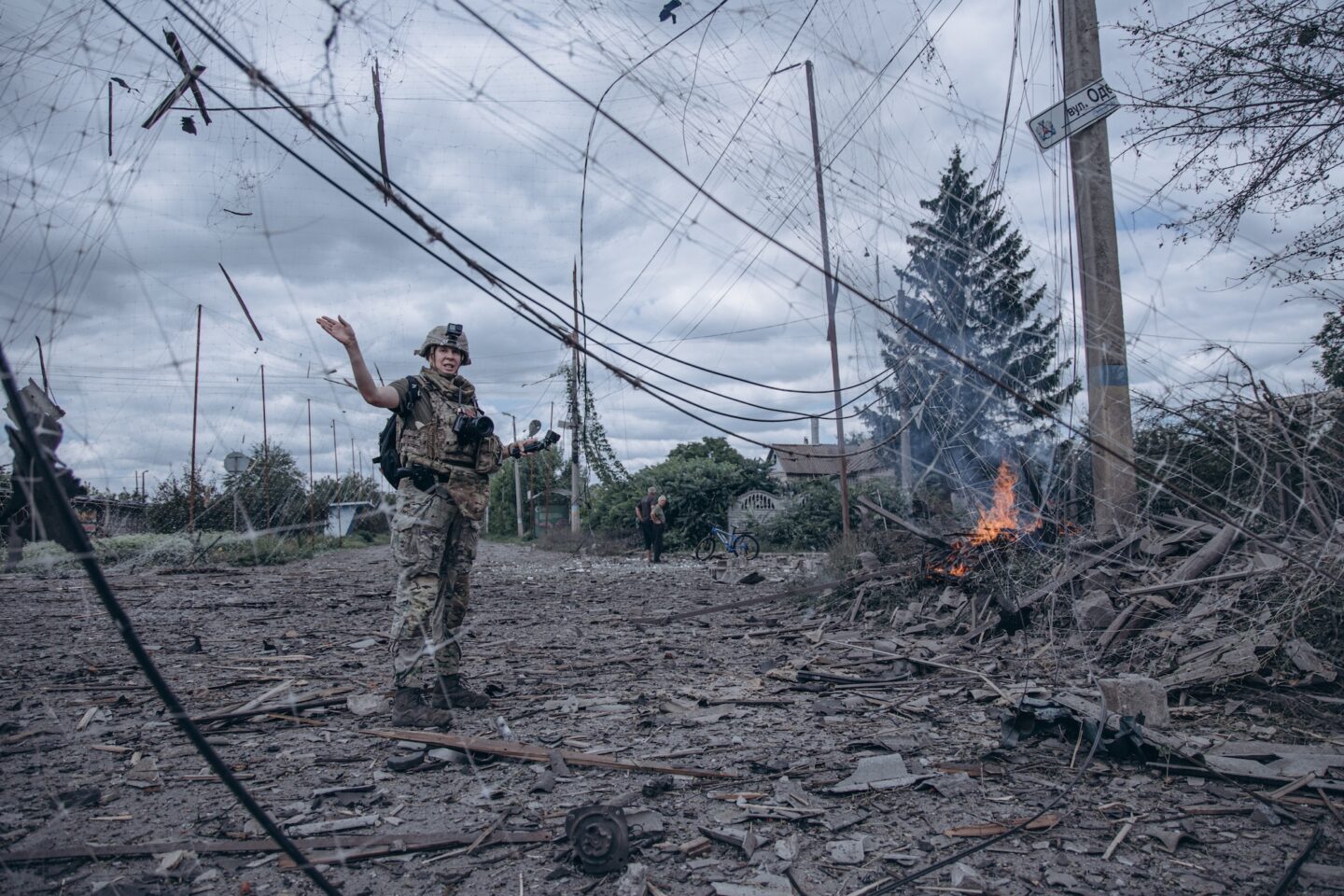
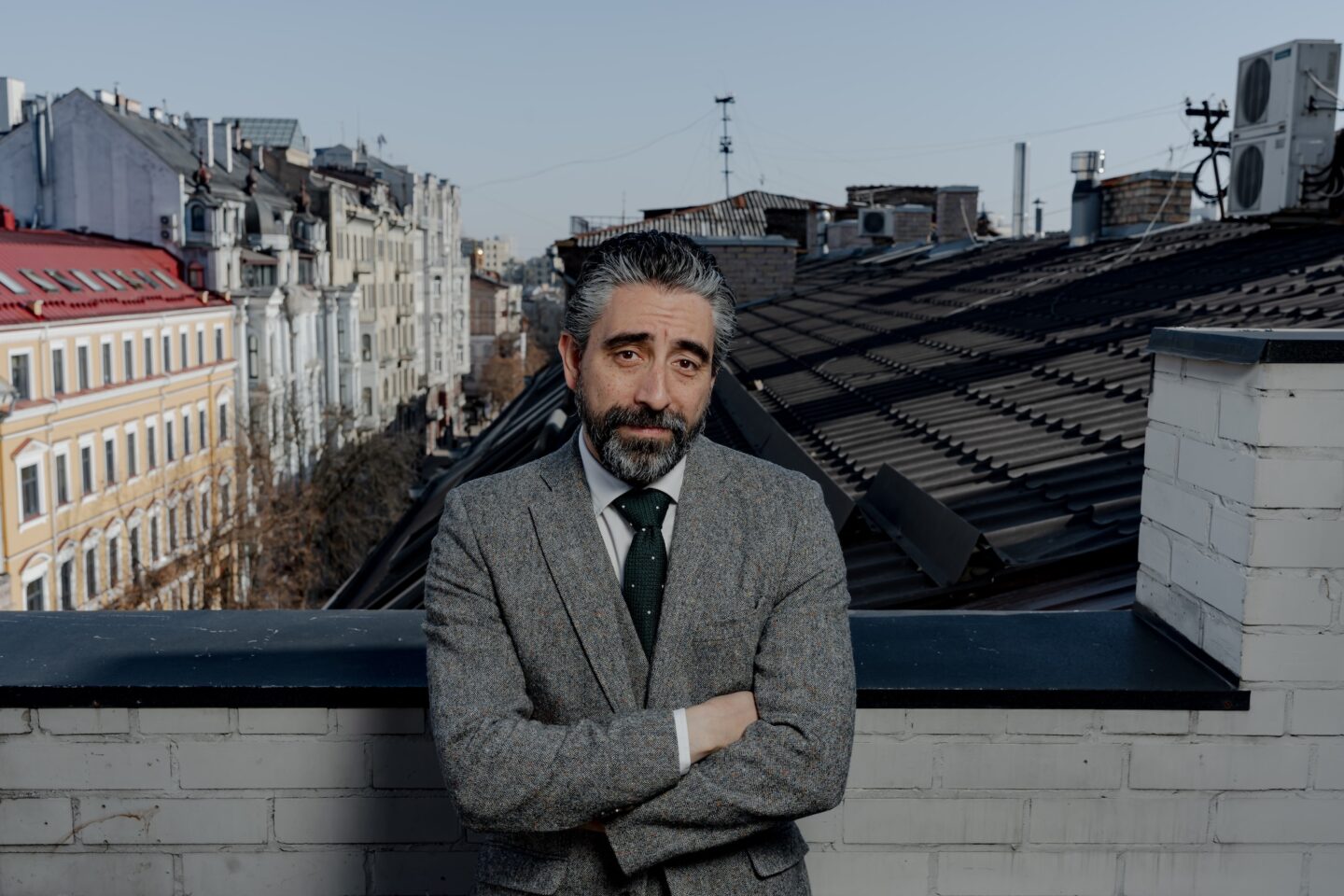
This is how Iryna Rybakova, press officer of the 93rd Kholodny Yar Brigade, a journalist and photographer before her service, saw Soledar before the occupation. The city greeted her with an artillery shell striking a house, debris from which repeatedly smashed the cars of visiting journalists. The remnants of its once-thriving salt industry lay scattered among the ruins.
The crumbling walls revealed a glimpse of the residents’ daily lives and work: inside some homes stood salt slabs carved into objects — icons, owls, bears, and, of course, salt lamps. Iryna picked one up as a souvenir. It was the war that introduced the photographer to the salt region, though she never got to experience its full grandeur. Her friends from Bakhmut had long been inviting her to the mines and salt sanatoriums, but she didn’t get to visit until August 2022, when the 93rd Brigade was redeployed from Izyum to Soledar.
At times, Iryna was afraid. When she heard an explosion, she would glance at her comrades — “Was it too close?” Their reactions, shaped by longer experience at the front, told her whether she should worry. Eventually, she’d grown used to it. She learned to distinguish between the sounds of incoming and outgoing fire, the approach of a tank shell, and the whistle of artillery.
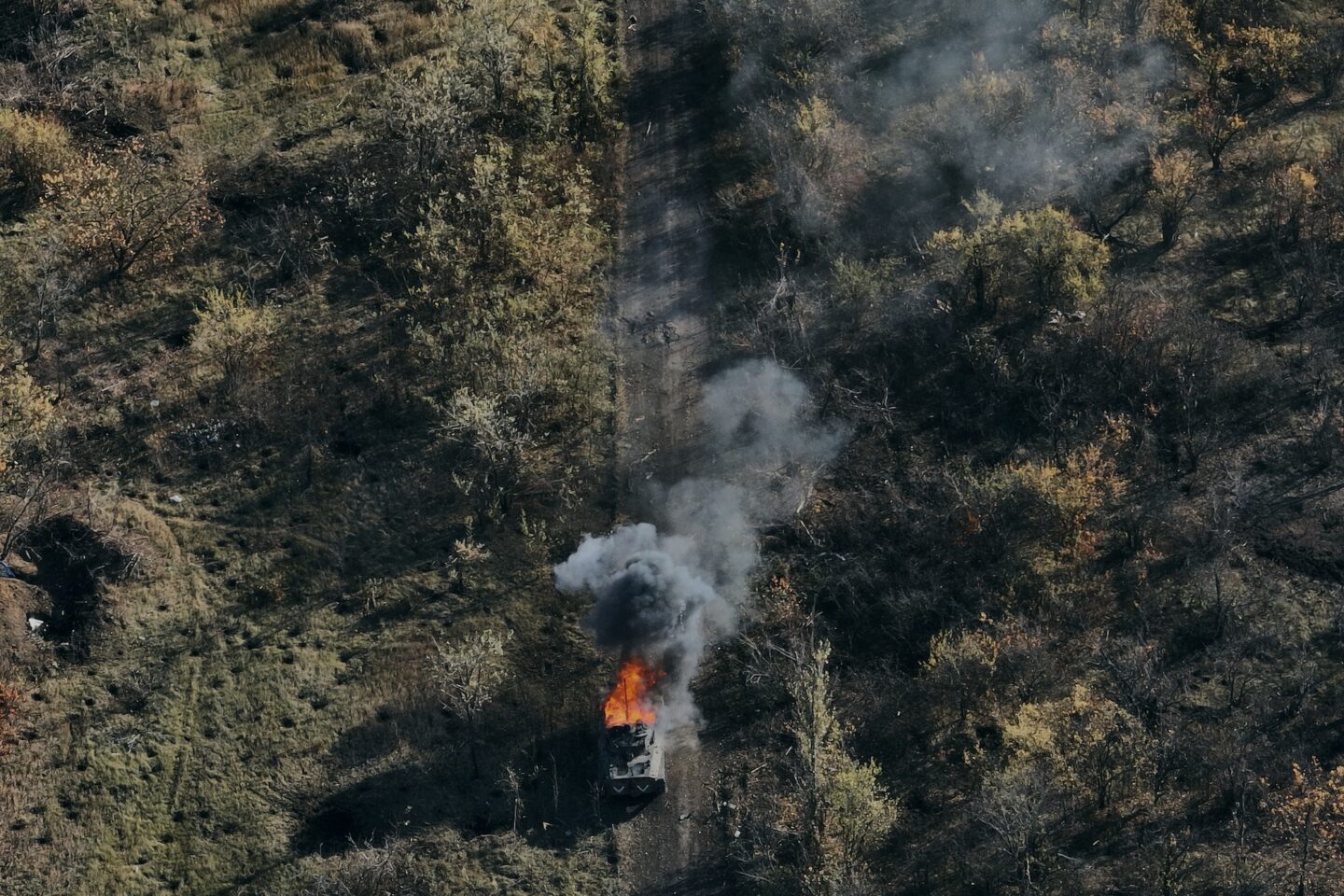
As Iryna recalls, the few remaining residents feared foreign journalists more than the whistling of artillery. One late autumn day, a man in shorts and a T-shirt came out of his house to meet Iryna, who had arrived with a team and a Polish journalist, but he didn’t invite them in, saying he was afraid they would disturb his two-year-old child. Explosions could be heard nearby. Smoke billowed from Artemsil on the outskirts of the city.
Soledar, the city of salt, no longer seemed to have any salt — at least in Iryna’s eyes. The city proved strategically important not because of its thirty-meter-thick mineral deposits, nor because of its first underground church with an altar carved from salt, or its subterranean sanatoriums with acoustic halls for orchestras, but because it stood on a hill — something far more significant, if you’re the military.
The plant’s cold basement had just been turned into a field hospital. There was no trace of salt left — except, perhaps, in the salt lamps scattered around after yet another shelling.
8.
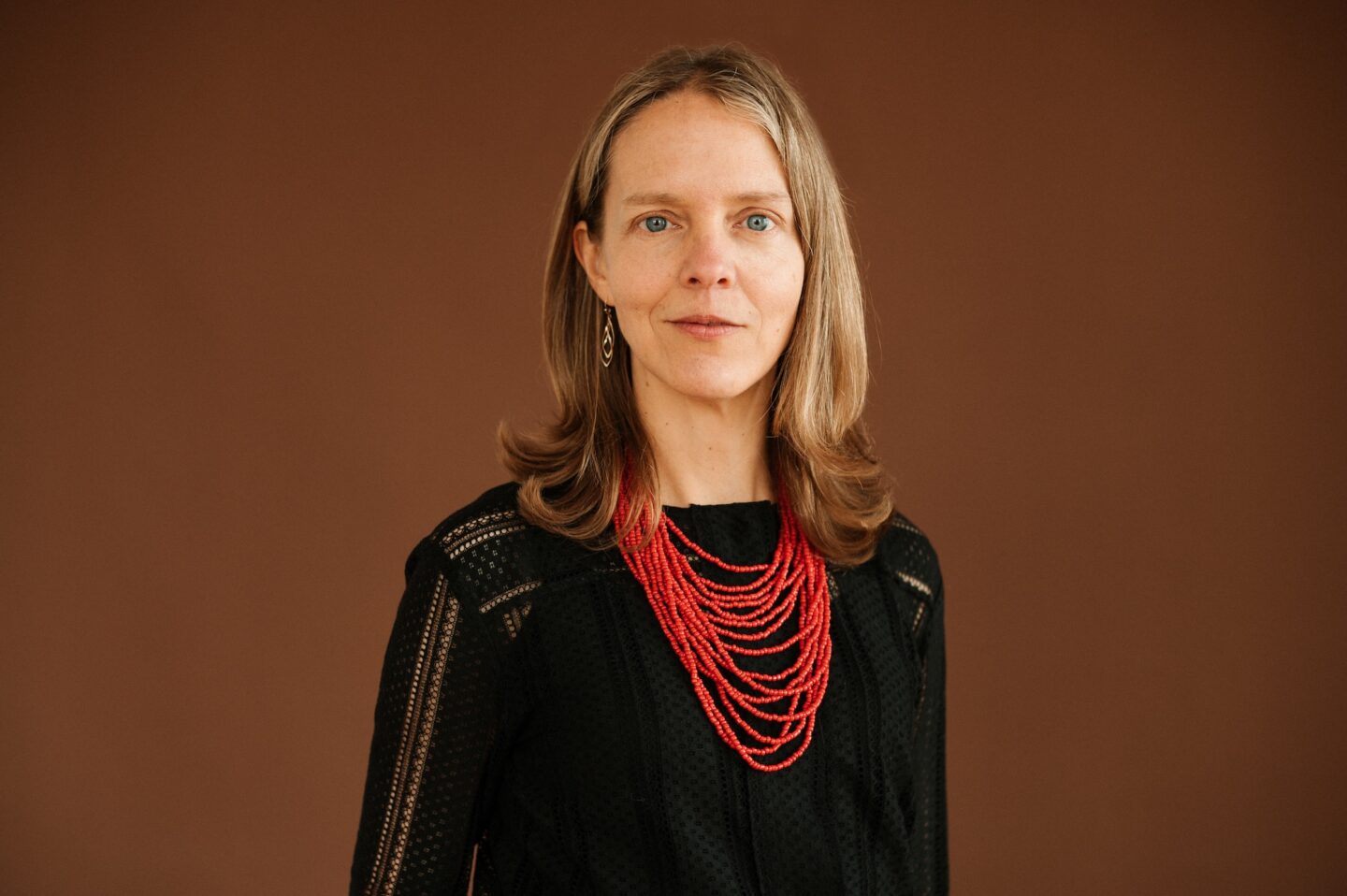
Mark believed his family’s archives were complete. He had no idea that someone was still buried in this land. He learned the truth by the lake beneath which the Bolsheviks had hastily submerged the salt mine. When a local historian told him that his great-grandfather’s six-month-old son, Reinhold, and his great-grandmother’s mother, who had not survived the cholera epidemic in Bakhmut, were buried in the remains of a Dutch cemetery, Mark was stunned.
Mark often reread family letters and studied maps of Stupky and Bakhmut. The longer he looked, the more they pulled him in. Not going there would mean leaving history as an abstraction — a story, a legend he could never experience as something real. After all, the people whose blood ran through his veins had shaped the life of this land. So he went and managed to witness what he wanted, what he could, just before the Russian army arrived.
“The Donbas my ancestors knew was never Russian,” says Mark. “It was a multi-layered, international region: German Mennonite farmers, Welsh steelworkers, Belgian miners, Dutch engineers, and Russian investors. Their cooperation was imperfect, and many did suffer, but the innovations that emerged revealed a different path — one based on exchange rather than domination. Now, knowing that Bakhmut and Stupky have been destroyed, that the land itself has been ravaged by war, grounding the region’s history in facts becomes even more important. The story of our Van den Meisenberg family — Dutch engineers, idealists, and social reformers — reminds us that Donbas was, and remains, part of European history.”
And the salt, of course — the salt of the earth — is here, too.
9.
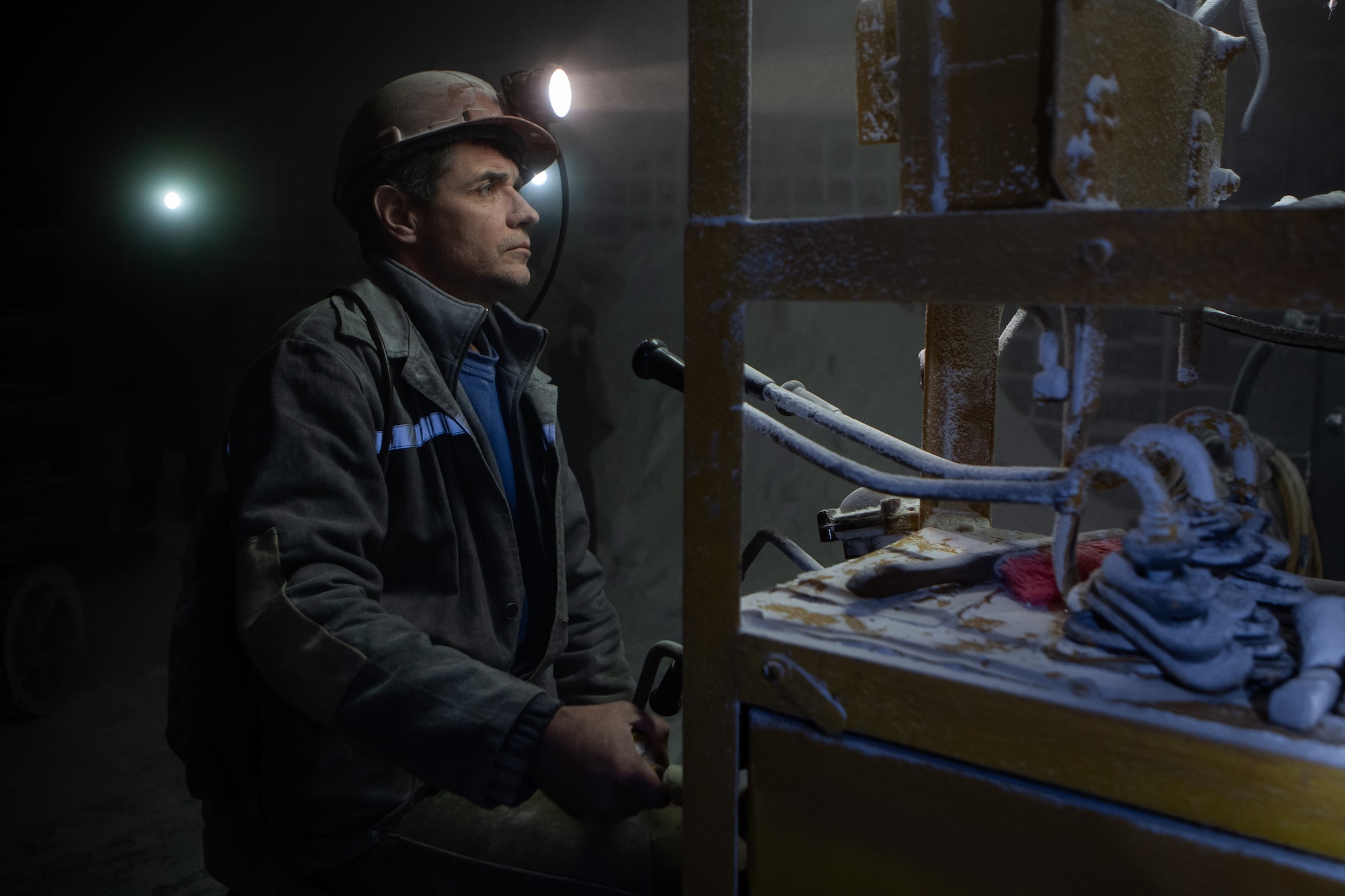
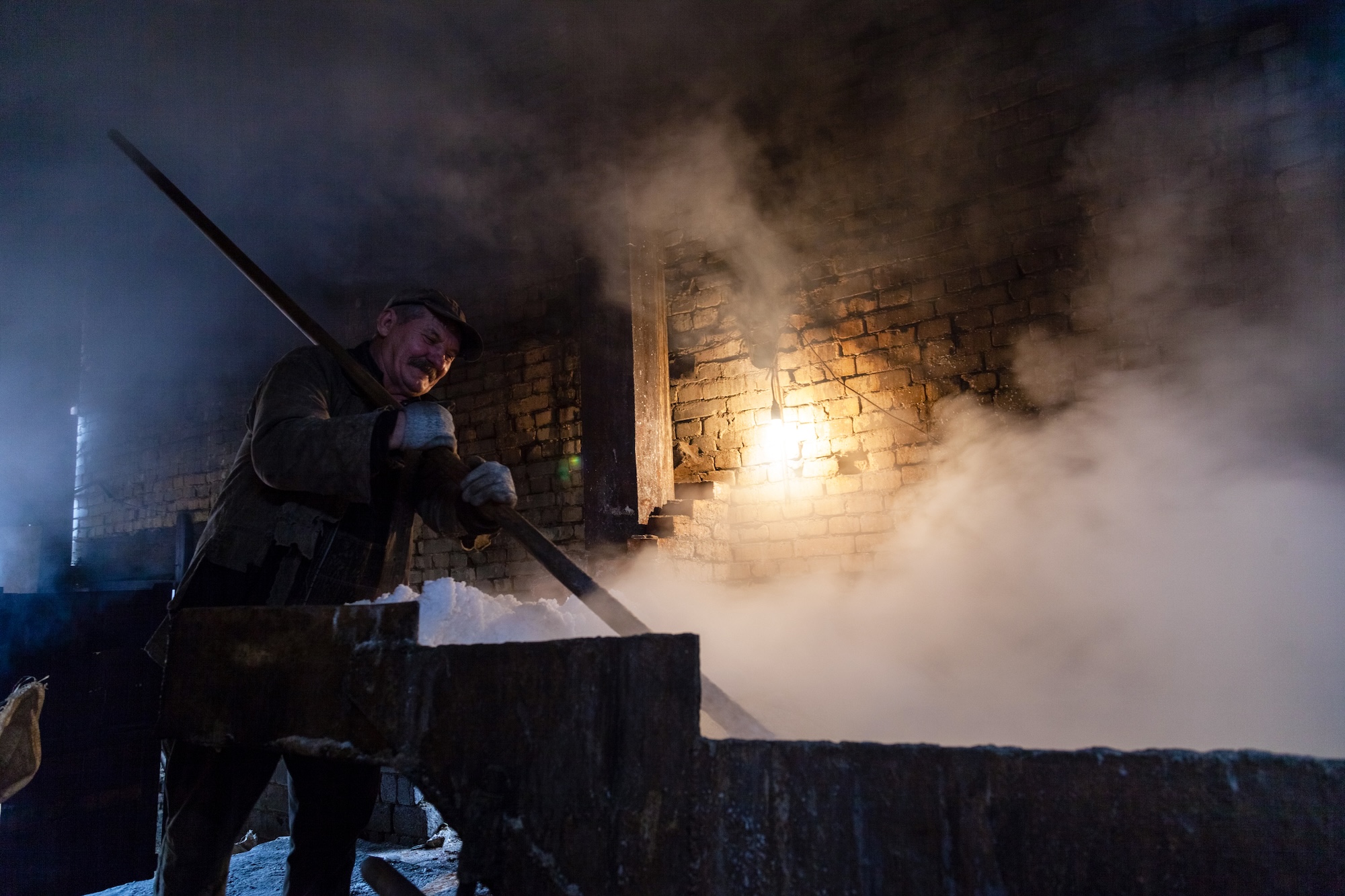
Everything is covered in salt: the workers’ lips after a shift, the yarn of a salt worker’s knitted sweater, his white-crusted, worn-out shoes, salty coffee, salty tea, salty hands. It’s salty in the mine, in the nearby shop, and in the pocket of 69-year-old Oksana — in a clear glass vial, the woman has grown salt crystals and now carries them everywhere with her. Some of this salt will stay here, some will be distributed to stores, some will be resold, and the locals will once again complain that they lack their own salt on the shelves.
“All the salt is here,” read the signs in the city’s shops. “Here” means Drohobych, even though only about one percent of the salt sold in Ukrainian stores comes from this town. “Here,” where “all the salt” is, lives a salt guardian — Oksana Bunda, a local tour guide and saltworks supervisor. Oksana isn’t made of salt, but she’s steeped in it, just like everything here, from her brand-new sneakers to her fingertips. She doesn’t even worry about her shoes: the salt will eat at the leather anyway, leaving deep cuts.
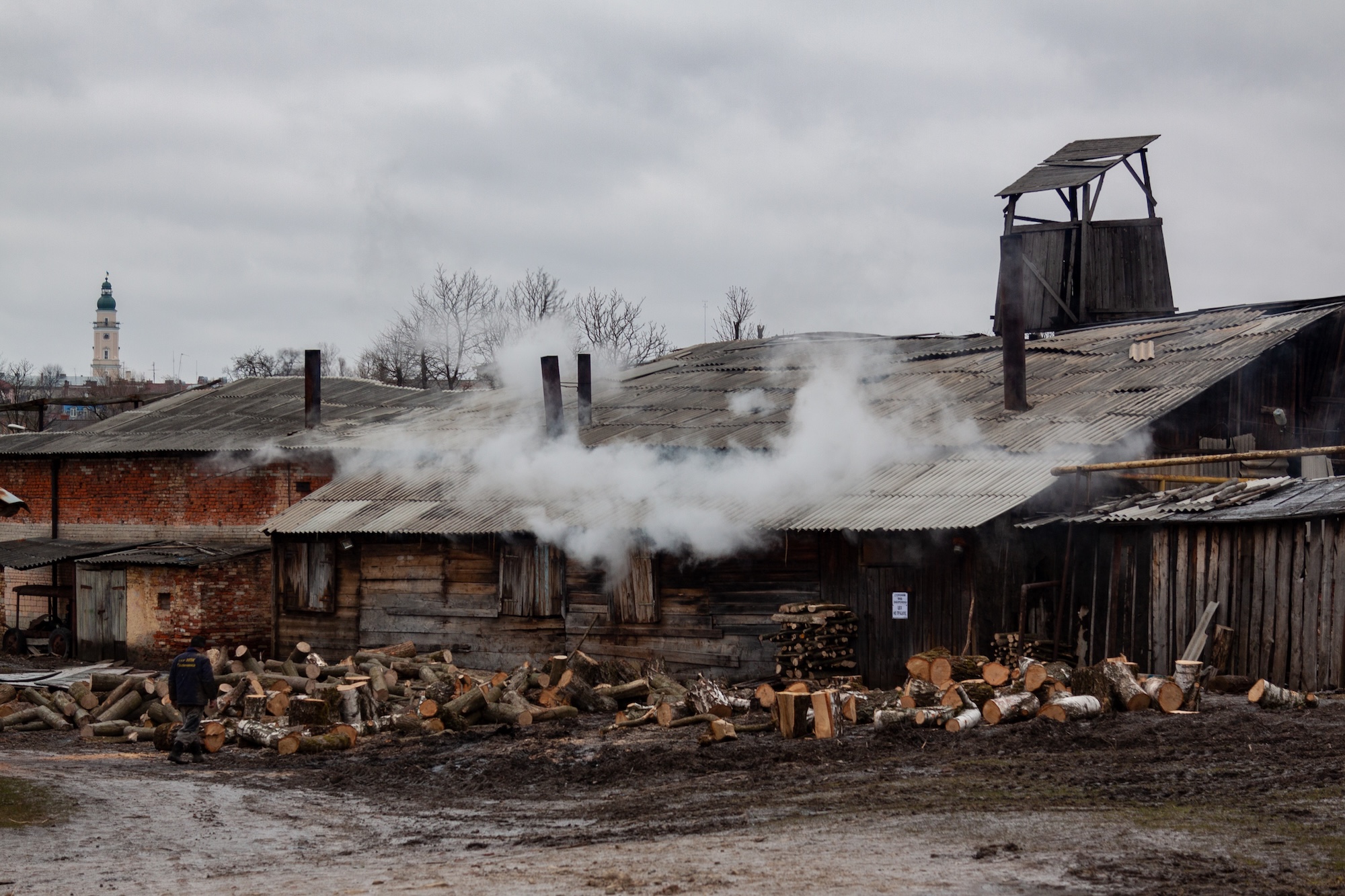
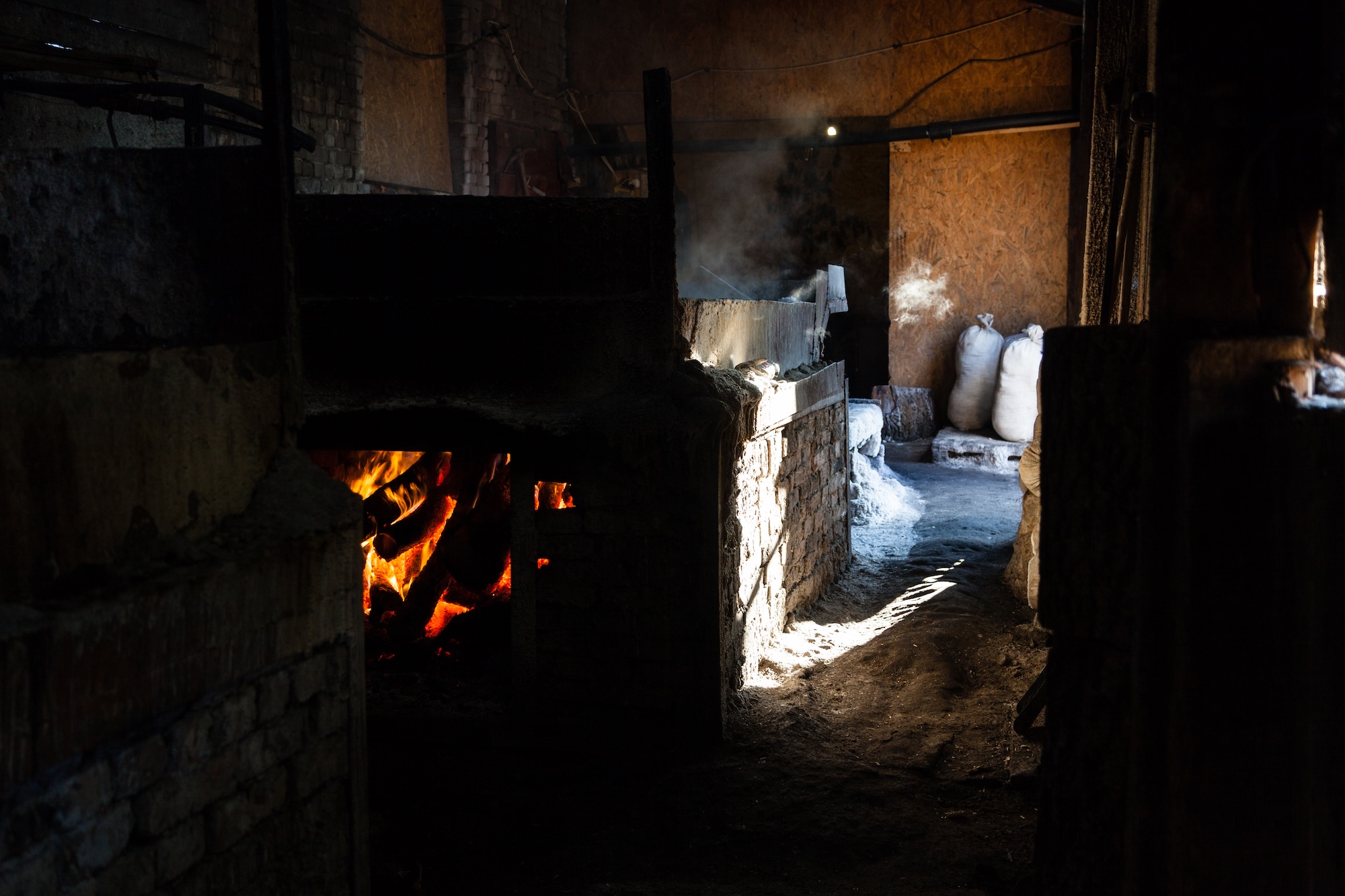
The world first learned of Drohobych salt from a letter written by Pope Boniface IX, dated March 15, 1390. In the beginning, the salt was simply evaporated here. No explosives were used in the salt strata — instead, a winch lifted leather bags filled with brine from the mines, and horses pulled them upward.
There are no more horses in the saltworks; today, pumps extract the brine, yielding the equivalent of 300 kilograms of salt per day. Three hundred kilograms isn’t much. But after Russian troops occupied Soledar, this is truly all the salt that we have.
10.
“Your skin is already so dry, mom. Maybe you should stop?” Oksana’s daughter says, dismissive of her mother’s beloved morning routine.
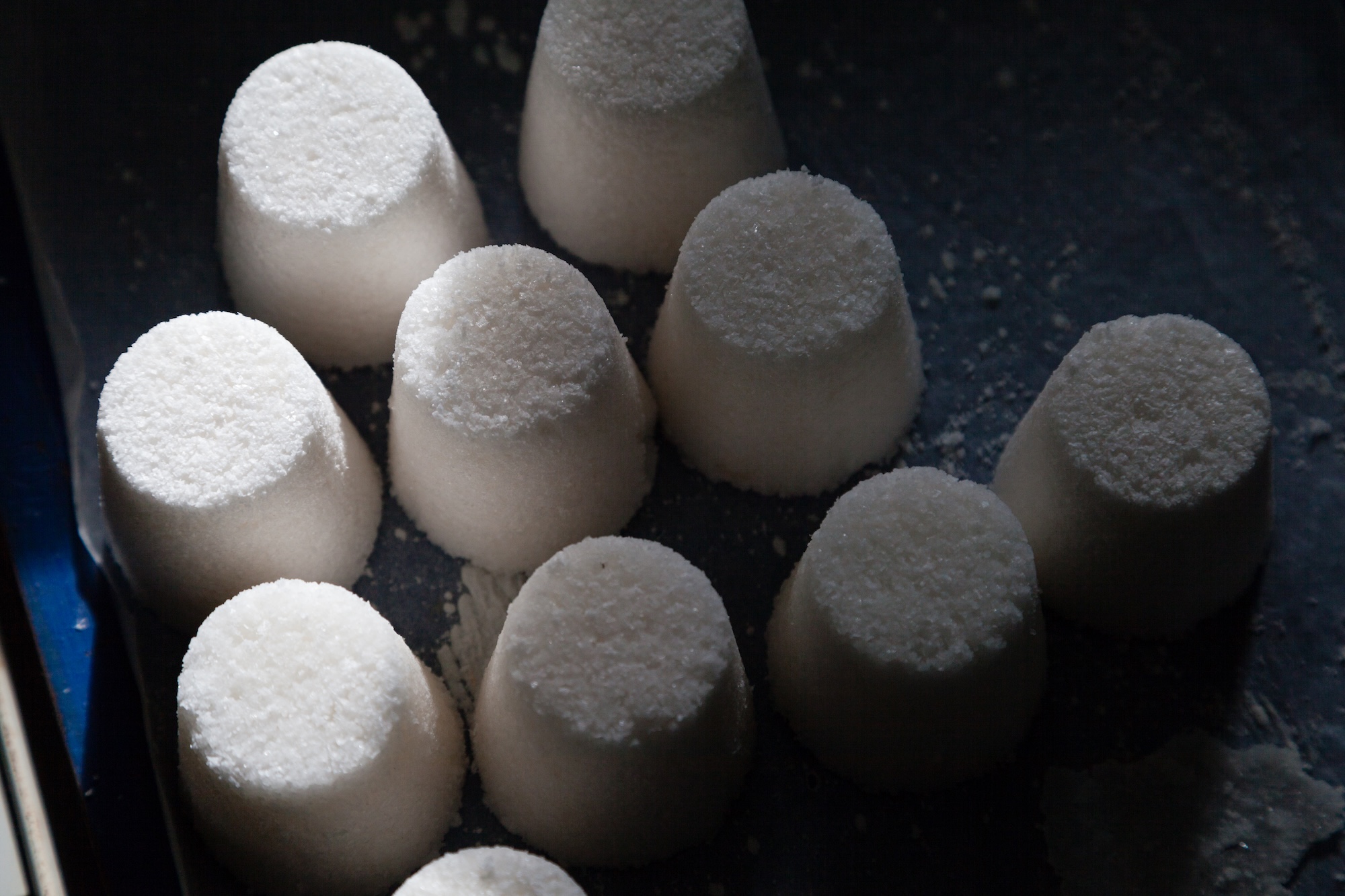
Oksana loves nothing more than washing her face with the stinging saltwater and then smoothing cold cream over her cheeks and forehead. But she listens to her daughter and stops. She agrees it’s time to take a break from the salt, but not from her work. So she sits down to craft a new “furnace,” a truncated cone of salt — her own idea and initiative, you might even say her patent. Oksana cares for it deeply because it represents both the saltworks and Drohobych itself.
It wasn’t as if Oksana had planned to become one with the salt. As a child, she had thought, “Salt is just salt.” She was fascinated by geology, by courageous people who ventured deep into the earth to discover the world. And salt? It was just salt.
The Drohobych salt mine needed Oksana, though she didn’t know it herself. She had just graduated with a degree in geology and had come with her daughter to visit her parents at their family home near the saltworks. At that time, her professor from the geophysics department was working at the mine. The ground was caving in, and they were looking for a hydrogeologist.
“We need someone with rescue skills who also has a background in hydrogeology. The ground at the saltworks is caving in. Can you help?” That’s roughly how the professor framed the proposal.
Oksana is a geochemist, and she had to brush up on her hydrogeology. It wasn’t exactly her field, so she hadn’t planned to stay at the mine for long — ambitious Oksana was focused on pursuing a PhD and a career in science. But the salt needed someone who loved it wholeheartedly.
Back in the early 2000s, at the turn of the century, Oksana’s eyes lit up at the reactions of the mine’s occasional visitors. Tourists would call, asking for a tour of the saltworks, and she would reluctantly agree. Over time, those occasional visits grew into a steady stream of tour groups, so Oksana armed herself with a megaphone. She loved it when guests noticed and marveled at the salt just as much as she did. And when she heard words of disappointment from some tourists, Oksana would grab a shovel from the pan where the salt is boiled, pull it toward her, and show how the grains scattered naturally into the shape of a flower, enchanting the group all over again.
At the salt shop, Oksana drinks her coffee without sugar; they do serve coffee with salt here as well. Still, the woman offers sugar, probably out of politeness.
Drohobych salt is but a pinch. A strategic reserve is stored in the city center: 121 containers — 50 kilograms each. Oksana skillfully pressed them, and an artist from Lviv sealed them under glass. “Break the glass if necessary.”
When the Russians occupied Soledar, Oksana’s mine in Drohobych, and Oksana herself were unprepared. She had never thought of the industrial giant Artemsil, now in ruins, as a competitor. Oksana and everyone in Drohobych understood that their salt was just a drop in the ocean. Yet the saltworks has been extracting that seemingly endless drop here for hundreds of years.
Amidst the last salt we have — this final pinch — Oksana is the salt queen. In the fairy tale where a daughter tells the king she loves him as much as she loves salt, and he foolishly banishes her, it seems that the daughter could have been someone like Oksana from Drohobych. Only when the salt disappears does the king understand what she had meant.
The Drohobych saltworks has been in a dire state for a long time: worn-out equipment, low revenues. And we don’t want to say “I love you like salt” — because we know what can happen next.
Translated from Ukrainian by Liubov Kukharenko