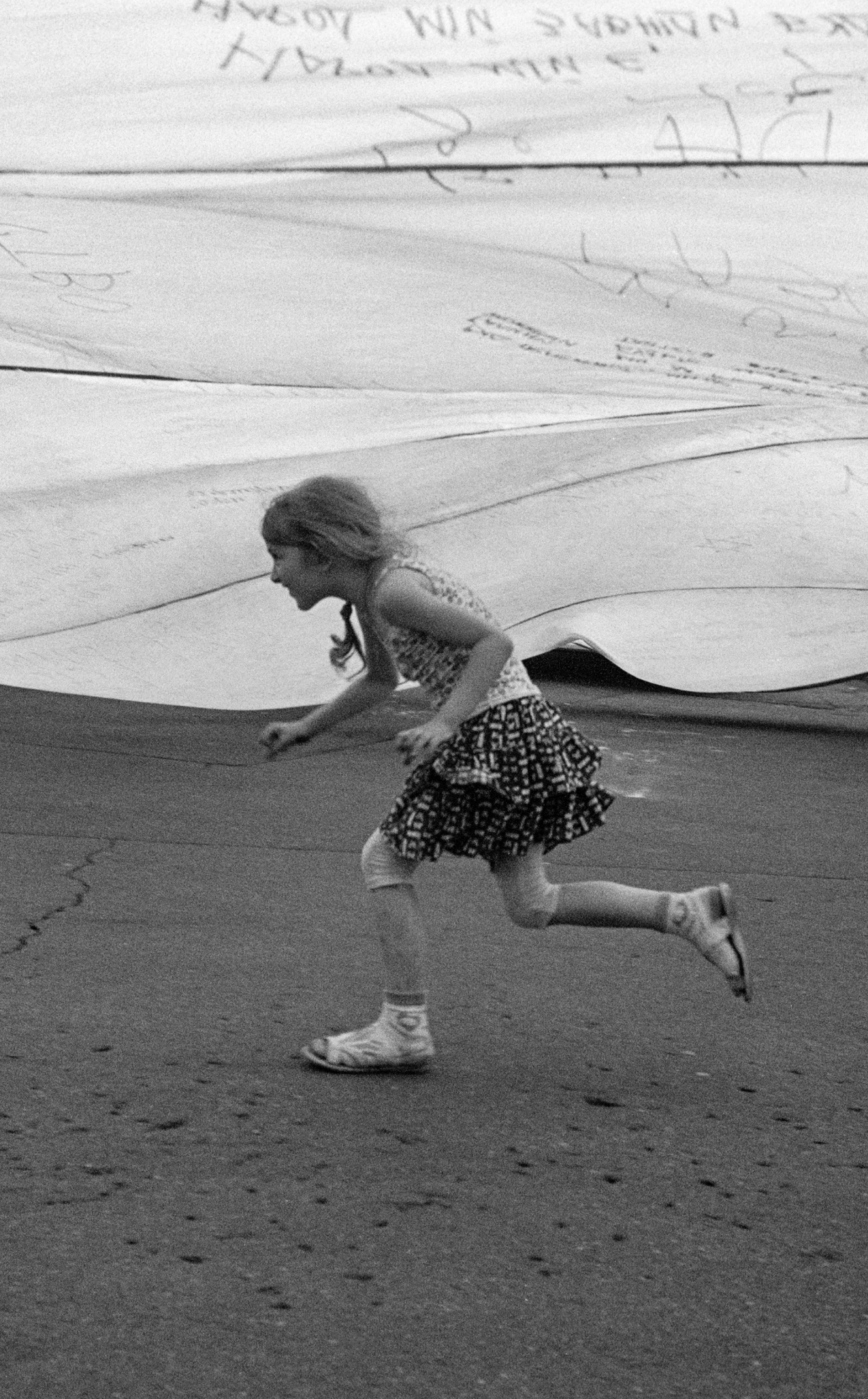
Oleksandr Glyadyelov’s Independence
This article was created in partnership with the Ukrainian Association of Professional Photographers

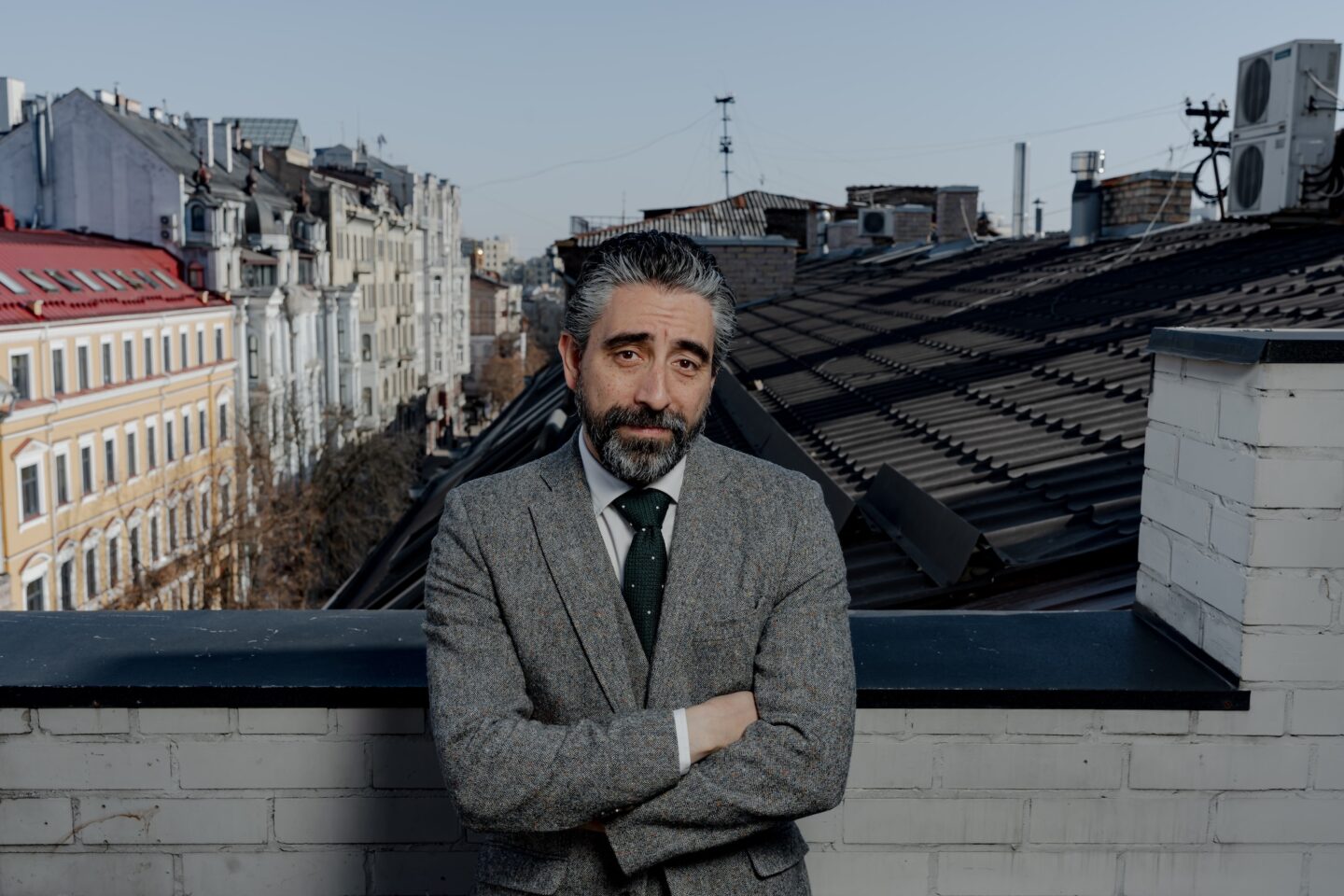
In the summer of 1989, Oleksandr Glyadyelov embarked on a new path — one he follows still.
Before that, he had worked as an optical engineer at the Institute for Strength of Materials in Kyiv, where he developed laser measurement systems. Among other things, he devised a circuit for a device that measures the speed of airflow over a helicopter rotor. When he finished, with his sense of duty fulfilled, he immediately wrote two letters: one requesting a vacation and the other requesting resignation. Photography began to take up more and more of his time.
Ukraine, too, was about to embark on a new path.
Oleksandr Glyadyelov sums up both of these paths in a single word: “Freedom.”
Newspapers and magazines (initially the ones based in Moscow) began reporting on the Soviet regime’s mass repressions. Riding the wave of “glasnost,” the uncensored truth about the Chornobyl disaster came to light. Kyiv residents took to the streets in protests and hunger strikes, demanding democratic change and independence. Flags fluttered among the protesters: yellow-and-blue and red-and-black. People established civic associations and creative unions.
Glyadyelov was a member of one such group — the photographers’ collective called Pohliad [Ukrainian for “gaze” — Ed.], which became a hub where a new form of documentary photography and a contemporary way of commenting on reality took shape, in contrast to the old Soviet canons. The first exhibitions of this informal group were shut down by “specially trained people” an hour or two after they opened.
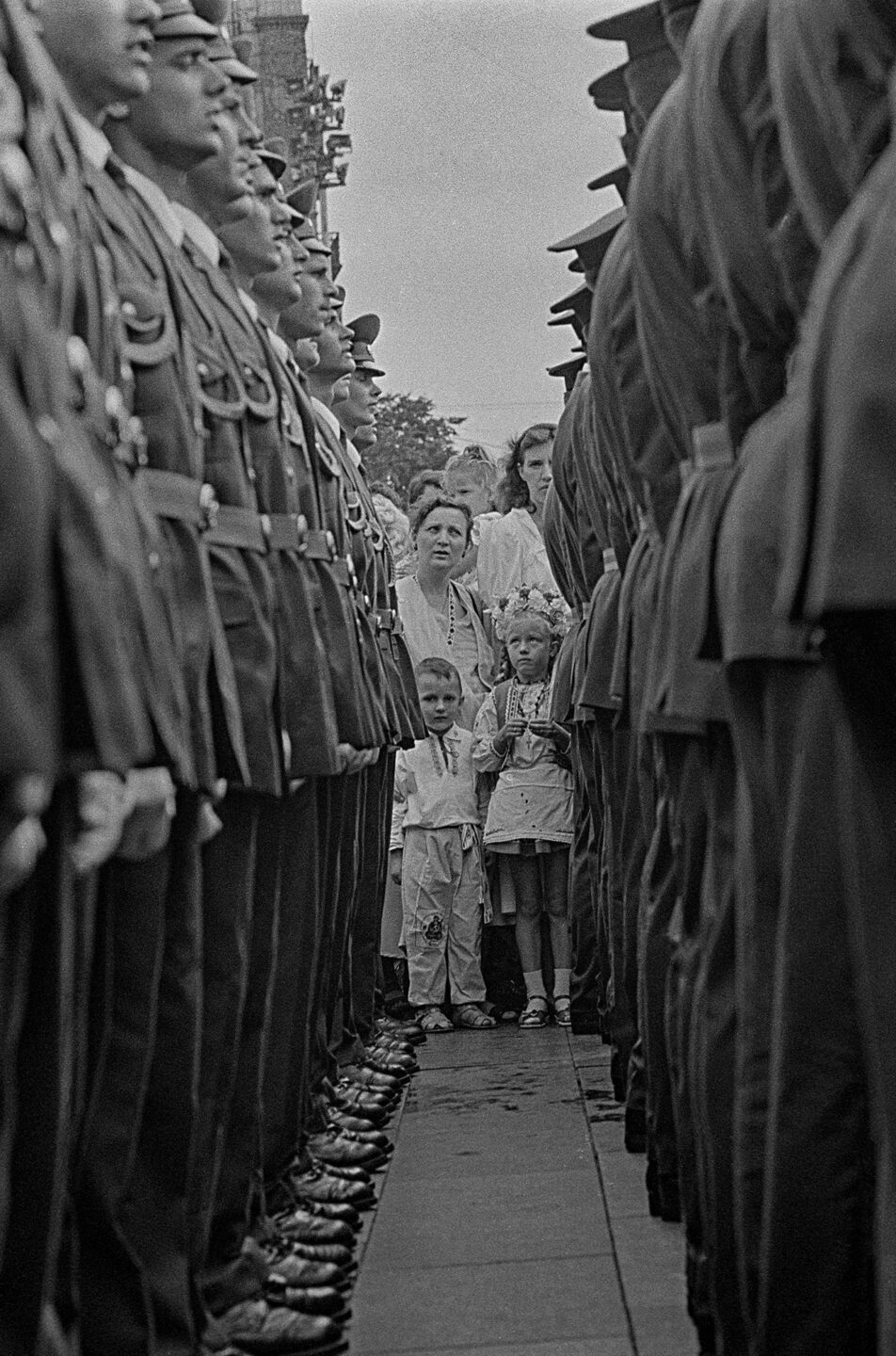
“Back in Soviet times, photographers would carry formal ties to put on harvester operators. Their photos were supposed to be ceremonial, exemplary, heralding new achievements and a bright future. They were meant to show only the very best of the Soviet people, culture, sports and nature,” says Oleksandr. “But what we captured were the paradoxes of real life. For example, my colleague and one of the group’s founders, Valerii Reshetnyak, who grew up in a village himself, took candid photographs of life in Ukrainian villages. He also documented adults living in dormitories — the so-called ‘small-family units.’ It was the unvarnished reality, not the permitted propaganda.”
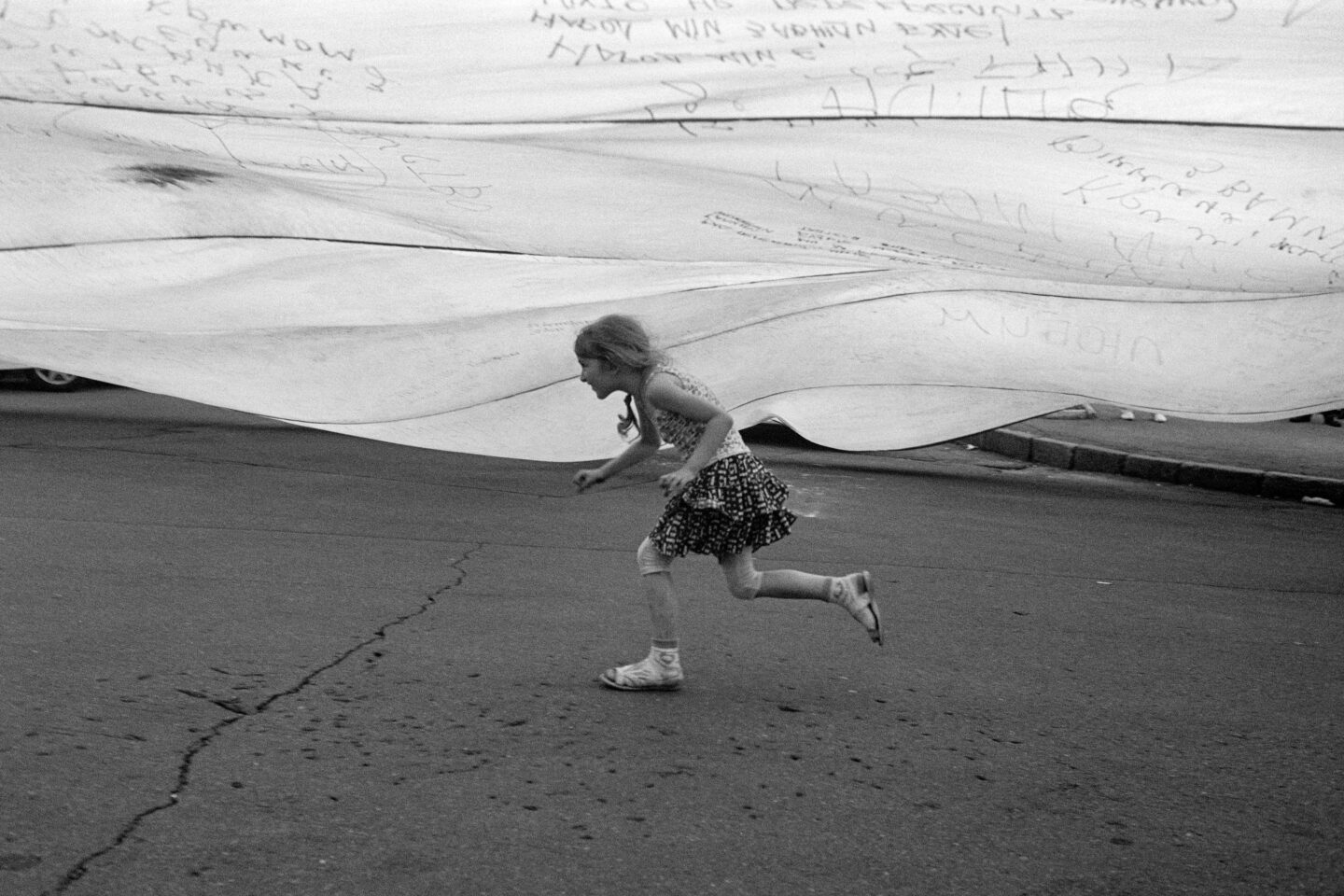
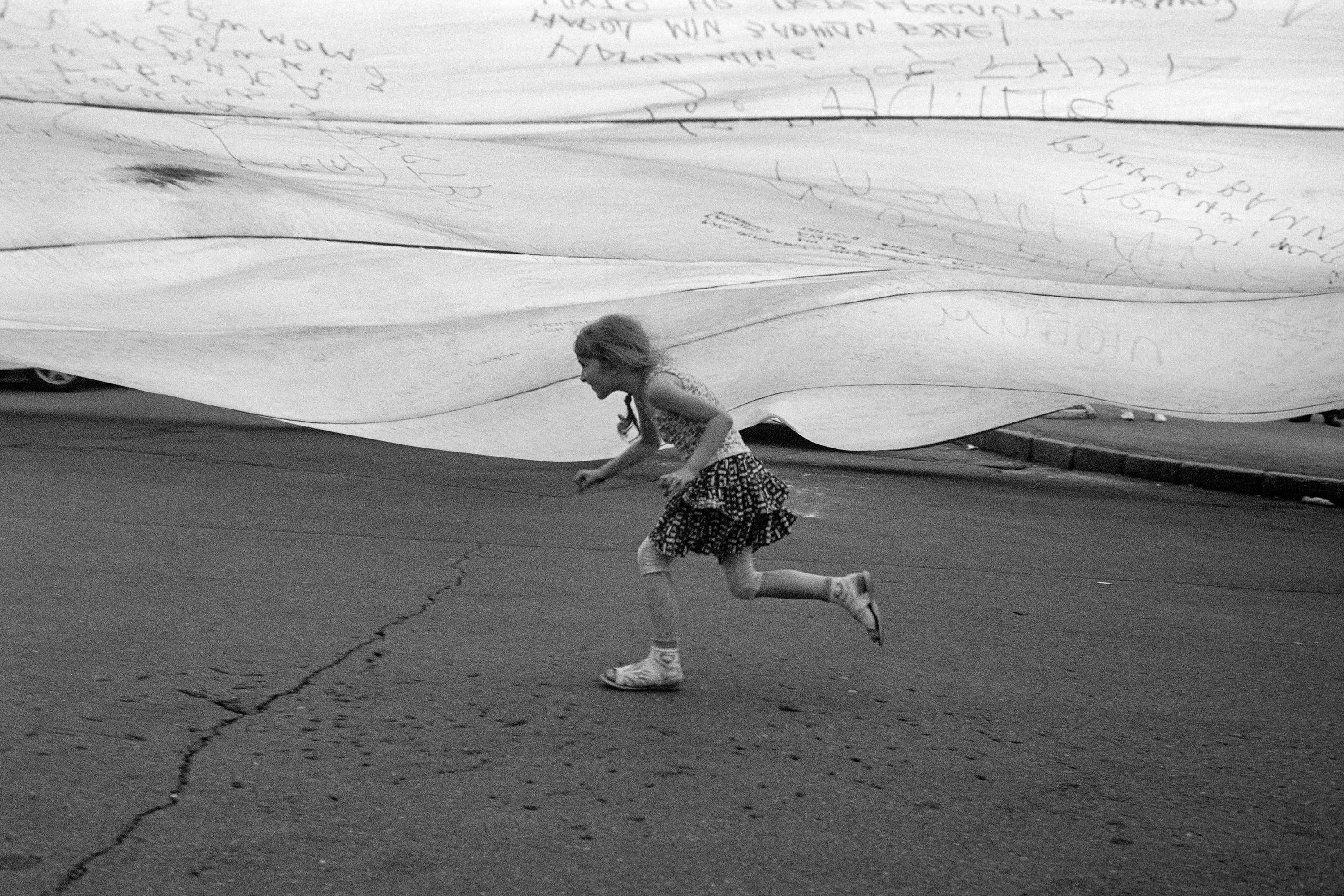
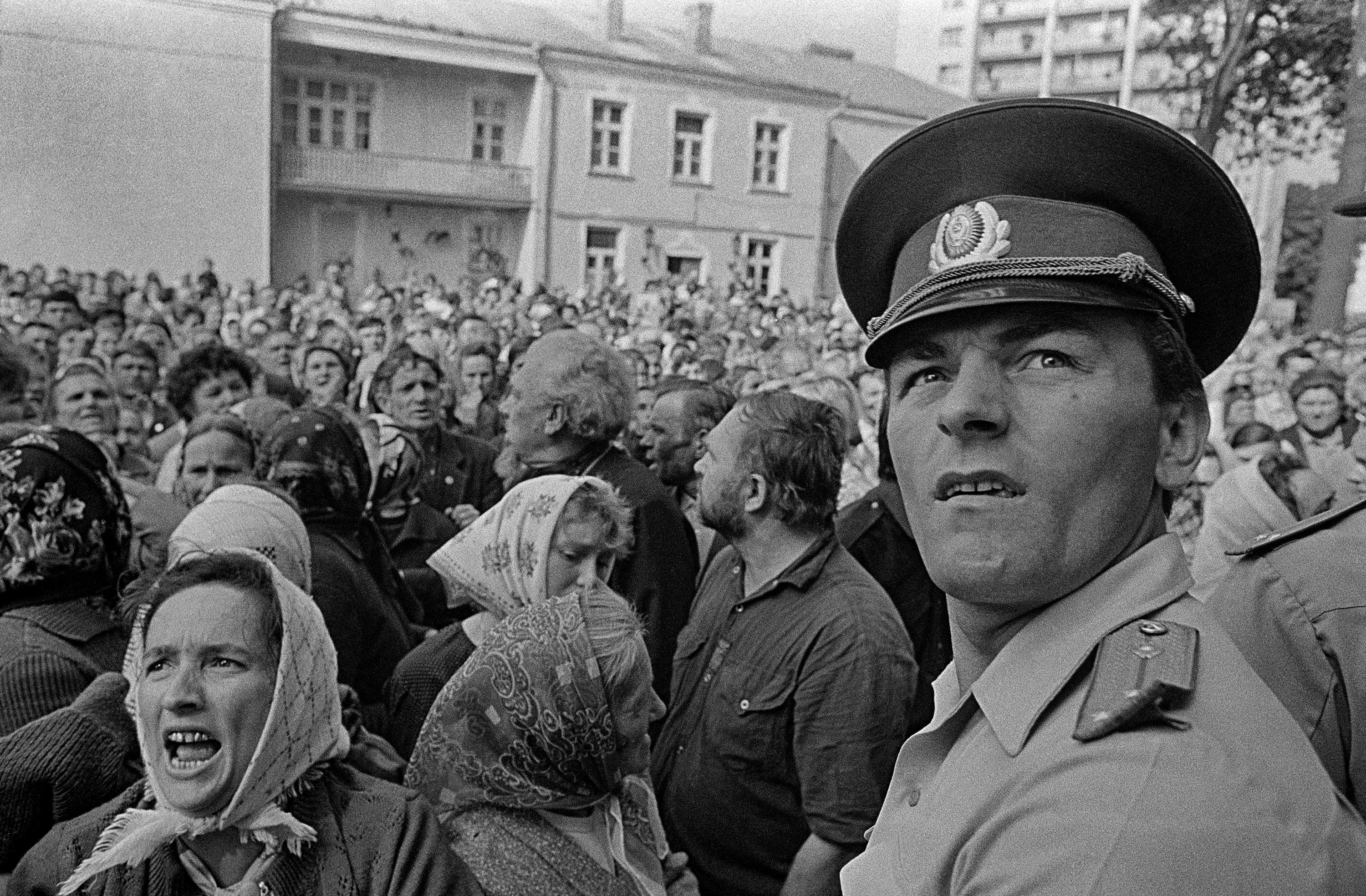
Pohliad laid the foundation for independent Ukrainian photojournalism and focused on pressing social issues. Glyadyelov never parted with his camera again. The early years of Ukrainian independence were for him — as they were for the whole country — everything at once: a carnival, an explosion and poverty that spurred ingenuity.
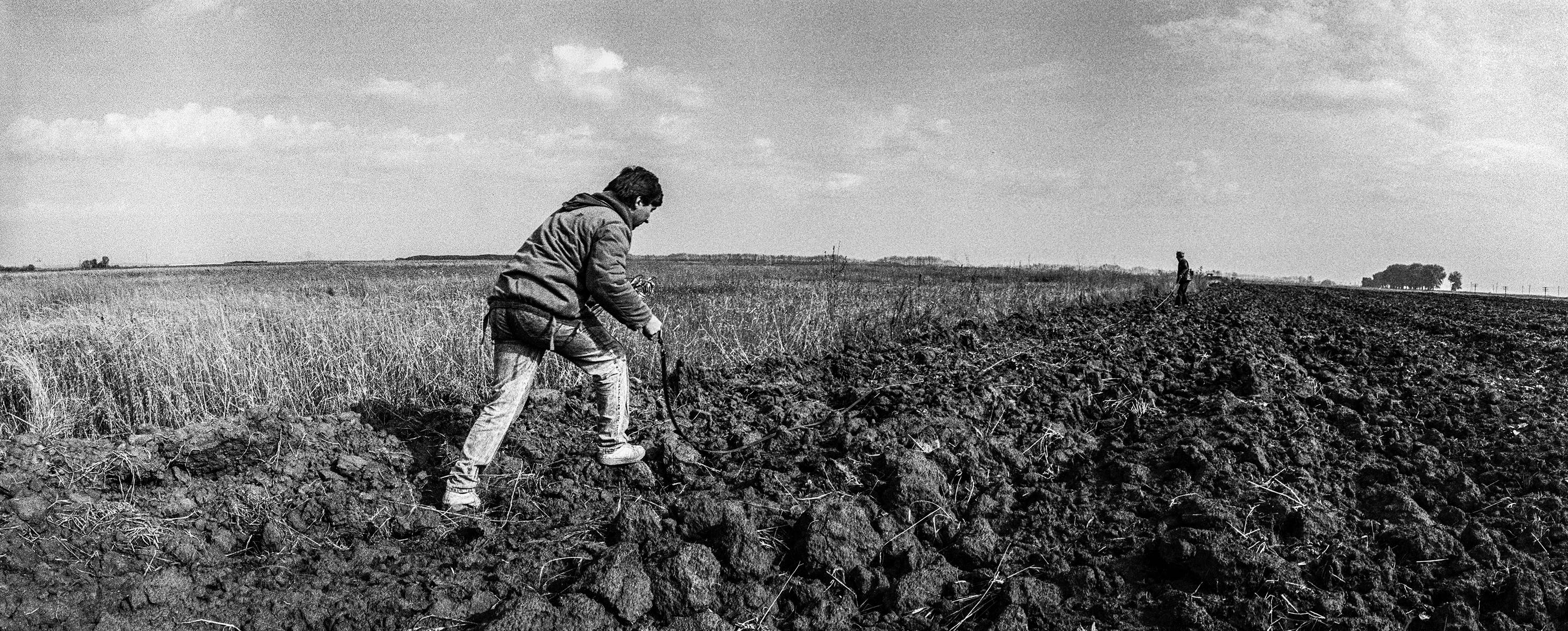
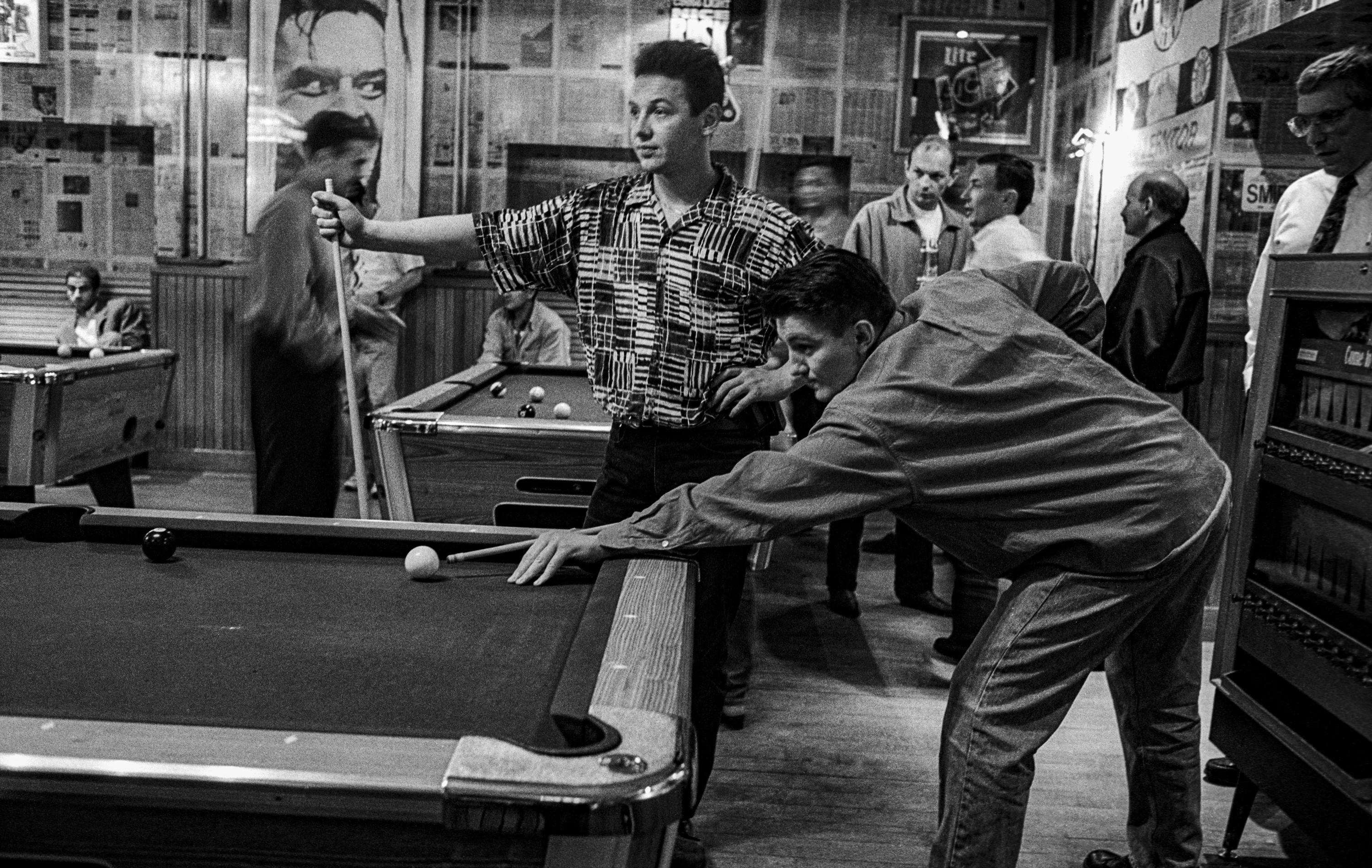
“There was a lot of theatrical, on-site activity. Artistic performances were staged, licensed CDs appeared in stores. Farmers who had previously dreamed of owning their own land were now setting out to farm it. Combine operators who switched from Kolos to John Deere said it felt like operating a spaceship. For many, independence was unexpected, but eventually it felt natural. People were trying out new ways of life.”
Oleksandr was no exception. At various times, he worked as a columnist, copywriter and photographer for a newspaper, but at a certain point, he decided that his personal freedom lay precisely in documentary photography — in the ability to work on something that endures over time.
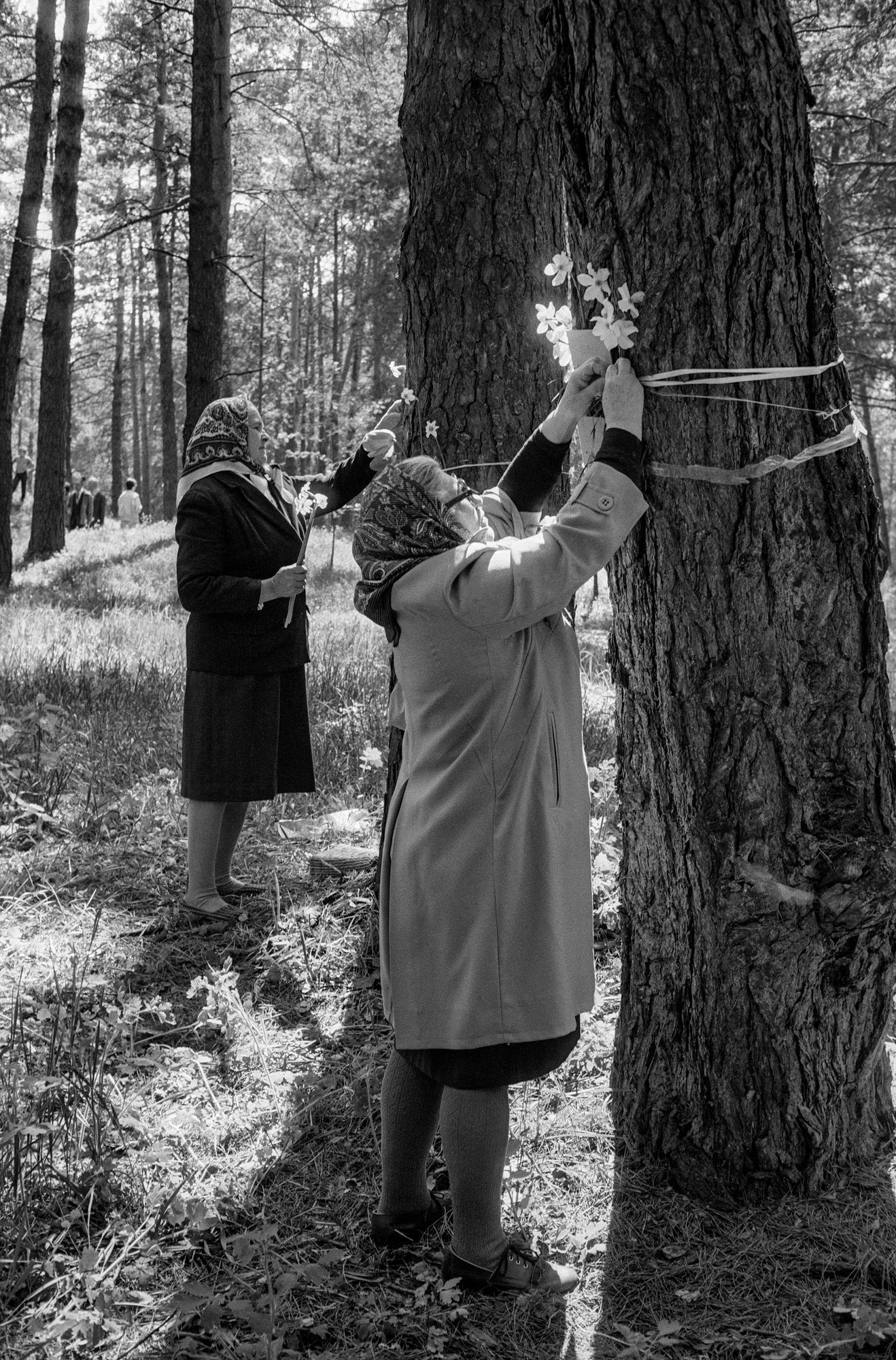
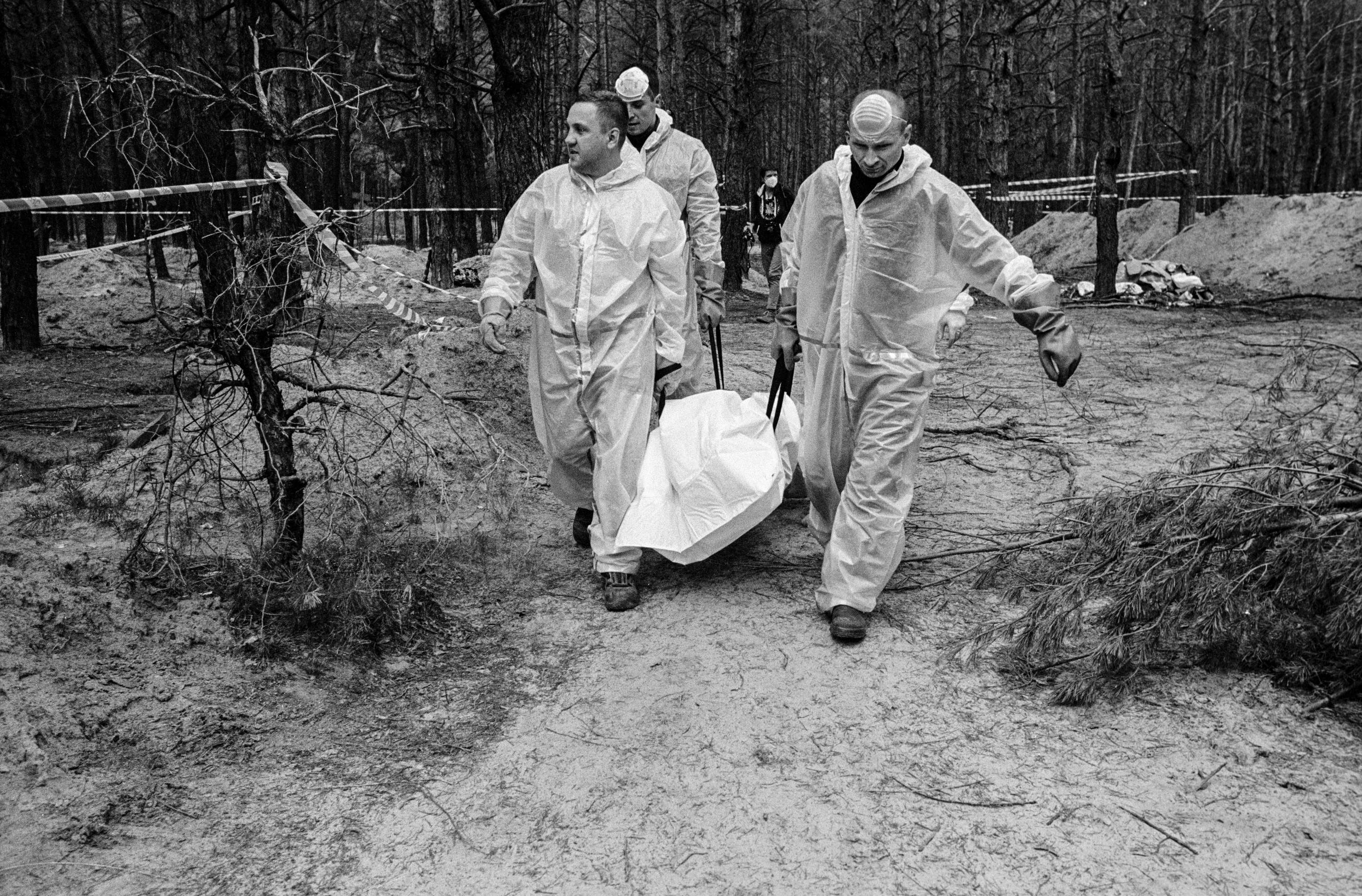
His lens captured some of the first — after 50 years of censorship in the Soviet Union — commemorative events honoring those who were murdered in Bykivnia. People lay beneath the pine trees, killed without a name or a burial. Oleksandr photographed the plaques on the trees bearing the names of those who had been shot, and among the people who had come to commemorate their loved ones, he recognized a photographer he knew. He was lying there, leaning against a pine tree and weeping. Oleksandr lowered his camera.
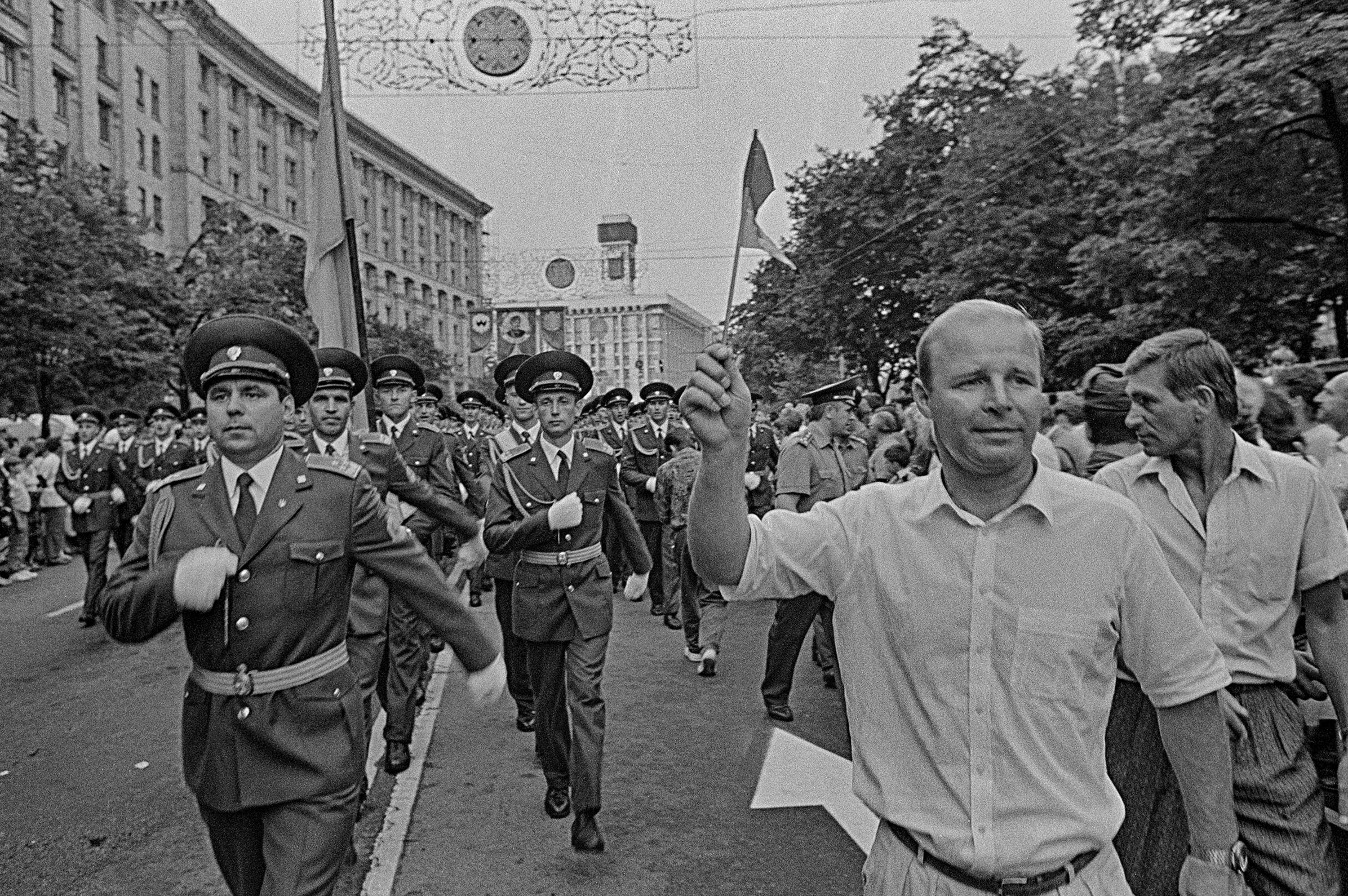
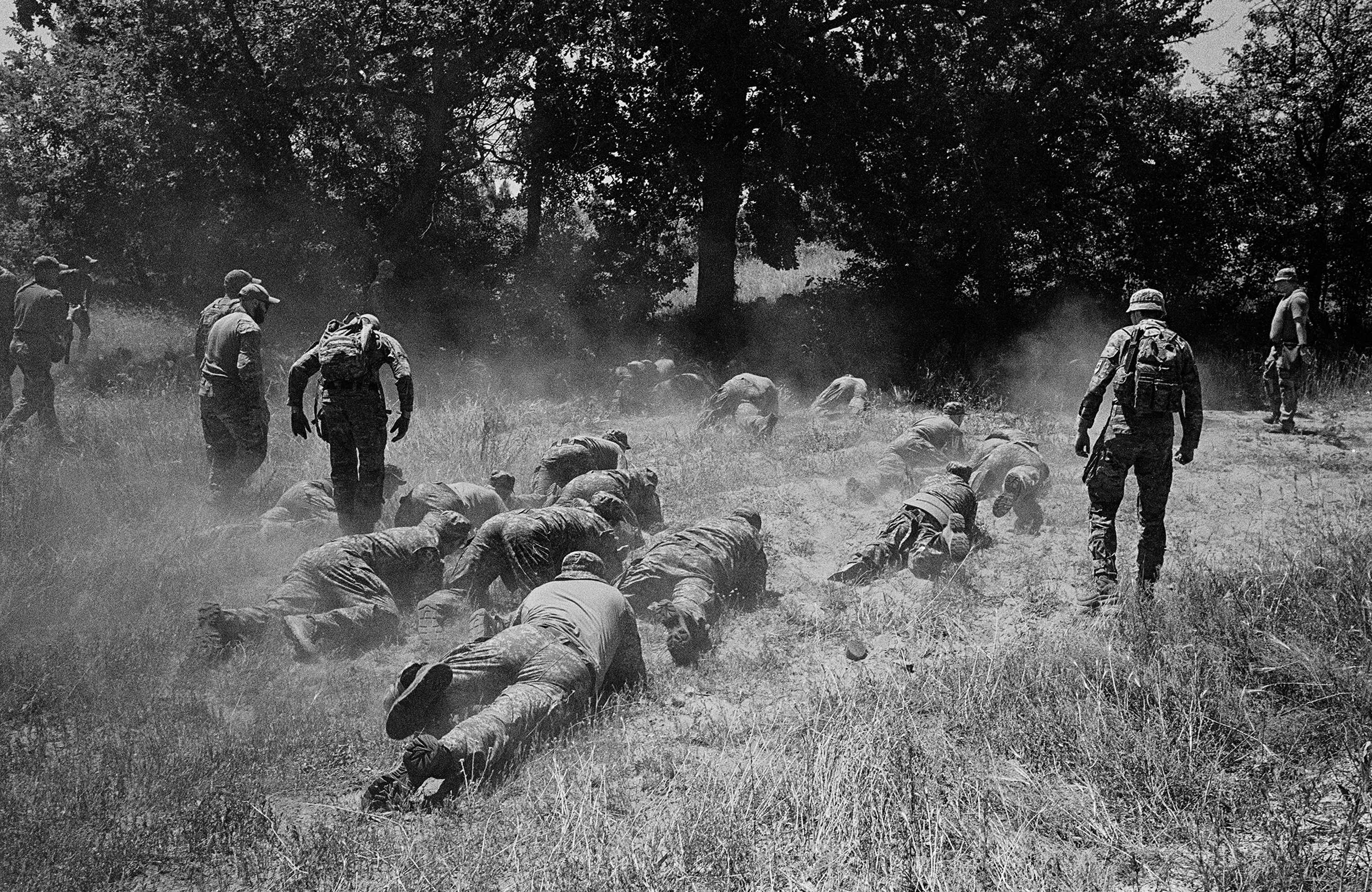
In 1992, the soldiers in the Ukrainian National Guard — at that time still a very young organization — were captured by Glyadyelov’s lens: “The first iteration of our military was strong and pro-Ukrainian. Many officers of the Internal Troops, who had already taken part in conflicts within the Soviet Union, returned home when independence came. They all swore an oath to Ukraine.” This version of the National Guard was disbanded in 2000.
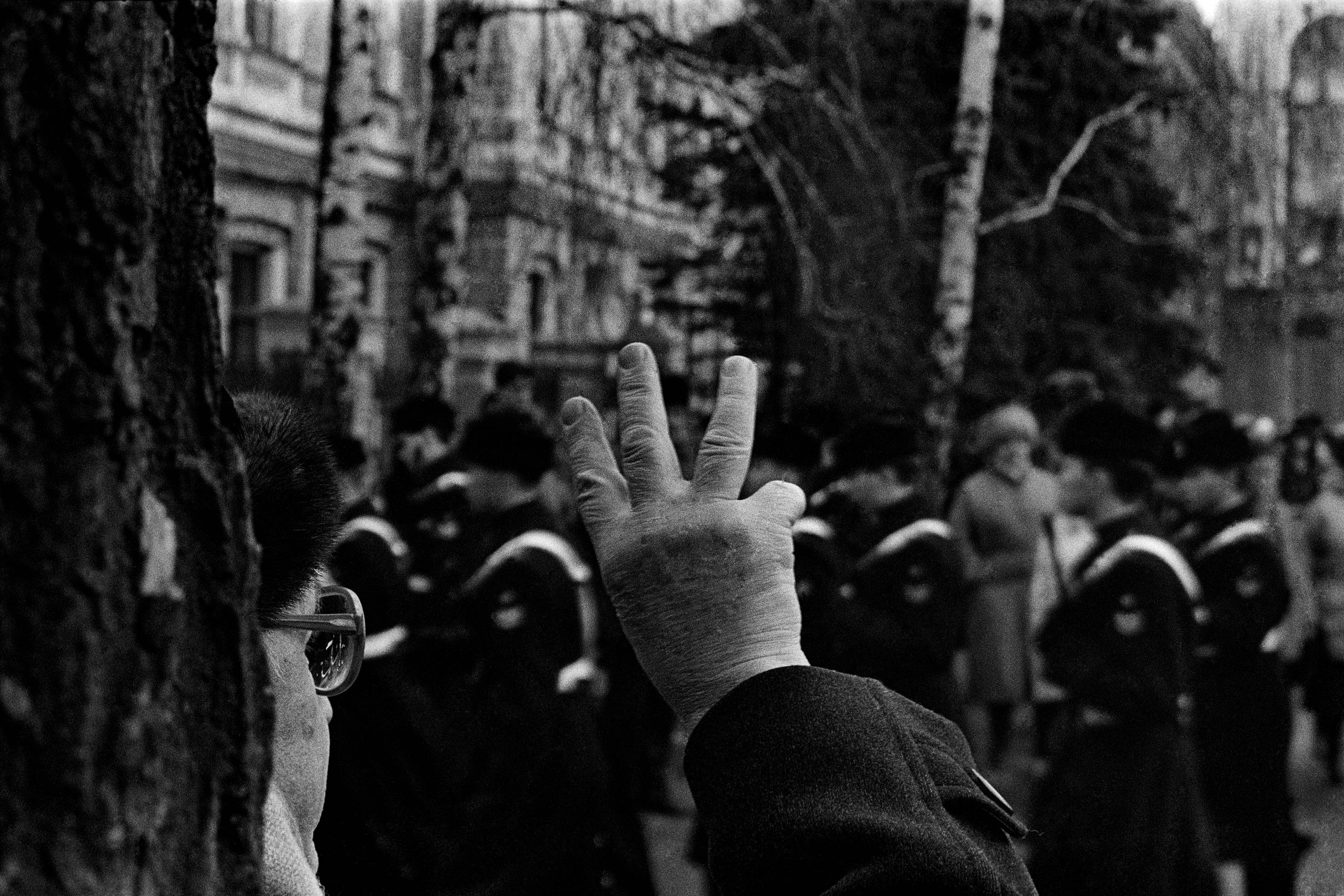
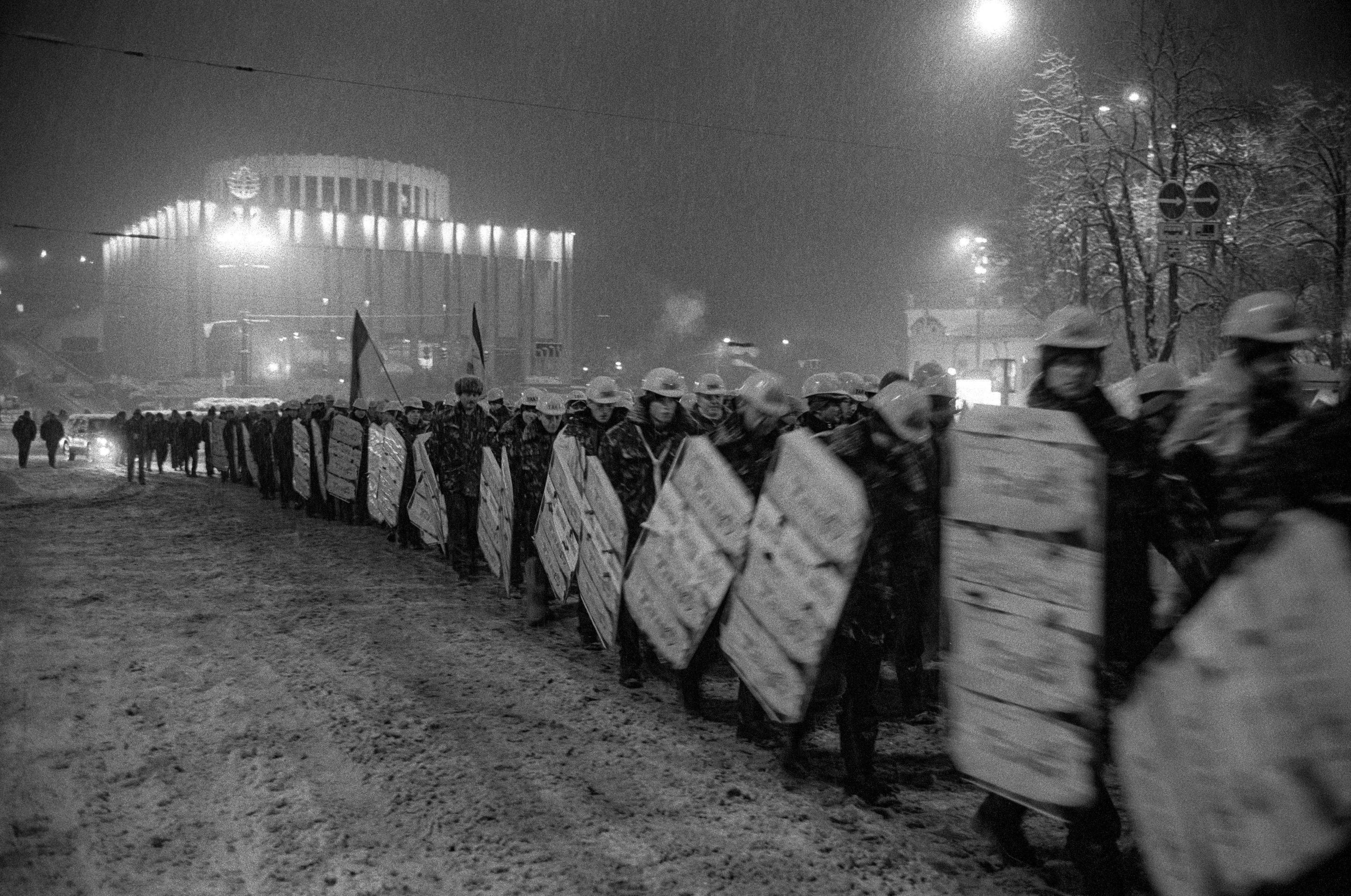
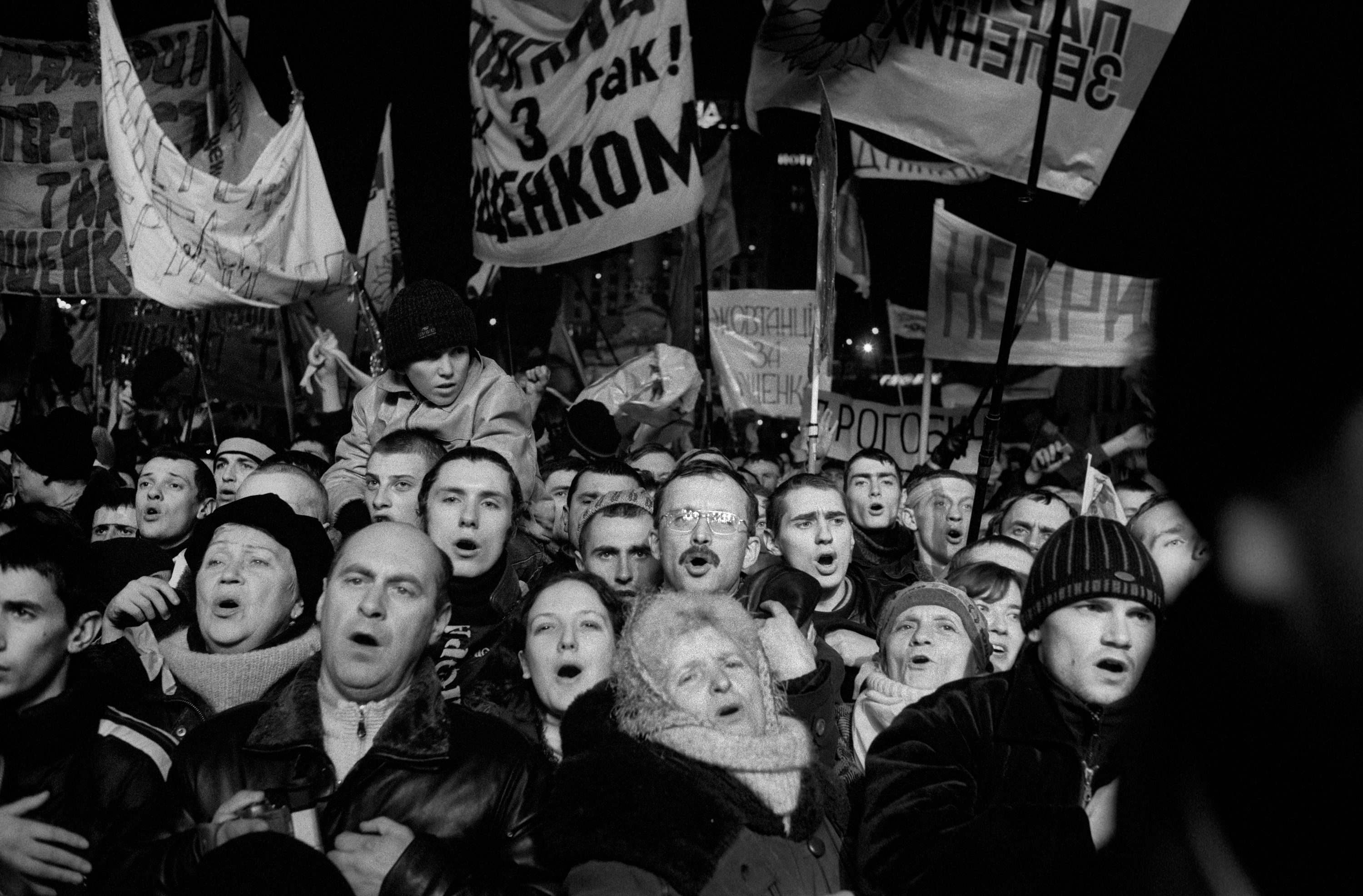
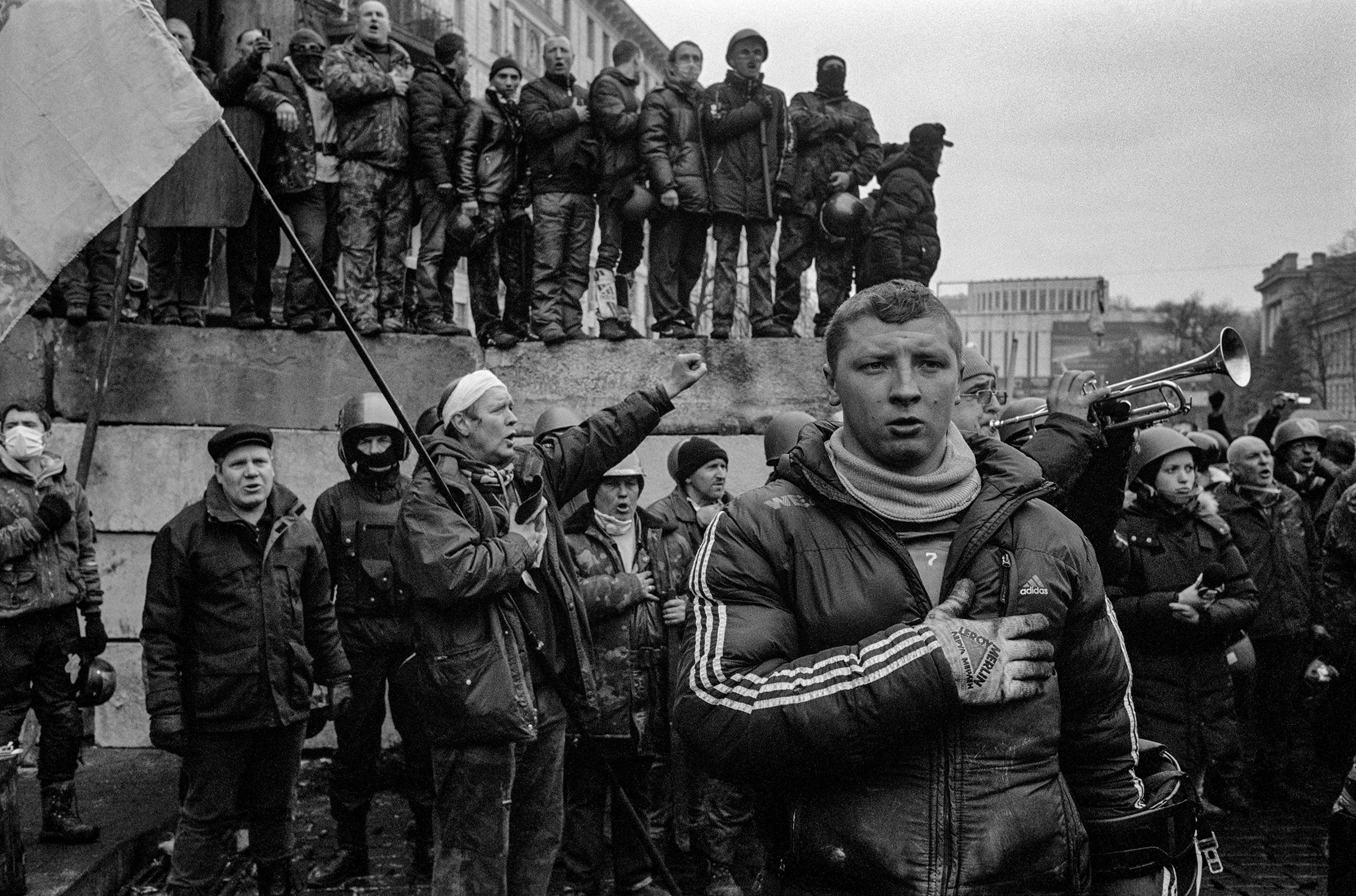
Glyadyelov ran into his acquaintance, a colonel, among the protesters in the Orange Revolution. The colonel took him to his comrade, who unbuttoned his jacket to reveal a flag underneath: the National Guard soldier had kept it from those days. Oleksandr came to the rally as a citizen, outraged by election fraud and stayed as a photographer.
In 1992, Glyadyelov photographed the war in Transnistria: “I drove into the combat zone with the so-called Don Cossacks, who were dressed in the uniforms of the Russian Imperial Army, complete with epaulets and papakhas. Among them was a young man, about 18 years old, dressed as a midshipman in the Russian Imperial Navy, all in black.”
When he was documenting the war in Chechnya in 1996, he saw exactly what a war like that might look like in Ukraine: “Grozny and Bakhmut — the same landscapes, cities destroyed in the same way.”
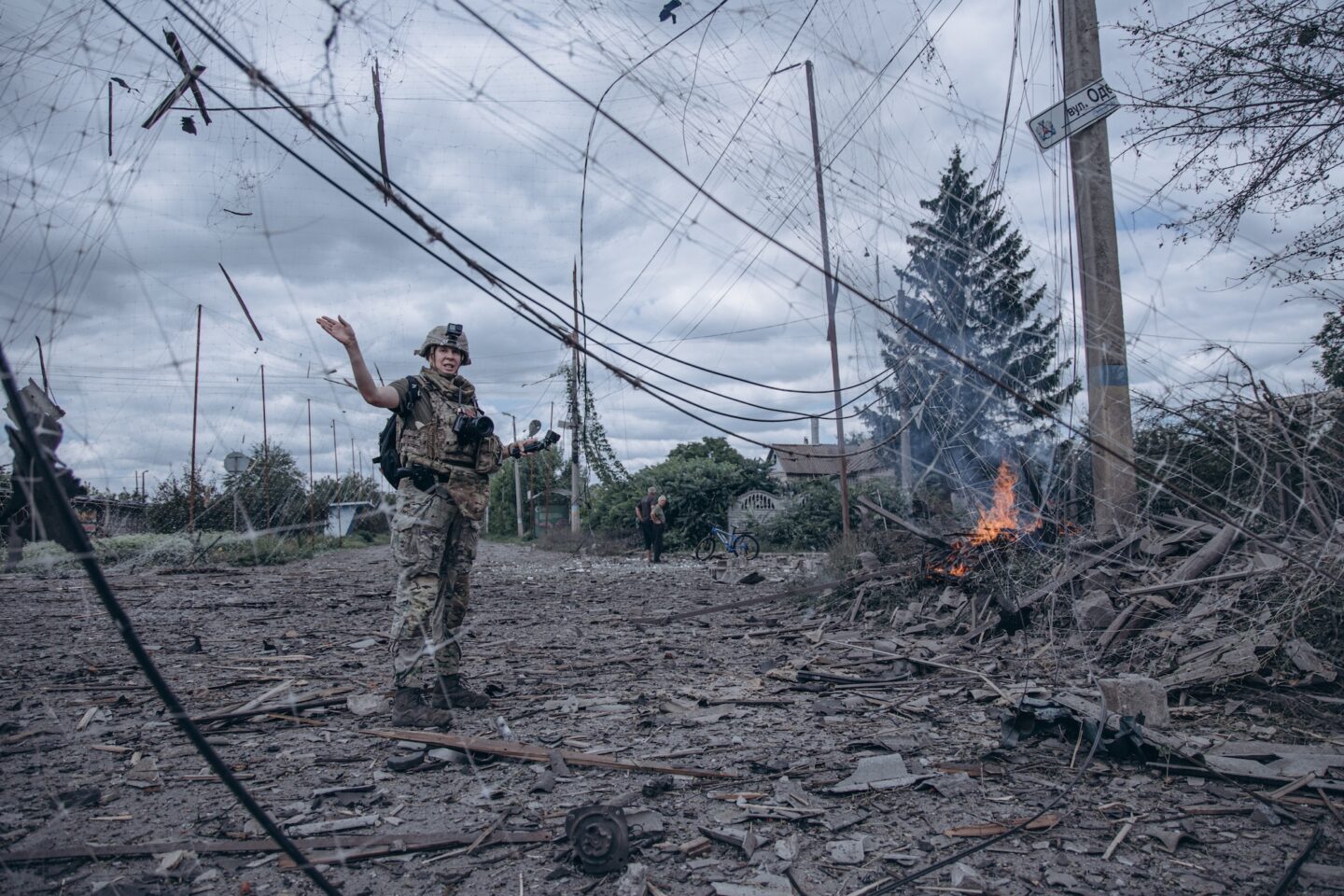
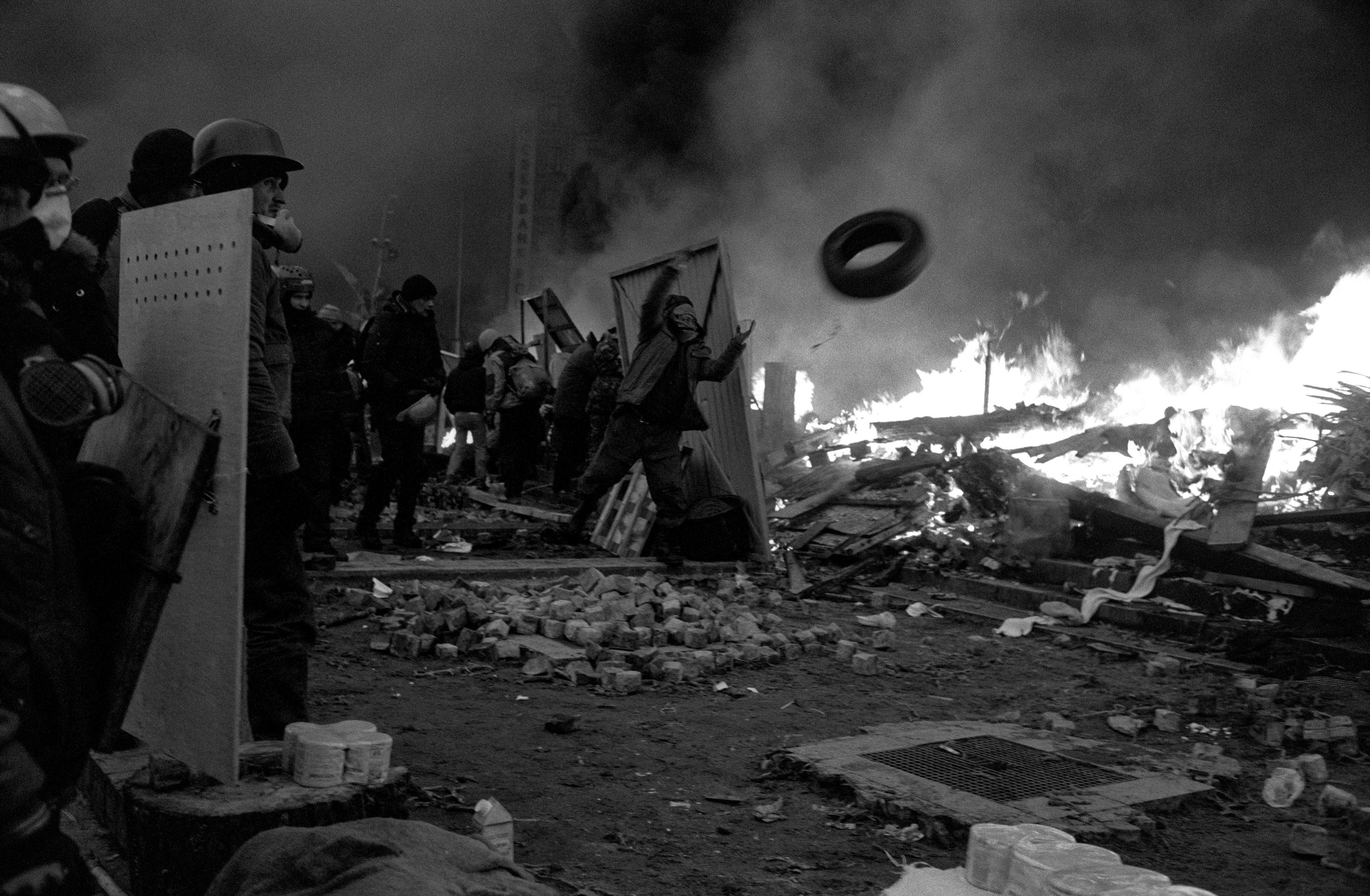
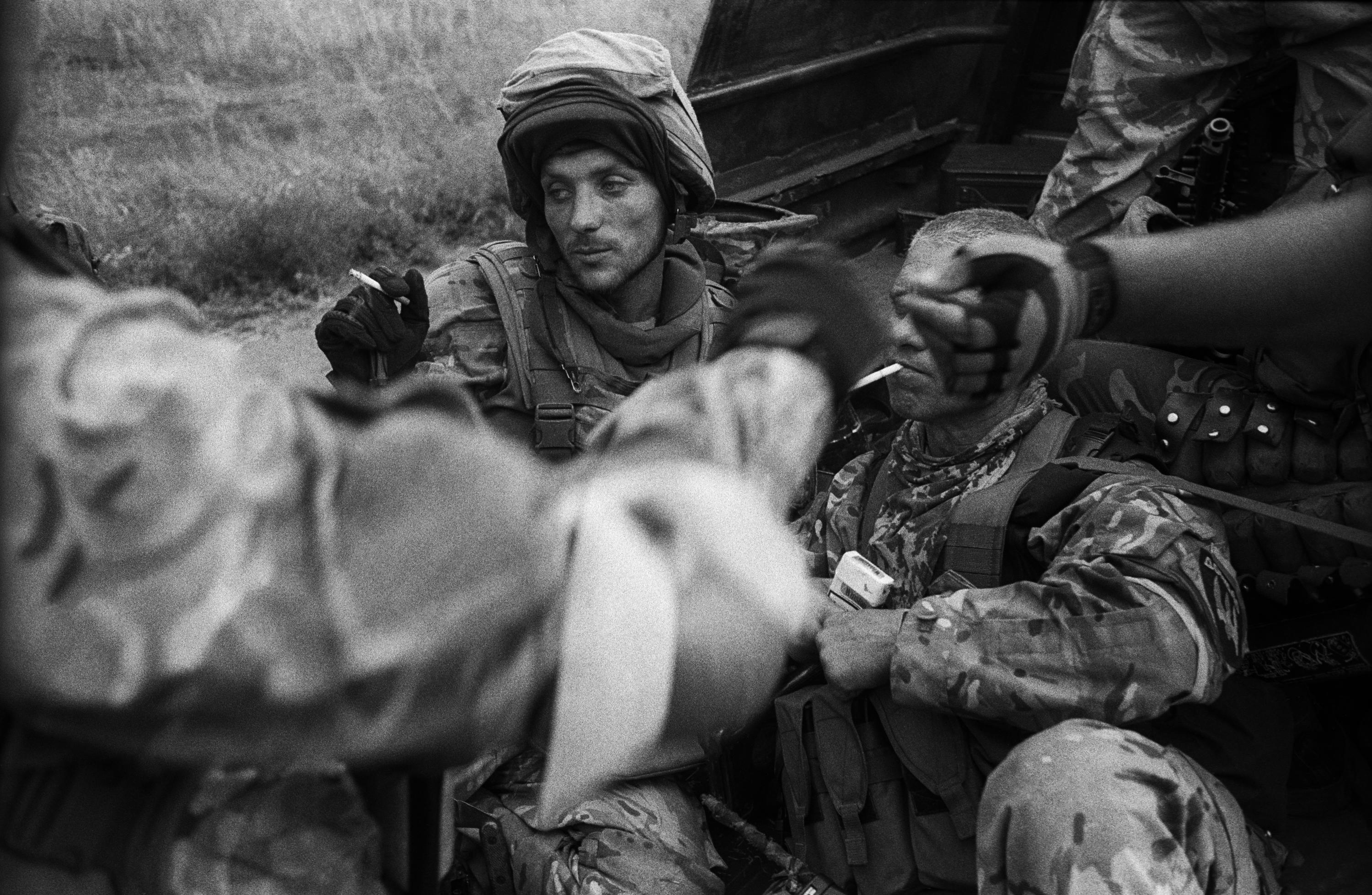
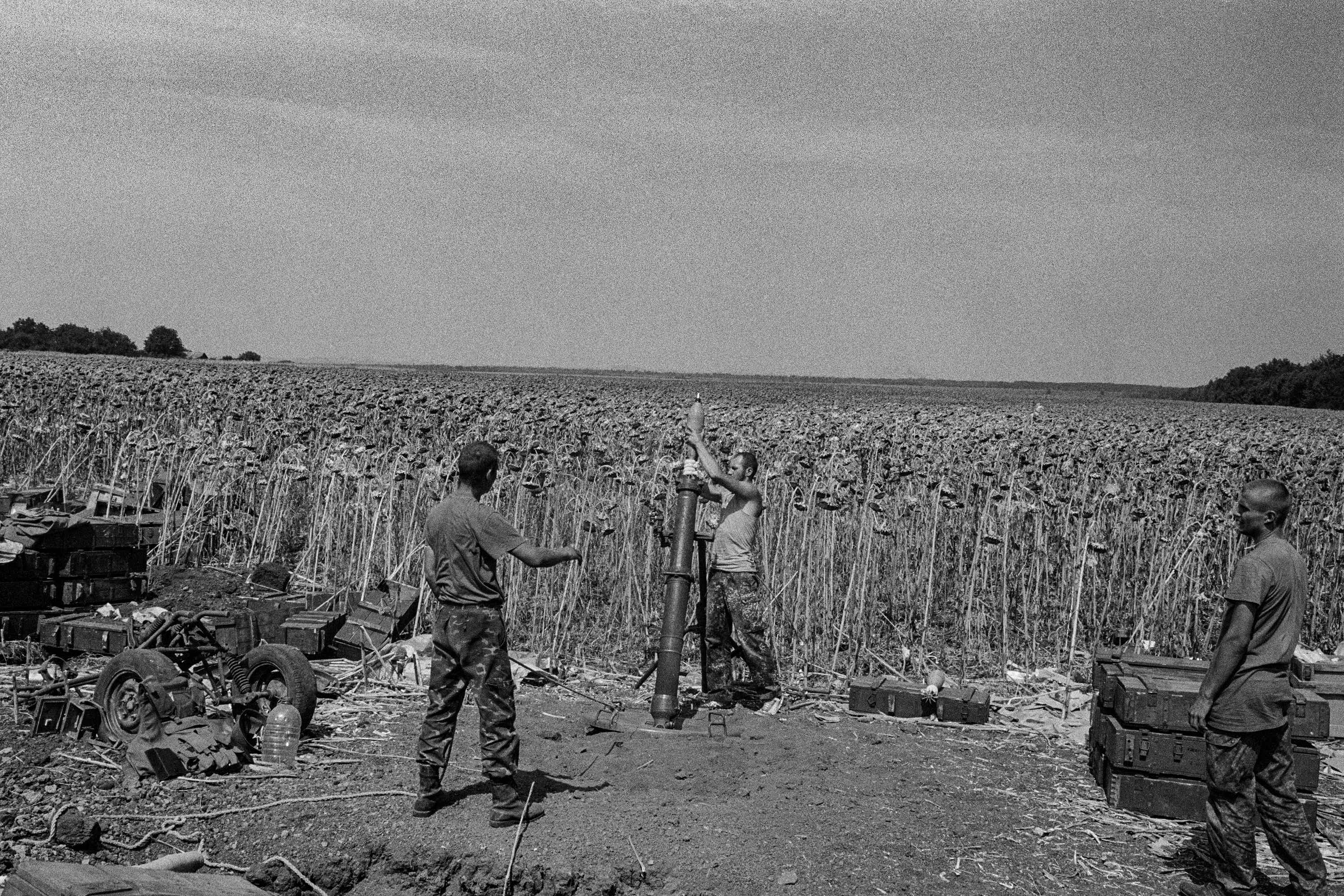
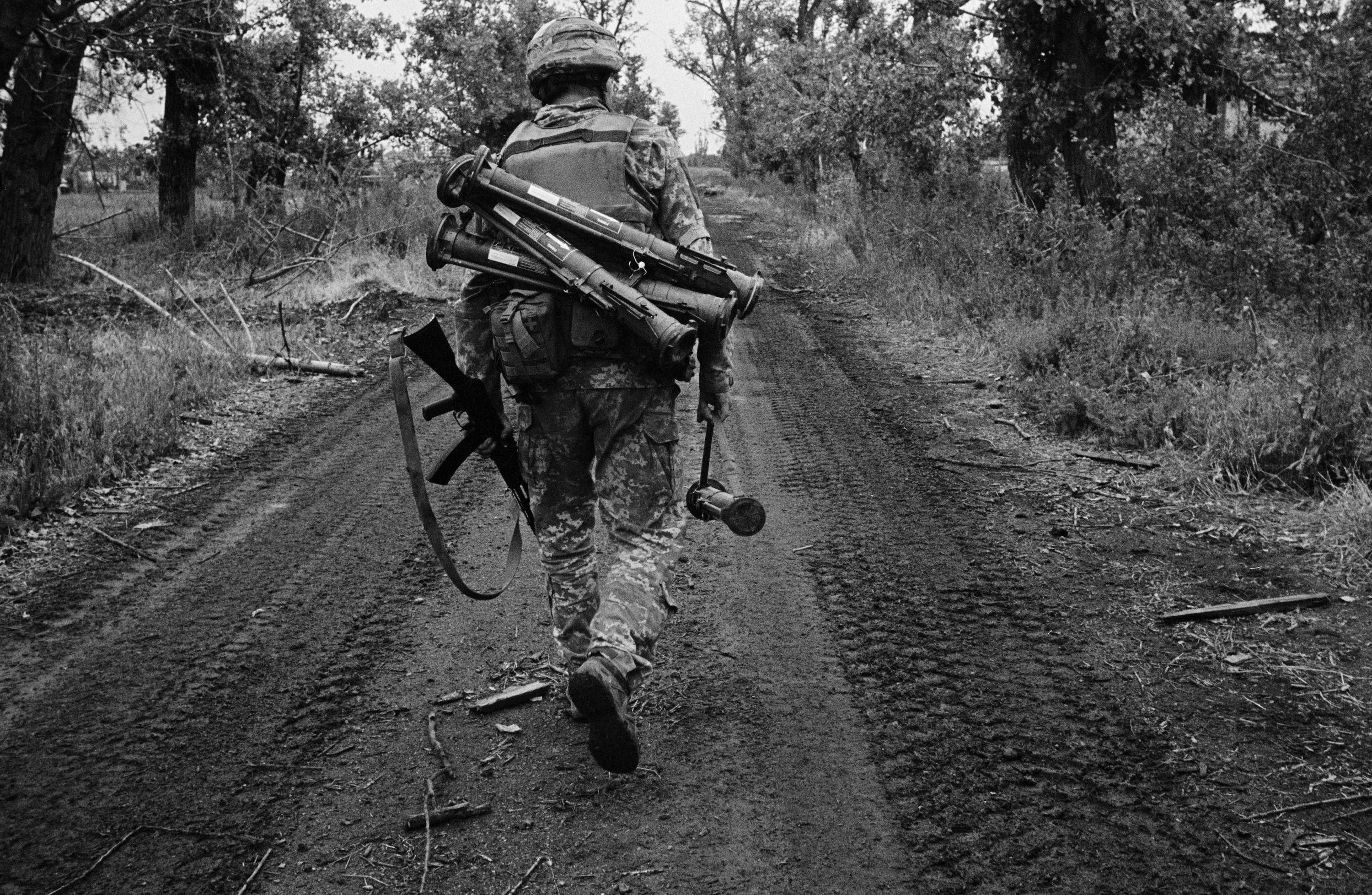
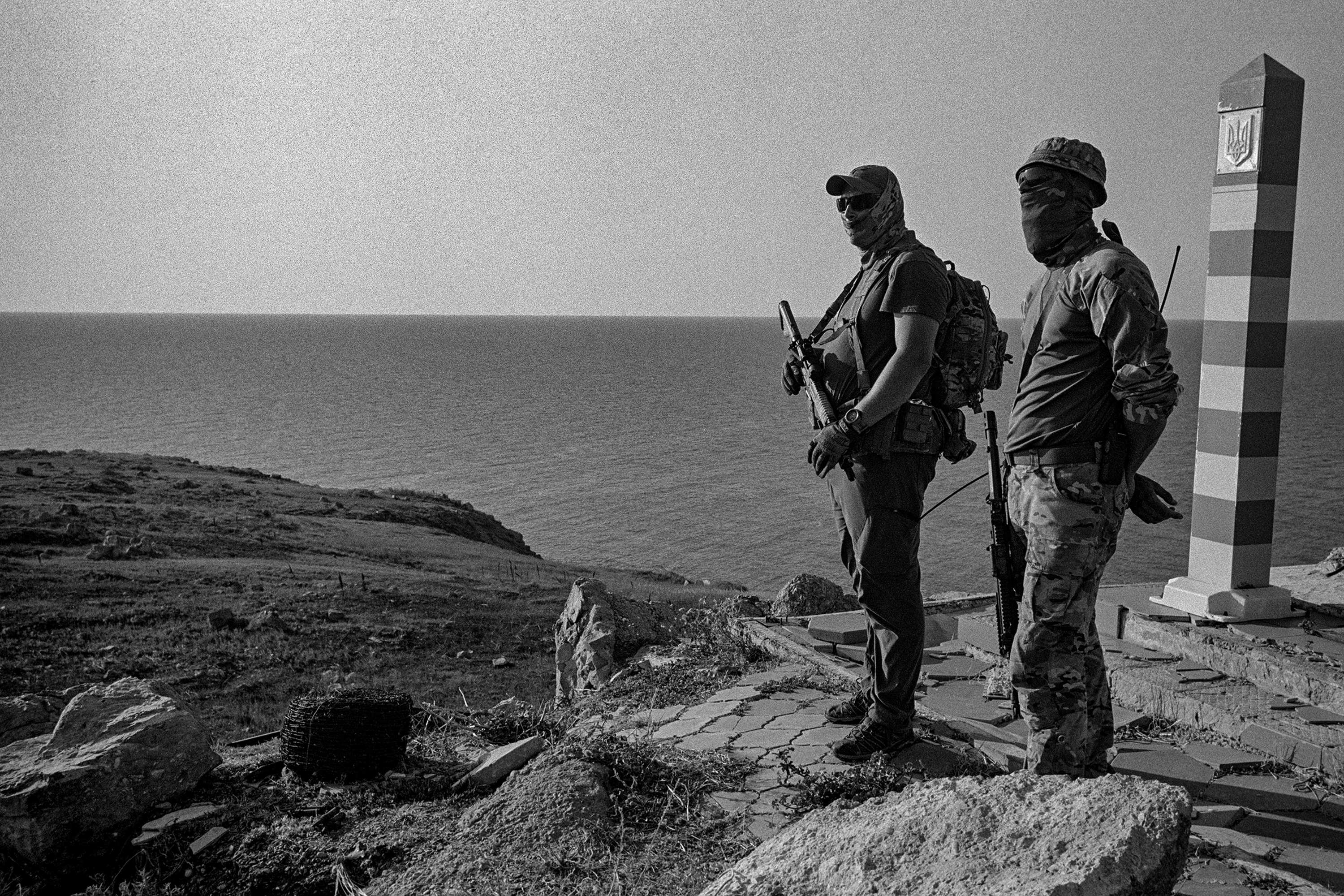
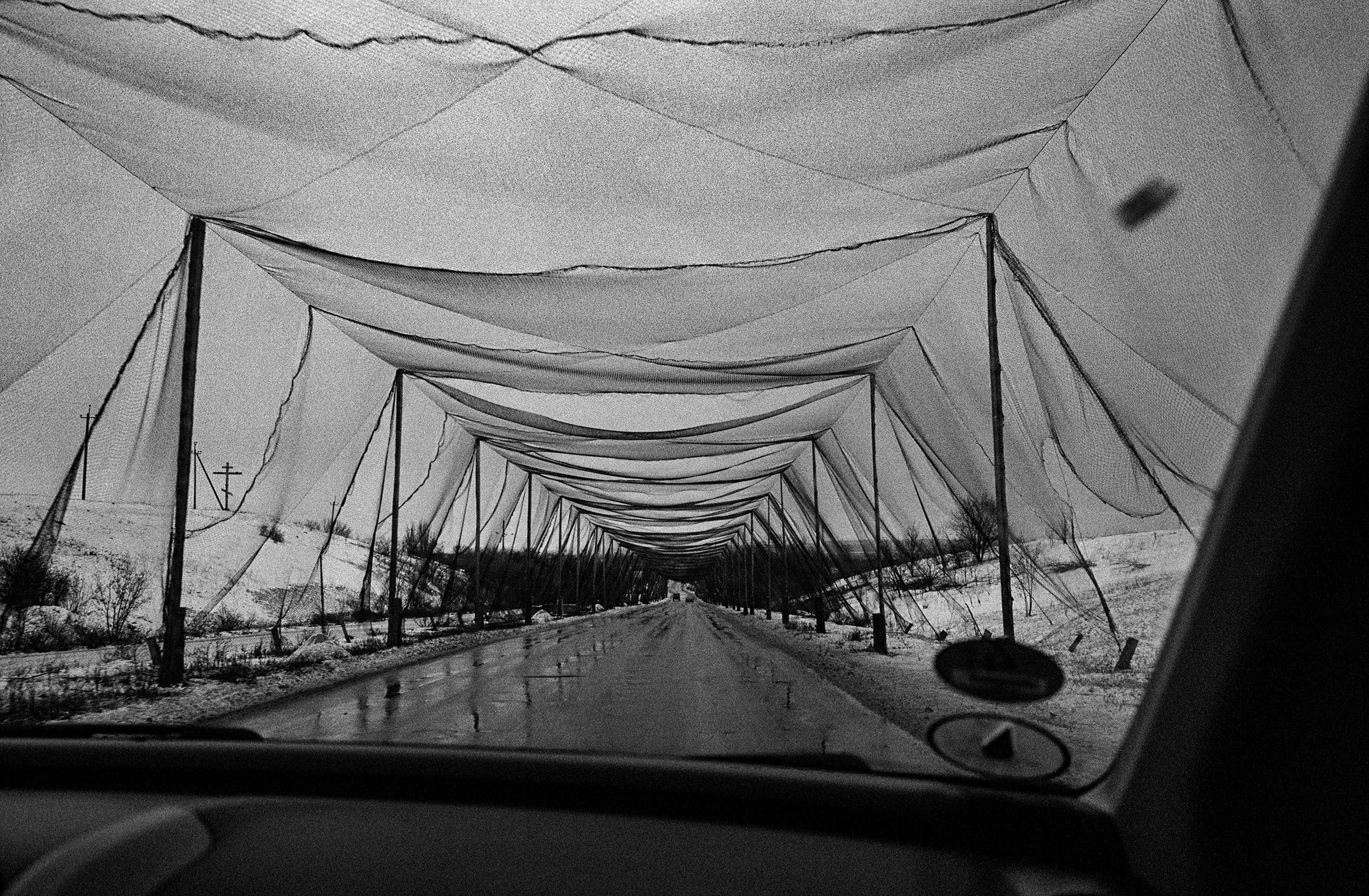
The war that Glyadyelov has been photographing in Ukraine since 2014 is different from those he has seen elsewhere: “A massive, all-out war the likes of which Europe hasn’t seen since World War II. The scale and technology are unlike anything that has happened before.”
And at the same time, it fits into the logic of what Glyadyelov had previously experienced and documented: “Imperial consciousness did not disappear with the collapse of the Soviet Union and is being revived in all the new wars that Russia is waging. This is an empire that has been disintegrating since 1917, and I would very much like to see this process come to an end.”
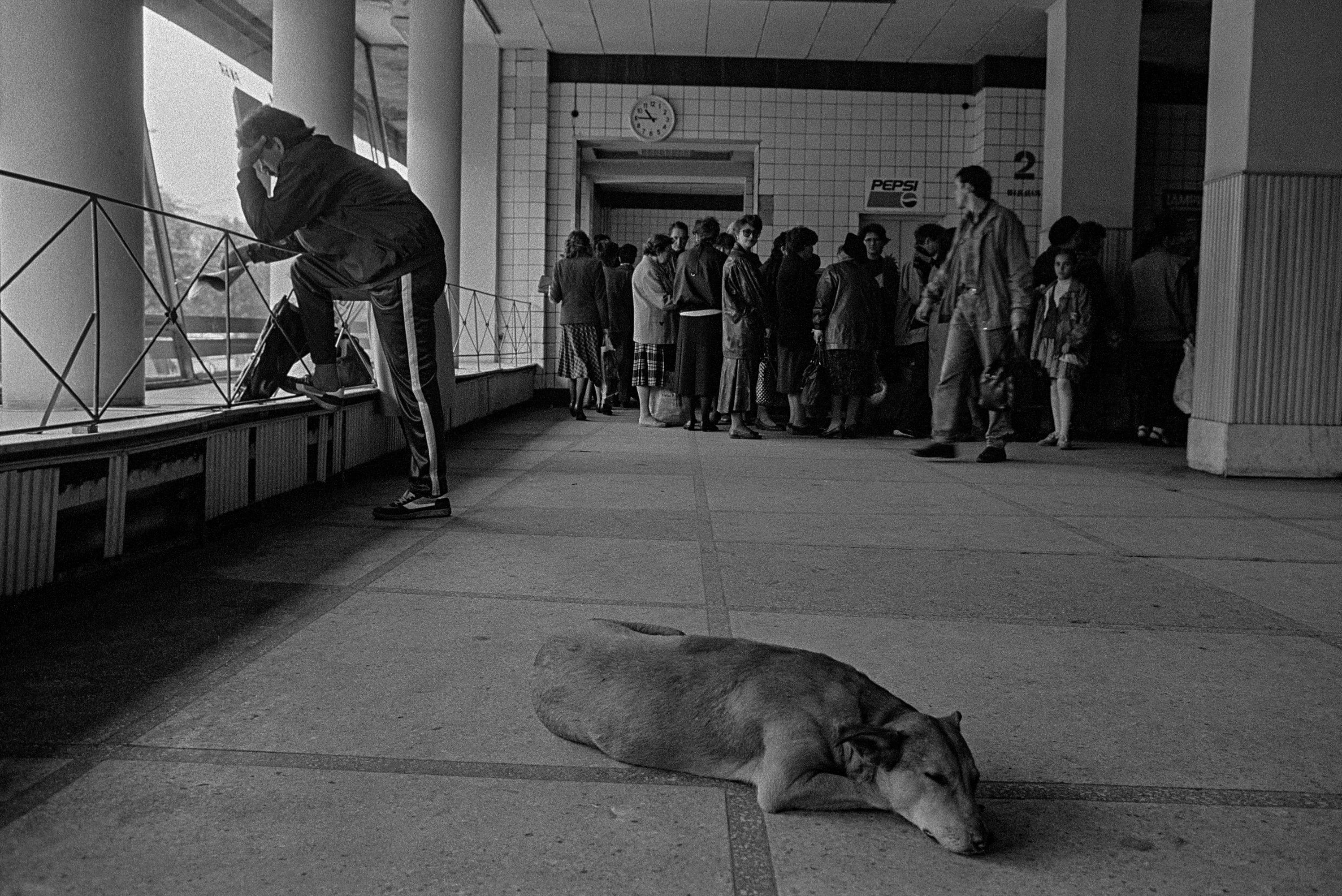
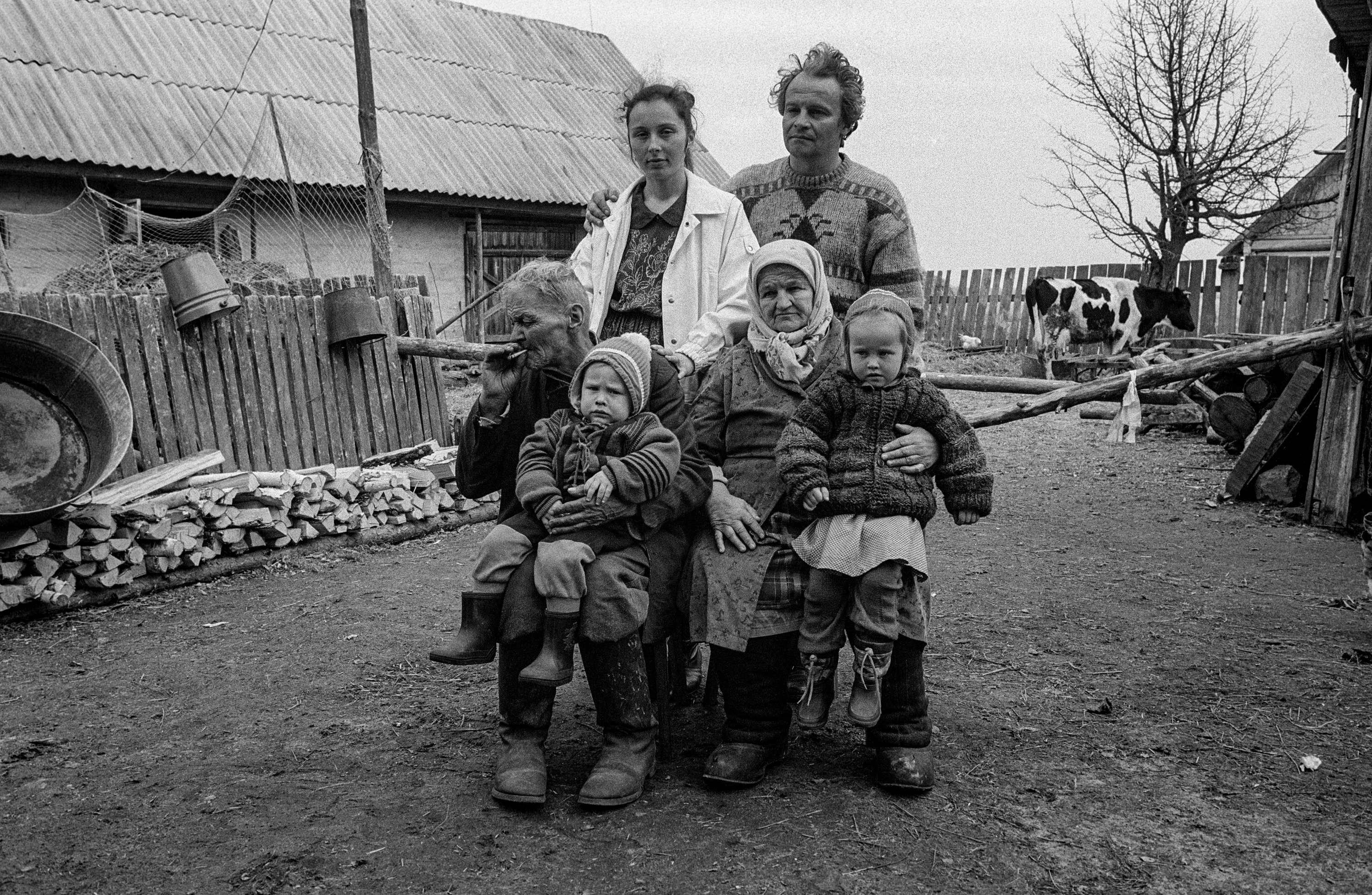
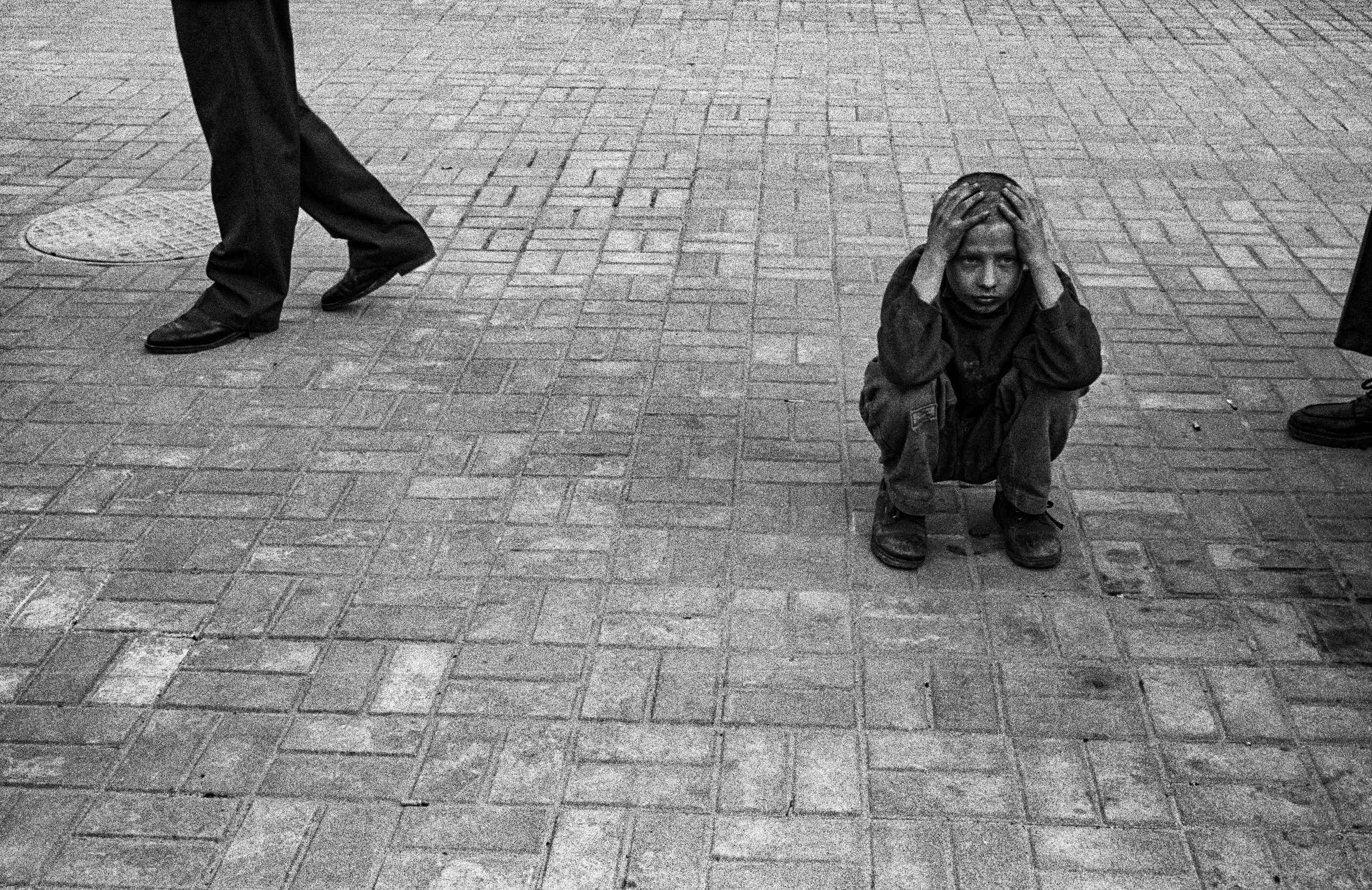
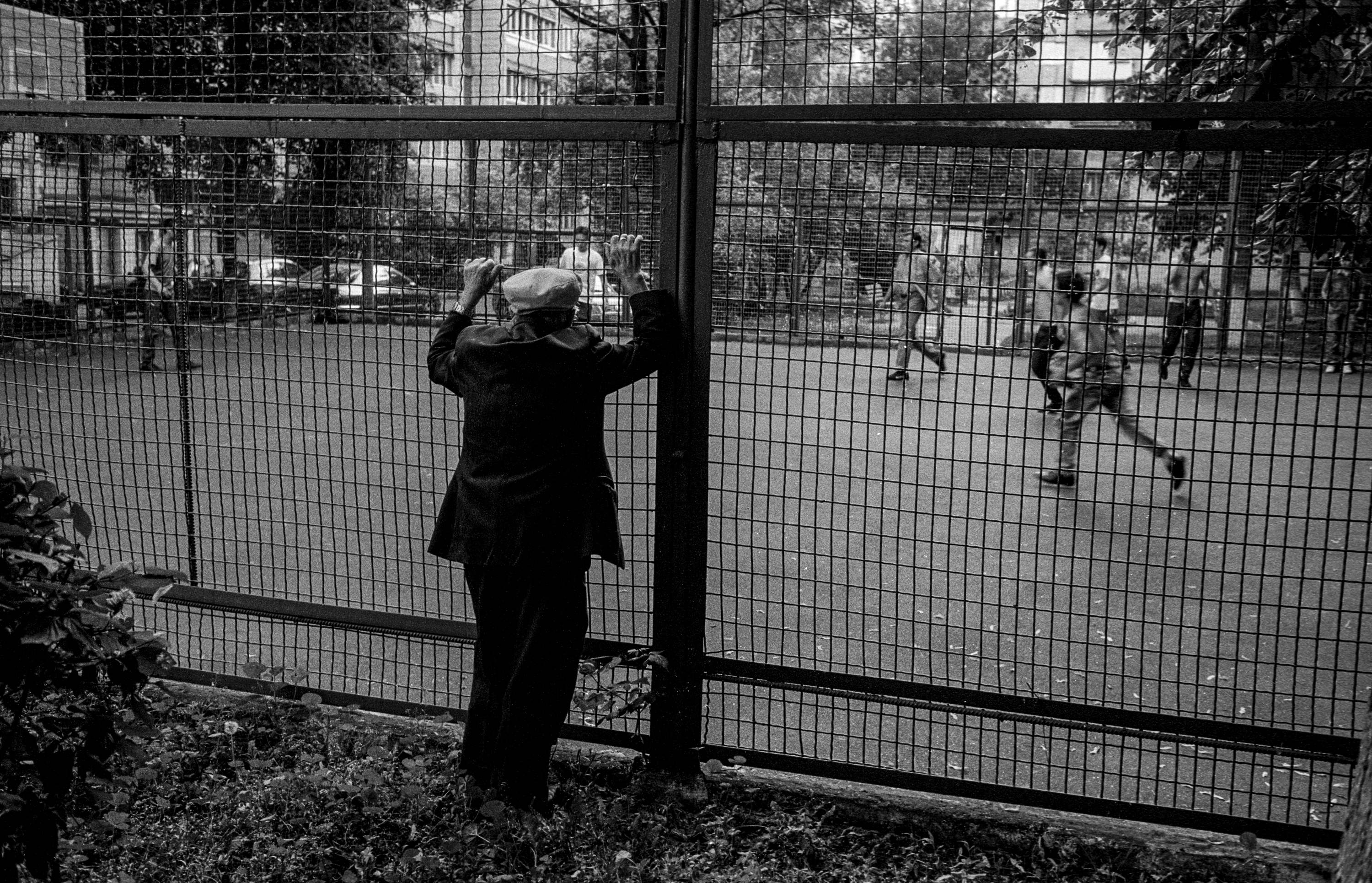
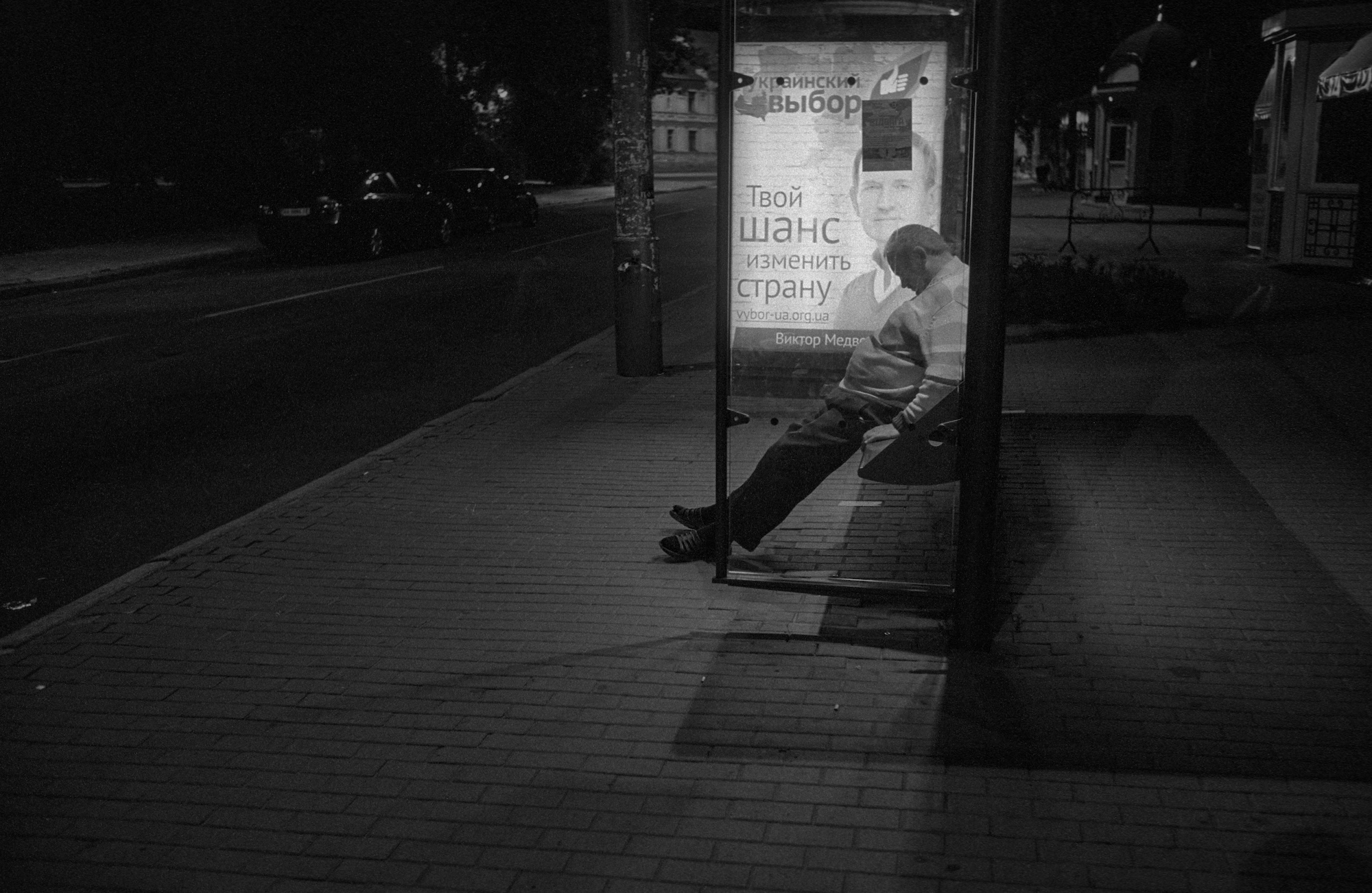
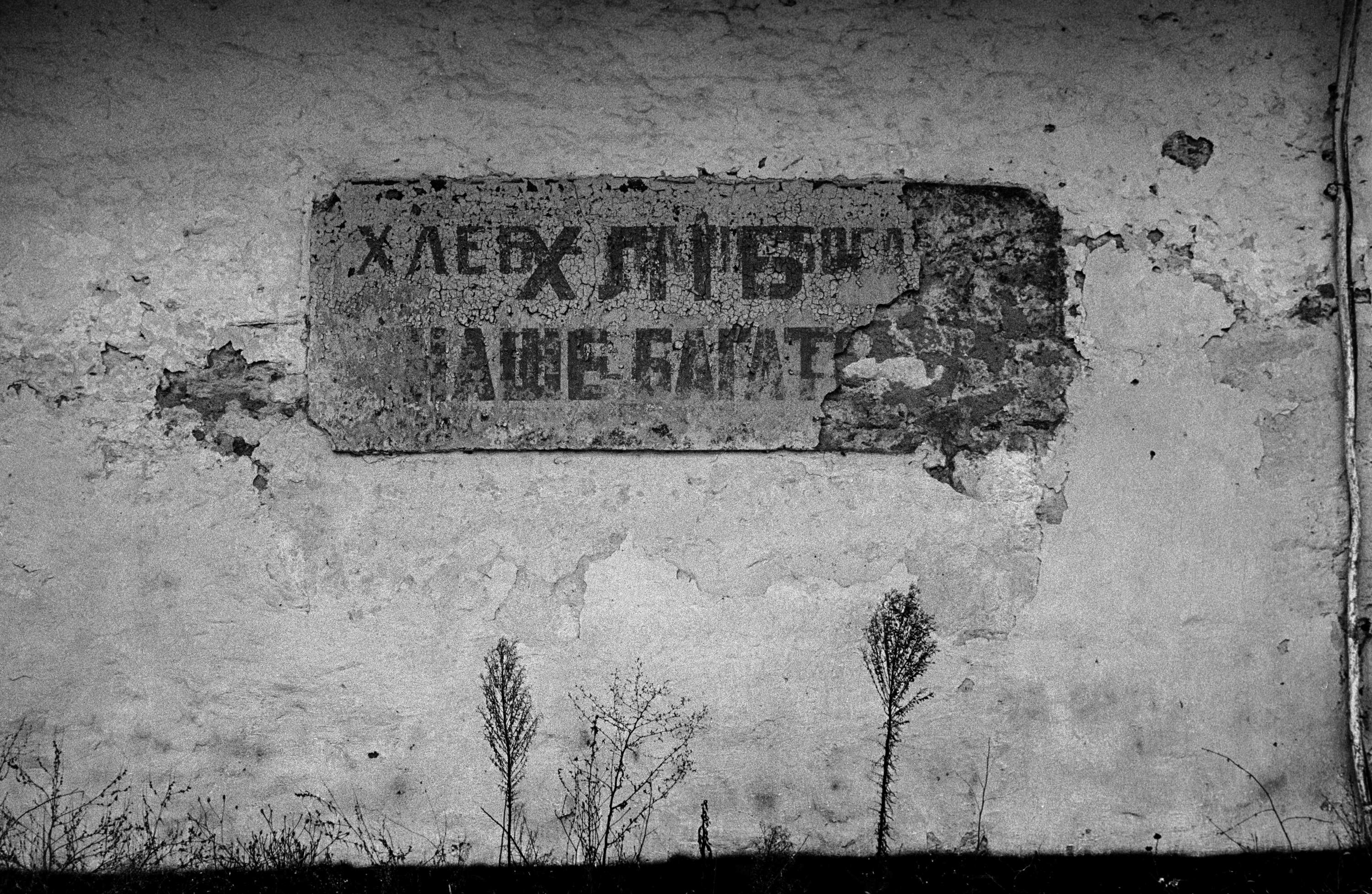
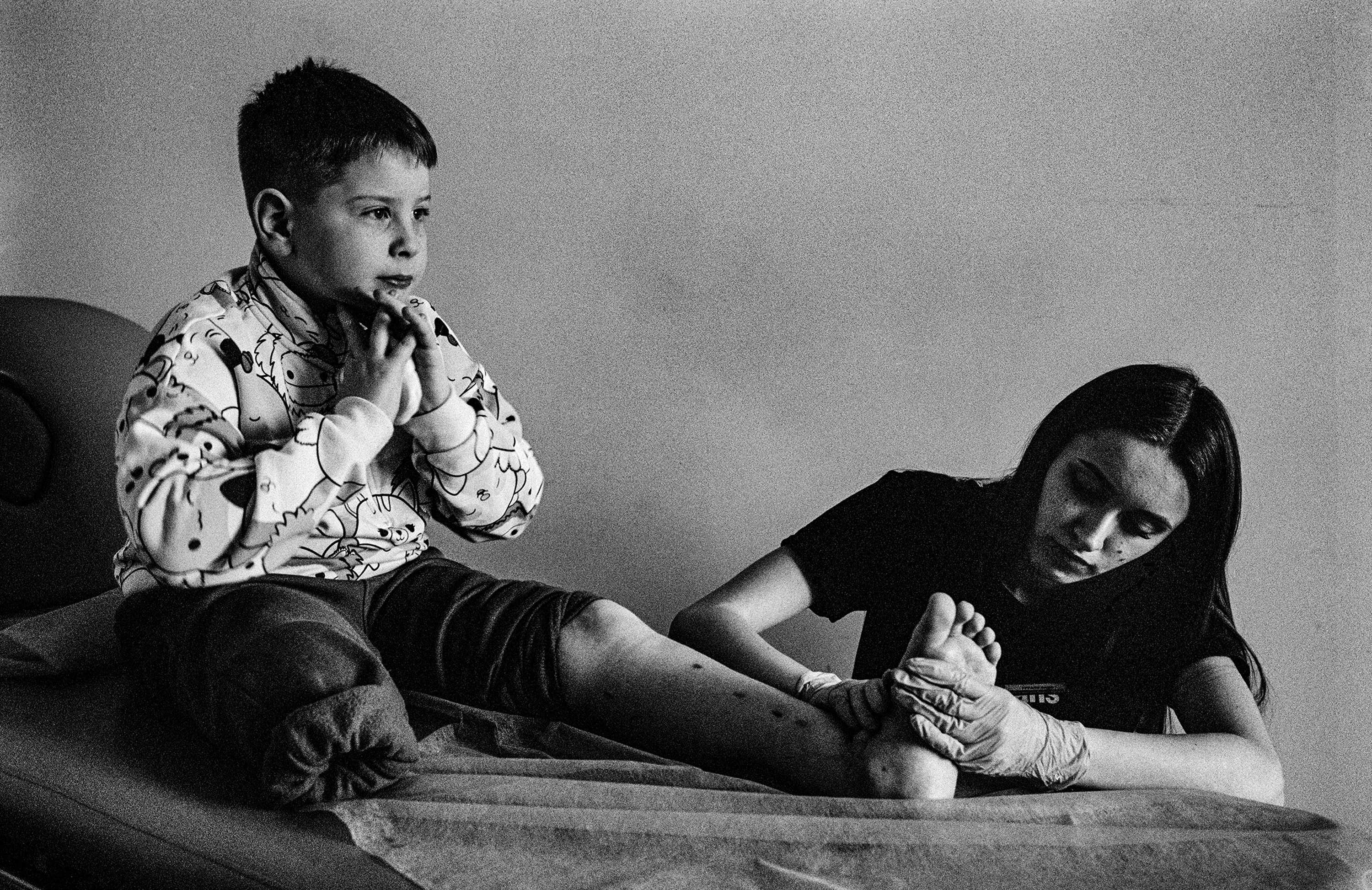
Oleksandr Glyadyelov’s photographs have captured 35 years of change in the Ukrainian state. His archive preserves phenomena that have already become history: for example, homeless children who ended up on the streets due to economic collapse, domestic violence and government indifference; the HIV/AIDS epidemic in Ukraine, which was successfully overcome thanks to advances in treatment and the efforts of civil society organizations.
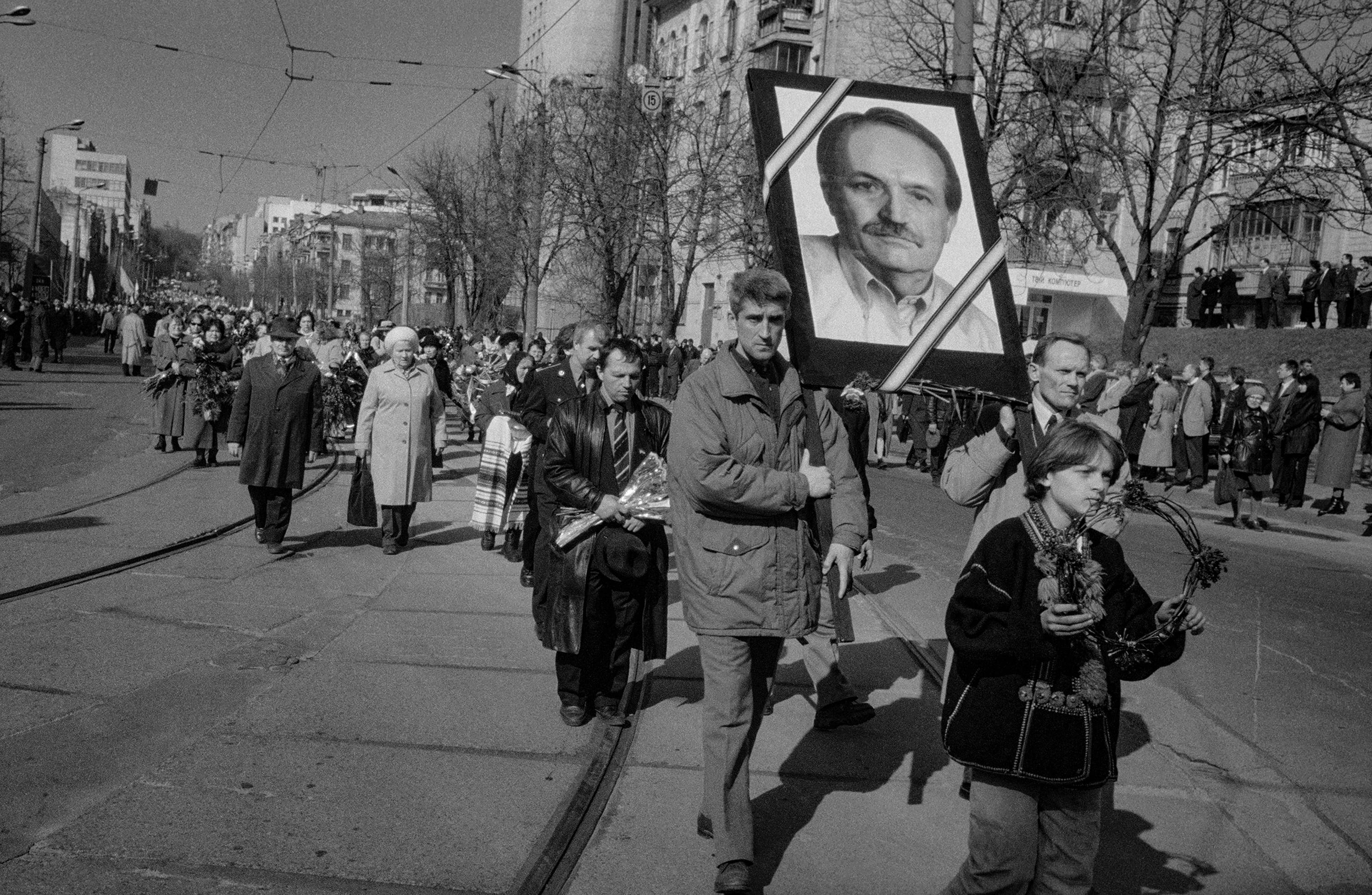
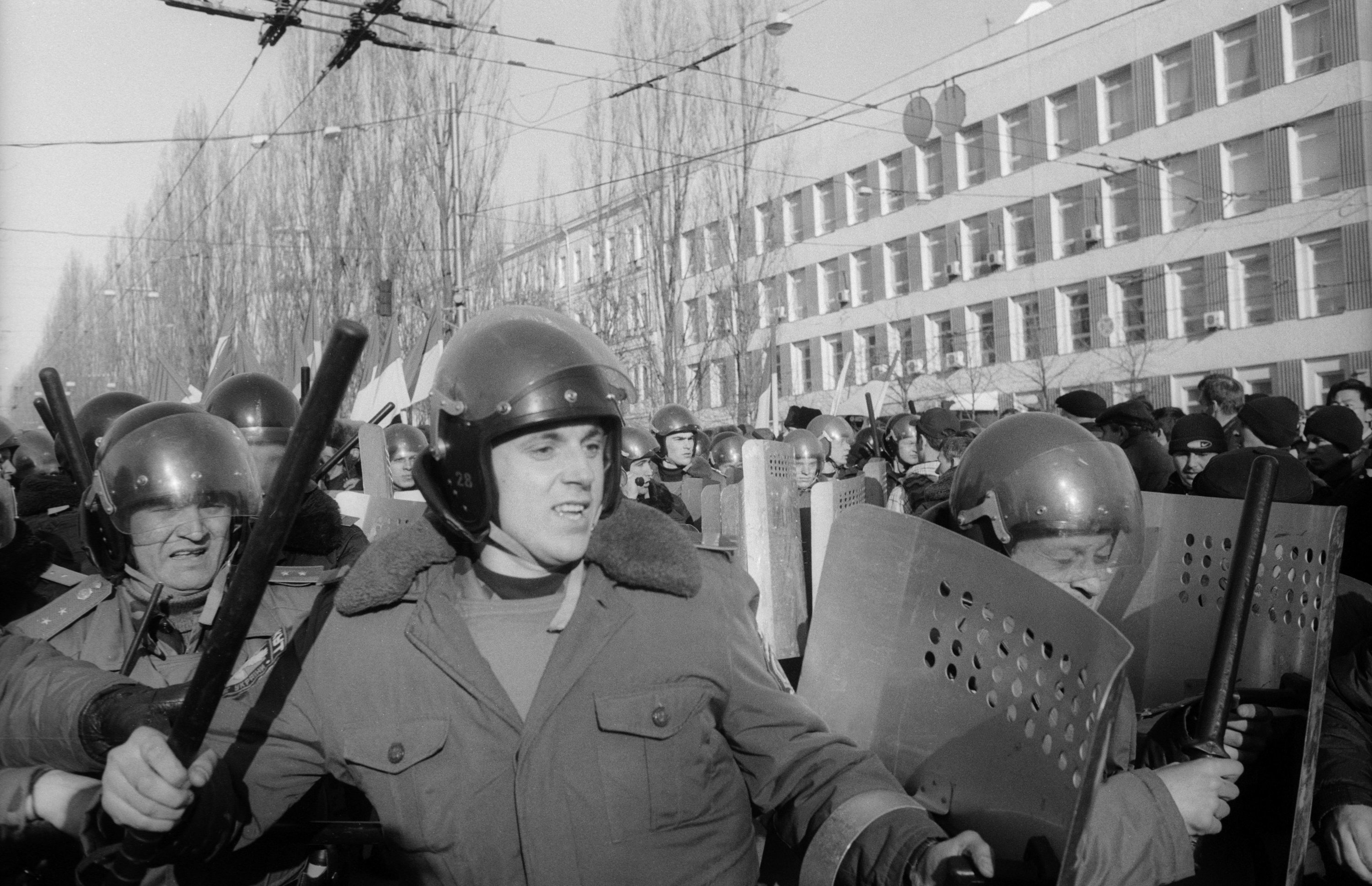
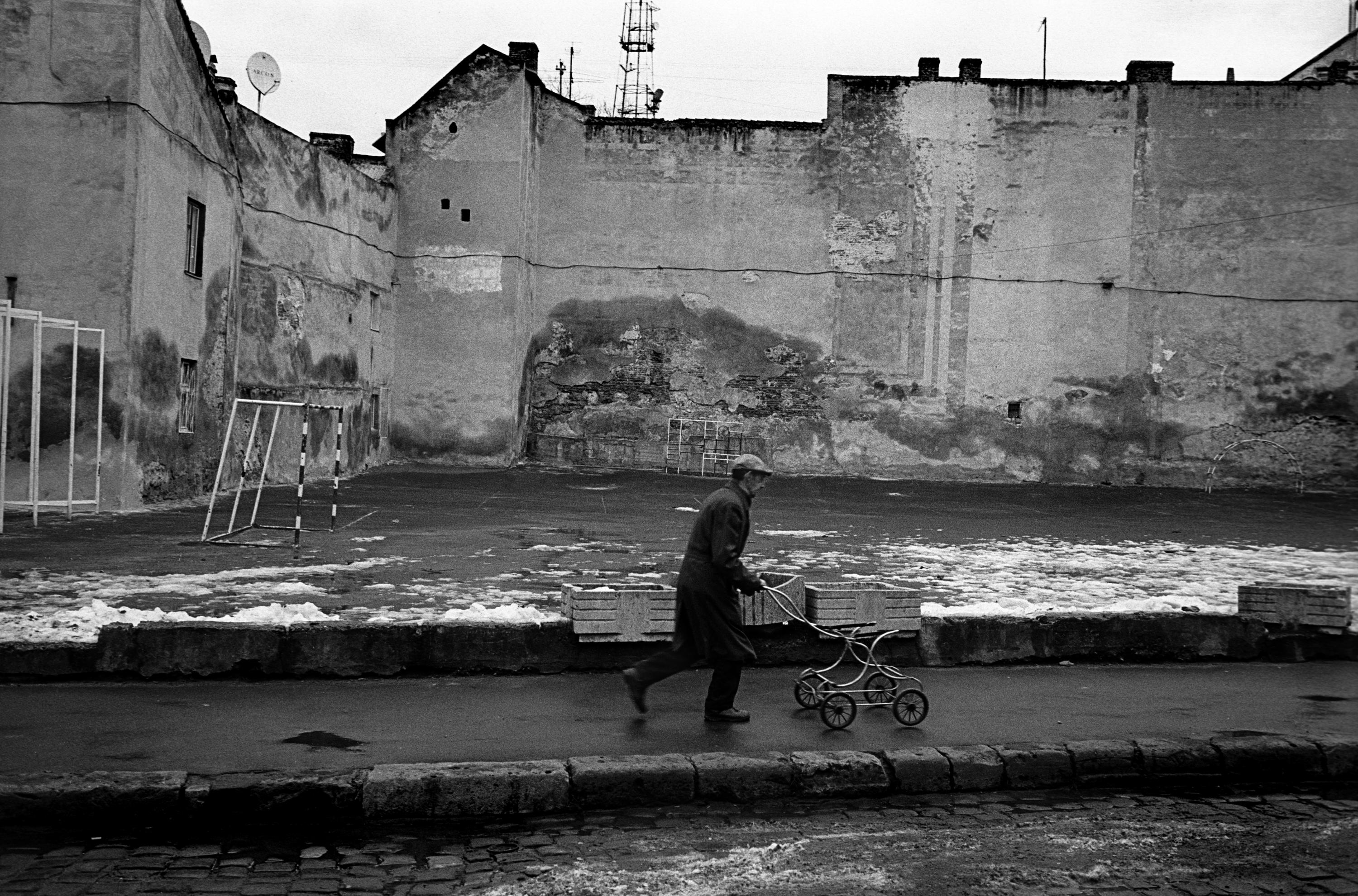
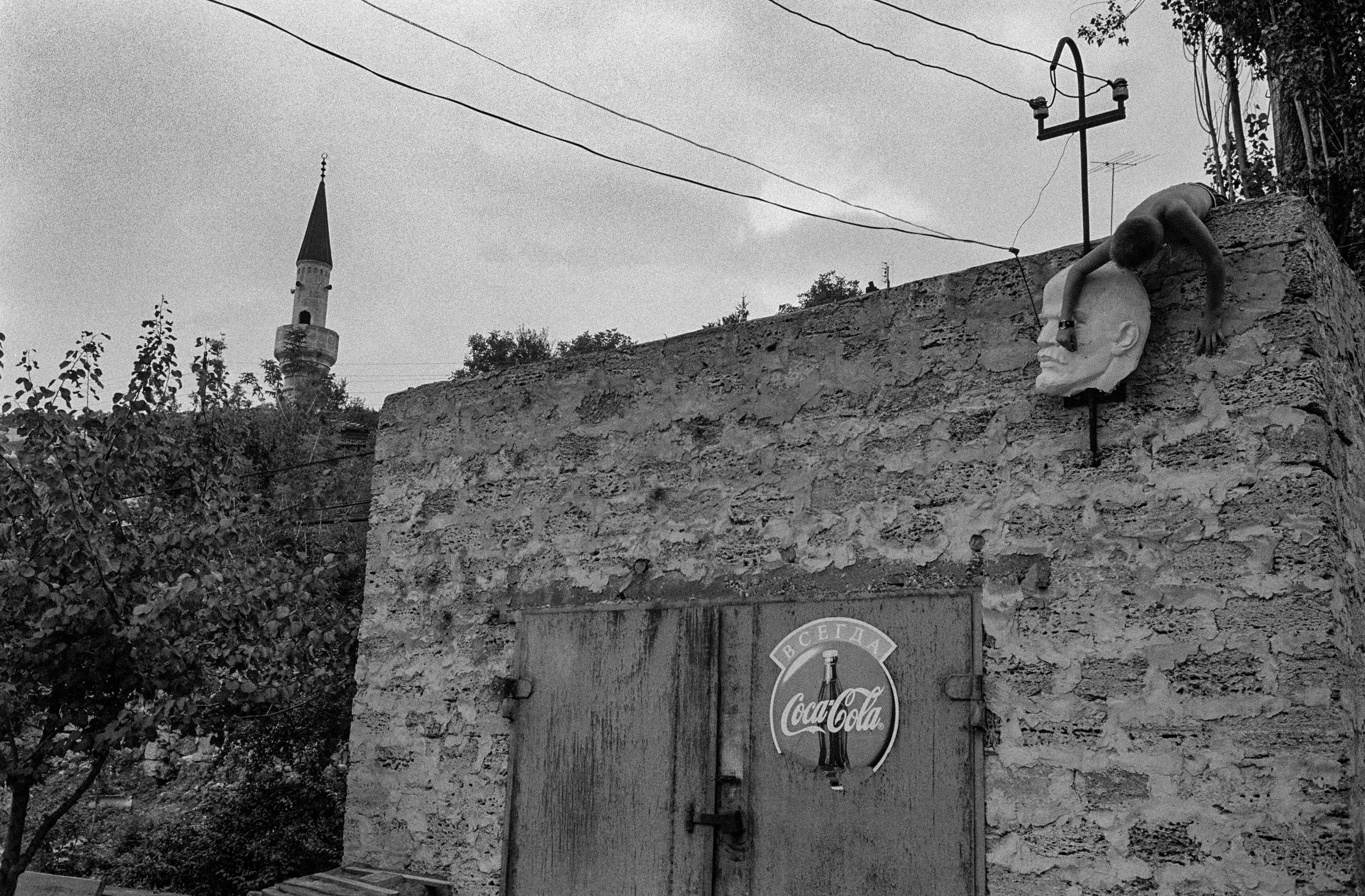
For 35 years, Oleksandr Glyadyelov has been documenting one long story — a story about freedom and its price.
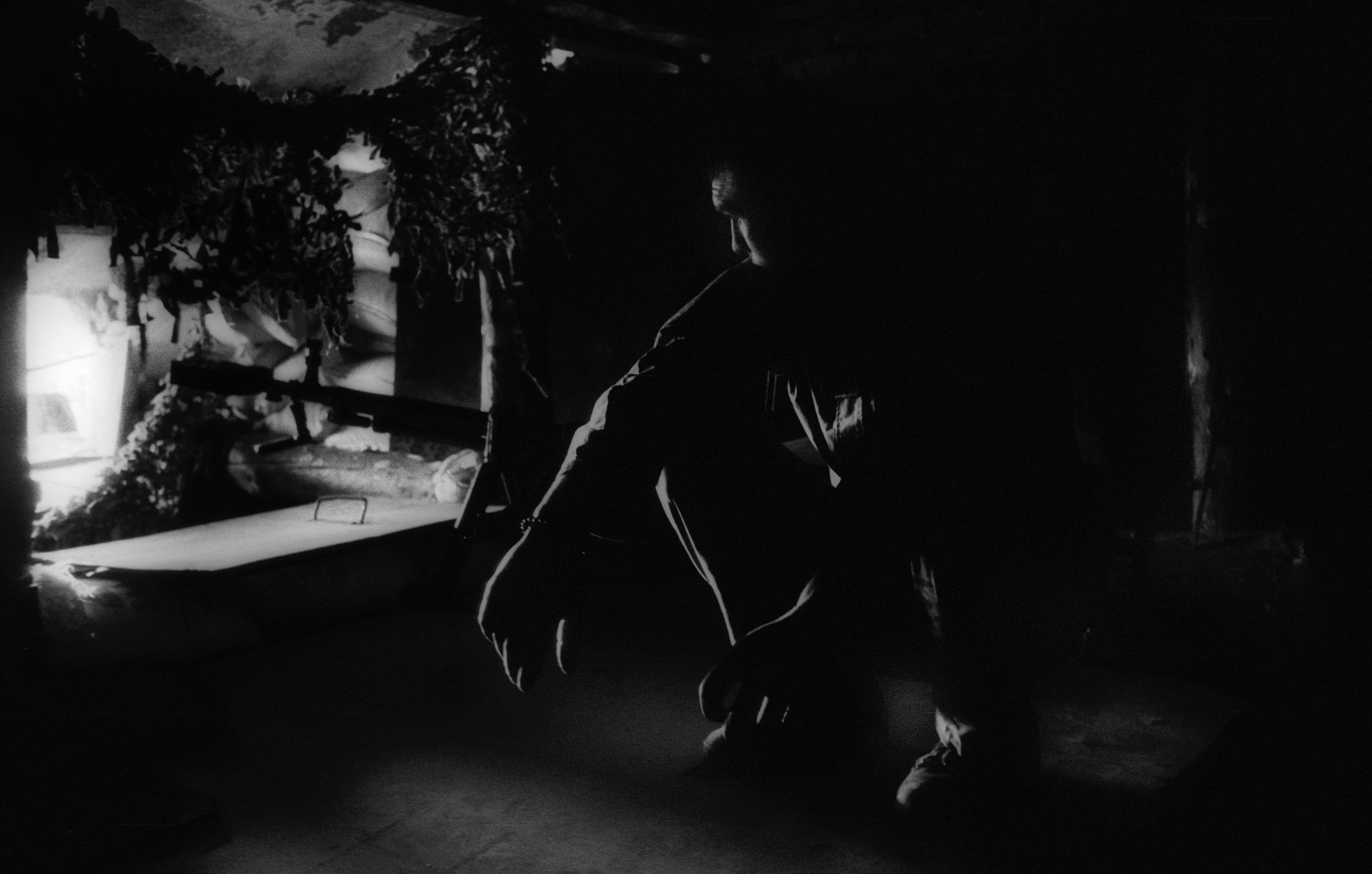
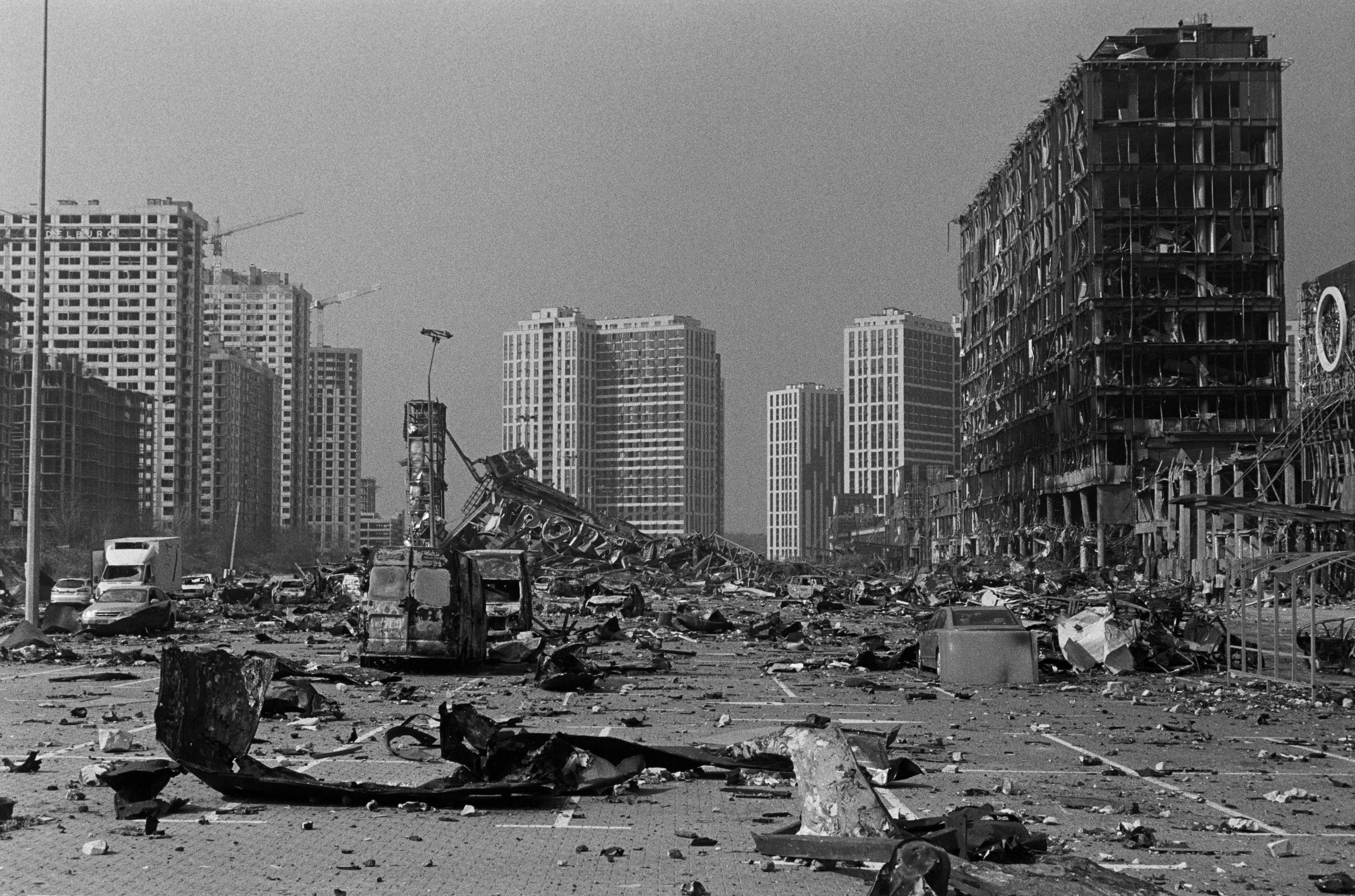
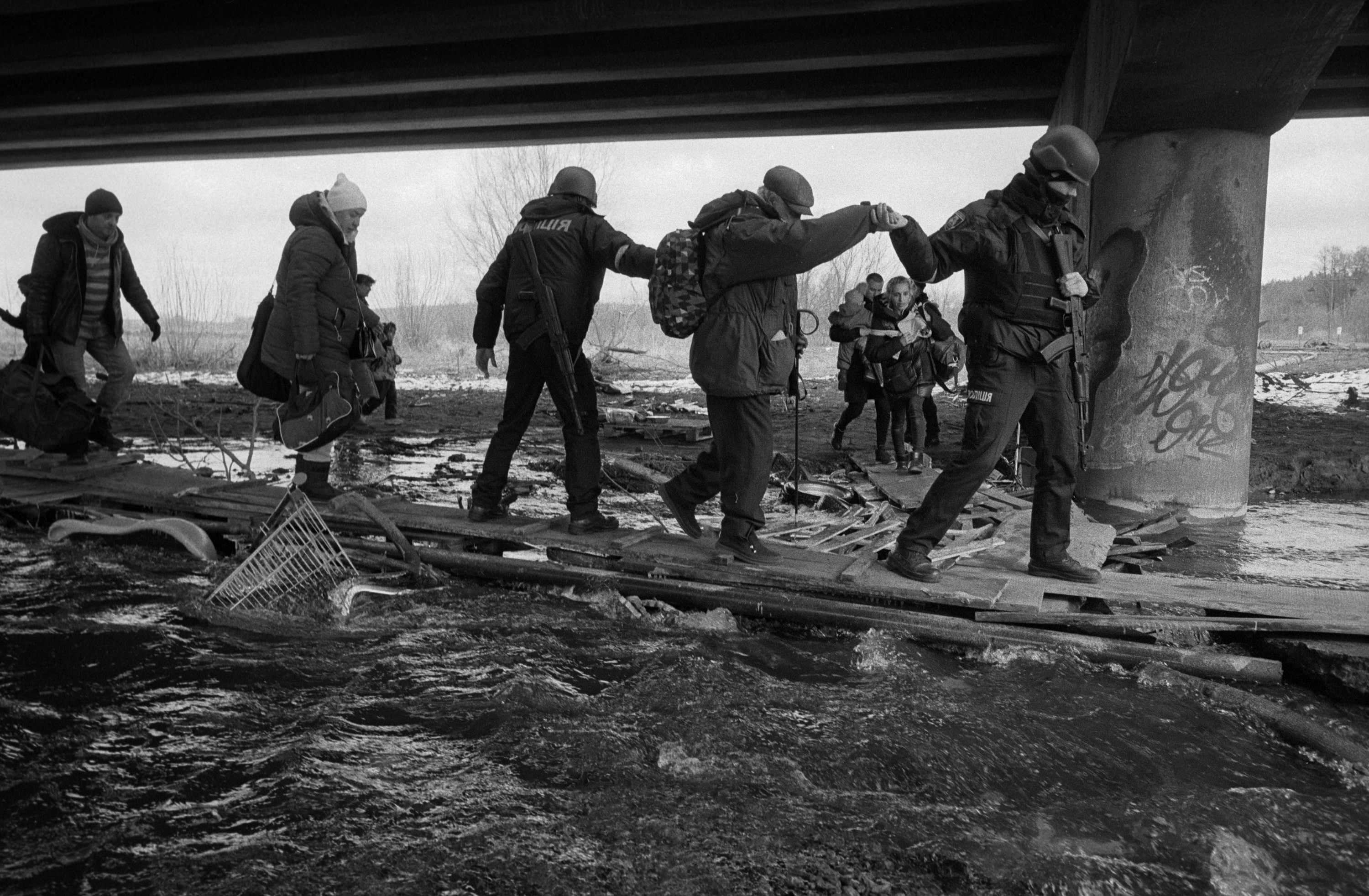
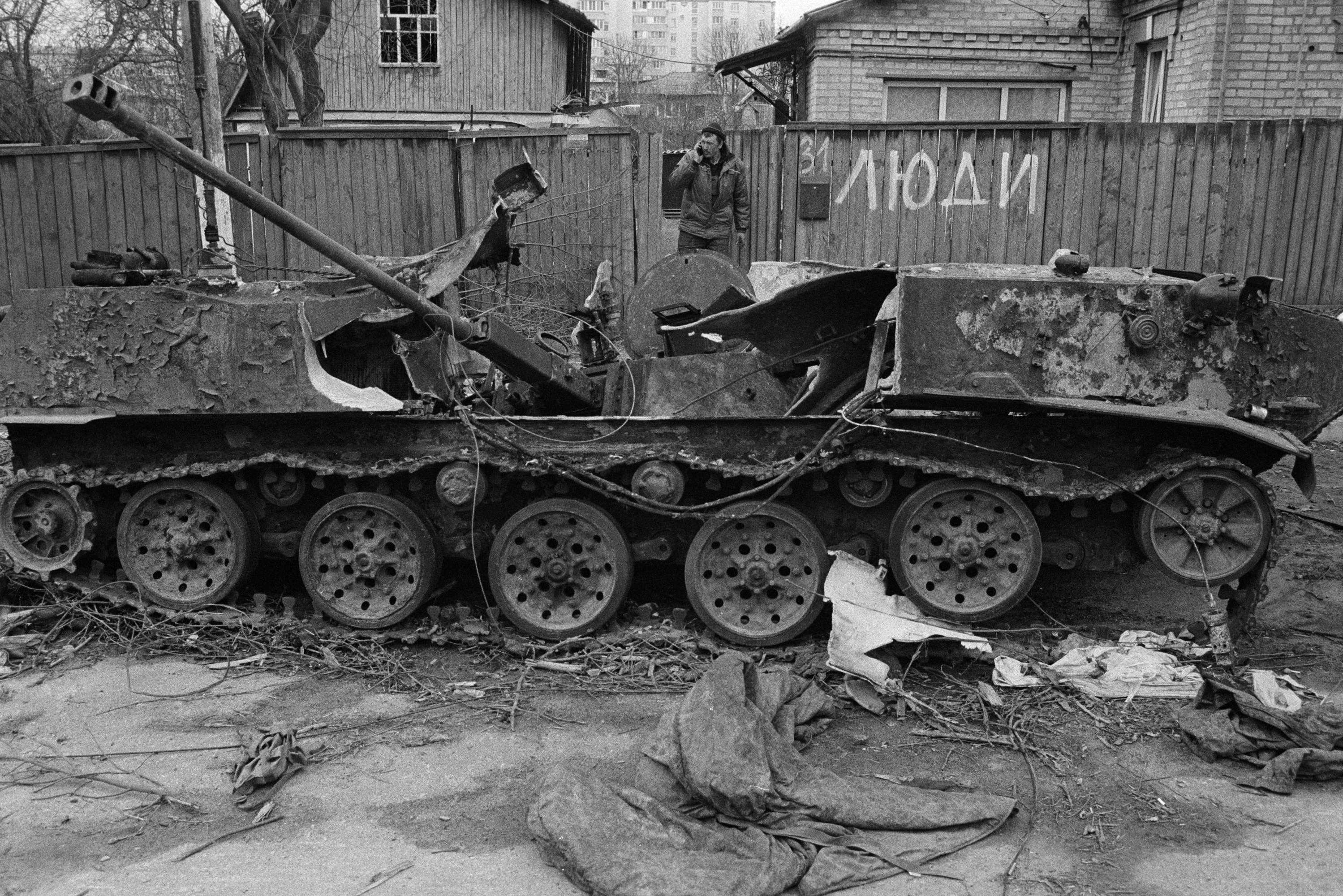
Curators: Oleh Sosnov, Tetiana Lysun
Photo Editors: Danylo Pavlov, Olha Kovalova