The Pinned Hawk Moths in the Kotsiubynskyi House
Much can be explained by revolutions, epochs and the weight of circumstances. Much cannot be explained at all.
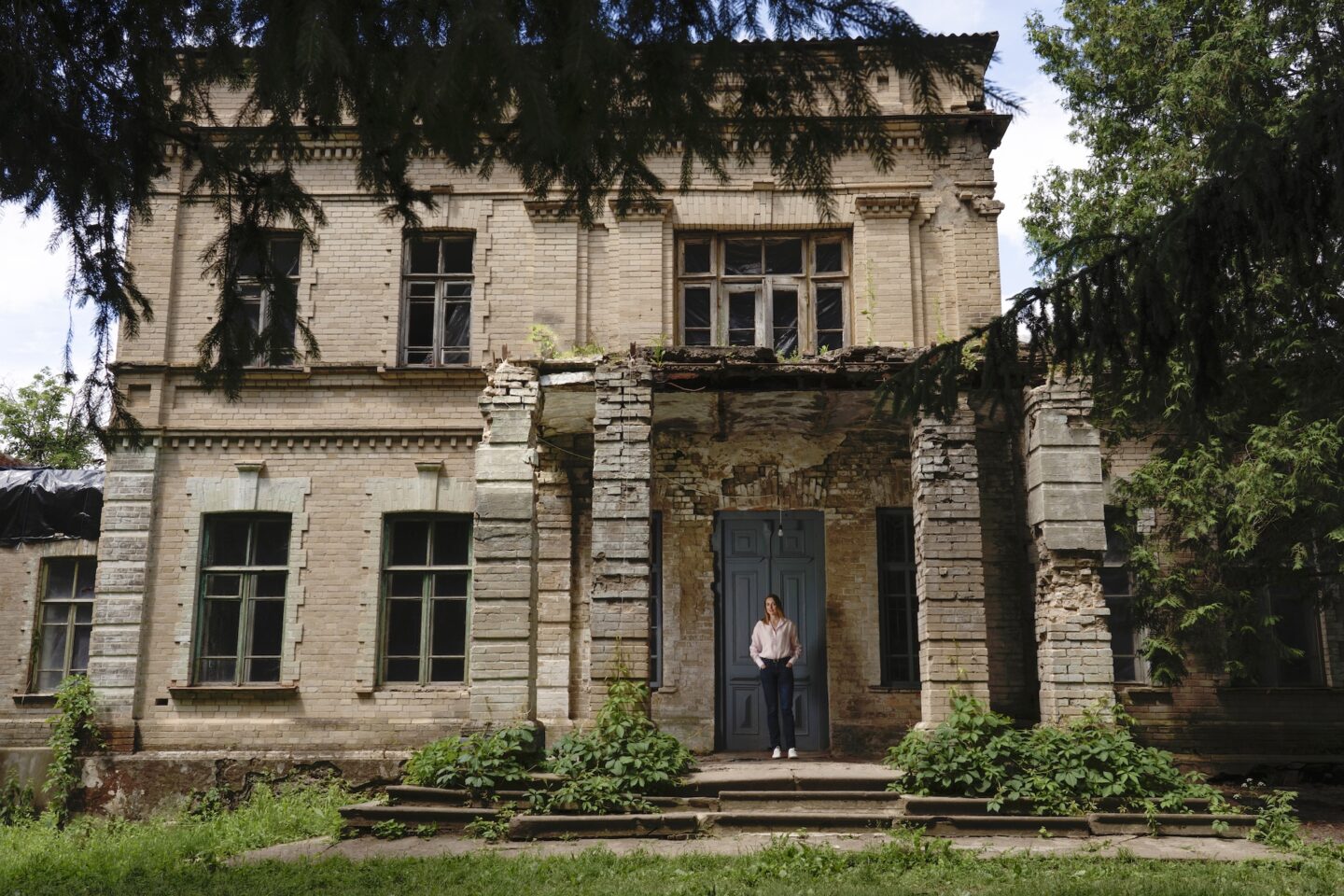
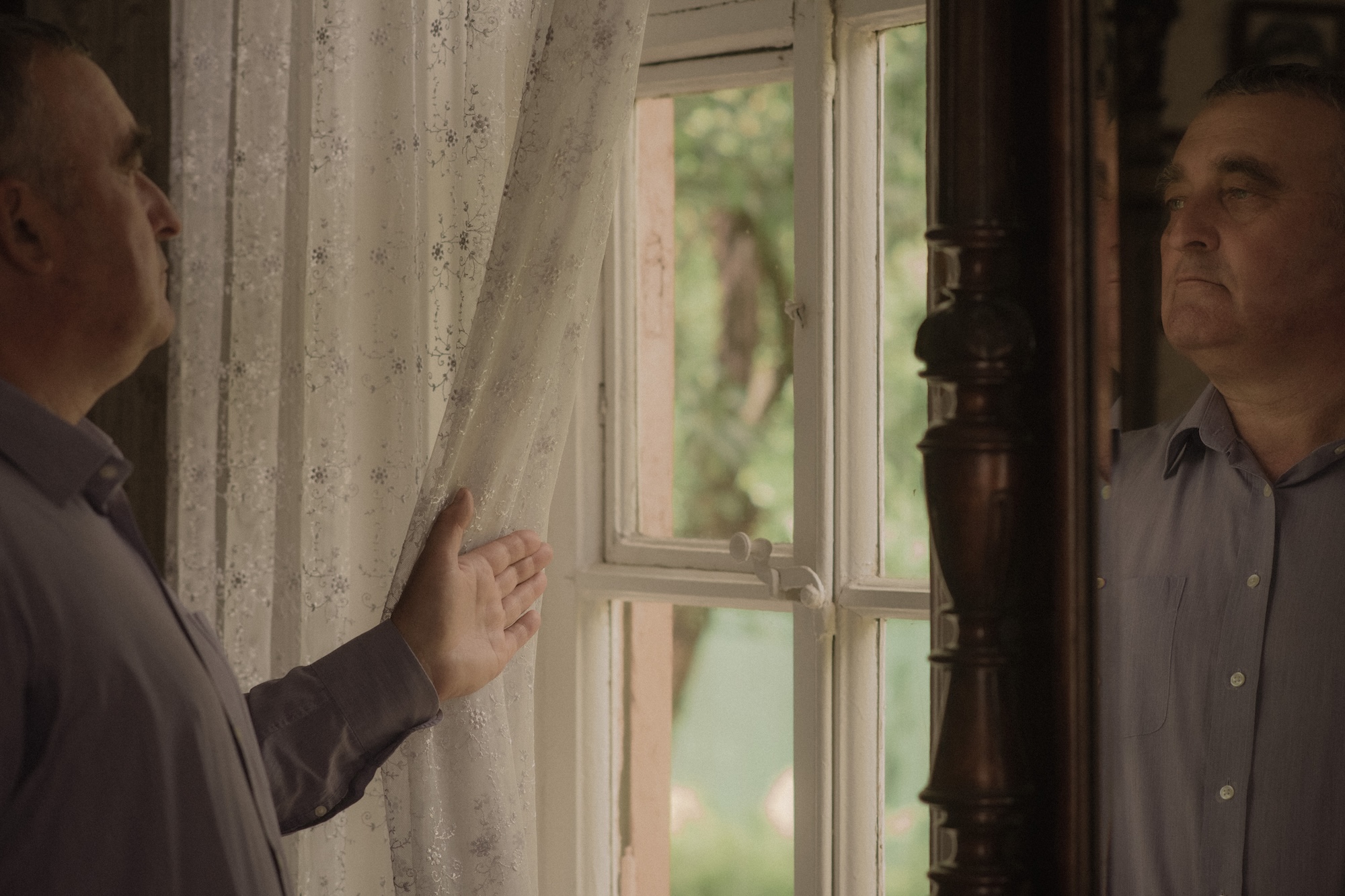
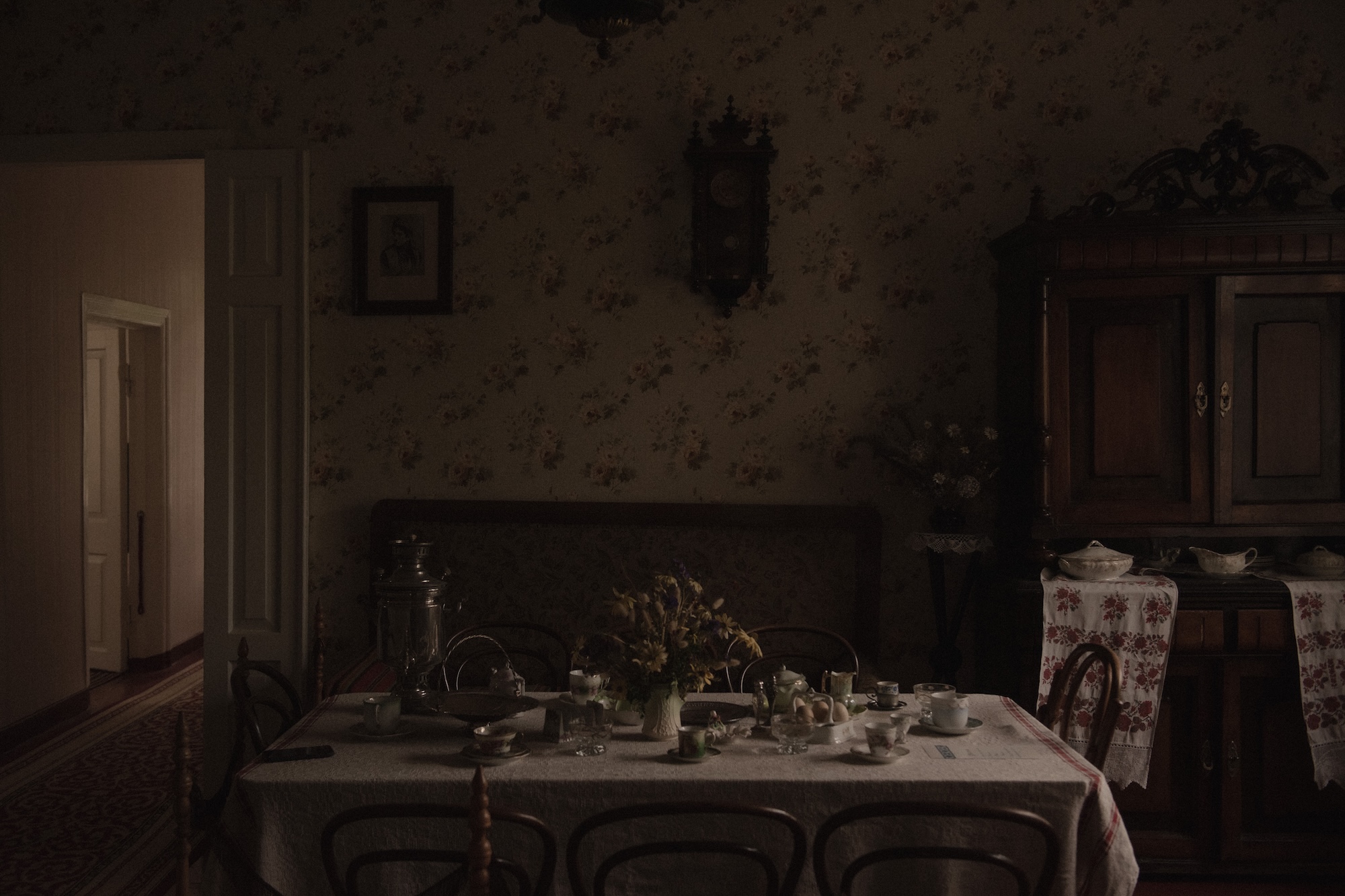
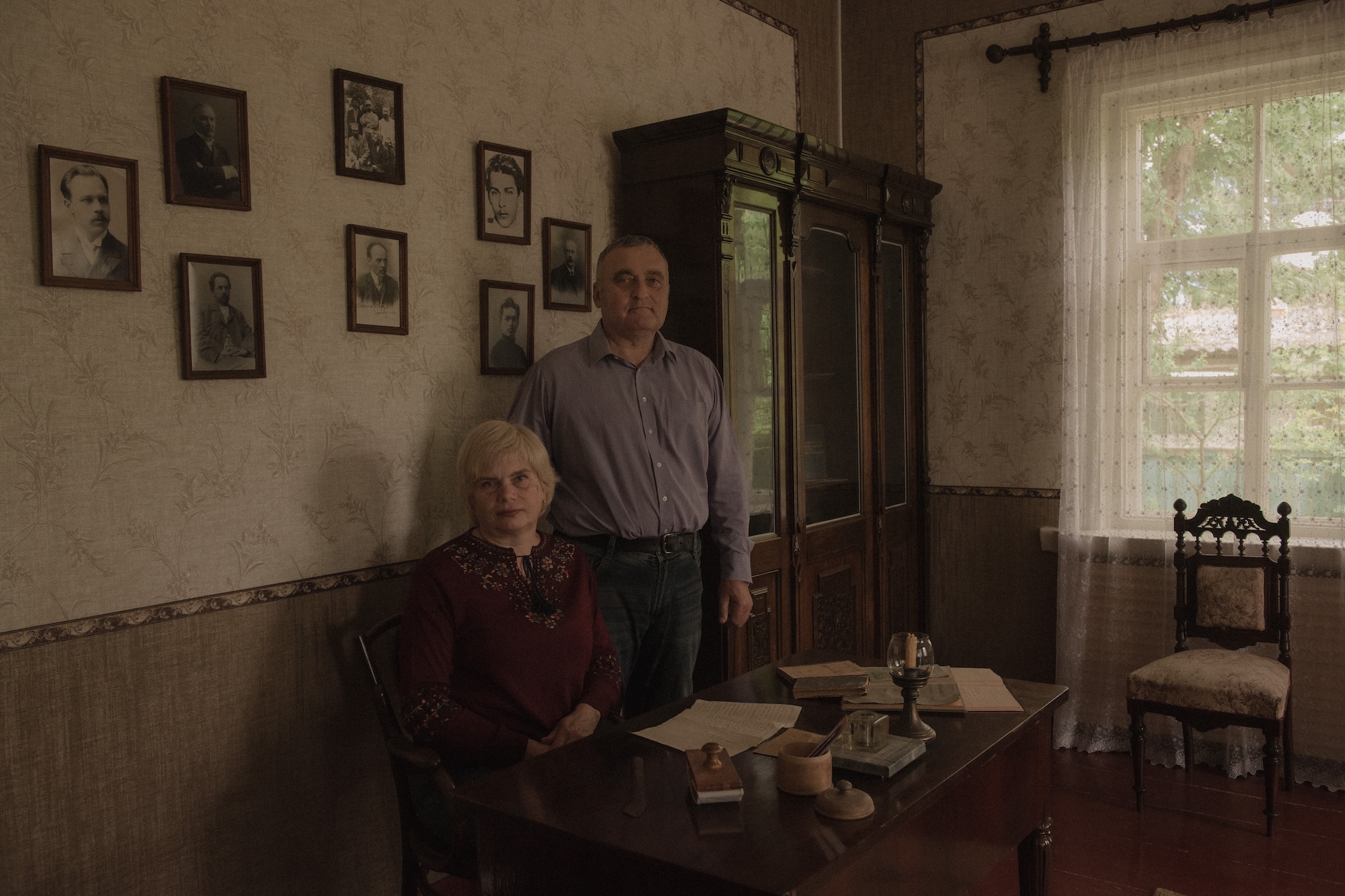
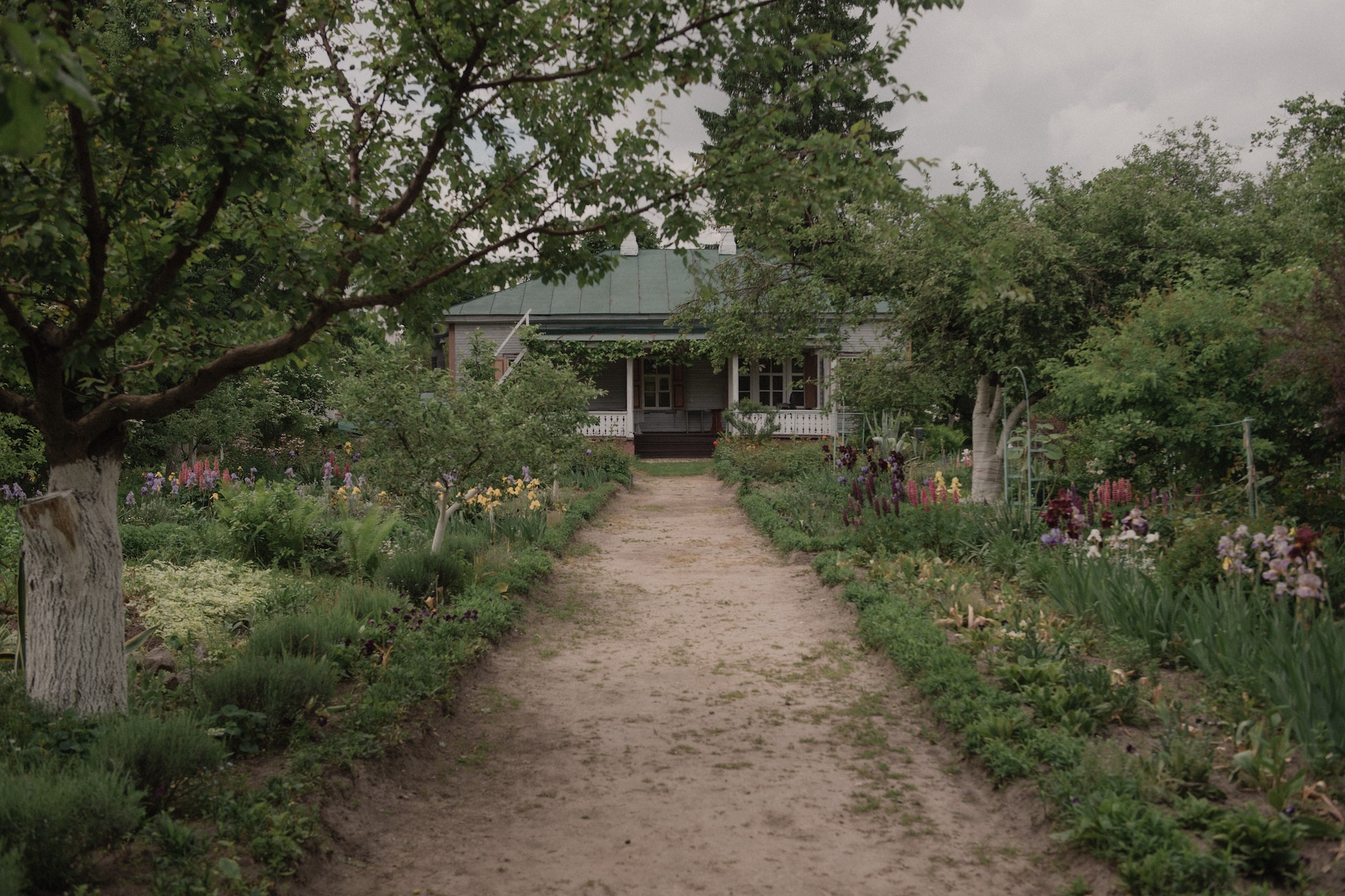
The family home of writer Mykhailo Kotsiubynskyi stands in Chernihiv: five rooms, a large terrace and a lush garden. The Kotsiubynskyi family lived here for only 15 years. Mykhailo died a year before the First World War. Since then, the house has been both theirs and not theirs. Everything here feels like a dream — nothing can ever be taken away again, because everything that remains of the family inheritance is now behind museum glass, labeled with an inventory number.
Except for the demons.
Yurii. The older son
1.
He didn’t have a problem with whose son he was, but whose son he was meant a great deal to the Russians who were pointing their cannons at Kyiv’s Right Bank.
2.
He titled it “A Letter Without an Envelope” and published it in the winter of 1918, just as the Soviets were on the verge of occupying Kyiv. Serhii Yefremov, a writer and the “godfather” of the Ukrainian People’s Republic, was glad that his friend, perhaps the most tender-hearted Ukrainian writer, Mykhailo Kotsiubynskyi, had died before he could see his son Yurii siding with those who boasted about turning Kyiv into rubble, and “had, in part, made good on their boasting.” He was glad that from his grave on the Desna River, where Yefremov himself had laid flowers, the writer did not see his son “bombing the beauty of our land and burying the young Ukrainian freedom.”
Nadiia Surovtsova, an employee of the Ministry of Foreign Affairs of the Ukrainian People’s Republic, the Hetmanate and the Directory — and a contemporary of Yurii — recalled that he never took revenge on Yefremov for that letter. In her opinion, that alone is enough to give one pause. But why? She recorded this memory of him while she was already in the camps.
3.
Being “commander-in-chief” of the Soviet army in 1918 meant that 22-year-old Yurii Kotsiubynskyi would have had to issue orders to shell Kyiv with artillery. From one such attack, the house of Mykhailo Hrushevsky, who had repeatedly supported Yurii’s father financially, caught fire, writes researcher Kulbytskyi, who was the first to compile the life stories of the writer’s children into a single book.
As sympathetic researchers would say, Yurii was not only the son of writer Kotsiubynskyi but also “a son of his time” — the time of all-promising communism. And those could have been very different sons.
4.
Tracing the route of the Soviet Russian Army’s advance on Kyiv in the winter of 1918 can offer a lesson.
A Bolshevik army unit captured Brovary, advanced into Darnytsia and reached the left bank of the Dnipro, breaking through Ukrainian defenses at the Railroad Bridge. Its remains now lie submerged beneath the river on either side of the modern-day Darnytsia Bridge.
Prymakov, Yurii’s friend and brother-in-law, crossed the Dnipro on the ice, advanced toward Vyshhorod, passed through Pushcha-Vodytsia and Kurenivka, and entered Podil, where he engaged in battle with Ukrainian cadets. After a prolonged defense, the Ukrainian army withdrew to Khreshchatyk.
The last forces of the Ukrainian People’s Republic retreated from Kyiv via the Brest Highway — the very same road along which, on the morning of February 24, one hundred and four years later, thousands of cars would flee westward from Kyiv, once again threatened by Russian troops
Afterward, the Russians seized the city and began doing what they do best: killing and looting. In 2022, the Russians failed to capture Kyiv. Instead, they carried out massacres in its outskirts, where they managed to establish control. Nothing new under the sun? Nothing new.
5.
In reality, Yurii hardly made any decisions. Although he was named commander-in-chief, he barely commanded that offensive — it was actually led by Russian Lieutenant Colonel Mikhail Muravyov. So what was he needed for? To make it seem like it wasn’t the Russians who conquered Kyiv.
Look, there he is, the son of a Ukrainian writer, leading his own people to claim their own land. This is a civil war!
6.
Formally, it was Yurii who captured Kyiv for the Soviet authorities, but in the 1930s, those same authorities removed this “son of his time” from all his posts. Yurii Kotsiubynskyi was sentenced to death in about 15 minutes. He was accused of planning terrorist attacks, and a confession was extracted from him during interrogations, just as it was from thousands of others. To this day, no one knows where his body is.
Many years later, Yurii was rehabilitated and his bust installed on the Alley of Heroes in Chernihiv. After the Revolution of Dignity, the head was knocked off it. His family took it to his father’s museum — after all, it’s his family’s home. They also took the bust of Prymakov, his friend and brother-in-law. After all, he’s part of their family, too.
Roman. The younger son
1.
He was born a frail child, and made up for his physical fragility with books. His family entrusted him with managing the family library — his first leadership role and perhaps his most successful.
Yurii led the way — in his career, in the revolution, in the catastrophe. Roman followed him with the loyalty of a younger brother who lacked his own identity.
2.
When Yurii came under persecution in 1934, Roman was appointed director of the museum dedicated to his father in Vinnytsia. He was tasked with banishing all the “Ukrainian and nationalist” ghosts from there: Hrushevsky, Yefremov and every single one of his father’s friends, now inconvenient for the Bolsheviks — cleansing his father’s museum of their taint with his own hands.
Was he already frightened by then? Most likely. Most likely, he didn’t want the system to grind him down too, because it’s quite a natural desire — the desire to survive. Roman had a young wife and a small son. But the system’s millstones make no exceptions: they swallowed him whole and spat him out dead.
Some time later, his sister Iryna would ask the authorities for a meeting with her brother — though she knew of Yurii’s death, she knew nothing about Roman’s.
3.
All that remained was his young son, Yulii, who ended up in Ukrainian — by then Soviet — orphanages, and from there, in Russia. He knew almost nothing about where he came from.
The things their mother Vira preserved
1.
Mykhailo Kotsiubynskyi died before World War I began. His wife, Vira Deisha, knew full well whose wife she was and what a significant figure she had accompanied throughout her life.
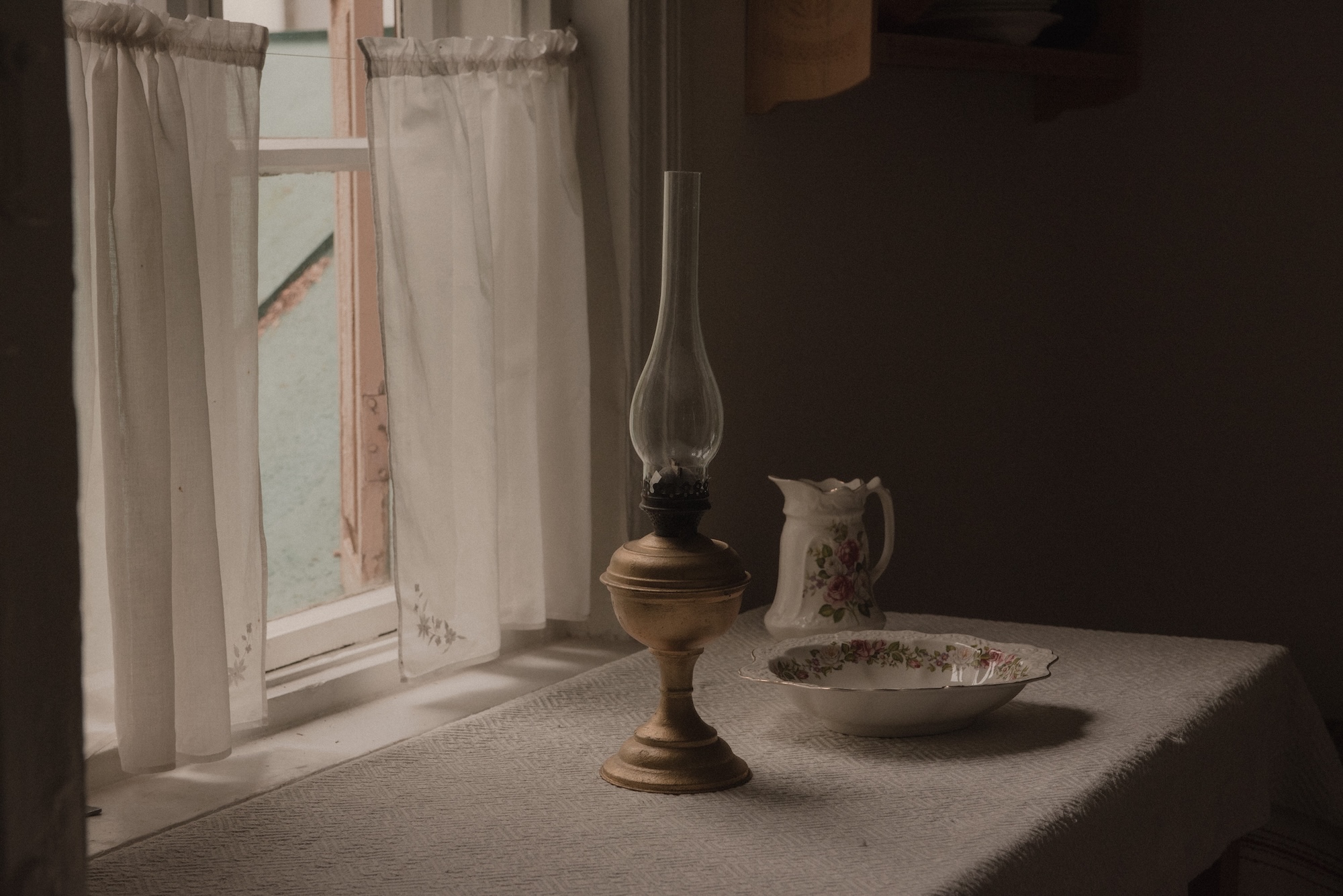
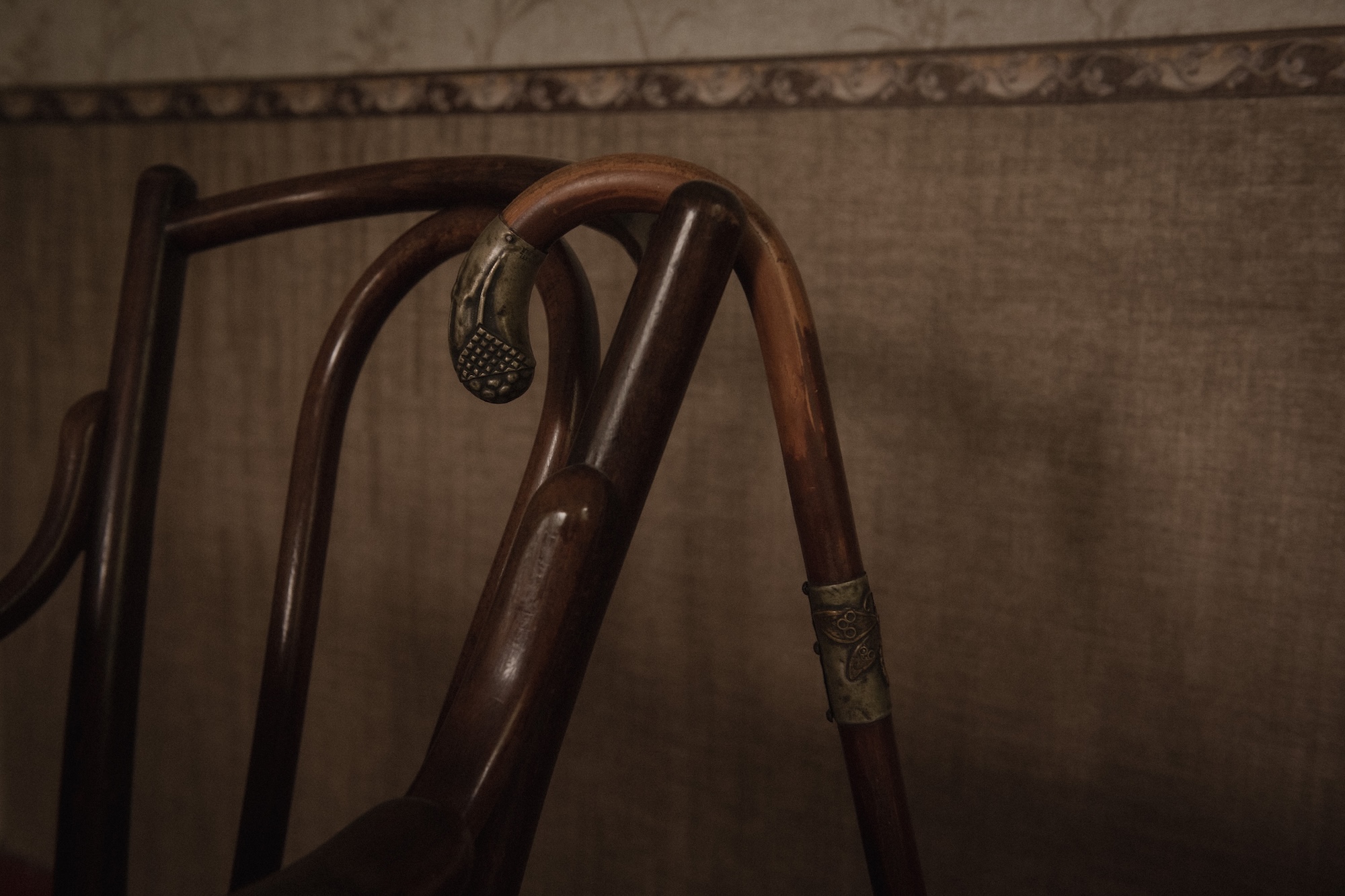
As she prepared to evacuate from Chernihiv, she gathered all of her husband’s belongings: inkwells, pens, manuscripts, a folding cane-chair that she herself had commissioned and given to him as a gift, original photographs, hundreds of volumes from his library and even his tableware — she donated all of it to the historical museum.
2.
After Vira’s departure, the house stood empty. In the turmoil of war, new occupants kept moving in. None of the newcomers tended the garden, now overrun with weeds; no one repaired the broken windows.
Vira took her belongings with her. So, little remains of her in the house-museum today: only her annotated Bible — an atheist’s Bible. Vira probably didn’t want to have an inventory number of her own. Her children were already scattered here and there, either resisting their era or abetting it.
3.
In the 1930s, the Soviet authorities effectively seized the house and everything in it in order to establish a museum dedicated to the writer Kotsiubynskyi. After all, a dead writer is one perfect Bolshevik.
Oksana. The older daughter
1.
She shot a bow and arrow, rode horses bareback, played the piano and wrote poetry. What kind of poetry she wrote remains unknown.
But Kotsiubynskyi’s daughter was supposed to have a bright future in literature — at least one of his children was. Though she had most likely read neither her father nor his contemporaries.
2.
Legends whisper that Tychyna was in love with her, but those rumors don’t hold up when looking at their age difference. We know for certain that Oksana was in love with Vitalii Prymakov, a friend of her brother Yurii, both of whom were already deeply involved in the revolution. And she rushed in after them.
Researchers repeat from article to article that she was a Bolshevik spy in the Central Rada, citing Sofia Rusova, an educator and Rada activist, who allegedly wrote an indignant note about it. But not a single source contains even a single quote.
3.
Oksana died pregnant at age 22. It is believed she hit her head.
Prymakov — also somebody’s son and a son of his time — outlived her by seventeen years. In the end, he would be carried out of an interrogation room on a stretcher, his face covered in blood, one eye gouged out.
Iryna. The younger daughter
1.
She was the only one in her family to survive and weather the repressions. They say she had quite the temper. Where could that have come from?
Yes, yes, she had a temper. Sure, one might call it “a temper” that Iryna would try to correct everything she considered to be “wrong”: for instance, she redrew the garden plan, which had changed significantly after her parents’ death under the influence of her uncle Khoma, the museum’s first director. She restored it to how she remembered it from her childhood. She also accused Khoma of stealing certain items and even of turning Yurii over to the authorities.
Iryna tried to remove certain figures from history — for example, Oleksandra Aplaksina, her father’s mistress — but that’s a whole other can of worms. Perhaps Iryna wanted only those who shared her blood to remain in history, but in a century like the one they’ve all inherited, an entire sea of blood was raging.
2.
As a child, she often played by herself — Yurii and Oksana were busy with their own affairs, and Roman was too young. Iryna would wander around the garden, humming to herself, dreaming of a home with luxurious furniture and beautiful tableware. She was always the first to sit down at the dinner table, admiring the napkins while the family gathered.
She grew up and married Avram Danishevskyi, the son of one of Chernihiv’s wealthiest families. She could have had it all, but the 1930s spared no one. When Yurii was arrested, followed by Roman, Iryna kept only the surname Danishevska — her double surname had become dangerous. She testified that she had practically no contact with her brothers and knew nothing of their plans. She worked as a cashier at a photo studio.
What followed was baffling. The sister of two executed “enemies of the people” joined the Party, graduated from law school on the eve of World War II, became a prosecutor and then a judge.
This mystery will never be solved.
3.
Their first son died in childhood. Only Florian remained. He became a sculptor. He sculpted Mayakovsky, Lesia Ukrainka, and the busts of both Yurii and Prymakov. He sculpted a bust for Kotsiubynskyi’s grave on the banks of the Desna. He erected the “Savur-Mohyla” memorial complex on a burial mound in Donetsk Oblast, where fierce battles between Russian and Ukrainian forces would rage in the new century. We can still admire his “Peace” sculpture — a figure of a woman with doves above the bridge across the Dnipro in Kyiv.
But he was not the one Iryna wanted to pass the family legacy on to.
4.
After Stalin’s death, Iryna devoted herself to rehabilitating her brothers. Having succeeded, she crossed the threshold of her childhood home once again — this time as the museum’s director. There it was, the very same table where she used to be the first to sit for dinner. The very same bedroom she shared with Oksana. Her parents’ desk. The tableware she used to admire as a little girl. But all of this was now museum exhibits. She was both the mistress of the house and not its mistress. The director of her own childhood. She could sleep and live in her childhood bedroom — no longer her room, but the director’s office.
5.
There was one thing she did that undoubtedly turned out to be a defining moment for the entire family. She found Yulii, Roman’s son. He was raised in Soviet orphanages, became a mechanic, fell in love with Yesenin’s poetry and didn’t know how to speak Ukrainian.
6.
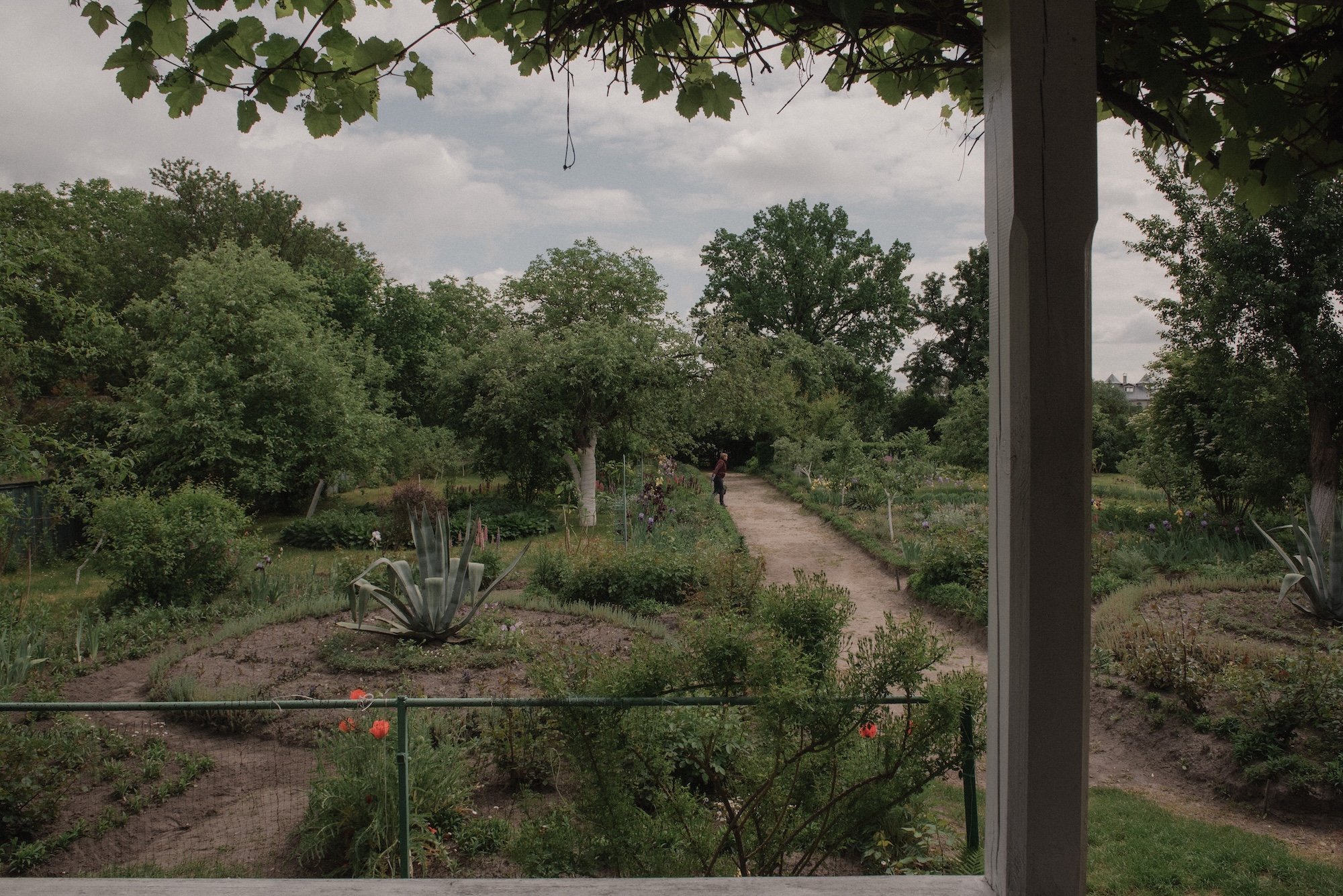
Iryna also wrote in her diary about something that could easily have been lost in the whirlwind of history — the plants in her parents’ garden. Spirea, boule de neige, pink almond, jasmine, lilac, lily-of-the-valley and periwinkle. Hyacinths — white, blue and pink. Red lilies — so vivid that all other colors paled in comparison. Roses, dahlias. And behind them — apple trees, linden trees, maples, walnut trees, pear trees, cornel trees and a timid young oak. Plums, cherries and sweet cherries — so delicious to bite into.
Yulii. The grandson that shouldn’t have existed
1.
Pavlo Tychyna held him in his arms — a baby just a few months old.
2.
Yulii Kotsiubynskyi was born in Kharkiv in 1934. Three years — that was all the time he had to live with his father, Roman, the writer’s youngest son. When his father and mother were arrested, Yulii was sent to Soviet specialized children’s institutions. His mother later found him and, in order to survive, married a Russian man, the director of a plywood factory. Yulii took his mother’s surname — he became Pysarevskyi.
His mother, Olena, played the piano, had a great singing voice and knew many songs. And she held onto all of it despite repressions, about which Yulii knew nothing for a long time.
During World War II, when he was still little, he and his mother were evacuated to Stalingrad. Very soon, they had to flee from there as well. The parents remained in the city, while the children would get evacuated by plane deeper into Russia. Days before Yulii was set to continue his journey, his mother asked to leave work early so she could tell him something. “The family you come from… Maybe you won’t understand everything I’m about to say right now, but later… No one but you must know about this.”
They wouldn’t see each other again for another eleven years. Yulii would spend all that time searching for her.
3.
In 1947, he read a children’s story by Kotsiubynskyi, and told his friend from the orphanage that his grandfather had written it. The girl just laughed. The caregivers took issue not with the fact that he was the writer’s grandson, but with the fact that he was the son and nephew of “enemies of the people.” After that, Yulii spoke nothing of it.
4.
The first time Iryna visited him was at the prison in Kyiv, where he had ended up trying to figure out who he really was. “I came today to find out who you are.” And once she found out, she told him who he really was.
She didn’t go into details, because “for now, it’s better to keep quiet” — just as Yulii’s mother had said 10 years earlier. Instead, Iryna gave him her son’s clothes and sent him care packages.
Yulii became a mechanic. He studied in Moscow. He found his mother.
One day, Iryna called and asked… No, Iryna never asked — Iryna ordered him to come home — that is, to the museum — and build on the family’s legacy. Not his father’s, of course. Only his grandfather’s.
5.
And so Yulii Pysarevskyi became Kotsiubynskyi.
He was 25. He was already an adult. Iryna sent him “to study” under Tychyna and Rylsky. Yulii first enrolled in Russian philology — after all, he didn’t speak Ukrainian. A year later, he transferred to the Ukrainian program — in his first dictation, he made over a hundred mistakes. Rylsky and Tychyna said it would be both embarrassing and difficult, but Yulii would overcome it. Indeed, he eventually became a distinguished philologist and a leading scholar of his grandfather’s legacy.
Upon returning home — a place he never lived — Yulii set out to unravel the Soviet-era influences imposed on his grandfather by the authorities, and to some extent, by his own children.
On May 15, 2000, Yulii Romanovych Kotsiubynskyi died suddenly. He was 66. It was time for his son, Ihor — Kotsiubynskyi’s great-grandson — to take up the mantle.
Great-grandson Ihor and his wife Nataliia
1.
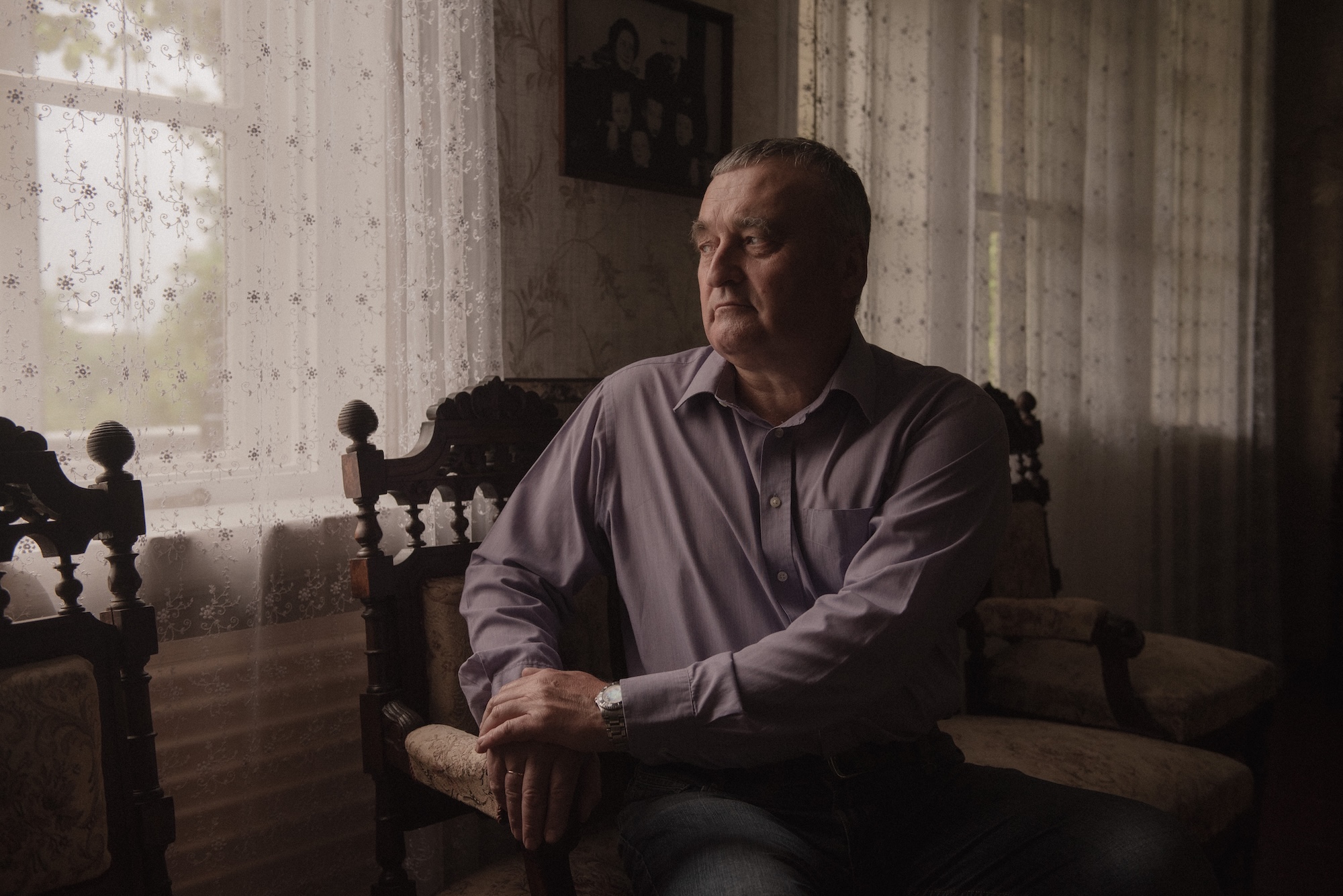
I don’t know if he looks like his great-grandfather. I don’t think so.
I first met him as a teenager on a field trip to the Kotsiubynskyi Garden, where we were offered apples from a tree planted by Kotsiubynskyi himself, and jokingly offered each other the chance to pet a black-and-white cat sitting near the agaves, because they said that Kotsiubynskyi himself had raised it, too. I didn’t know that Kotsiubynskyi’s actual great-grandson was walking right past us. Maybe if we’d known back when we were twelve, we would have laughed at that, too.
Ihor definitely looks a lot like his grandfather Roman — the same deep-set eyes with dark circles beneath them, which make his gaze more expressive. But those are Vira Ustymivna’s eyes, not Kotsiubynskyi’s.
From Kotsiubynskyi this branch of the family inherited sensitivity and a love of literature.
No one in the family writes.
2.
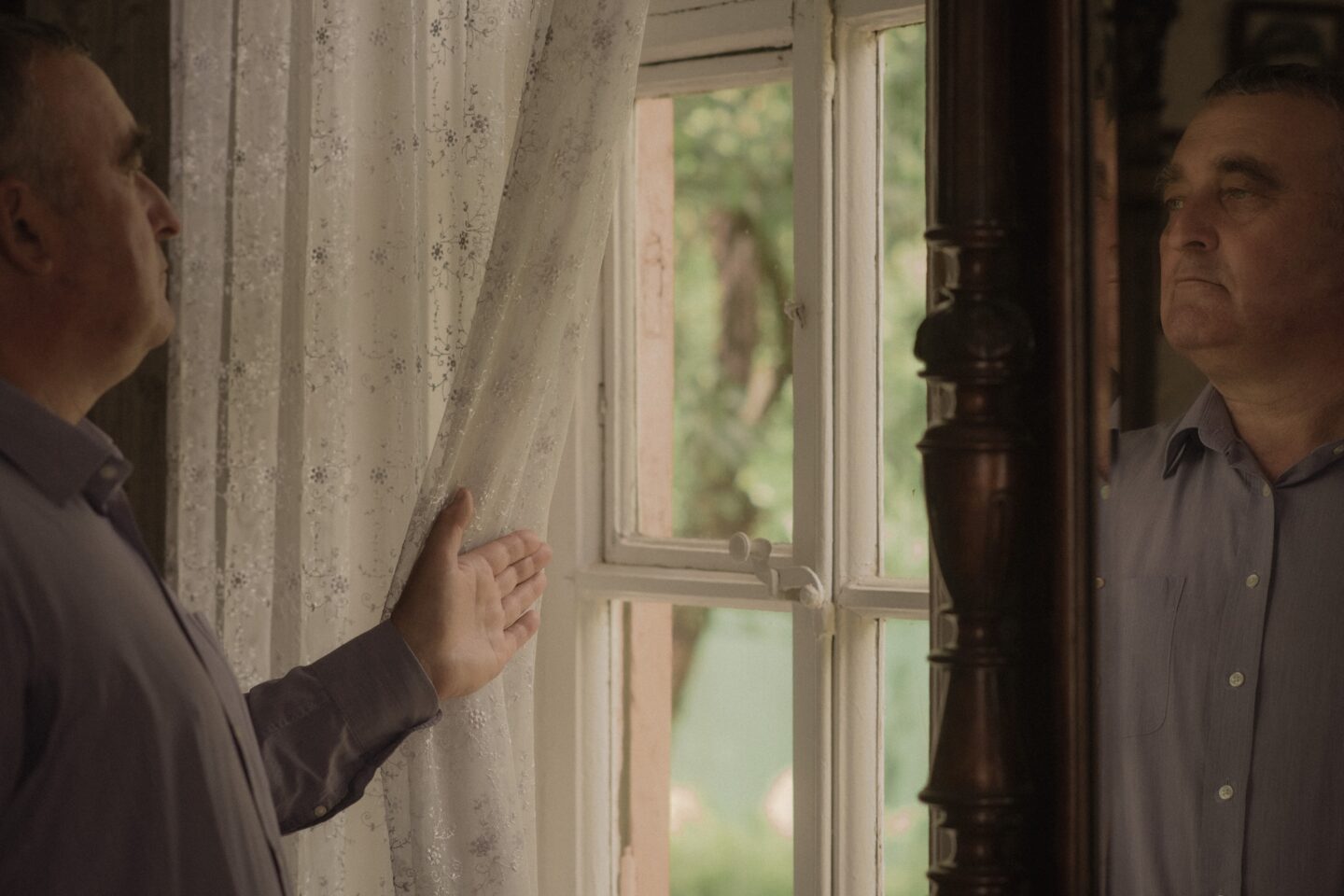
Ihor, however, knew full well whose son, grandson and great-grandson he was. In fact, he knew more than almost anyone else, yet felt no pull toward the museum, which was no longer his home. Kotsiubynskyi? Hrushevsky? Tychyna? The great-grandson of a great writer? What a joke.
“In a Chernihiv school during the Brezhnev era, where teachers spoke Russian and anything Ukrainian was ridiculed, the fact that I was a ‘great-grandson’ meant nothing,” Ihor recalls now. “‘Who needs these Ukrainian writers?’ We used to say at school: ‘Eating gravel is much better than Tychyna’s words and letters.’ So what if Tychyna grew up under Kotsiubynskyi’s wing?”
But in the end, after military school, Ihor, like many in his family before him, crossed the threshold of the family museum as its director.
“Call it fate.”
3.
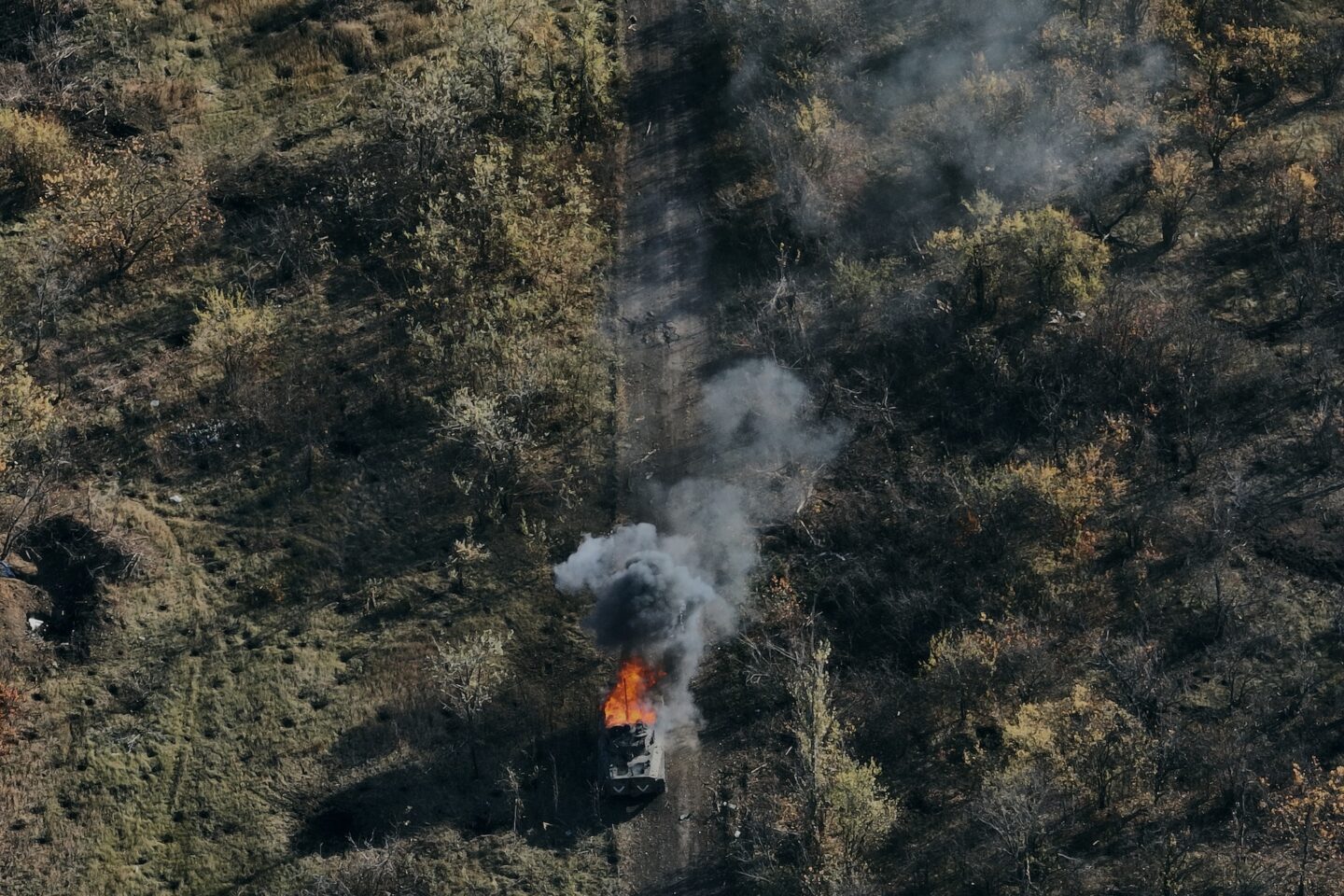
Ihor’s departed from the museum on March 17, 2014 — the Russians went to war against Ukraine, just as they had a century ago. Ihor had to step away from his duties to go to the front. The museum community raised funds to buy him a bulletproof vest, a sleeping pad and medical supplies.
“The question of whether to go or not didn’t even come up. Some people were hiding from draft notices. But I understood: if we don’t defend ourselves, those tanks will come here.”
Serhii Yefremov was ultimately right when, at the end of that angry letter, he told Yurii that the seeds Yurii had sown in his own land would not yield what he had hoped for. What grew was yet another war by Russia against Ukraine — a war of extermination. And now, dear Yurii, your grandson must go and defend this land. But how could Yurii have known? Perhaps he couldn’t. Different times raise different sons.
4.
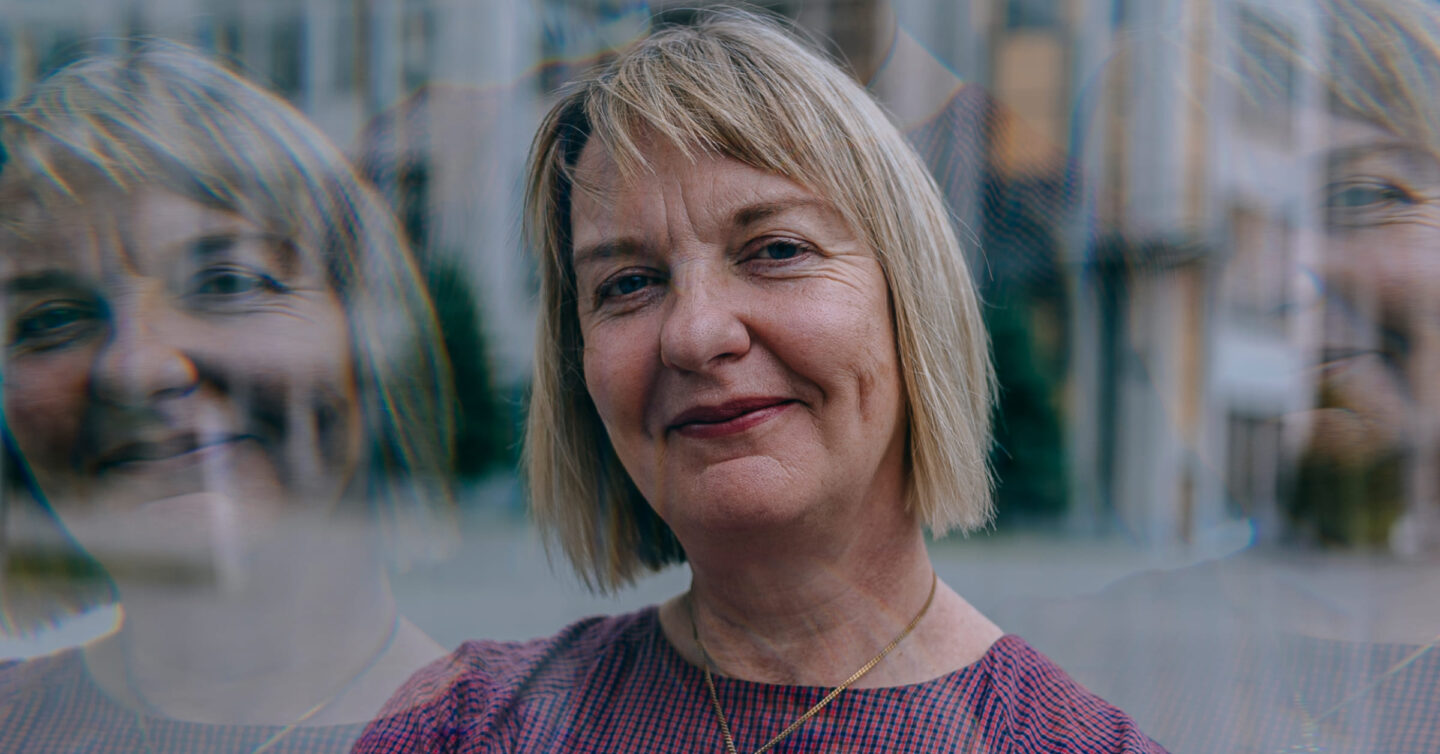
While Ihor was at war, his wife Nataliia ran the museum. She is yet another woman in the family who fully understands the significance of the surname she also bears.
5.
Of course, they talked about it more than once. They imagined it and even dreamed about it a little. This house, this garden, this table and these bookcases (now filled with relatively new books — everything truly valuable and original had been evacuated from here, because it takes a Russian ballistic missile between one and three minutes to reach Chernihiv and the museum) — all of this could have been their direct inheritance.
“Can you imagine,” said Nataliia, “waking up in the morning, brewing coffee, stepping out onto this terrace, taking a sip while gazing at the garden? Why wouldn’t you want that? Who wouldn’t want that?”
They did want it. Yet, they always ended this conversation with the understanding that the public good takes precedence over their private comfort.
Their legacy is to preserve the memory. The house itself will never belong to them, but they will always belong to this house — all of them: the living, the dead, the buried, the unburied, the unborn and even the bronze busts.
6.
When he left for the war in the east, Ihor said he had to go and defend because the Russians would come here — that is, to Chernihiv. He did defend, but they came anyway. In March 2022, partly following in the footsteps — quite literally — of Yurii Kotsiubynskyii and Muravyov. Ihor was already retired. He and Nataliia immediately packed up their belongings and came to the museum. They came here to live, to protect the writer’s legacy from fire, shelling, vandalism and theft.
And so, what they had sometimes talked about came true. On a quiet morning amid Russian planes carrying 500-kilogram bombs, Nataliia brewed some coffee; she and Ihor stepped out onto the very terrace where Mykhailo Kotsiubynskyi spent evenings with his family, where little Oksana picked a rose for young Tychyna, where Iryna used to walk, where Yurii and Prymakov used to talk, and where Roman used to read books.
Daughter
Ihor and Nataliia’s daughter is named Iryna. Yet another Iryna in this story.
Her parents were adamant that she not take on this family debt of devoting herself to the museum. Iryna is neither a philologist nor a museum curator.
“We didn’t insist,” says Nataliia. “My husband lived with that burden his whole life: he had to, because it was a family matter, and the collective always took precedence over the personal. So we’ve accepted that our family’s involvement here may end with us.”
But who knows?
Kotsiubynskyi’s daughter, Iryna Mykhailivna, who was a lawyer and a judge, returned and took charge of this museum after she retired. Yulii wasn’t even supposed to end up here at all.
Revolvers and butterflies
1.
A Nagant revolver, serial number 4379. Roman Kotsiubynskyi kept it as a memento of his years with the Red Cossacks. It was likely confiscated during his arrest in December 1936.
The case file of Yurii Kotsiubynskyi contains a list of confiscated items and clothing that ended up in a Soviet government warehouse. Coats, children’s shoes, a tablecloth. When his wife, Olha, returned from exile, she asked for those items back, but she was simply given a small amount of money in exchange for all that property. So none of those items survived.
Roman’s wife also wrote many requests regarding everything that had been confiscated from them. She asked for at least the photos to be returned. Nothing was returned.
Nothing remains of Oksana in this house. From Iryna — a pen, a small mirror and a powder compact.
2.
Once, Mykhailo Kotsiubynskyi brought back a box of dried butterflies from Capri — it had been given to him by the artist Mykola Prakhov, whose family the writer had befriended on the island. Both men had four children each, and both were homesick. The box of butterflies was intended for Kotsiubynskyi’s four children.
The kids were fascinated. They asked how they could do it themselves, and that summer they never went out to the Desna River without butterfly nets. Each one tried to catch the best butterfly so they could later pin it under glass. Their parents helped them: at night, by the light of a lantern, they could catch a large hawk moth and leave it on the table until breakfast. The children would come out for breakfast and be beside themselves with joy — such a large and beautiful butterfly.
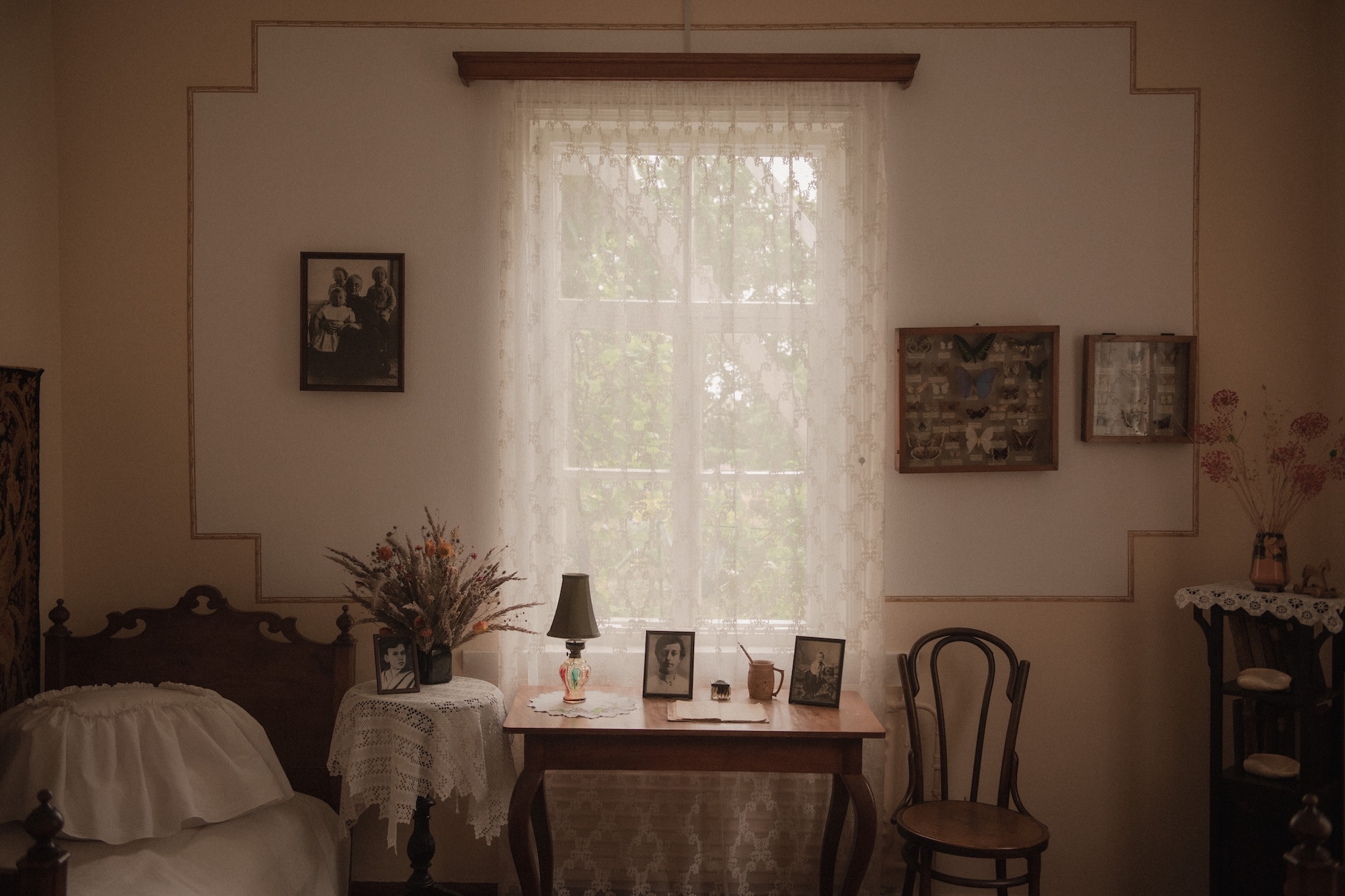
The little box with butterflies that now hangs in Yurii and Roman’s bedroom isn’t the very same box, but it still evokes a longing for a lost paradise. In this box, Yurii, Roman, Oksana and Iryna remain forever — their childhood antics and innocent eyes, moments unburdened by future storms.
As a child, I loved this box on the wall of the “boys’” (the tour guides referred to them exclusively as “little brothers”) room more than anything else. Back then, we were told only that the children loved to catch butterflies and put them under glass. No one told us what darkness would later catch them.