Rules for Living in a World Where Rules No Longer Exist
This text is part of the book “Lessons for a Brave World.” The project was created jointly by House of Europe program of the EU, implemented by the Goethe-Institut and The Ukrainians Media.
Culture is the translation of experiences. Yet experience itself is untranslatable. You cannot truly understand “what it is like” to be under fire unless you have been under fire yourself. You cannot understand “what it is like”: to lose those closest to you unless you have lost them yourself.
But culture is a desperate attempt to translate the untranslatable.
It will not let you feel, in full measure, the “what it is like.” But it will bring you closer to that feeling. It will lead you as close as possible to the border of a country you have never been to.
Culture allows us to learn. From the experience of others. From the pain of others. From the joys of others.
It is a school of human interaction. And in this school, we Ukrainians have something to tell you.
These are my rules for living. They are rules for a world where rules no longer exist. They are rules for a world where life ends quickly. These are my rules as a Ukrainian, though it is not a given that other Ukrainians will agree with them.
Whether they are useful to you or not is for you to decide.
Rules are like fish: more often than not, they slip through your fingers.
But if you should find you need them after all, pass them on to your friends and your enemies. And along with them, pass on greetings from a land where people live despite death, love despite hate and find joy despite sorrow.
Live despite
Ukrainians live not because of, but despite. Our concept of “воля”(volia, translated as both will and freedom) means “freedom despite.” It is a freedom that requires an act of will. It is freedom against the current.
We swim away from the sea, not towards it.
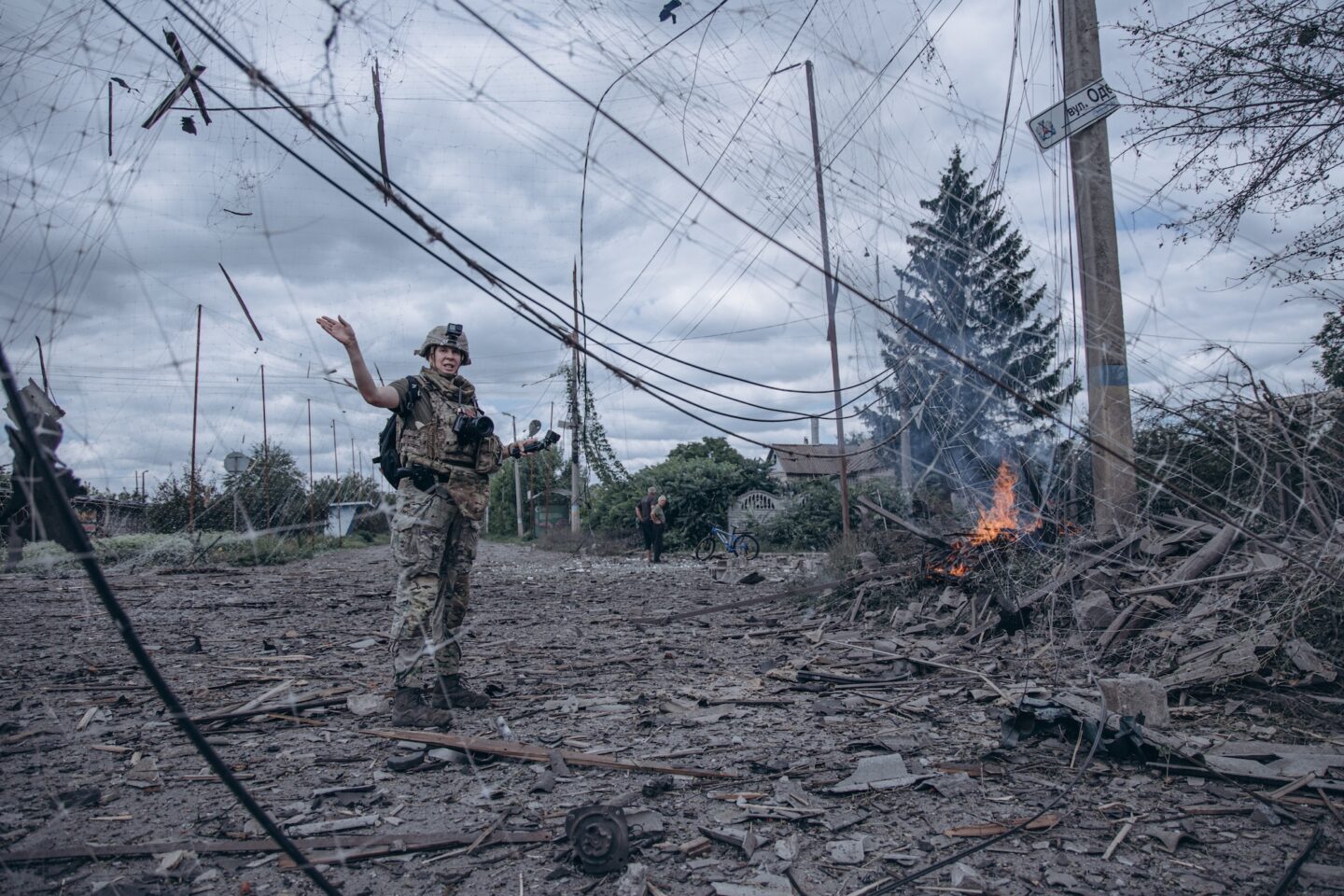
Great things are achieved only when you have overcome something. The matter of the world is inert and often hostile. You can do what others deem impossible. Freedom is a muscle that must be trained. In comfortable conditions, it atrophies.
To live despite, to live in spite of, means to seek rare flowers. It means saving a life where it is thought to have died.
It means giving love where it is thought to have no chance.
Strive for the impossible
The impossible is often just a boundary established by previous experience. Sometimes the impossible is a cage created for us by someone else.
When you fly out, it remains a cage, the same as before, but without you.
The essence of human effort lies in pushing these boundaries.
Some things are truly impossible, while others only seem so. Courage is testing which is which. Wisdom is the ability to distinguish the possible from the impossible. Therefore, wisdom is inextricably linked to courage.
“The brave always have good fortune,” wrote the Ukrainian classic Ivan Bahrianyi [trans. George S. N. Luckyj, 1954 — Ed.].
Connect with others
“Hell is other people,” Sartre said; “hell is the absence of other people,” we say.
Never before in human history have we been so dependent on one another and so helpless alone, and never before have we poisoned ourselves with the illusion of individualism so much.
On our own, we cannot feed ourselves, clothe ourselves, warm ourselves, or be happy… Yet we are constantly focused on ourselves, our image, our pleasure and our reputation.
But the truth is simple: we live thanks to others and others live thanks to us. We are dependent on others every second of our existence. These others may hold worldviews we loathe, listen to music we find repulsive, or live in a country we want to know nothing about. And yet, we are dependent on others like an infant on its parents.
The Ukrainian experience shows: communities matter; connections between people can be lifesaving; you can only achieve something by connecting and bonding yourself to others.
Connect with as many people as possible, and then something important might happen.
Have faith
We have never seen the most important things in the world.
Love, justice, virtue, eternity, beauty… We only suspect they exist. We are always deceived by someone or something.
And yet, we search for them constantly because we believe they are there.
Without faith, we are deprived of eyes. Without faith, we are prey for hunters.
We have chased “critical thinking” so desperately that we have forgotten about faith.
Faith without critical thinking is fanatical, but critical thinking without faith is powerless.
Ukrainians believe in victory, even though empirical reality provides no grounds for it. Our ancestors believed Ukraine would become independent, even though empirical reality denied the possibility of such a development.
Through faith in small things, we are able to live through today. Through faith in great things, we can change the world.
Do not mistake critical thinking for a lack of faith. Do not mistake the reason for despair.
Know how to defend yourself
Evil will not vanish from human nature. It will not wither away under the kind sun of a “pocket” ideology. Evil will always be within us. It is our disease. We were born sick. We are children of original sin. The Christians are right, even when they are atheists.
But besides “original sin,” there is also “original good” within us. Good and evil struggle inside us every day. And no victory for either is ever final. The next moment, a new war begins.
Know how to defend yourself against evil. Not just to avoid it, but to defend against it. Not just to plead with it, to enter into trusting relationships with it (to supposedly disarm it), or to draw its attention to international law and the UN Charter, but to defend against it.
Sometimes dialogue is needed, and sometimes a fight is needed.
Because the fear of provoking evil provokes evil. Because evil goes where it meets no resistance.
Because evil feeds on impunity.
Value life, for it is fragile
Life is a miracle authorized by physics, chemistry and biology. It is a miracle translated into the language of matter.
Pascal said: “Man is a thinking reed.” He is a reed and easily broken. But he thinks and through him, the universe introduces itself to itself.
The universe can only know itself through man. Only through the thinking reed. Only through the brain, which is the mirror of the universe, but which is as fragile as a real mirror.
Life is fragile, it can end at any moment. There are forces in this world that want it to end right now.
You have just seen dark spots on a page, translated them into sounds, sounds into words, words into meanings and reflected on them. This is already a miracle. In this moment, you have taken several breaths. Your body is working by itself. This is a miracle.
“Man is a living being endowed with rational speech,” said Aristotle. But we say: “Man is a living being who becomes aware of life at the moment it might disappear.”
Value it while it lasts. For soon it will be gone.
Love, for it is useful
The modern world warns us against love. It brings us back to the idea that love is a trap. That it is a danger.
That love is too idealistic. That it is too infantile.
To love is to give of oneself. But we are taught to live in energy-saving mode. We are taught to accumulate. We are taught to have a private space with a fence and a guard dog.
And so we become lonely. Behind the fence, behind the guard dog.
But it is never too late to love. War teaches love. People defend themselves not out of hate, but out of love.
Because hate teaches nothing and protects no one.
The more vulnerable life is, the stronger the love. The shorter the moment, the sharper the arrow of enchantment.
Love, for it is the best way to connect. Give when you can, for it is the best way to gain.
Those who love are those who cannot do without others. Those who love are those whom others cannot do without.
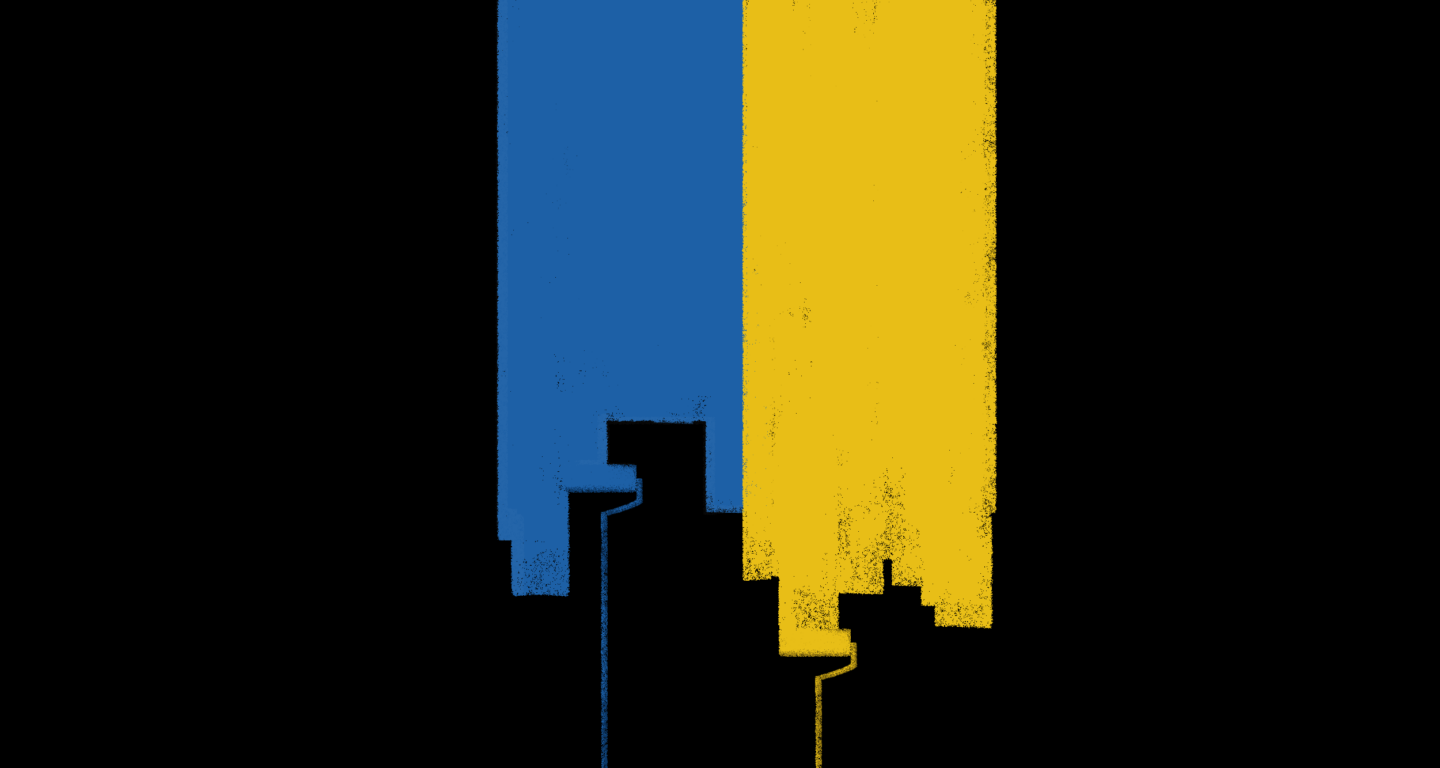
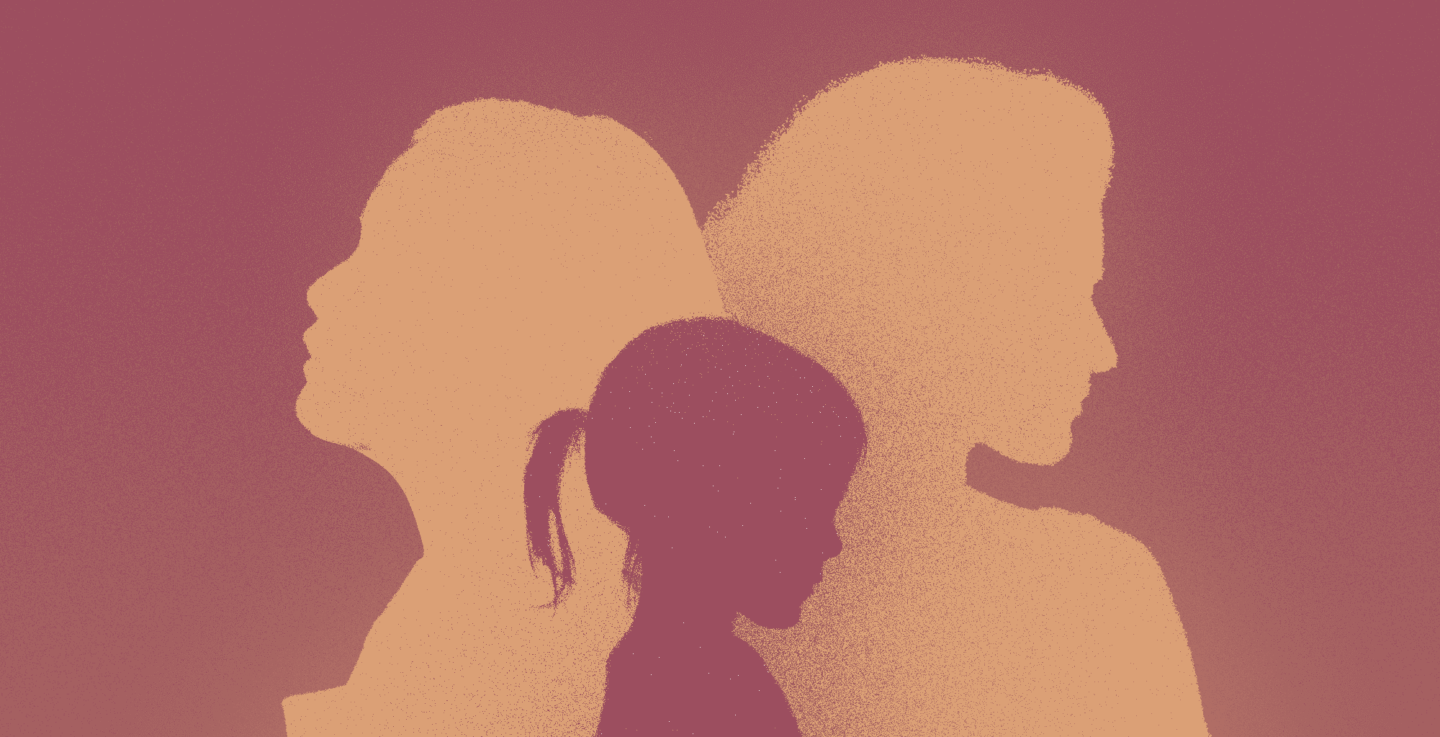
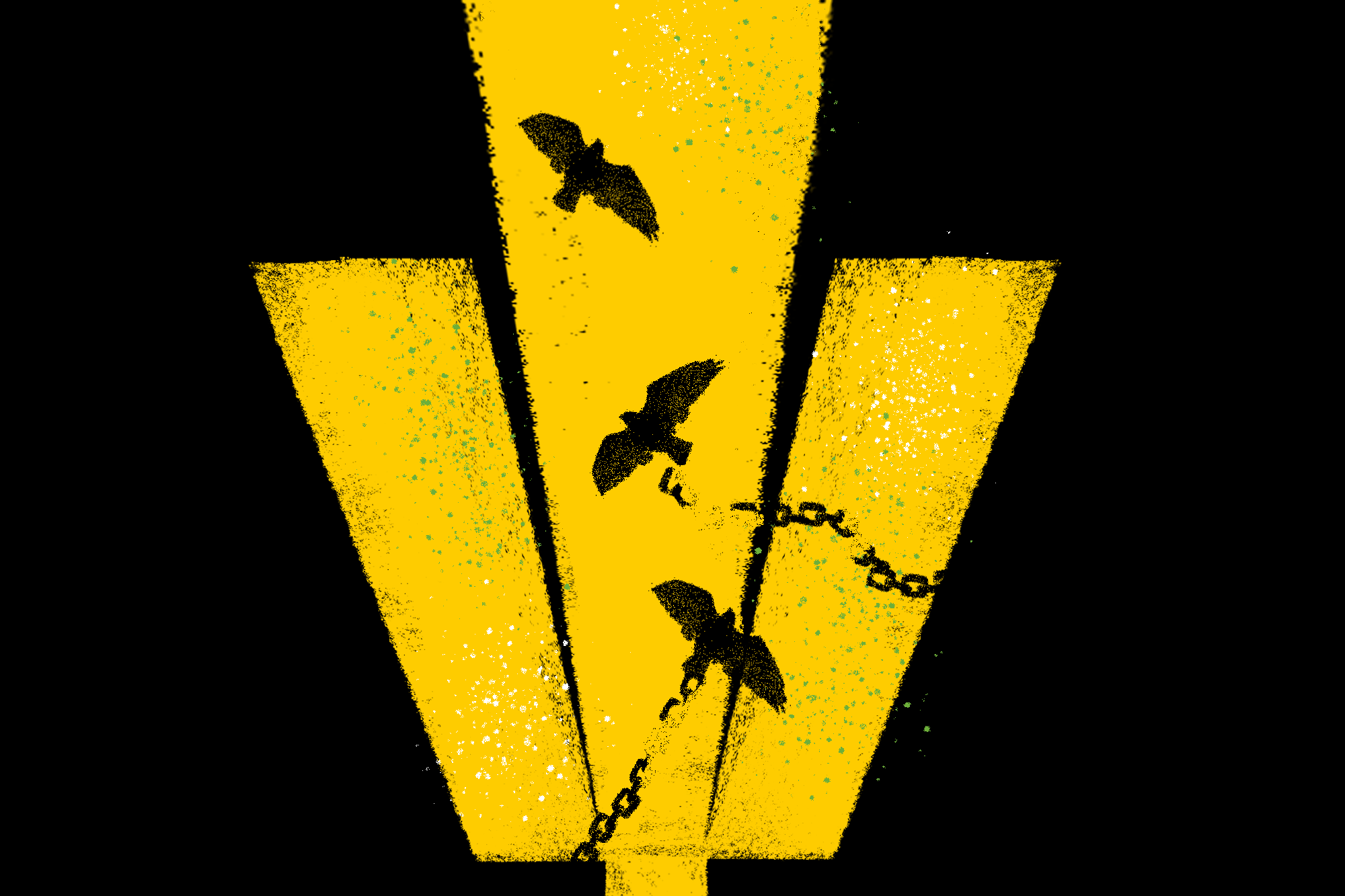
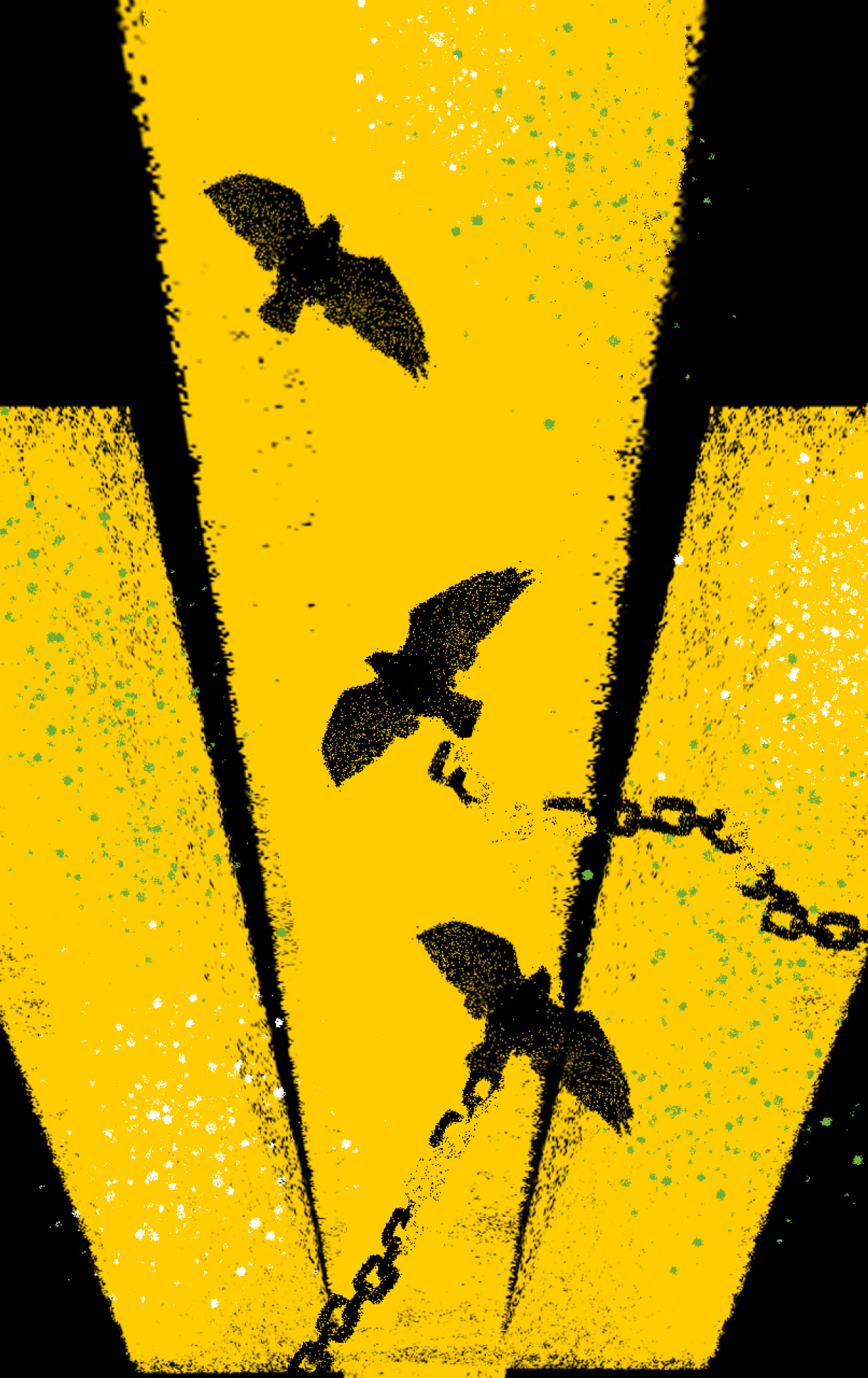
Illustration by Vadym Blonskyi. Translation from the Ukrainian by Iryna Chalapchii.
If you would like to share your thoughts, ideas, or experiences and write an op-ed, please send an email to [email protected]. The views expressed in this article do not necessarily reflect the position of The Ukrainians Media. Reprinting this text, in whole or in part, is permitted only with the written consent of the editors.