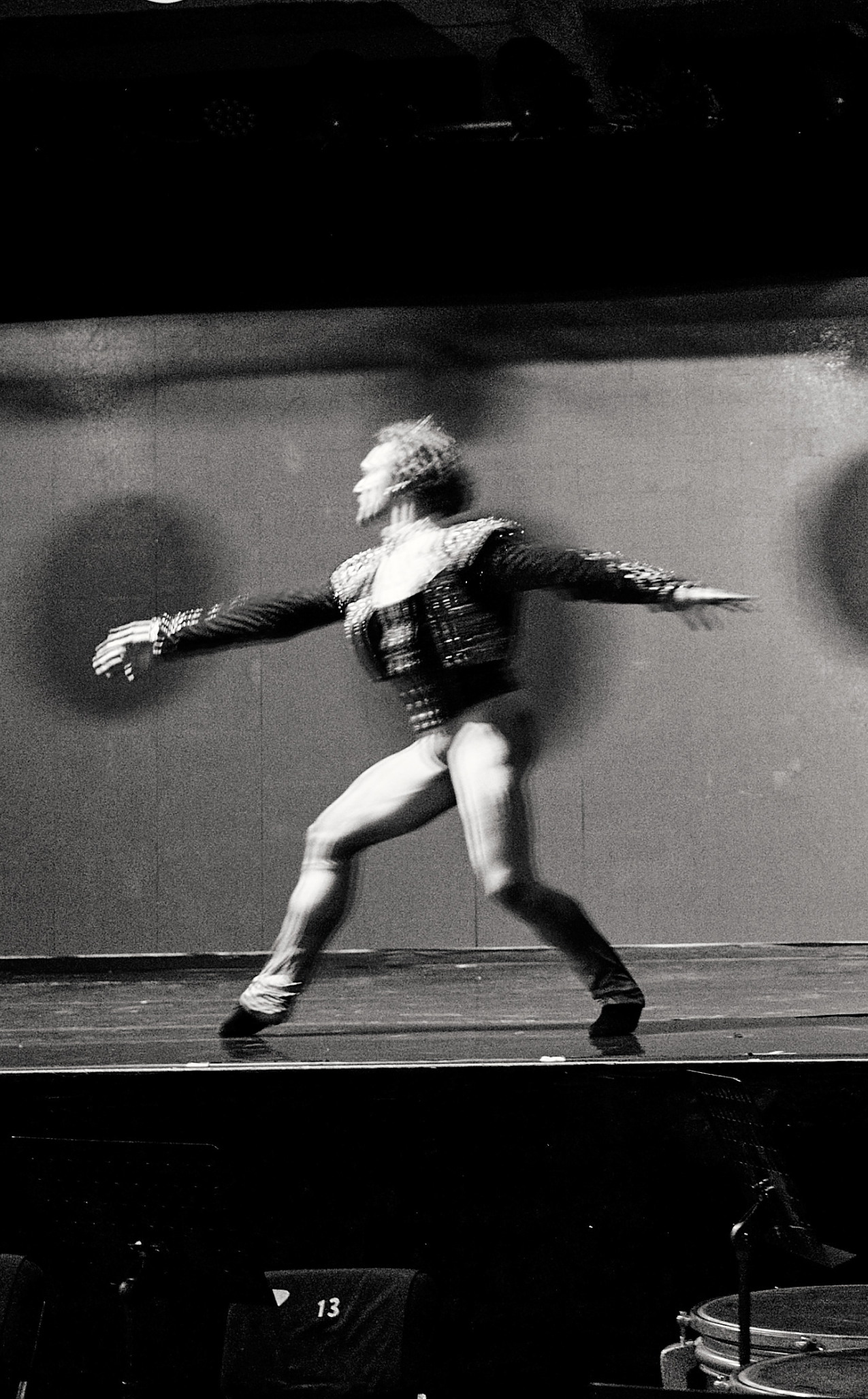
Ukrainian Ballet No Longer Wants to Be Anyone’s Shadow
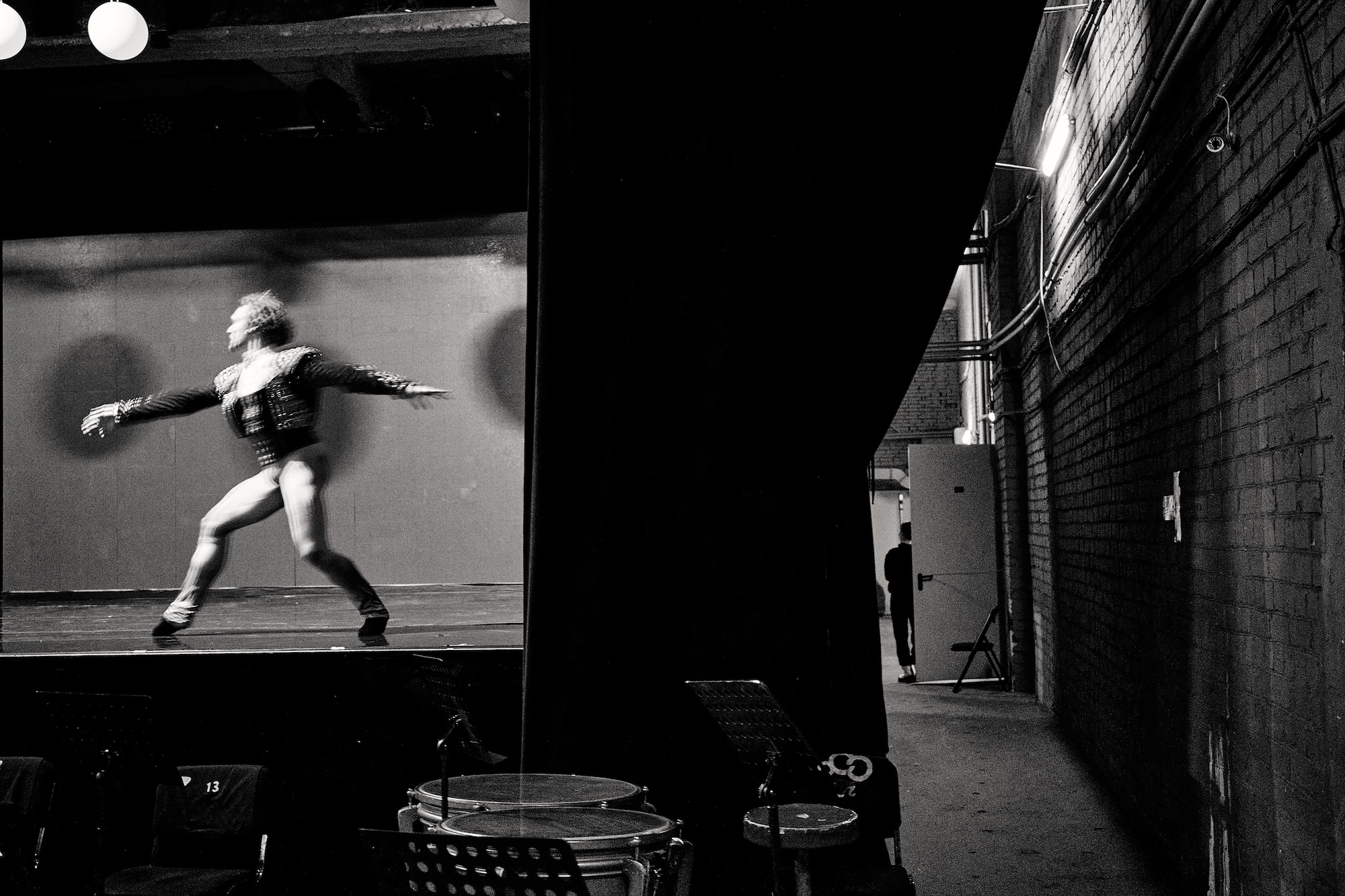
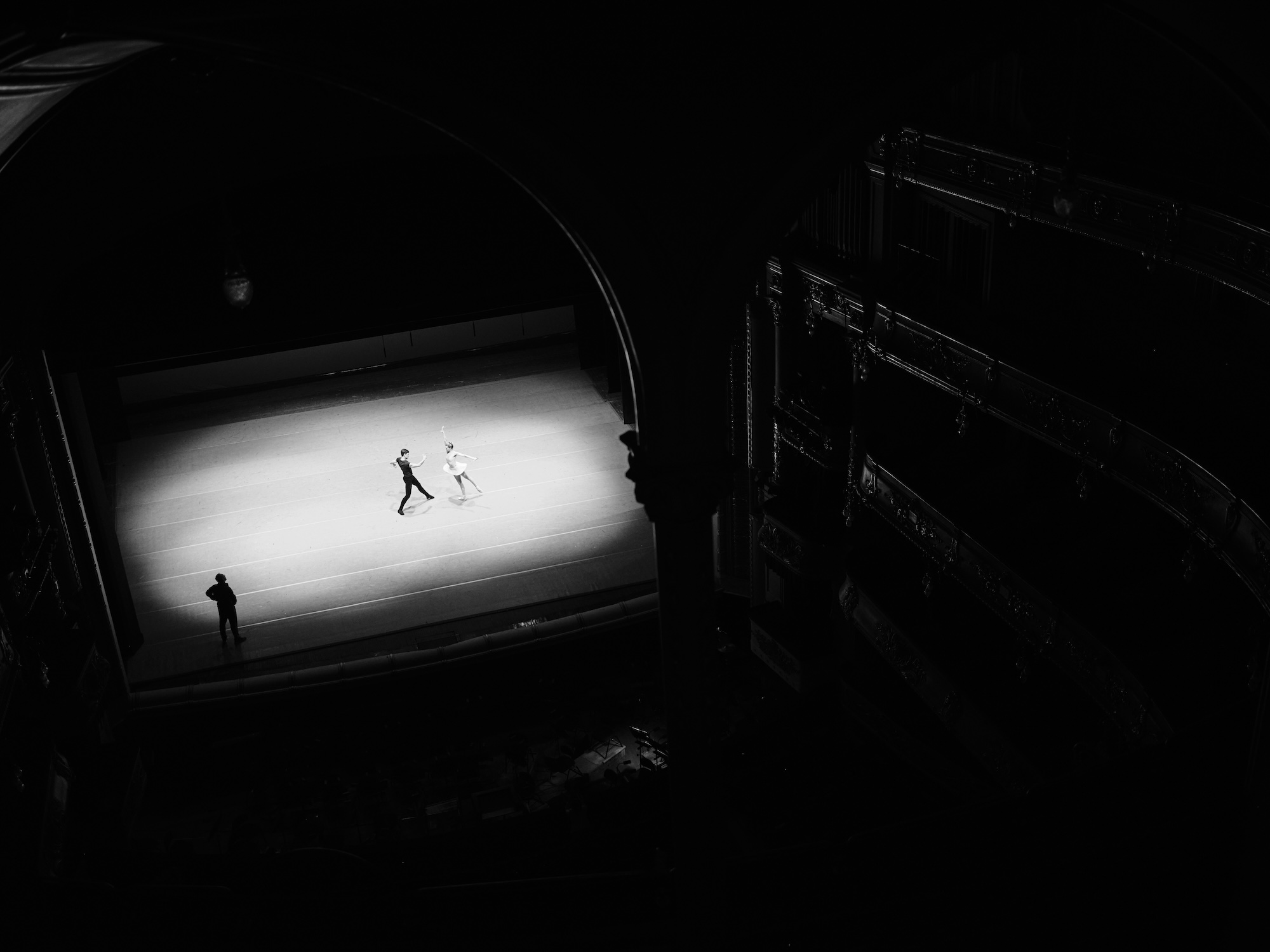
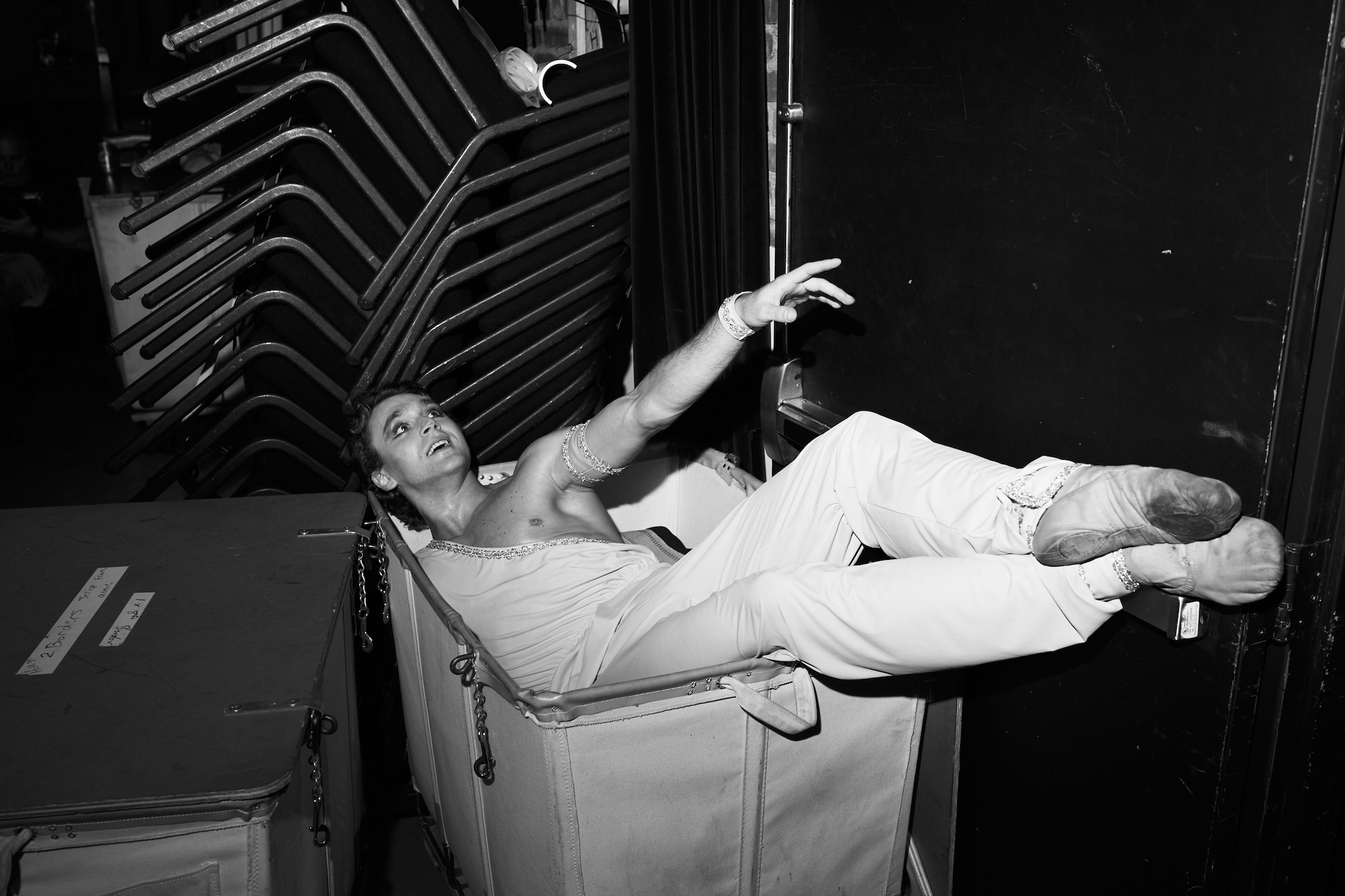
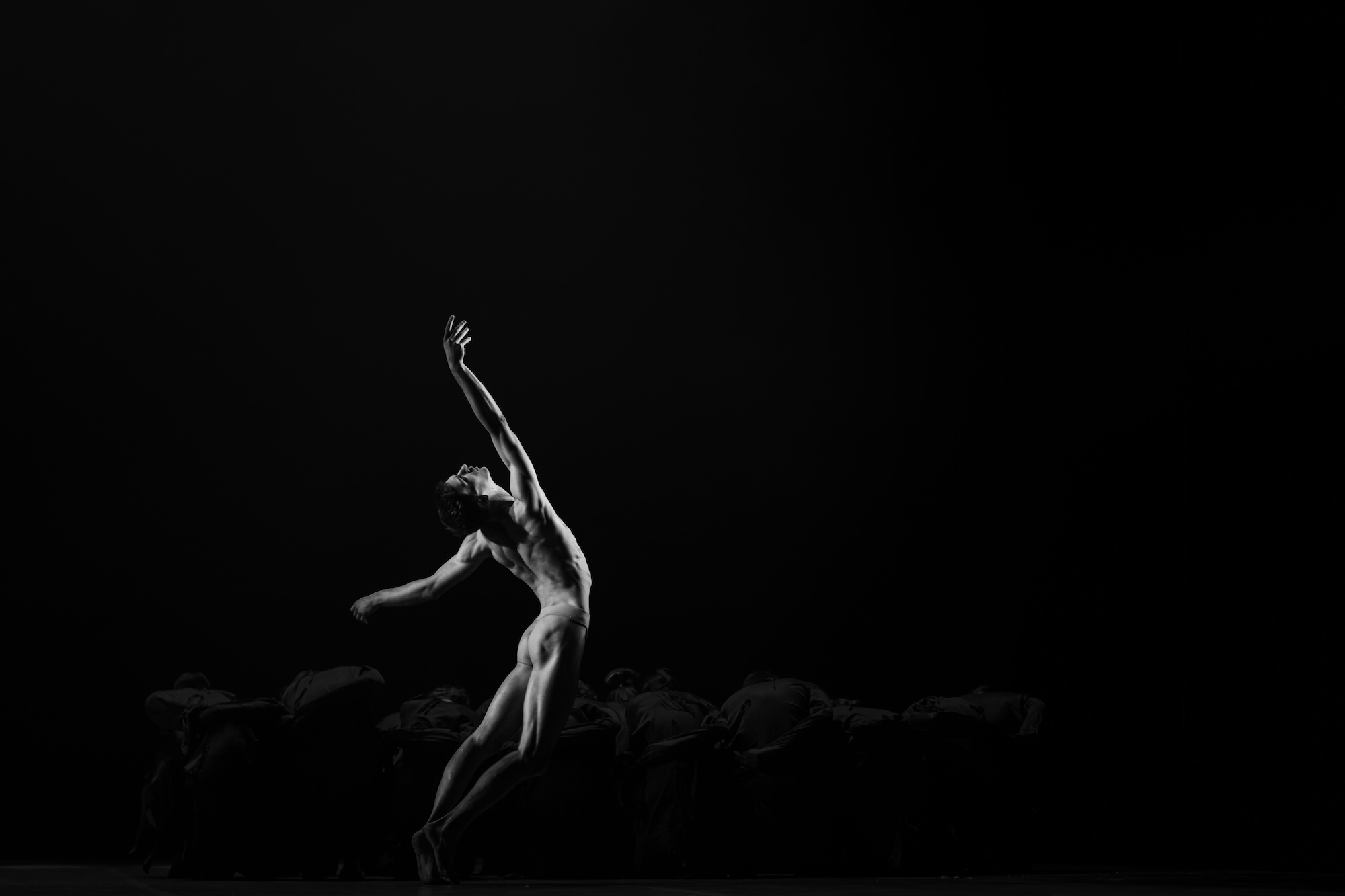
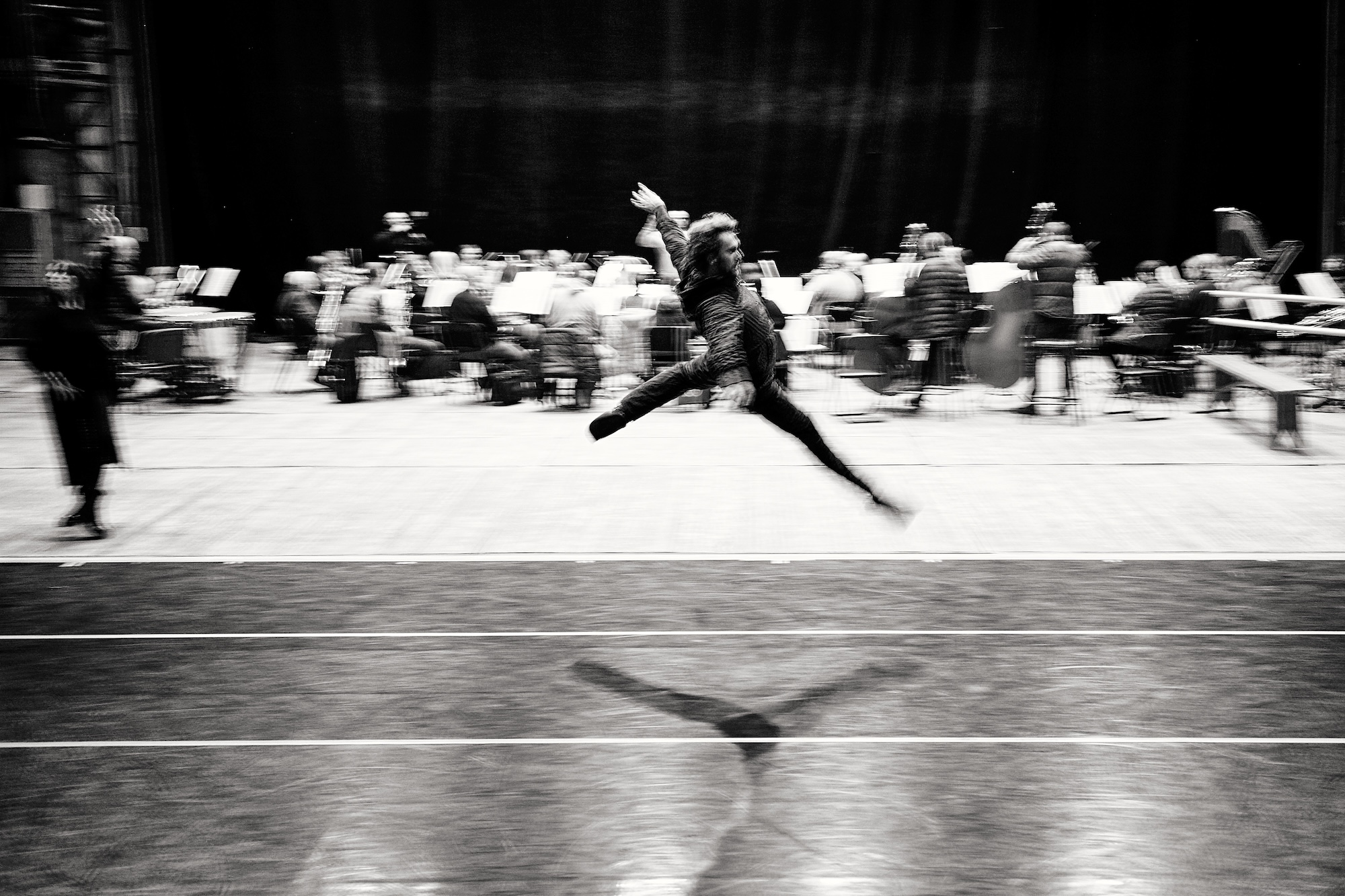
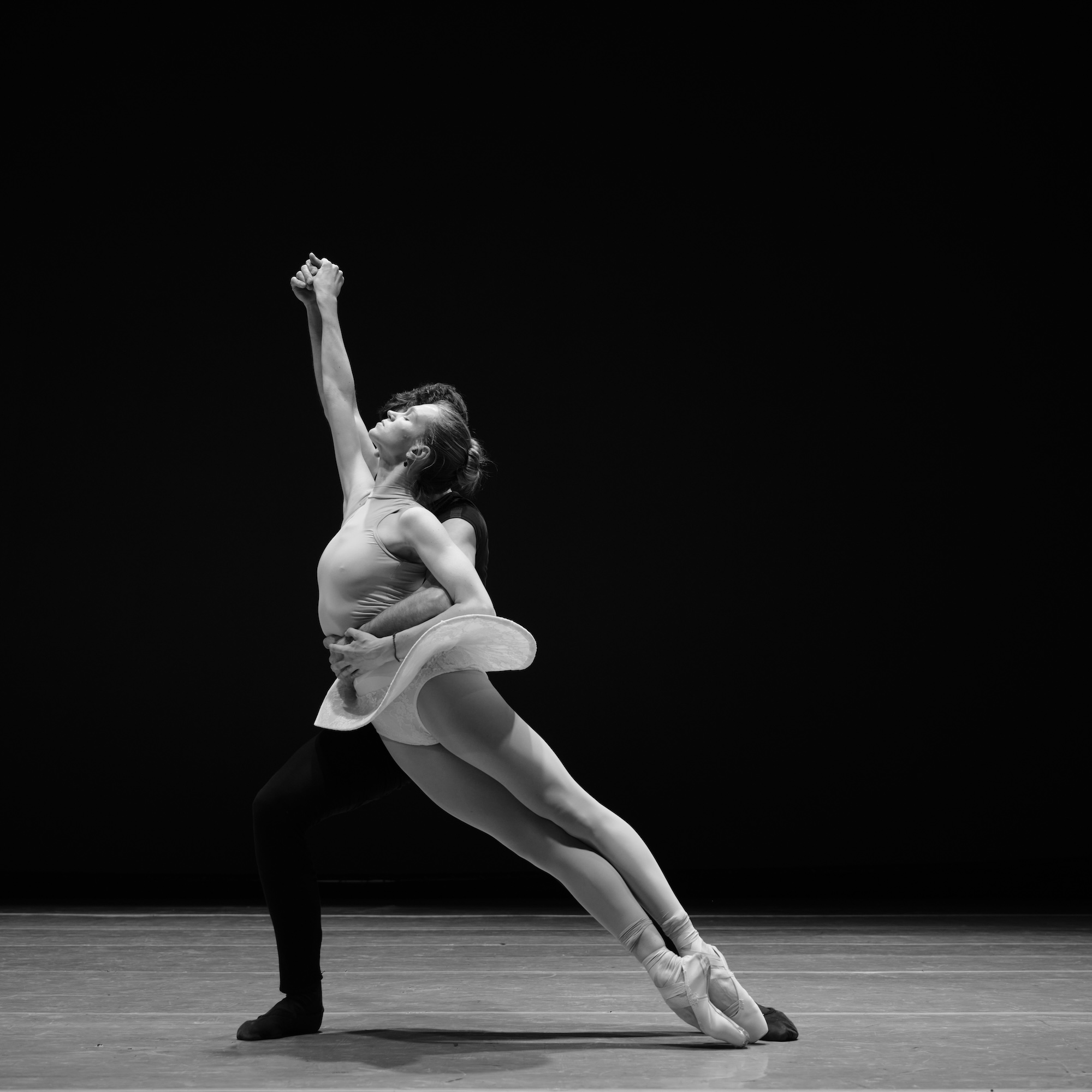
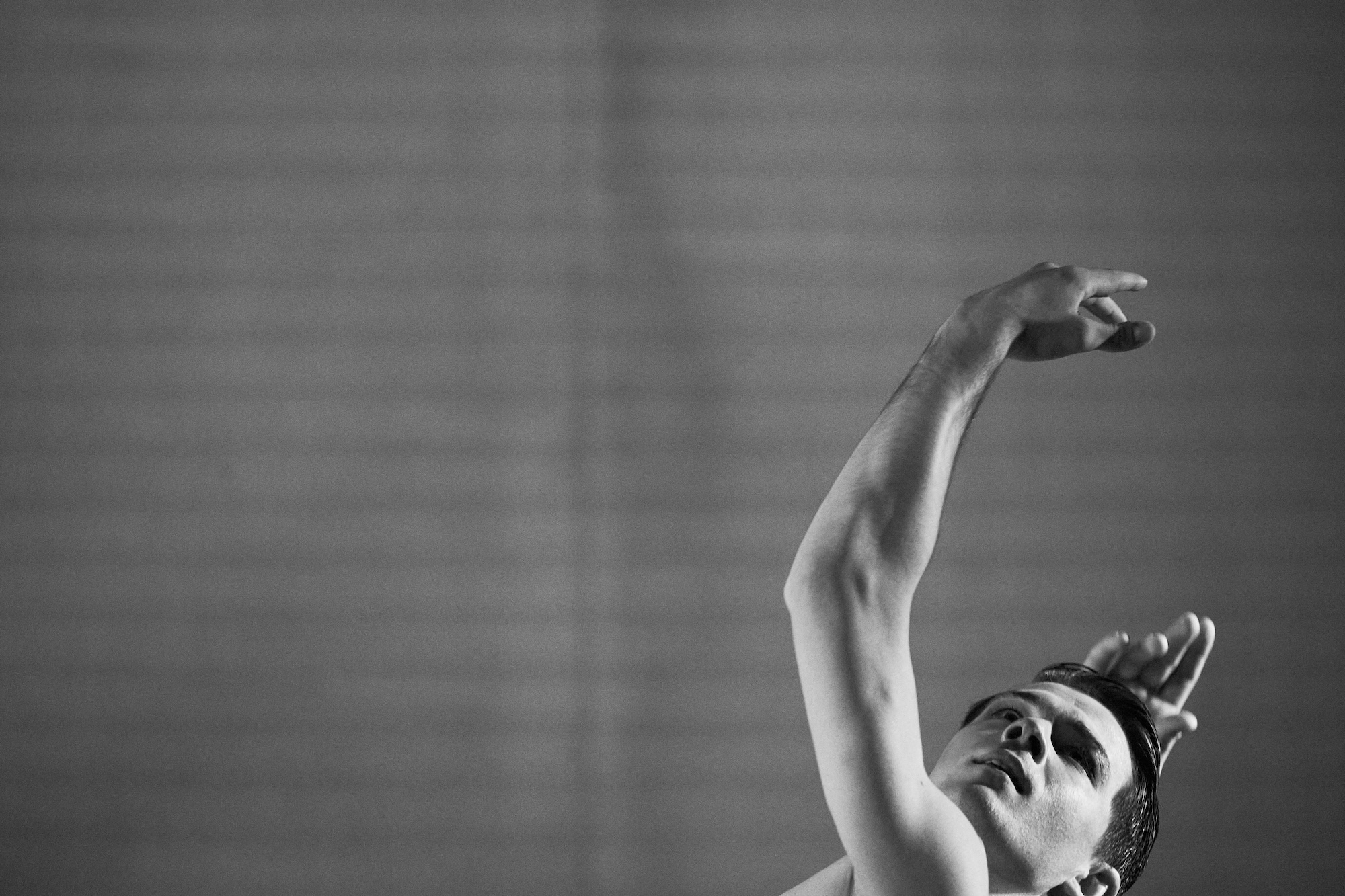
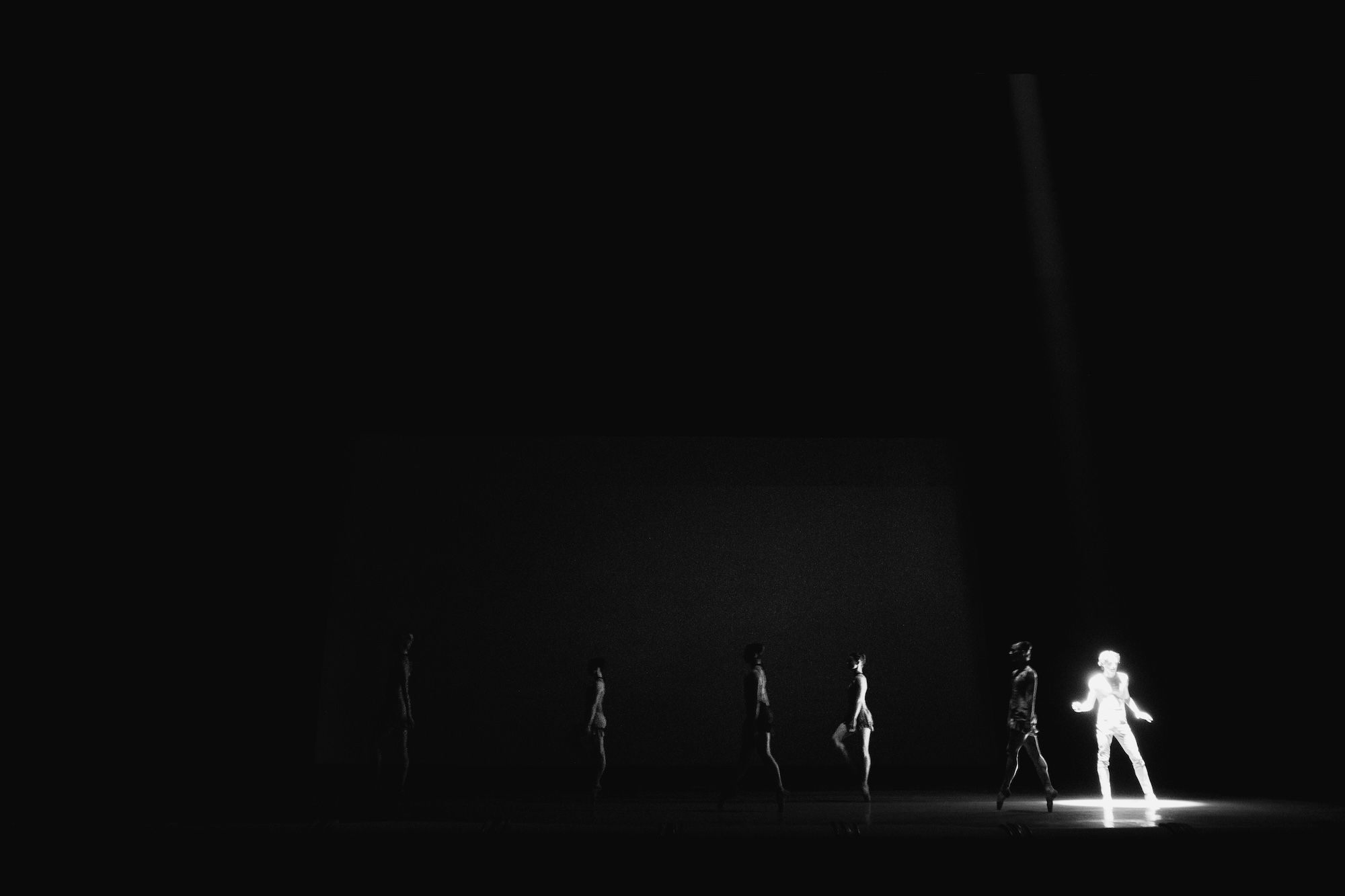
The dark, empty, and majestic hall of the National Opera of Ukraine. A weekday, 4:00 p.m. There will be performances here later today, but even without an audience, the space is brimming with energy and tension. On the stage, bathed in a beam of white light, the prima ballerina and the ballet principal follow the instructions of their teacher as they rehearse a choreography by William Forsythe, an artist whose work has never before graced the Ukrainian stage. Watching the artists, I catch myself thinking: this is something completely different, unlike anything that’s been on our stages before. After rehearsal, I mention this to the teacher, Oleh Klymiuk, Forsythe’s assistant. He came to Ukraine to teach the production, as ballet people say, “feet to feet.” Oleh confirms my feeling: an encounter with this choreography changes not only the dance movements but the very body of the dancer, which means that eventually, even the classics will start to feel different.
Kyiv gained access to this choreography without the usual workshops, auditions, or tryouts that typically accompany the addition of original choreography to a theater’s repertoire. William Forsythe immediately trusted the Ukrainian artists to perform the Bach Duet and the Slingerland Duet. And this, perhaps, is one of the main takeaways of the present moment: war, as bitter as it may sound, has become a turning point and catalyst for development for Ukrainian ballet and an opportunity for it to step out of the shadows.
For decades, Ukrainian ballet was presented as a periphery of Soviet or Russian art, and it was convenient to consider the 1925 Kharkiv premiere of “Swan Lake” as its starting point.
In reality, its history is much older and more complex, and it took shape not only under the influence of Russian culture but also within the broader Polish, Austrian, Hungarian, Italian, and pan-European context.
Ballet had been present in Ukraine long before “Swan Lake.” In the 18th century, many serf theaters operated here. The most famous was Dmytro Shyrai’s theater, whose troupe staged the three-act ballet “Venus and Adonis” in Kyiv in 1801, directed by the Italian Francesco Morelli. Shyrai invited the most talented teachers from France and Italy to work with the performers. Later, members of this troupe joined leading European theaters.
The Kyiv City Theater, opened in 1805, regularly hosted opera and ballet performances, and the city itself became a hub for the touring routes of European troupes. One such troupe was the traveling company led by Maurice Pion, director of the Warsaw Ballet, who worked in Kyiv for many years, imparting the finest traditions of the Warsaw ballet school to local dancers.
Overall, the most professional and experienced performers and experts in choreography who influenced the dancers in the 19th century were Polish artists: Anton Romanowski, Stanisław Lenczewski, and Tomasz Choma Niżyński. It was Lenczewski who staged the first Ukrainian ballets at the Kyiv Opera in the 1890s.
At the beginning of the 20th century, Bronisława Niżyńska — an artist often referred to as the first constructivist choreographer — gave a significant boost to Ukrainian ballet. She founded the “School of Movement” in Kyiv, worked in various artistic circles, and helped establish dance as a fully realized creative language. Her time in Kyiv, her friendship with the artist Alexandra Exter, and her work in avant-garde circles laid the foundation from which modern ballet would later emerge.
The Ukrainian stage’s openness to innovation was also demonstrated by Kasyan Goleizovsky’s ballets “Joseph the Beautiful” and “Grotesque,” staged in Odesa and Kharkiv in the 1920s and 1930s. And in 1931, the premiere of Mykhailo Verykivsky’s “Pan Kaniowski” took place in Kharkiv — the first Ukrainian national ballet to combine classical choreography with folk dance. This tradition was continued by productions that remain in the repertoire of Ukrainian theaters to this day — Kostiantyn Dankevych’s “Lileya” and Mykhailo Skorulsky’s “The Forest Song.”
Ukrainian ballet was making its presence felt with increasing confidence beyond the borders of the USSR, not only matching the skill of Russian dancers but surpassing them.
A telling example was the 1964 tour of France, when the Kyiv troupe received the highest award from the Paris Academy of Dance — “Golden Star.”
During the Soviet era, like everything else, ballet existed within a system in which the main cultural guidelines were set in Moscow. A significant portion of the repertoire consisted of major classical productions, yet even under such conditions, Ukrainian choreographers sought to carve out space for creative freedom. This is why many well-known ballets in Ukraine had stagings that were unique to each theater.
After 1991, ballet in Ukraine formally gained independence, but real changes were slow going. The theaters retained a strong school and a vast repertoire, yet they continued to operate on autopilot for a long time. New productions appeared less frequently than desired. This was, in large measure, also affected by the stereotype that Russian ballet is synonymous with quality, and thus, Ukrainian ballet will always be secondary to it. With this perspective, the theaters did not always allow themselves to think in terms of experimentation or creating something unique. And yet, the search for new forms began then, through tours and drawing inspiration from European creators and contemporary productions. But all of this happened more thanks to the individual initiatives of the artists themselves.
The full-scale war and the decision to remove works by Russian authors from the repertoire presented a real challenge and, at the same time, an opportunity for Ukraine’s ballet scene to reexamine its own identity. It was during this period that theaters began to develop their own strategies for growth in order to redefine themselves and their place in contemporary culture. Each of the national theaters chose its own path. These paths differ just as much as the cities they are in, their audiences, and the language through which the theater communicates with the people. But it is precisely this diversity that is shaping the new structure of contemporary Ukrainian ballet today.
The National Opera of Ukraine has focused on incorporating works by leading international choreographers into its repertoire, such as the genius of contemporary choreography, William Forsythe. For a company that primarily works with a classical repertoire, this means not just new material, but also significant professional growth.
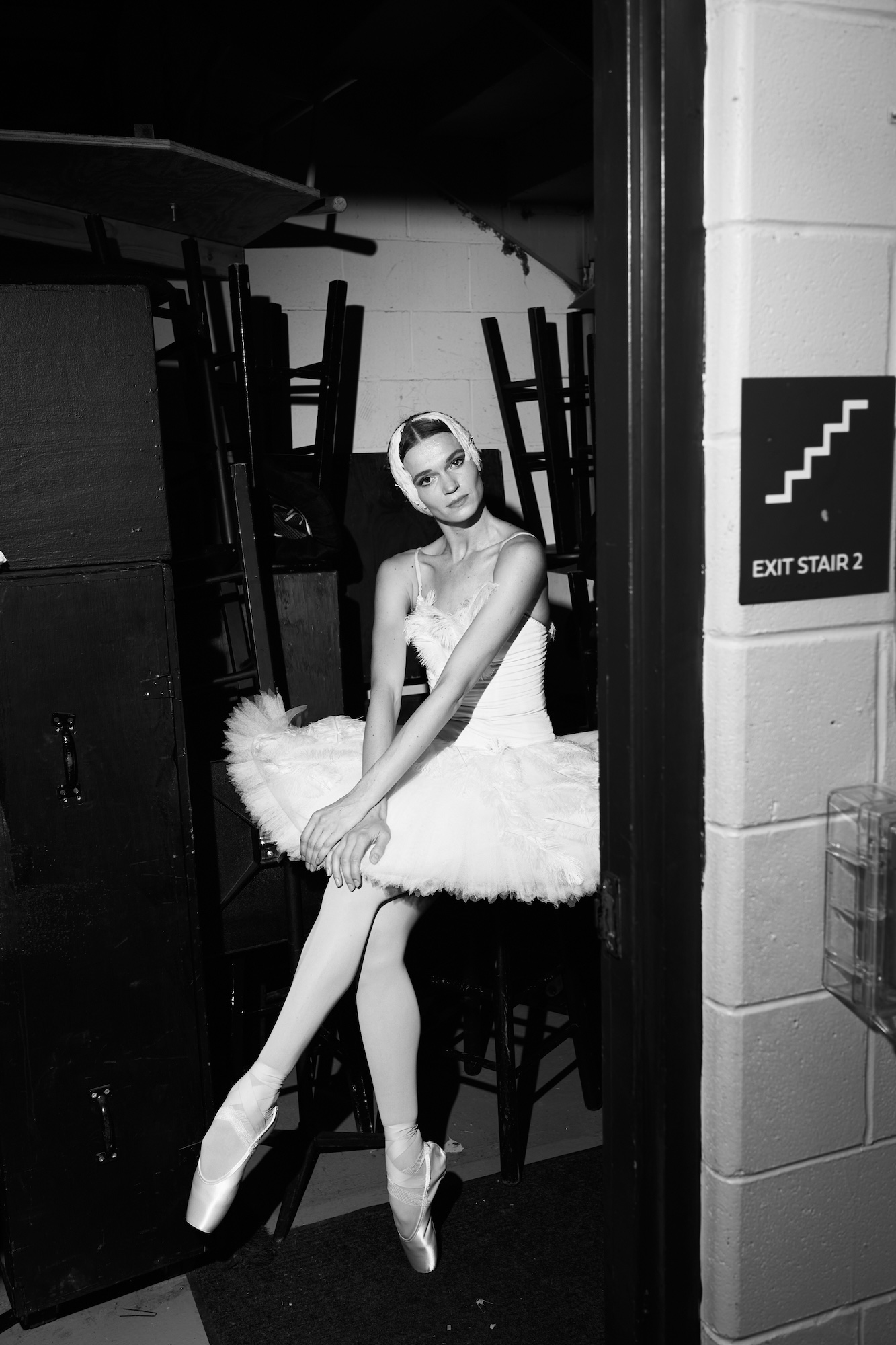
Since 2022, despite a significant reduction in its roster, the National Opera has been continuously updating its repertoire. Over the years, it has presented ten premieres, including John Neumeier’s “Spring and Fall,” Hans van Manen’s “5 Tangos,” Oleksii Ratmansky’s “War Elegy,” as well as the canonical version of a production that has graced stages worldwide for over 230 years — Frederick Ashton’s “La fille mal gardée.” At the same time, the theater continues its own choreographic tradition — Aniko Rekhviashvili’s reimagining of “The Snow Queen”: fragments by Russian composers were removed from the score, and changes were made to the choreography. “The Lady of the Camellias” has been revived, and “Giselle” has been presented in a version by Viktor Yaremenko. Alongside this, “The Forest Song” remains in the repertoire — a ballet that this year celebrates 80 years on stage and serves as the benchmark of Ukrainian classical ballet. In this combination of an established tradition and openness to the global context, the theater envisions its new era.
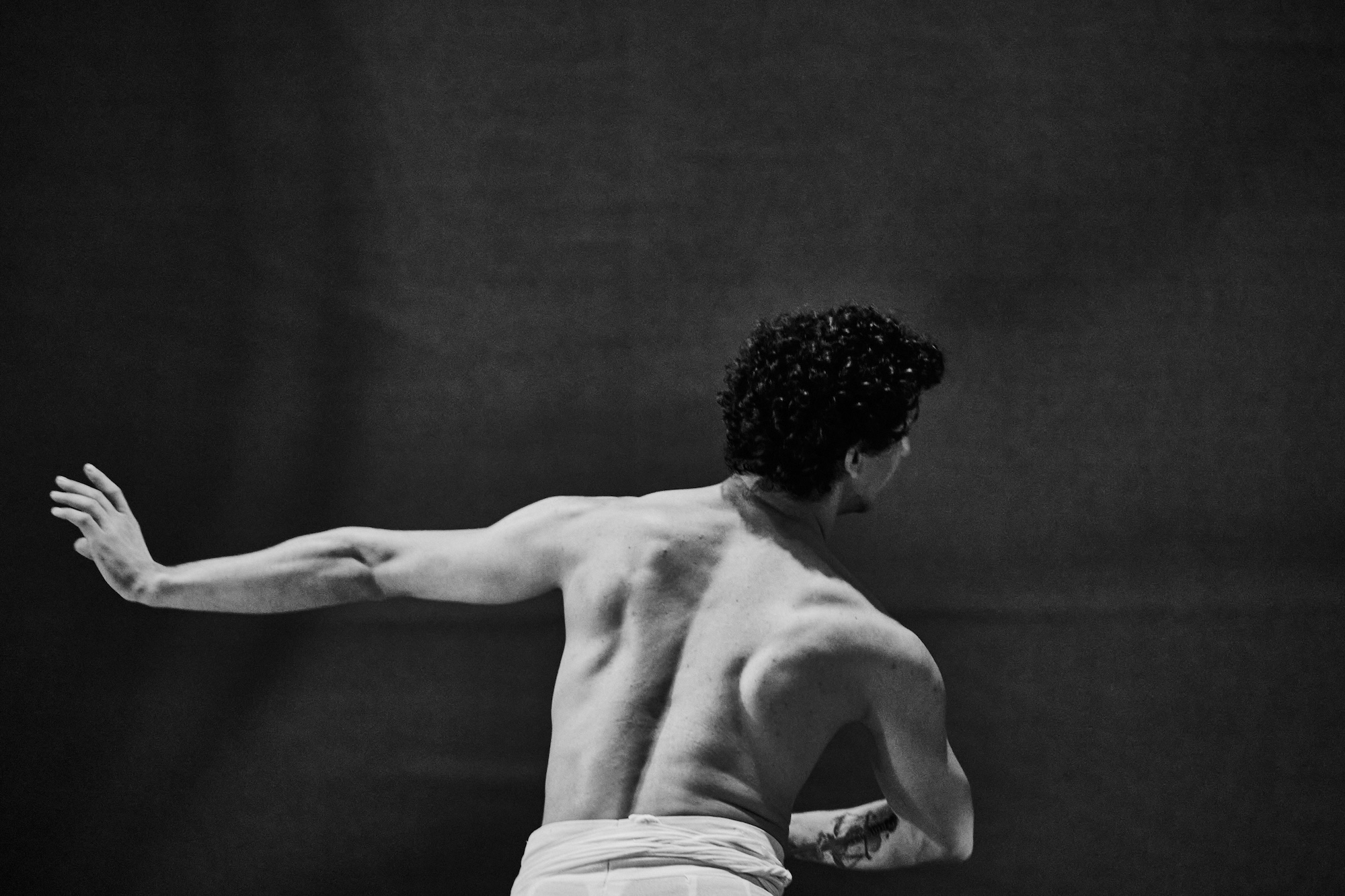
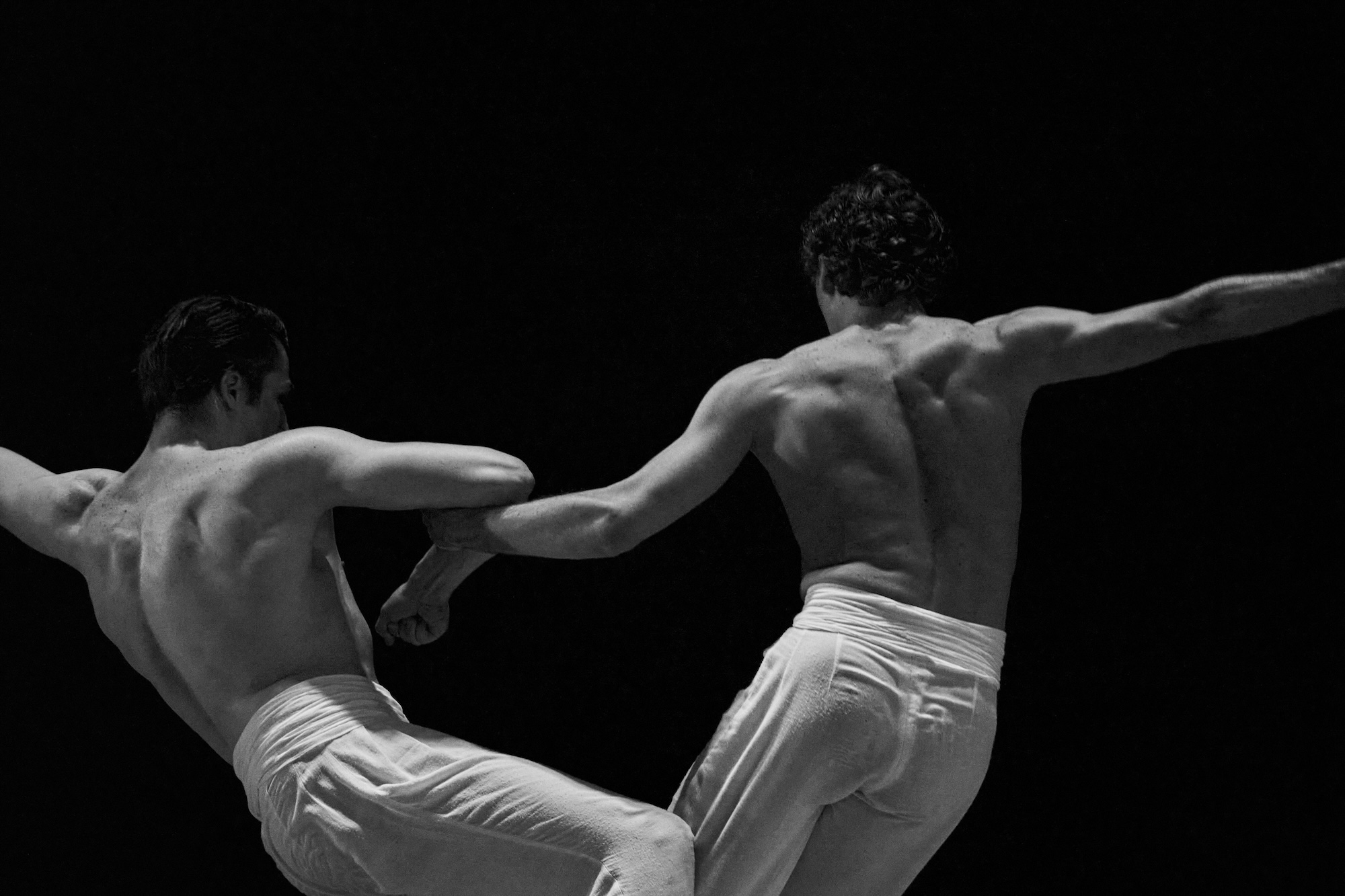
The Lviv National Opera has chosen a different focus — the systematic expansion of Ukrainian pieces in its repertoire. The company works systematically with Ukrainian music and texts, creating a contemporary national product. The most striking example is the ballet “Shadows of Forgotten Ancestors” to the music of Ivan Nebesny, the absolute box-office hit of recent years. Since its premiere in December 2023, the ballet has been playing to consistently sold-out crowds and attracting a noticeably younger audience — ages 20–30 — to the theater. At the same time, the Lviv Opera is developing collaborations with contemporary composers and choreographers. “Solaris,” set to music by Oleksandr Rodin and directed by Kateryna Kurman, has become an example of how the academic stage can work with the language of modernism — without pointe shoes, without the usual classical geometry, and with a different understanding of movement and the body.
In Kharkiv, SkhidOpera is developing its own style just a few dozen kilometers from the front lines. Due to security restrictions, the troupe does not perform on the main stage but in a shelter, at the Loft Stage venue, where they have to essentially rebuild their classical productions from scratch, changing the composition, scale, and movement patterns. At the same time, the theater is actively working with contemporary material — notably Antonina Radiievska’s ballet “Dragon Songs” set to music by Maksym Kolomiets. The troupe jokes that composer Kolomiets writes music for two theaters — the Metropolitan Opera and SkhidOpera. And this spring, they are preparing a project by Tetiana Lyozova and Yaroslav Tkachuk, “Inside the Music” to the music of George Gershwin and Maurice Ravel’s “Boléro.”
The Odesa National Opera does not shy away from the classics, but approaches them by reinventing its scenic language. This is evident in its recent premieres, particularly in the new version of “The Snow Queen,” where familiar material received a more modern and daring interpretation, combining a classical foundation with new choreography and contemporary set design.
Kyiv Modern Ballet has carved out a prominent place for itself in the country’s theatrical landscape. Founded by Radu Poklitaru, the company has established a distinct tradition of contemporary ballet in Ukraine, presenting over thirty productions, which demonstrates that contemporary Ukrainian ballet is developing not only in the major national theaters.
Over the past four years, Ukrainian ballet has come a long way.
What until recently seemed like isolated attempts is now increasingly coming together to form a coherent picture: theaters are finally beginning to tell their own stories, free from imperial influence and imposed constraints.
It is becoming clear that Ukrainian ballet did not emerge from thin air and was never merely an “appendage” to a foreign tradition. It took shape at the intersection of various cultures and eras, not just owing to the Russian influence.
Today, as Ukrainian art captures the world’s attention and the world has become more open to collaboration with Ukraine, our ballet faces a rare opportunity not merely to capitalize on this attention but to turn it into a tradition: to rethink its own heritage, learn to work on equal footing with its stronger counterparts, and at the same time, more boldly create something uniquely its own. Perhaps it is precisely now that the history of Ukrainian ballet is beginning to speak with its own voice for the first time.
Translated from Ukrainian by Liubov Kukharenko