Vitalina Loved White Roses
Last year, we published a photo essay by documentary filmmaker Alex Babenko titled “The Class of the Revolution” about a group of 11th-graders in Kyiv who started school when the Revolution of Dignity began and graduated during the third year of full-scale war. That story was about Mykhailo, who assembled his first FPV drone at the desk where he also did his homework, and about his classmates and friends, who would rush to protests between classes and clear debris after Russian missile and drone attacks.
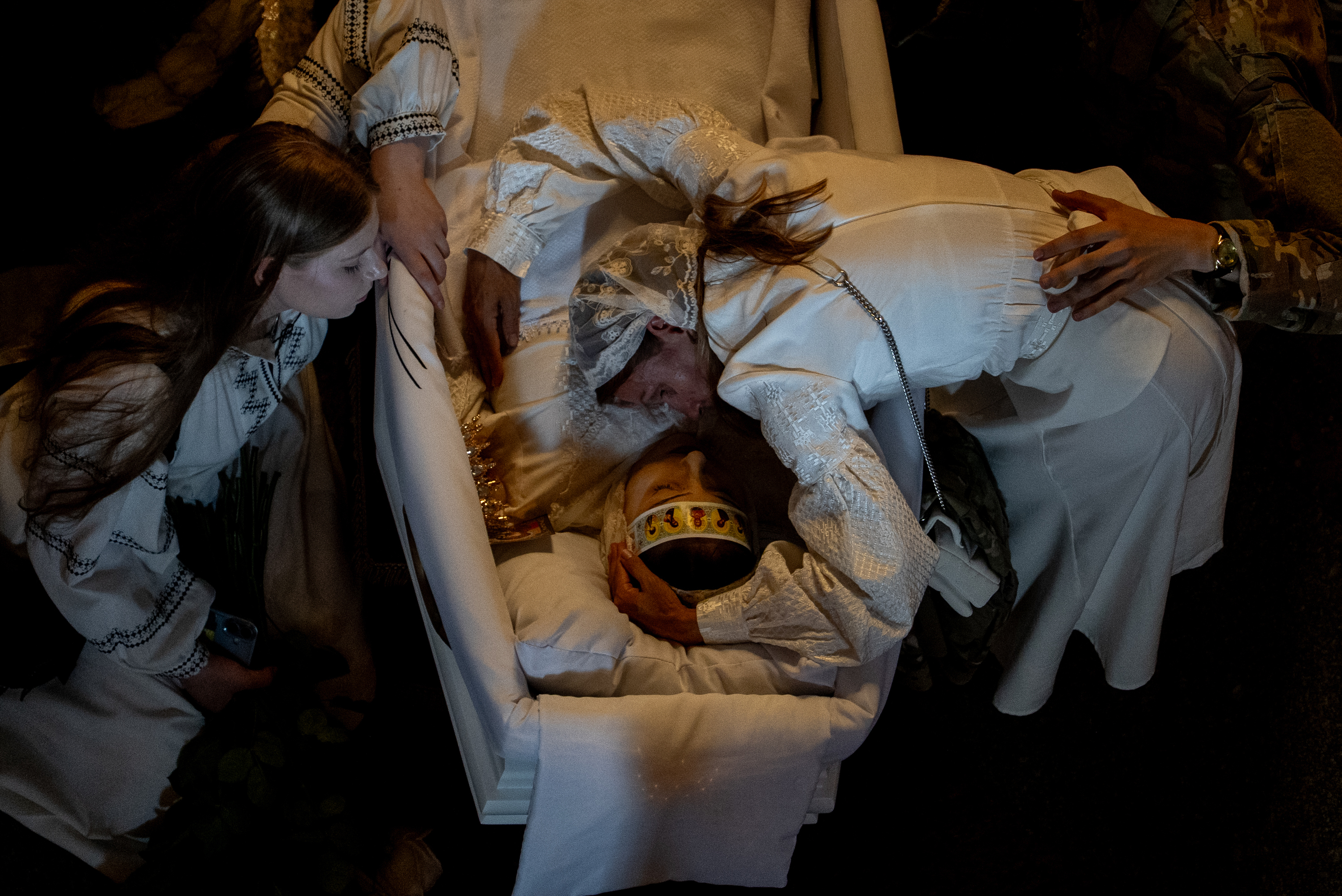
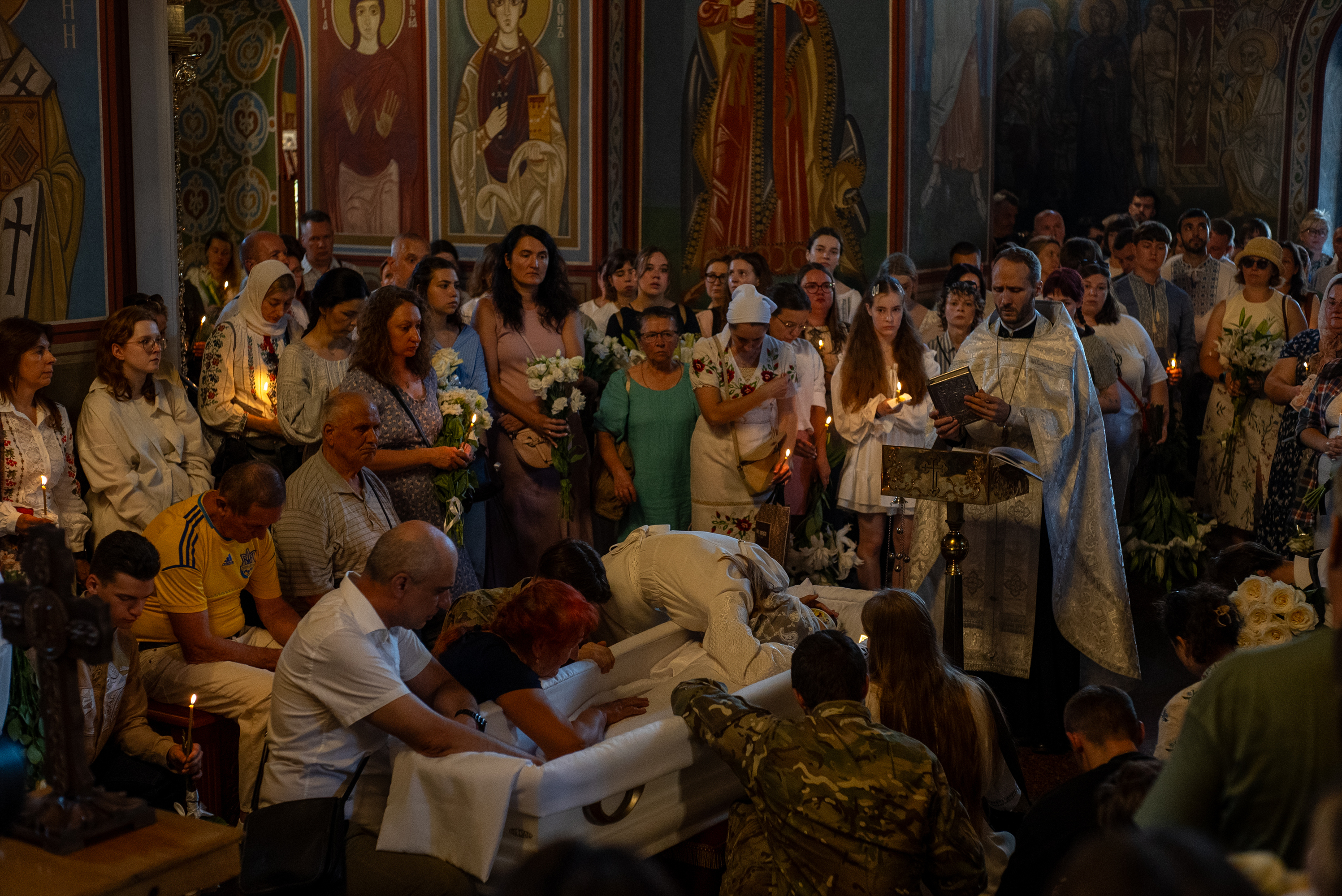
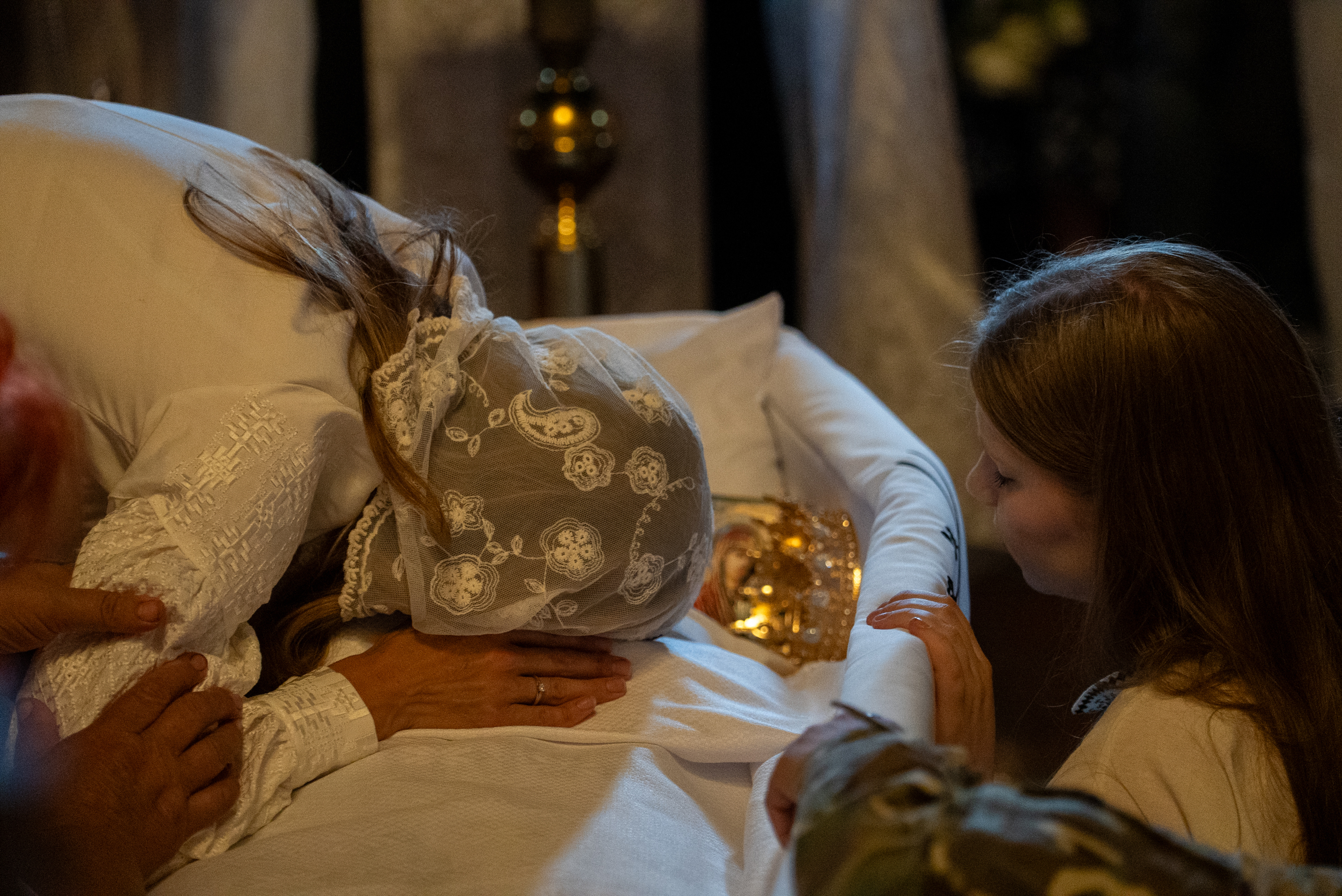
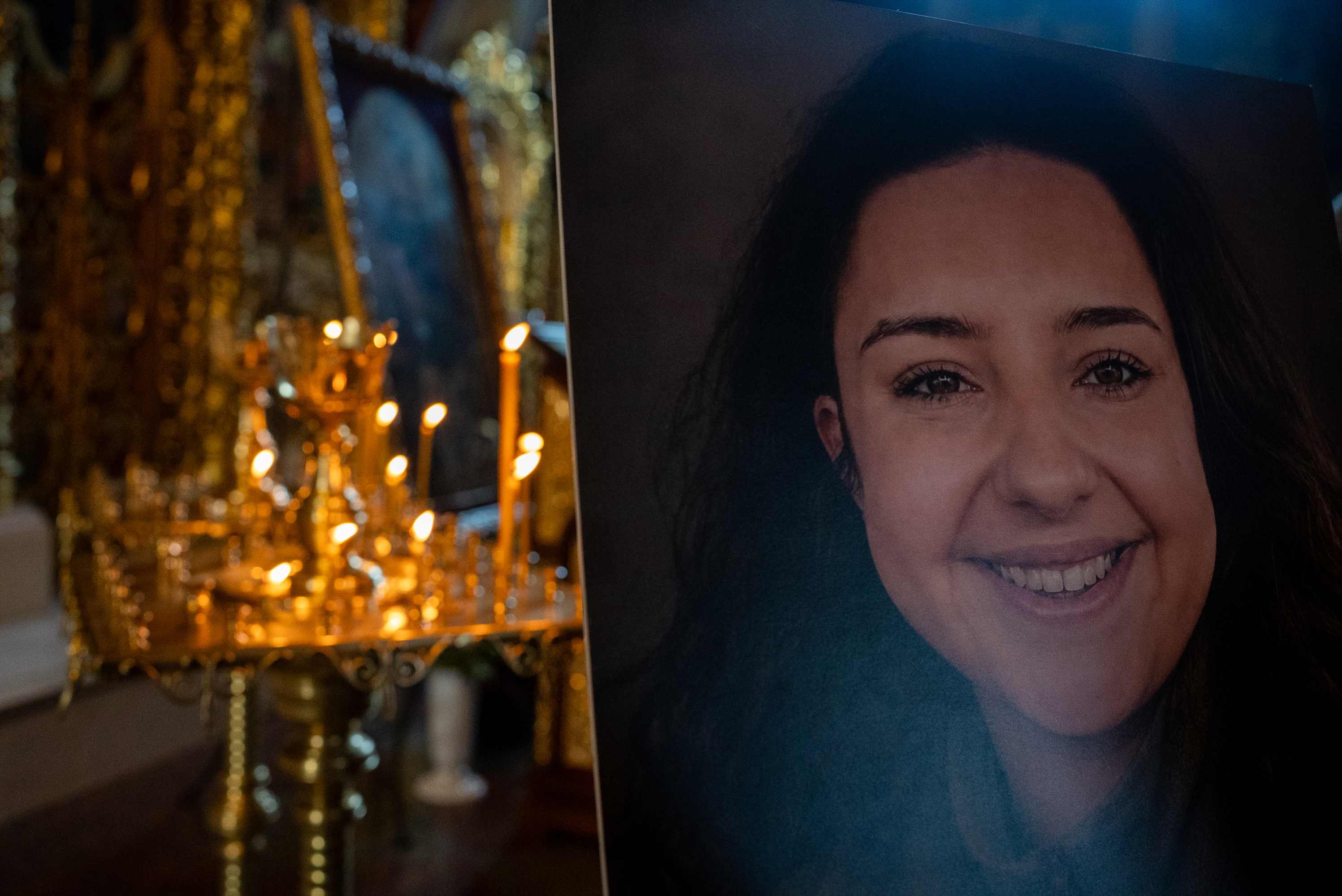
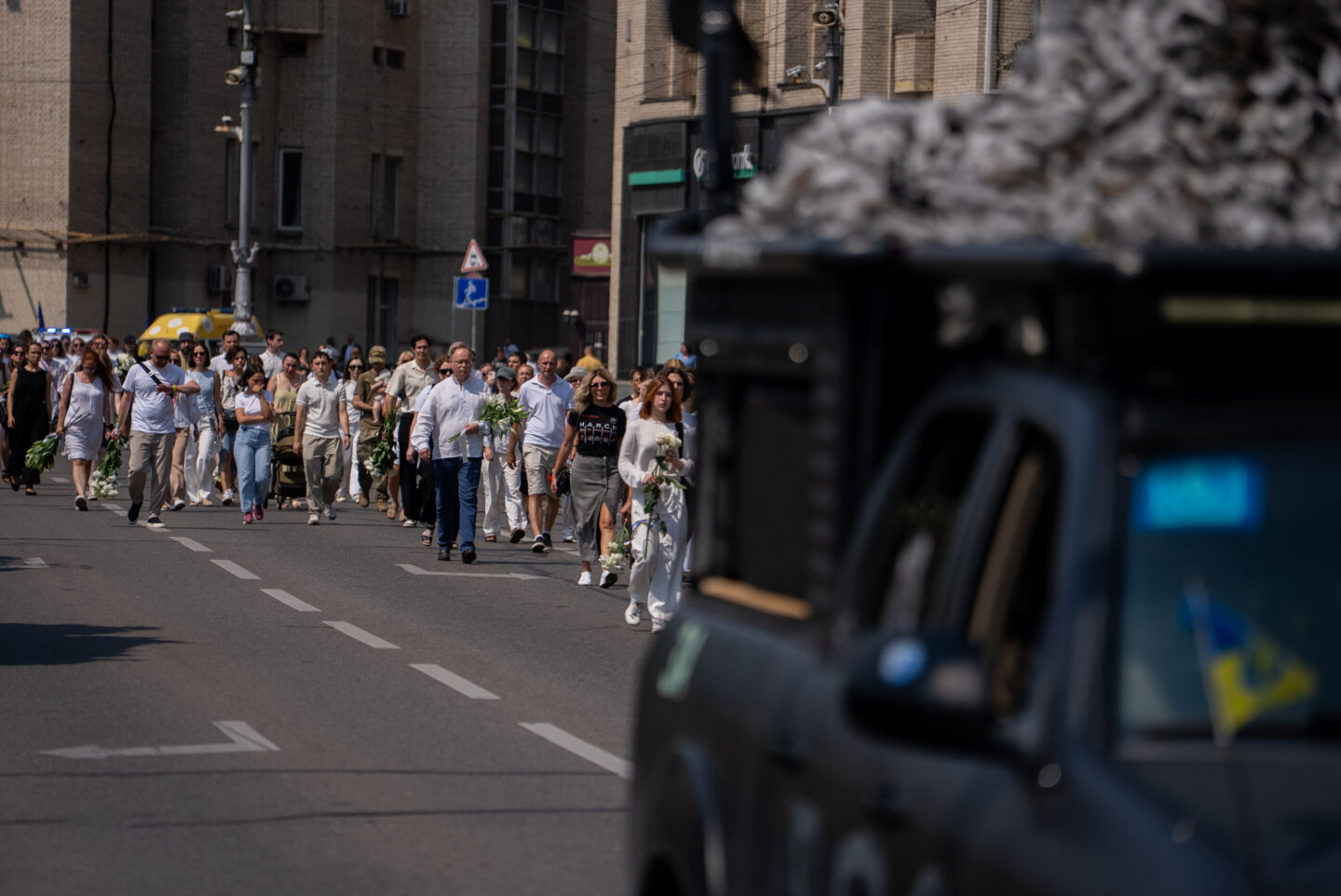
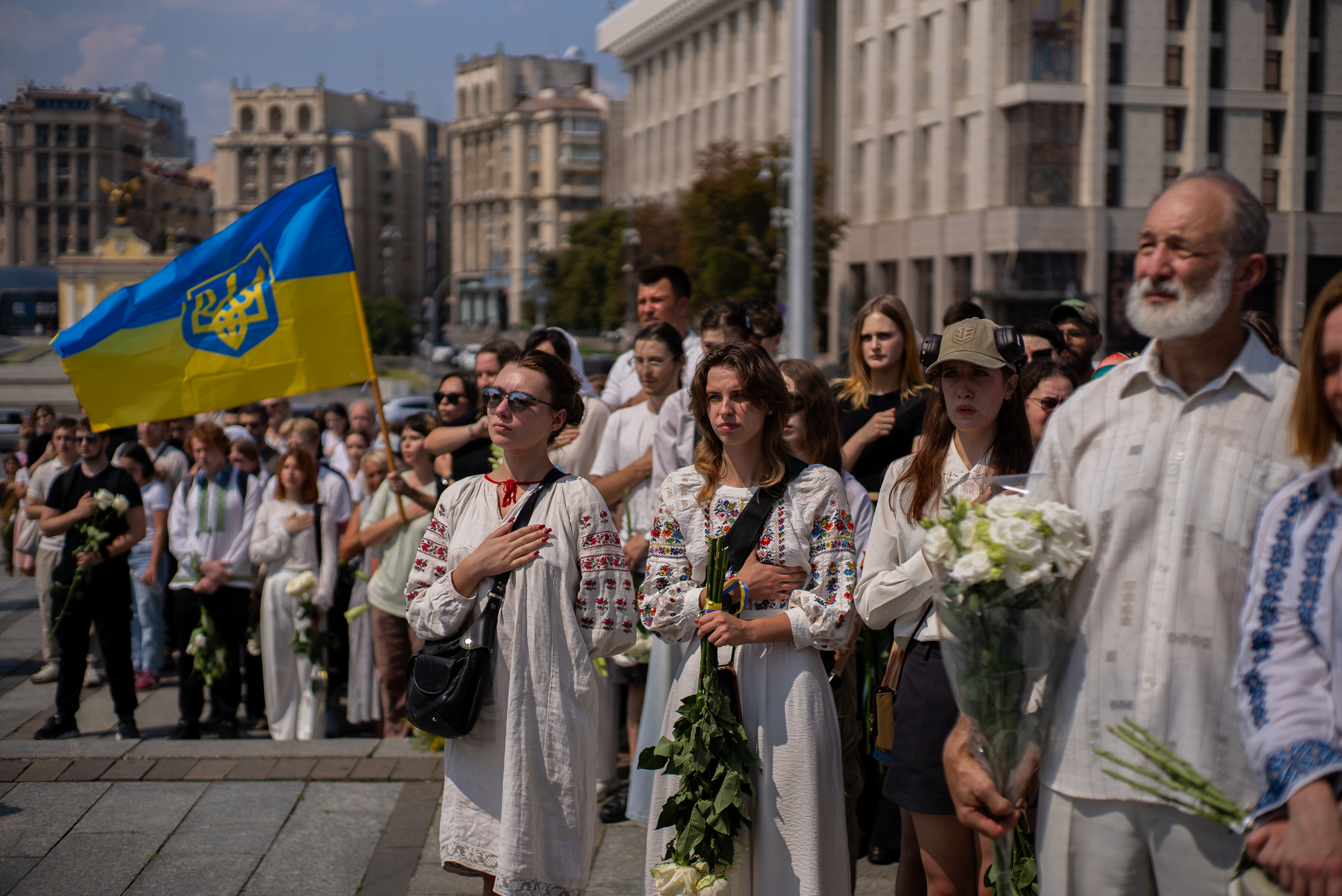
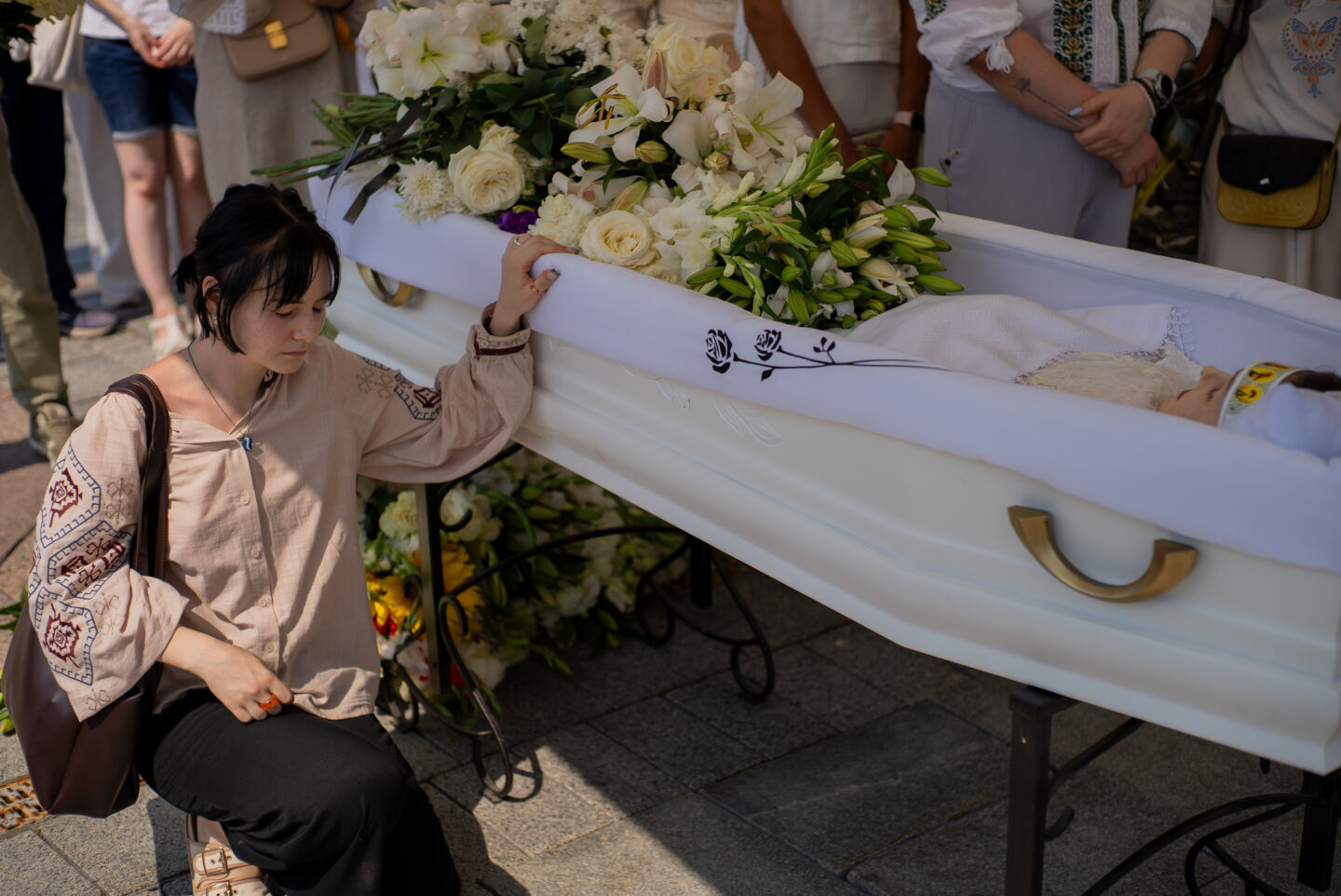
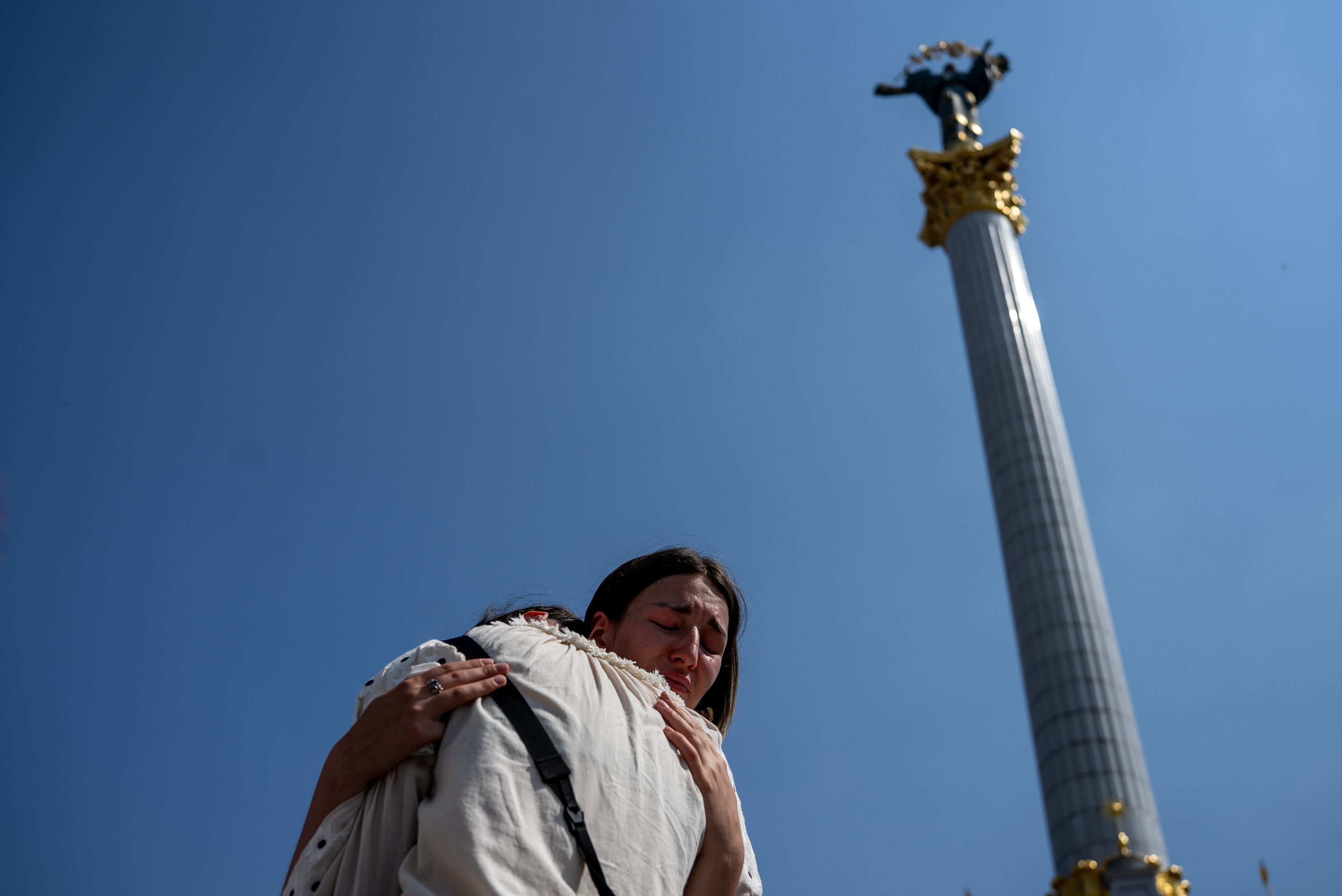
Since then, Mykhailo has enlisted in the military. And on the night of August 1, a Russian ballistic missile killed Vitalina “Frau” Yarovenko, a girl from his class with whom the protagonists of the series had participated in protests together. The 20-year-old student at the Kyiv-Mohyla Academy was an instructor for the university’s military training program — she taught other students tactical medicine. That night, she arrived at the site of the strike as part of a volunteer group of paramedics who tended to the wounded and was killed by a double-tap strike, along with 25-year-old Yeva Royter, a paramedic with the Hospitaliers battalion. Vitalina’s funeral was held at St. Michael’s Golden-Domed Cathedral; the funeral procession later moved to Maidan, where this whole story began.
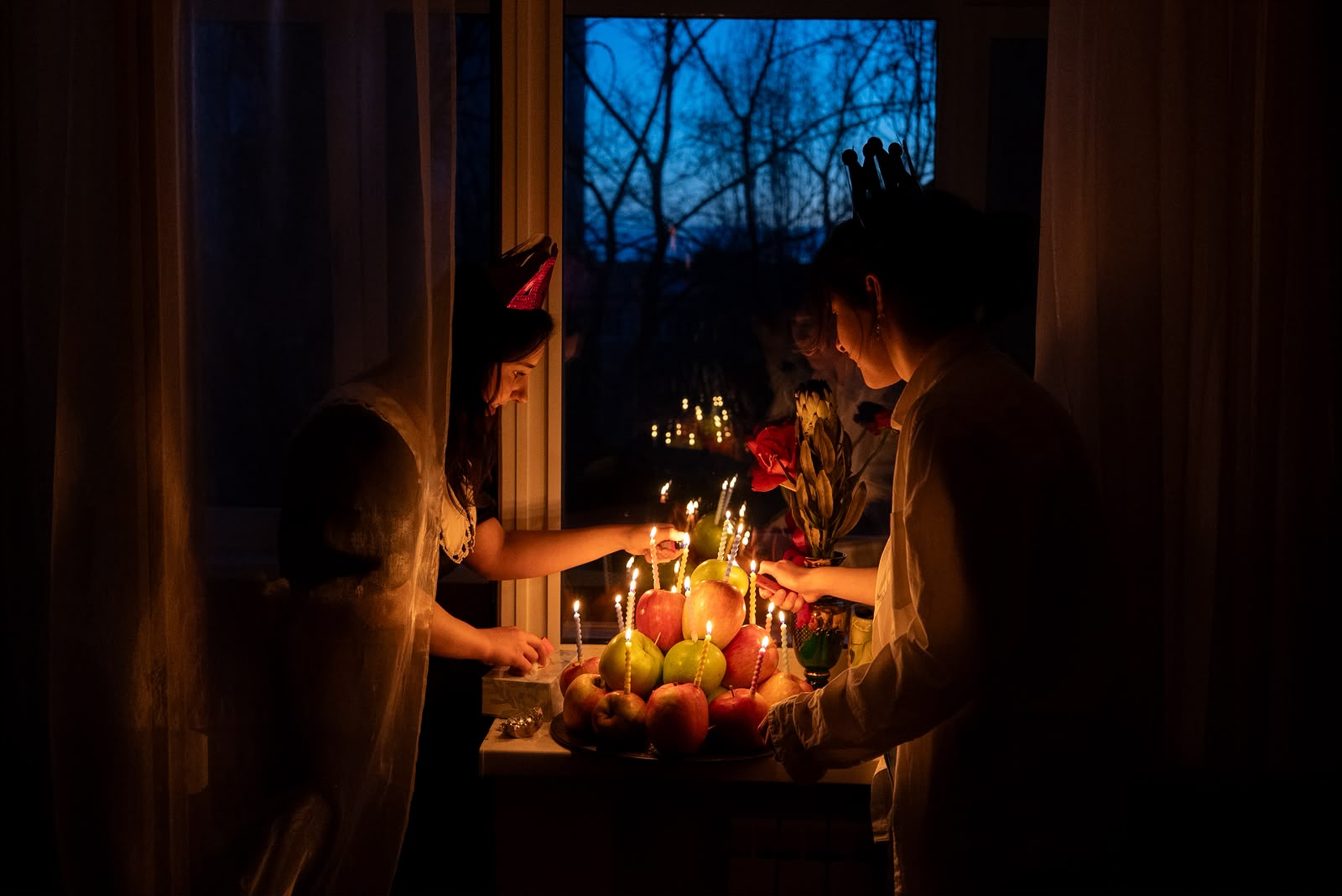
Babenko gathered photos featuring Vitalina and continued the series with her funeral. We are publishing these photos along with memories from her friends.
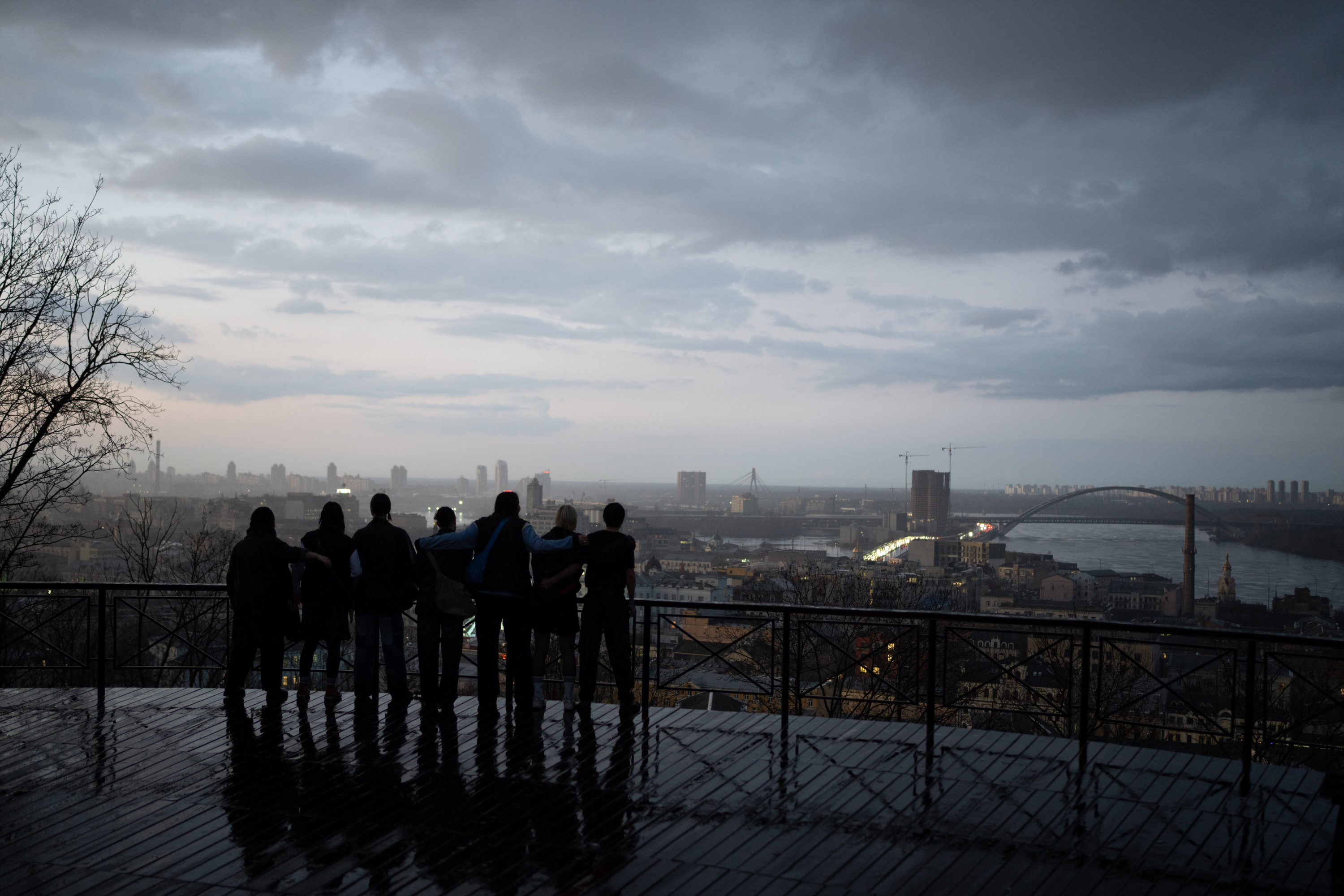
Anna, close friend
“We met two years ago at the Kyiv-Mohyla Academy, and later did military training together — first we trained ourselves, then we took courses so we could teach others. I think we went to classes just so we could later hang out at Informatyka in Podil, enjoying a cup of chai and a chat. Naturally, we would gossip about boys. I told her: whenever I visit your grave, I’ll tell you about all my flings.
Vitalina had sophisticated tastes: she listened to Sade and Madonna, loved “Sex and the City.” We sang a song from the show together — “More, More, More,” feeling like the main characters.
At 8 a.m. in the morning on Saturdays, everyone would arrive at the main office tired, but Vitalina always looked flawless and cheered the rest of us up. The only thing that could make her late was a detour to grab her favorite lactose-free latte. I promised to bring that to her grave, too.
When she organized an Emergency Psychological Aid class and no one signed up for it, she said, “I’ll use my own money to print posters and hang them around Podil.” We hung them up together. If Vitalina took on a task, she saw it through to the end.
Her desk and name tag are still at the office. Her absence is already felt so keenly, and it will hurt even more when we start up our classes. She’ll never walk through those doors again — to joke around, tease us and cheer us up.”
Anastasiia, training instructor
“Valentine’s Day fell on a training day. We gathered at the office and talked about our exes — three people on the team had recently gone through breakups. I remember how heartily we laughed. Vitalina was strong, and she loved just as strongly; she wanted a family and children. Her desire to defend her country and this vulnerability coexisted harmoniously within her.
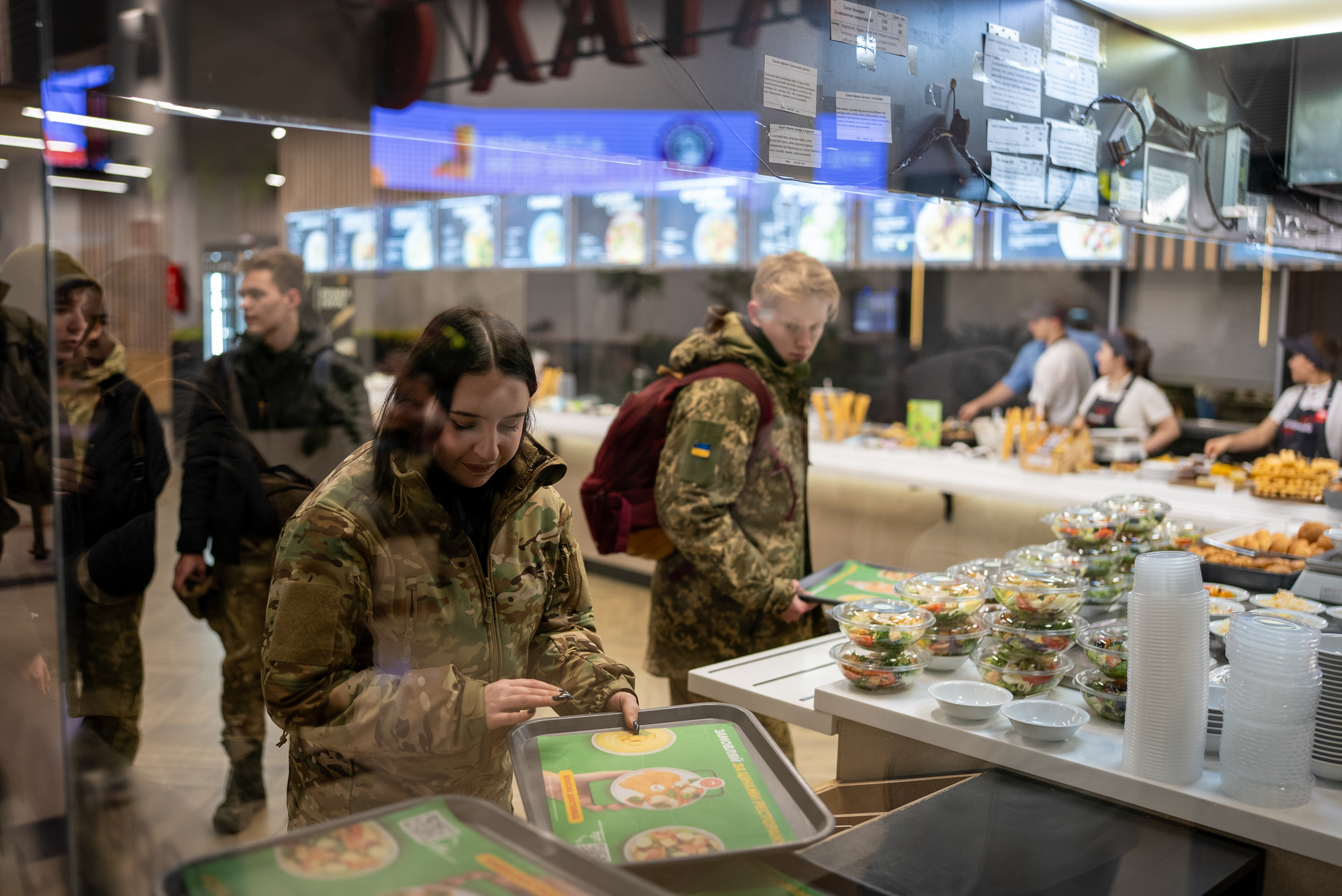
Vitalina was also cheerful — she had an incredible sense of humor and a great ability to laugh, be ironiс and tease people without any shame.
At the courses, she was an HR manager, an administrator and a PR specialist all at the same time. I don’t know how we’ll manage without her.”
Stanislav “Anarkh,” training instructor
“She took teaching extremely seriously. We worked every Saturday, and she’d text me as early as Thursday: ‘Anarkh, come to the office, check the containers.’ Or: ‘Anarkh, go over the instructor’s monologue.’
Vitalina never did remember my name. She’d call me ‘Sviatoslav’ — I’d shake my head. ‘Vyacheslav? Slavik? Vsevolod?’ — ‘No.’ So she called me Anarkh even outside of classes. When the younger instructors arrived, Vitalina reassured them: ‘Don’t be scared — we just seem serious. But in here, we respect and support each other.’ I smiled: ‘Vitalina, what is my name?’ — ‘Don’t even start.’
Celebrating New Year’s together, going on a picnic, flying FPV drones — she was always full of ideas. She asked everyone to bring food and water, but she herself brought twice as much: she knew someone would forget. Once, I didn’t have time to stop by the store, and she shared what she had with me. I knew that if I turned to her, she would always help — there was never any doubt in my mind.”
Petro, school friend
“We met in eighth grade. Vitalina laughed a lot, and people were drawn to her. In ninth grade, during physics class, we made up new elements — Pupium and Pipium. At the time, we found it hilarious.
She could be serious, she could get angry, but even that eventually turned into humor. She had a strong personality — in a good way. She reminded me of Yennefer from “The Witcher.”
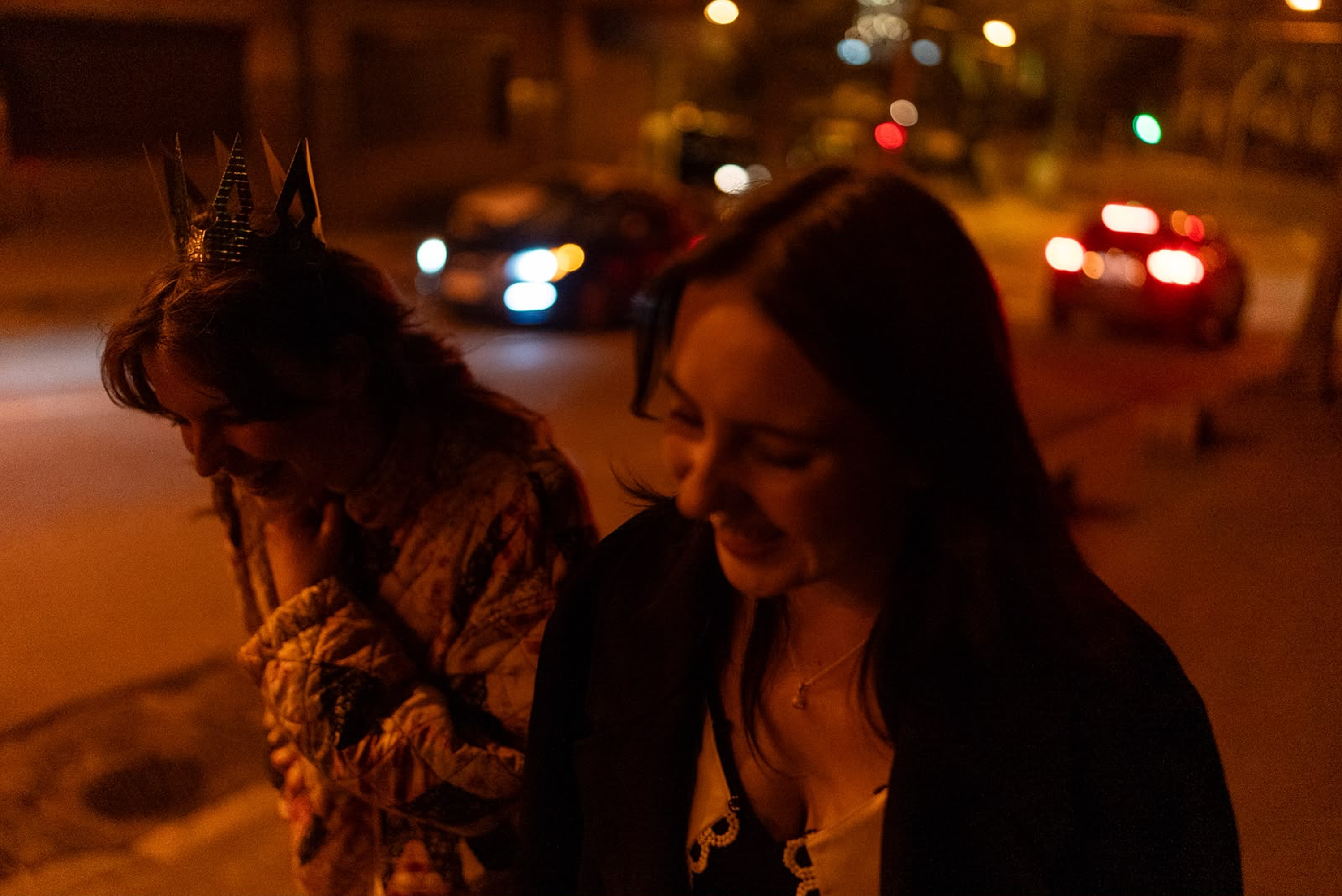
Vitalina was always busy. Once, we were supposed to meet so I could give her a repaired drone for the military courses. She texted: ‘Fly it here, buddy — I’ve got work to do.’”
***
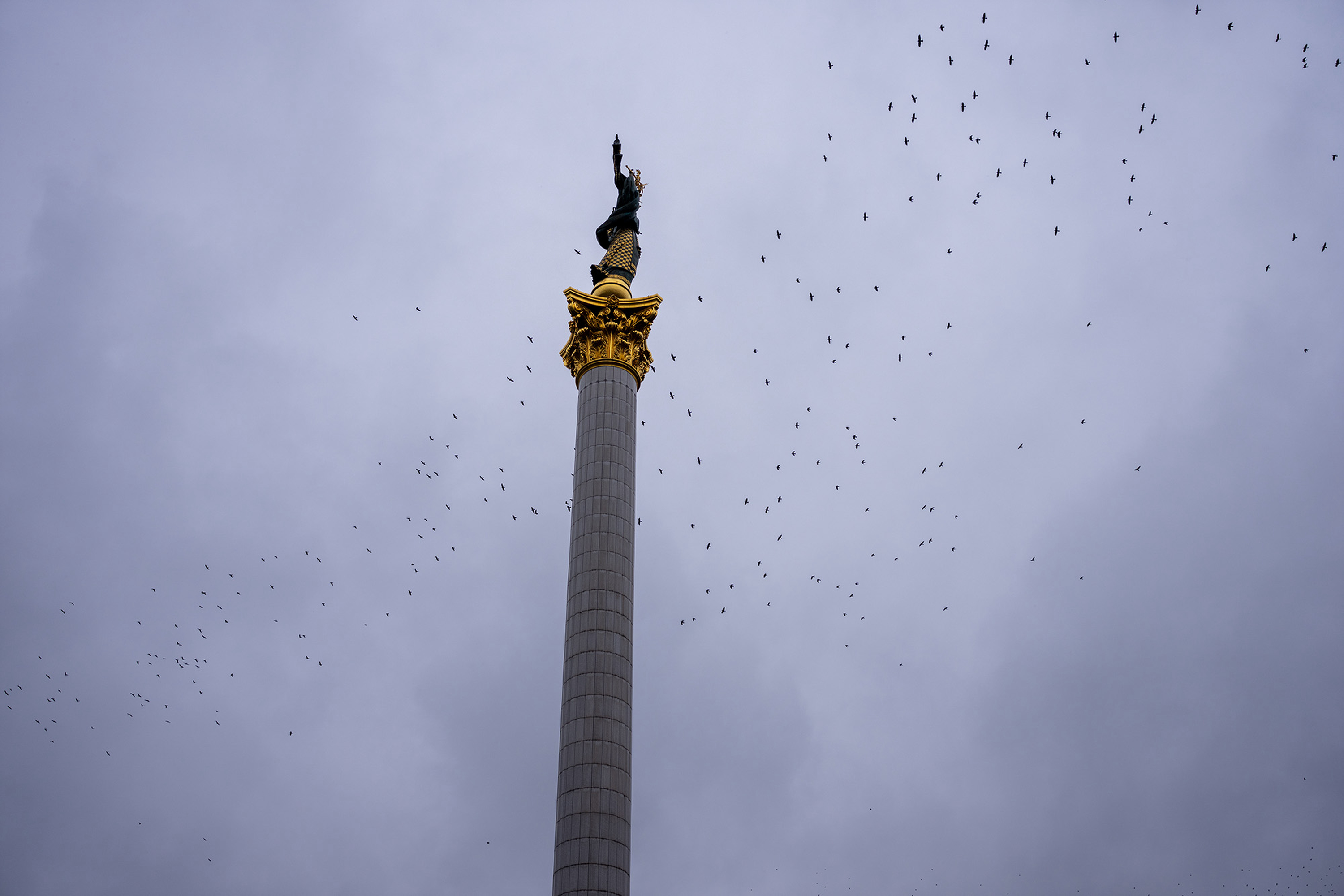
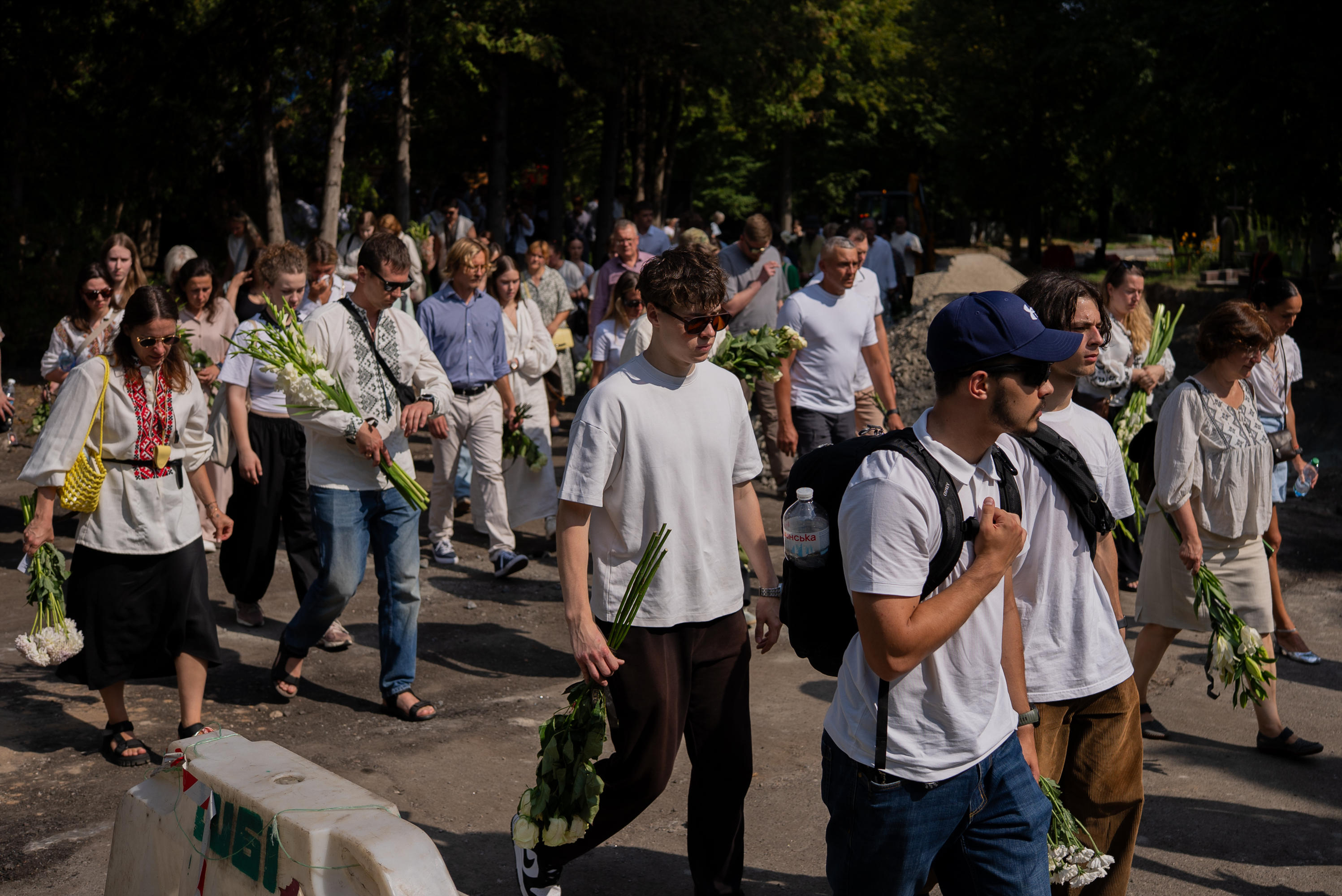
The funeral took place on August 4. The day before, Vitalina’s mother posted on social media: “Please wear light-colored clothes so she doesn’t feel so sad. Vyshyvankas are a good option.” More than a hundred people accompanied Vitalina from St. Michael’s Cathedral to Independence Square, where they honored her with a moment of silence. People held fresh white flowers, mostly white roses. Vitalina loved white roses.
Translated from Ukrainian by Liubov Kukharenko