On March 19, 2026, a man and a woman flew from Toronto to Warsaw. Their final destination was Ukraine. They had not known each other prior to this flight. The only things they had in common were their hometown — Oshawa, Canada — and the fact that neither of them had ever been to Ukraine before. The man was flying to the place where his father was born. The woman, a native-born Canadian, was traveling to see her son, a volunteer in the Russo-Ukrainian war who had been wounded on the front lines. From Warsaw, they made their way to Rzeszów. From there, they took a taxi to the border and crossed it on foot. They arrived in Truskavets, where the Canadian volunteer was undergoing rehabilitation, at midnight. That’s where they parted ways.
What’s in This Name — Hryhorii?
How and why a father’s silence led his son to Ukraine
18.05.2026
18.05.2026
This piece was made possible thanks to the support of The Ukrainians Media community — hundreds of people who believe in independent, high-quality journalism. If you value our work, consider supporting us and help us tell more meaningful stories.
Three steps on Ukrainian soil
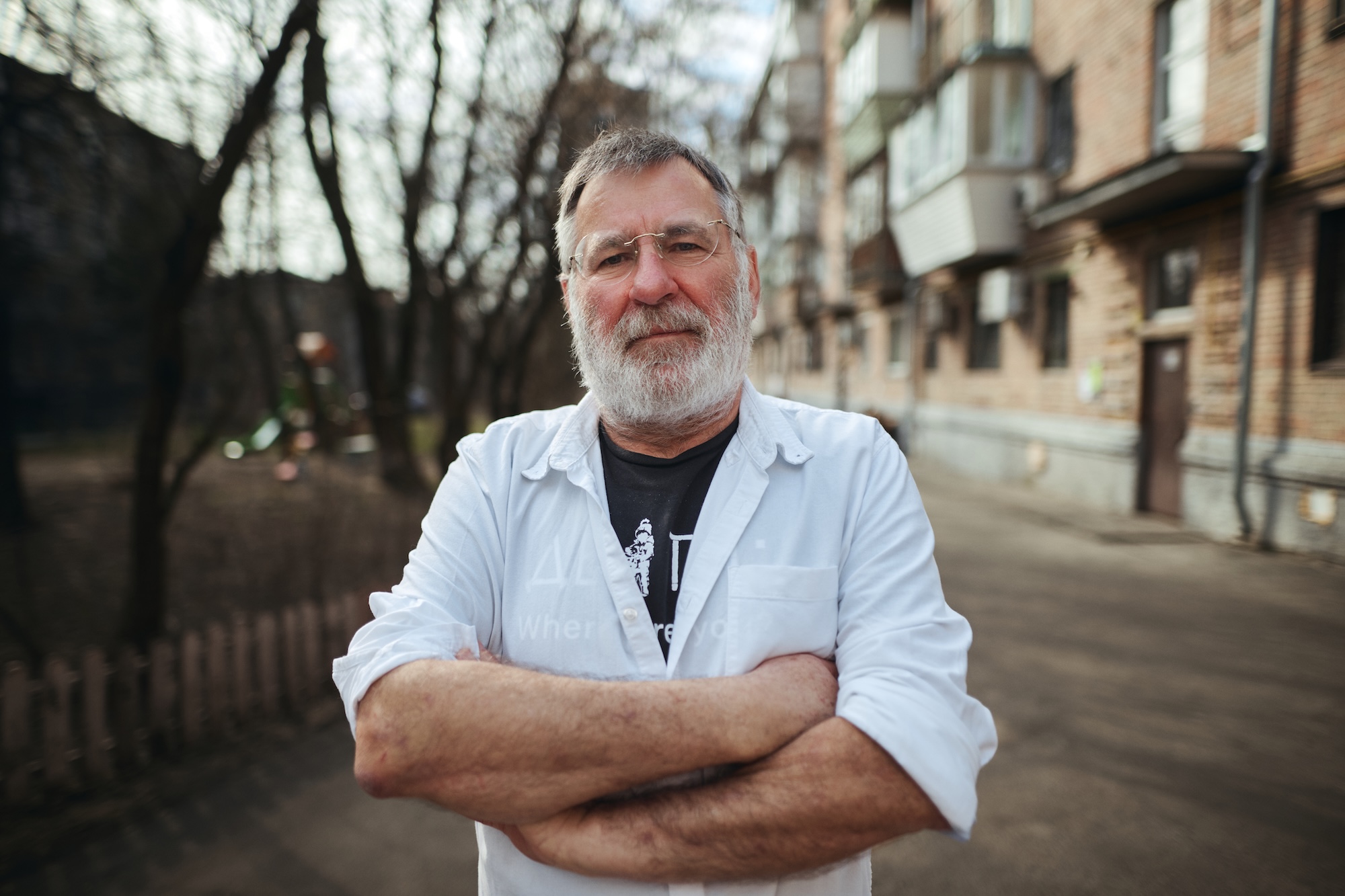
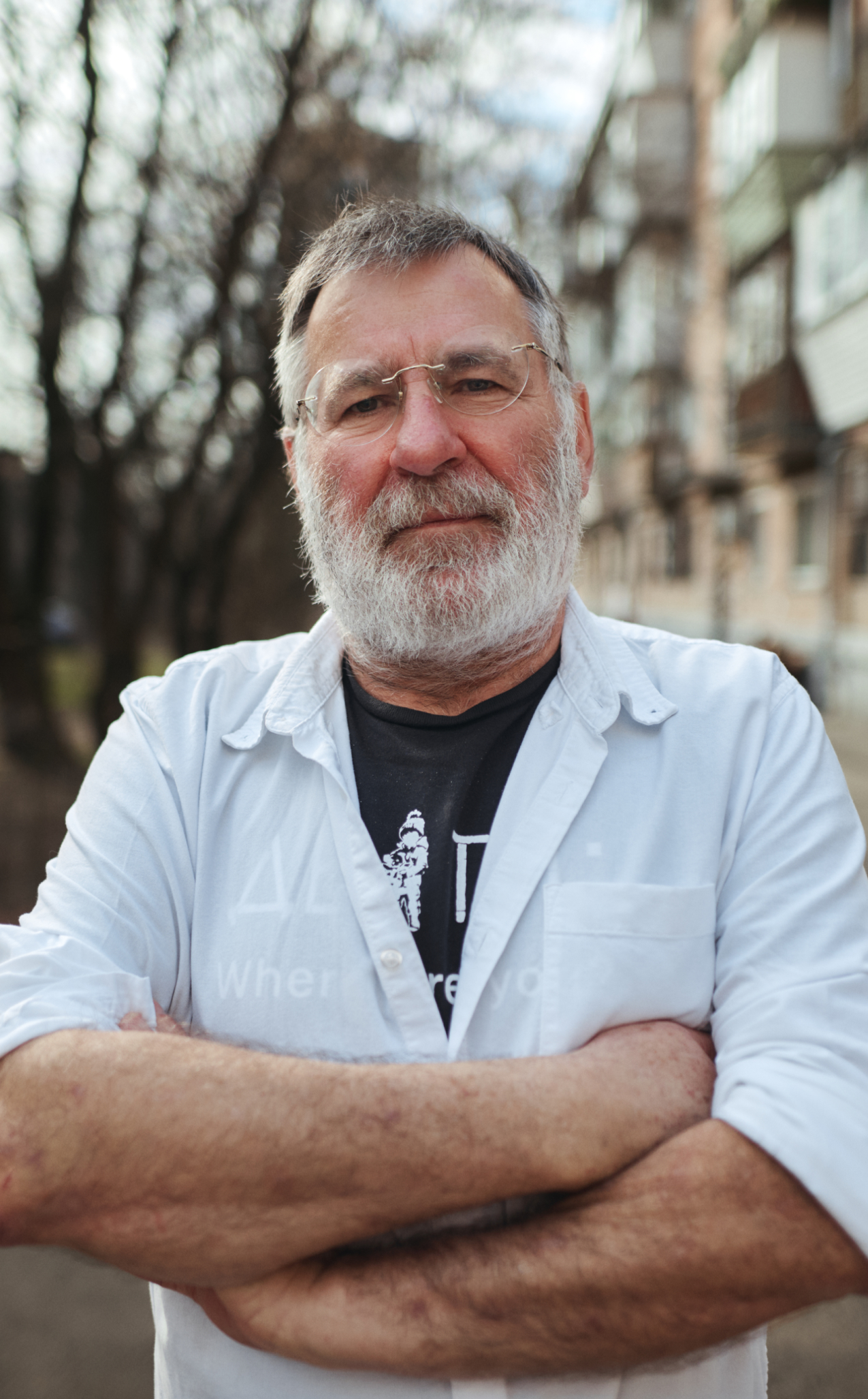
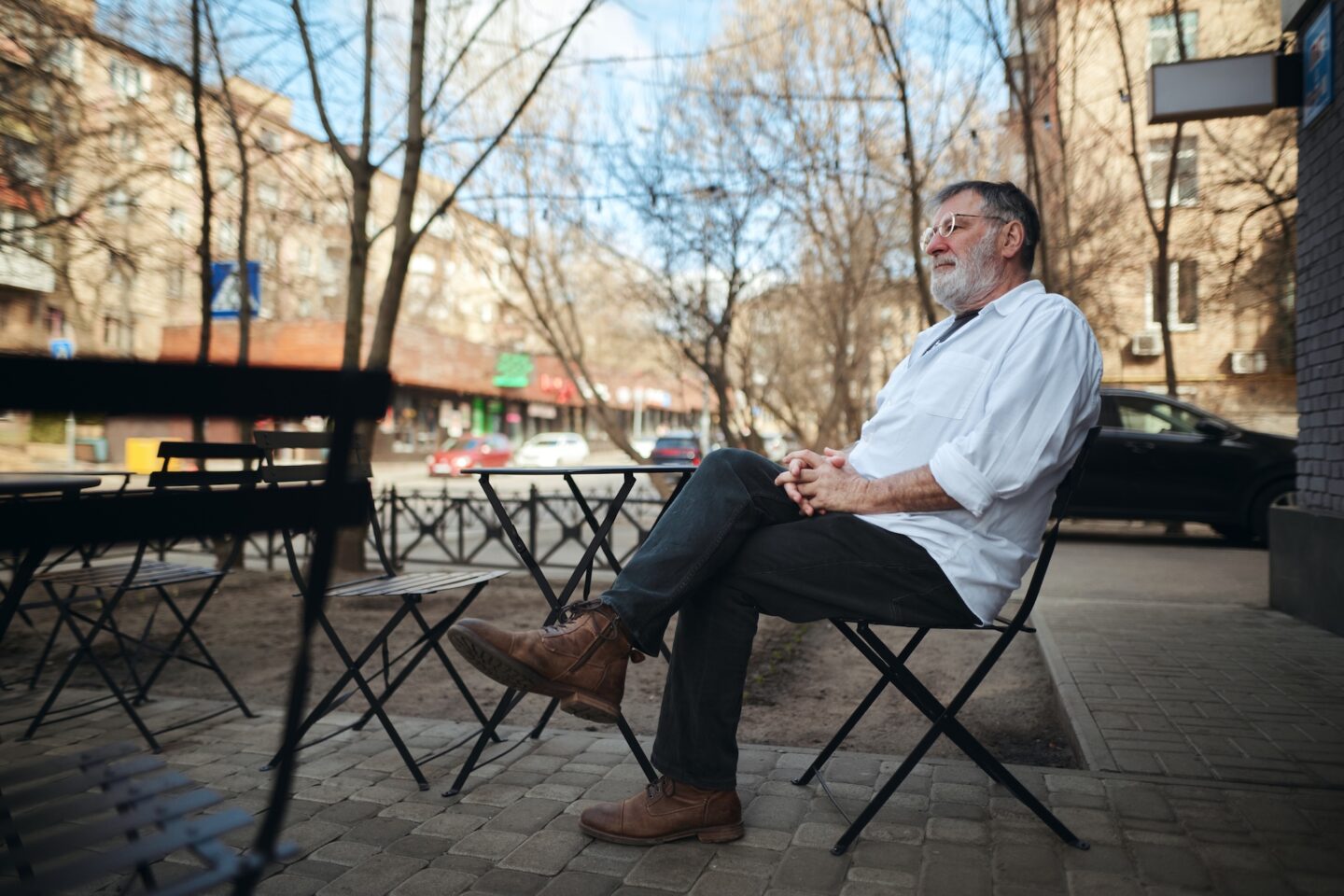
“I used to say: I was born in Canada, I’m a Canadian of Ukrainian descent. But the moment I took three steps on Ukrainian soil, everything changed: I’m a Ukrainian of Canadian descent,” says 68-year-old Stefko Ostafiichuk.
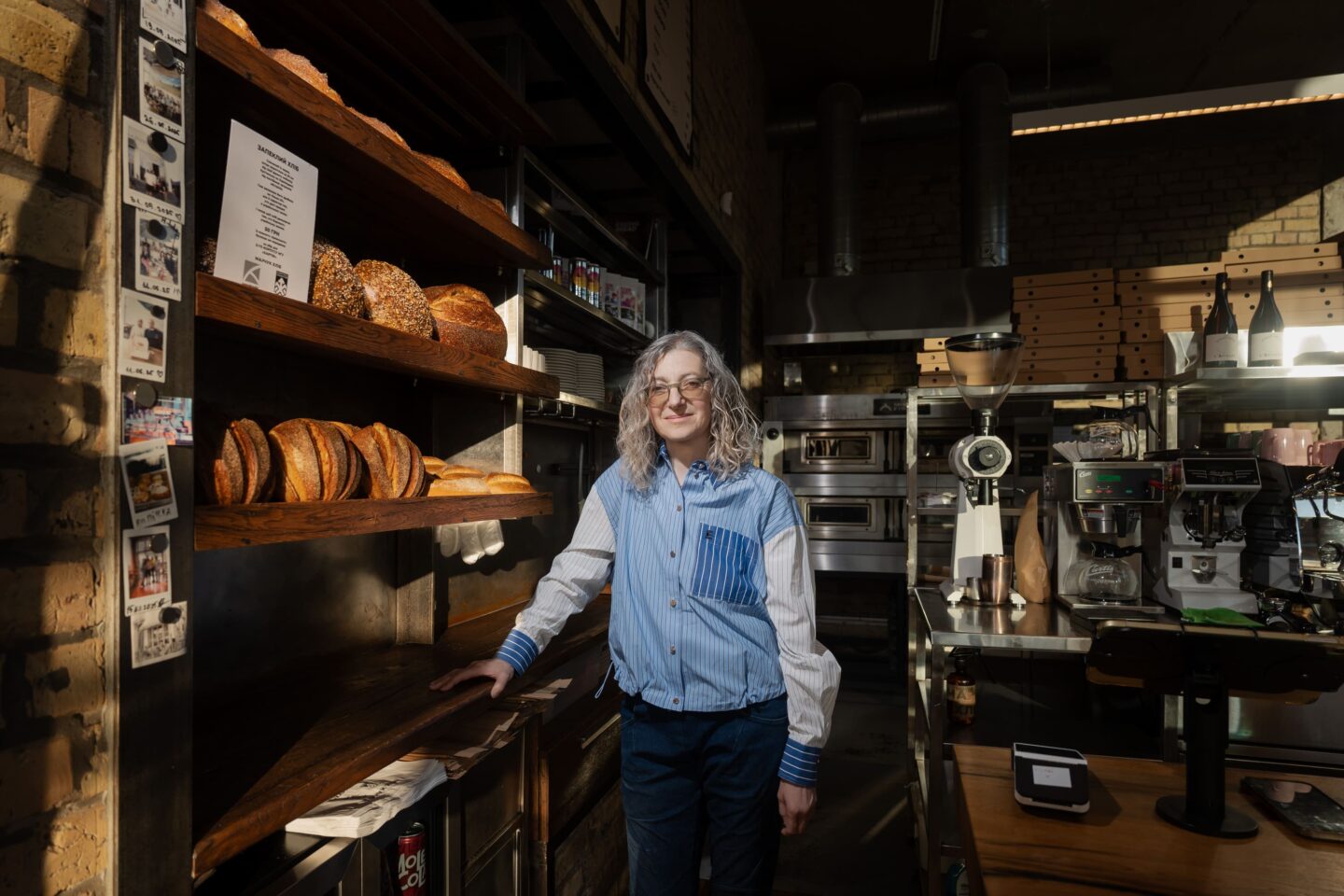
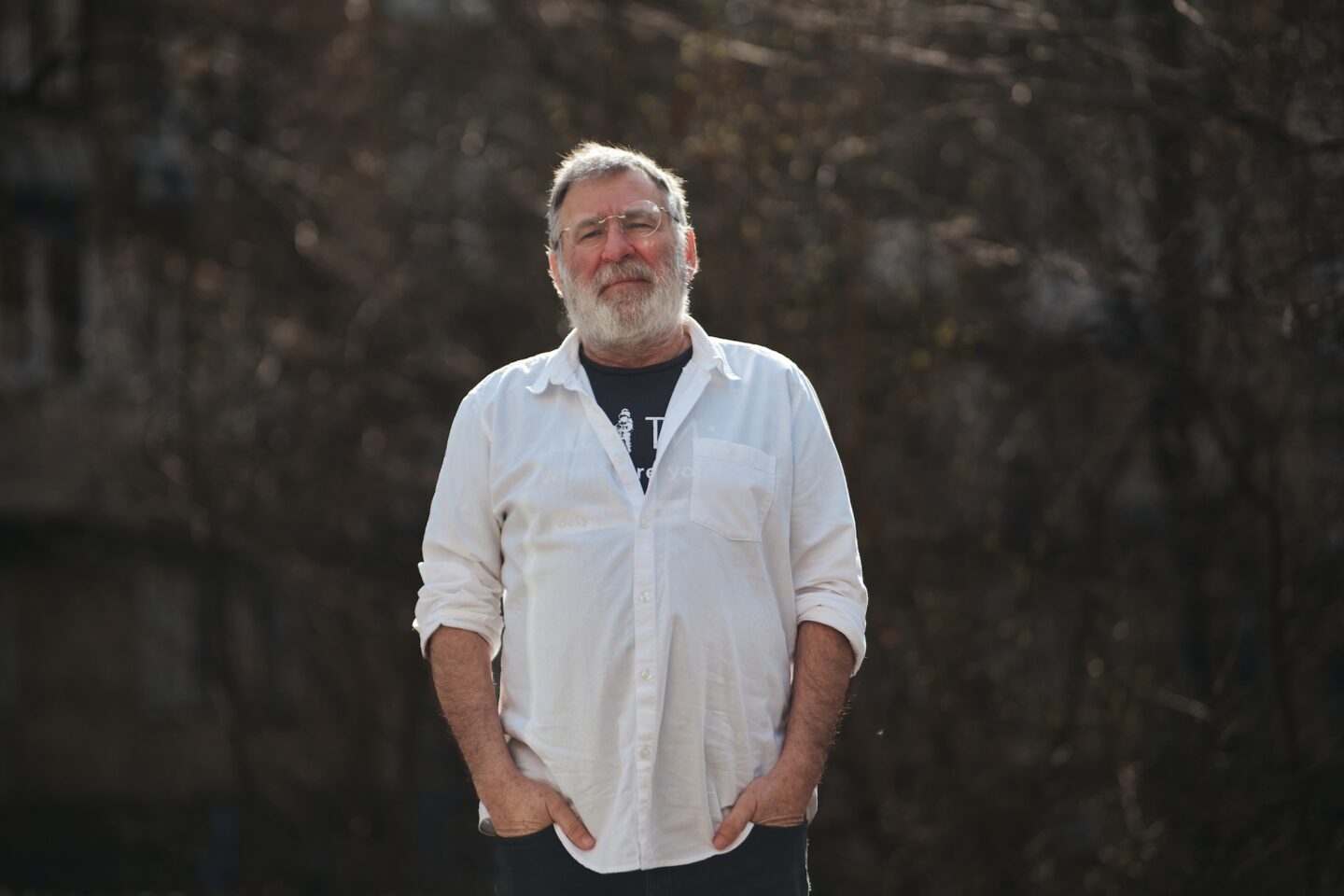
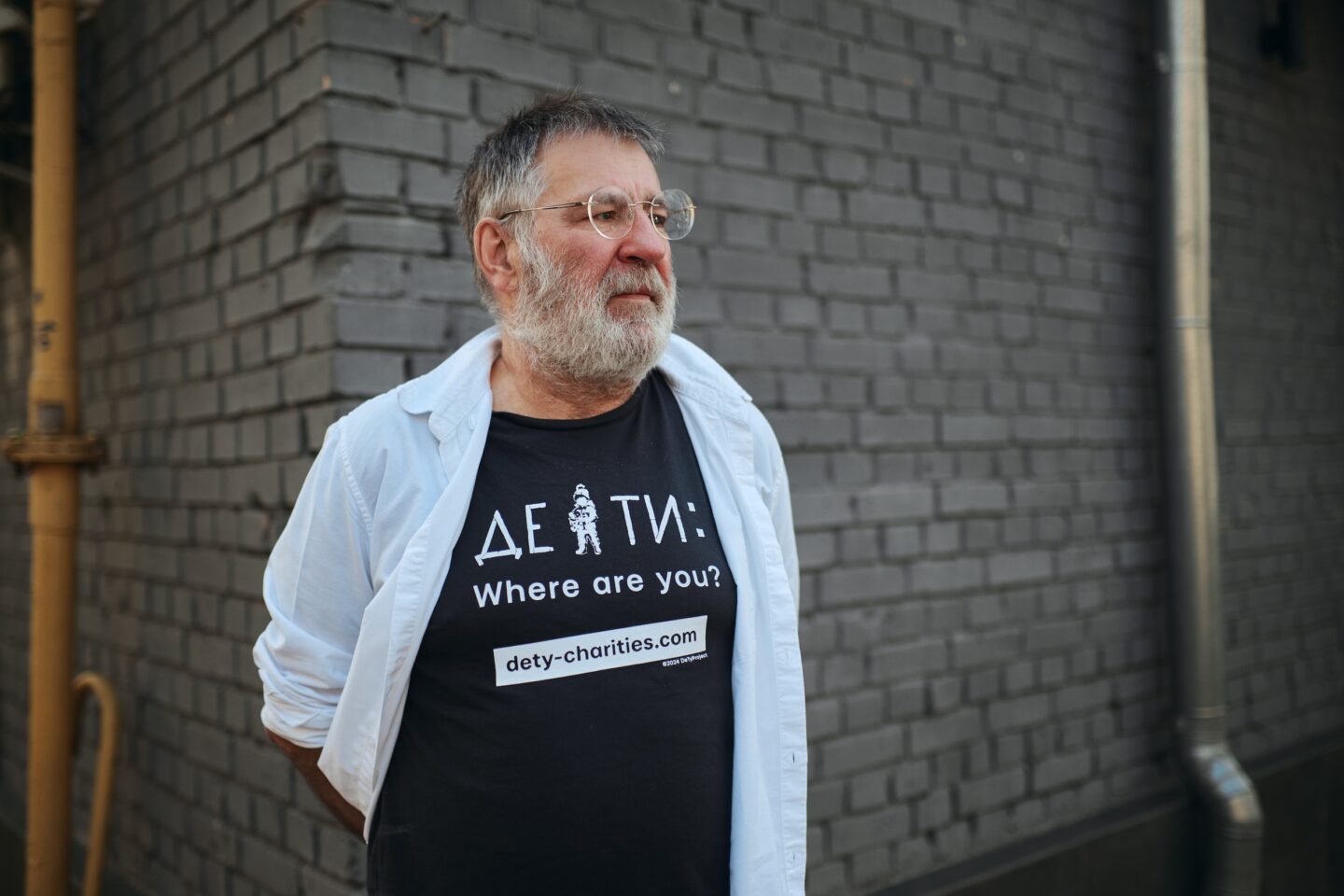
It’s early spring in Kyiv, still quite cold, but the man in glasses, with a gray beard and gray hair, is wearing a T-shirt and a light, unbuttoned shirt. There’s a pair of shorts in his bag. “We’re from Canada,” he explains, meaning that the early Ukrainian spring is, for him, practically summer. Stefko’s — that’s how he introduces himself — T-shirt has the inscription “ДЕ ТИ?” (“WHERE ARE YOU?”). That’s the name of the platform he founded, through which the world can learn about Russia’s war crimes and about the Ukrainian children who have been killed or abducted. The project was born after Russia dropped an aerial bomb on the Mariupol Drama Theater on March 16, 2022. In front of the building, on the pavement, people wrote in large letters: “ДЕТИ” (“CHILDREN”). The Mariupol residents who were hiding in the theater hoped this would stop the Russians from bombing it. It didn’t. According to various estimates, between 300 and 600 people were killed there.
Where are YOU?
“Where are YOU?” is also a personal, nagging question that has tormented Stefko for many years. Sometimes it takes a different form: “What’s in this name — Hryhorii?” That was his older brother’s name; he died in 2017. It wasn’t until he was an adult that Stefko learned he had been named Hryhorii not by chance, but after his father’s brother, whom his father had never spoken of. Why? What happened to the Hryhorii Stefko never knew — his uncle? Will he be able to find anything out? Will he find any traces of him in Ukraine?
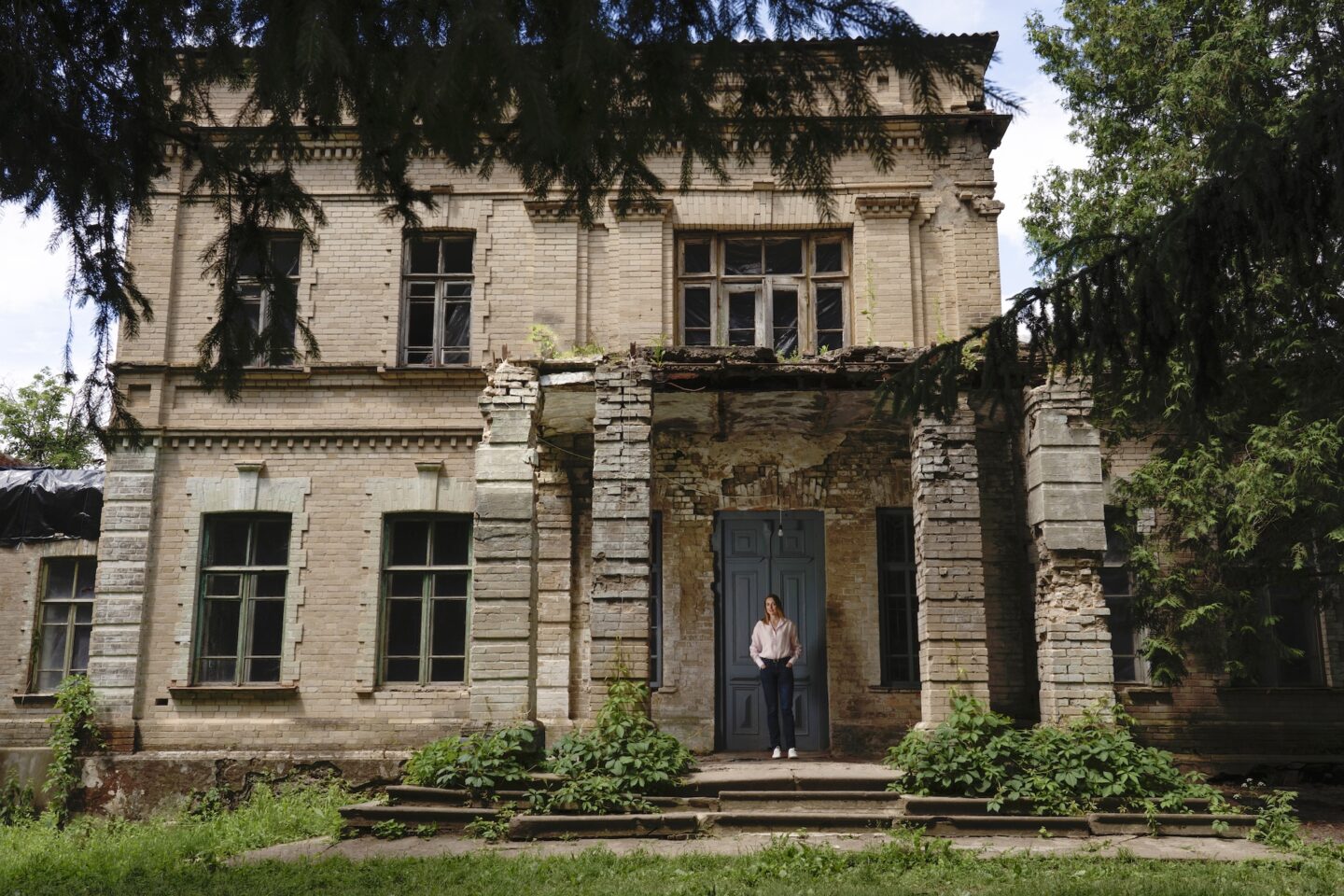
The village of Trostianets, Ivano-Frankivsk Oblast. Stefko Ostafiichuk enters the yard where his father was born. Next to the new house stands an old mud-brick one with blue wooden windows, doors and planks nailed to its base. By 19th-century standards, it is large and sturdy.
Stefko’s grandfather, Vasyl Ostafiichuk, built the house 125 years ago. The current owners have long been planning to tear it down, but they just can’t bring themselves to do it.
The Ostafiichuk family lived here until 1941. Vasyl was a carpenter. He and his wife Hanna had two sons, Mykola and Hryhorii. Both attended the Kolomyia Gymnasium. They were the first in the family to receive an education. Mykola worked briefly at the school, but later decided to become a doctor and went to study in Lviv. In 1939, Soviet troops occupied western Ukraine, and with them came repressions. The Ostafiichuks were forced to flee. In 1941, they ended up in Germany. From there, they moved to Austria. Mykola knew German well and enrolled in medical school in Innsbruck. All traces of the younger Hryhorii were lost.
In 1948, the Ostafiichuks obtained a residence permit in Canada and moved there. Mykola was hired to provide medical care to Indigenous people in tuberculosis sanatoria and also served remote Indigenous communities. At the university hospital, he met a young woman, Janett Evelyn Thomson, a Canadian of French-British descent. She was a nurse. They got married.
Janett went with Mykola to Austria so he could finish his medical studies. That’s where their first child was born.
“His name has always been a mystery, for as long as I can remember. Mom said that when she asked what we would name our son, Dad hesitated for a moment, and then said — Hryhorii. It took a long time before Mykola told Janett about his lost brother,” says Stefko.
The crossing
Their next three children — Mykola, Stefko and Lada — were born in Canada. The couple settled in Oshawa, a city on the shores of Lake Ontario. In the language of the Ojibwe people, the city’s name literally means “crossing to the other side of a lake or river.” By the early 20th century, there were 60 Ukrainian families living there. By the time Mykola and Janett settled there, the Ukrainian population had grown to several thousand: General Motors Canada opened a plant in Oshawa with 4,000 jobs, and people flocked there for work. The Ukrainian community grew strong and became one of the city’s largest. In 1949, Ukrainian Michael Starr (Mykhailo Starchewsky) became mayor of the city.
Mykola Ostafiichuk ran a private medical practice and performed surgeries at the local hospital. He was one of the leaders of the Ukrainian community. Although his wife was Canadian, they spoke exclusively Ukrainian at home — Janett had learned the language. The Ukrainian community knew her as Miss Ivanka. She led various Ukrainian initiatives, such as the women’s league. She advocated for equal pay for women and men. Their children studied Ukrainian history and culture. They attended a Greek Catholic church, even though Janett was a member of the Anglican Church. On December 25, they celebrated Canadian Christmas with turkey on the table, and on January 6, they celebrated Ukrainian Christmas Eve with 12 traditional meatless dishes. At Easter, they painted pysanky. In the summer, they went to Ukrainian camps.
“I asked my mom why she learned Ukrainian, and she replied: ‘When you love someone very much, you learn their culture, their language — you do it all.’ Mom ended up all alone at 20, so maybe that’s why she clung so tightly to Dad,” reflects Lada Ostafiichuk.
They were called “the doctor’s kids.” But medical practice wasn’t the only thing that interested Mykola Ostafiichuk.
“My father was 15 when he and my grandfather planted an orchard. When we were little, my parents bought a 400-acre farm, and my father said, ‘I want to plant an orchard because we had one like that back home.’ And on the farm in Canada, we planted over 600 trees. Dad used to say, ‘I was born of the earth, and I want to die in the earth,’” says Stefko.
That orchard is, in fact, the only memory of Ukraine that his father shared with them. Now Stefko wonders why his dad never told them anything, instead focusing on developing Ukrainian projects in Canada.
Perhaps he felt guilty: he was able to escape to a safe place, and his brother was not. Survivor’s guilt.
When the workday ended at the medical office, patients would come to the doctor’s home. Mykola never turned anyone away. In the late 1960s, Stefko’s parents took in a young woman and put her up in his room. She worked in Mykola Ostafiichuk’s office, and at the same time, the doctor cared for her. The woman’s name was Lesia. She moved to Canada from Germany in 1960, when she was a teenager. In 1959, her father was murdered in Munich. Until his death, Lesia did not know her real last name or who her father was. His death and the revelation of his true identity hit her very hard. The woman’s name was Lesia Bandera.
“When I was young, Lesia Bandera stayed in my room in Oshawa. She had PTSD. She was a child when her father was killed, but she didn’t know who he really was. She had an emotional disorder. The OUN leadership and acquaintances asked my father to take care of Lesia. She lived with us for a year. She was a wonderful, fascinating person,” says Stefko.
The Ostafiichuks crossed paths with the Bandera family back in Ukraine. Stefko’s grandparents knew Father Andrii Bandera, the father of OUN leader Bandera. Many years after Lesia Bandera had lived in his room, Stepan Bandera’s grandson — his namesake — would help Stefko Ostafiichuk uncover the secret of Hryhorii, his father’s brother.
The Ostafiichuk family’s safe and happy life would come to an end in 1978. Their son Mykola, who took care of the farm and the garden, was run over by a car right outside his house by a drunk neighbor. He died in his brother Hryhorii’s arms. Stefko was away at school at the time. He received a phone call informing him that his brother had died. On the way home, he had wondered — which one of the two?
The house went dark
The loss of his son hit Mykola Ostafiichuk hard. Exactly one year later, he passed away — as Stefko says, from “heartbreak” [heart attack — Ed.].
“My brother died, then my dad. For me, it was like the lights went out. The house went dark.”
At his father’s funeral, 21-year-old Stefko sat next to his father’s friend, Petro Bashuk, a member of the OUN since the 1930s and a survivor of Auschwitz. That was when he told Stefko a story he had never heard before — that his father had a younger brother, Hryhorii, who was a member of the Organization of Ukrainian Nationalists, and in 1941, was likely shot by the Soviets.
That was all the information he had. Stefko didn’t dig any deeper — he was devastated by the deaths of his brother and father.
He moved to Toronto and became a successful international recruiter, sourcing talent for global tech giants. He completely cut himself off from the Ukrainian community. He forgot the language. Even the events of 1991 did not affect him.
The return
Thirty years have passed. Stefko was invited to the anniversary celebration of the Ukrainian Cultural Center “Dnipro,” which his father helped build. He traveled to Oshawa.
“We came to the anniversary, to the banquet. For me, it felt like a funeral. There were no young people there. Only the older ones came — barely able to walk, barely able to breathe. Acquaintances told me, ‘We thought you had died.’ We arrived, and instead of celebrating the anniversary, people started talking about selling the building. I said: We won’t sell it. And they said to me: ‘Who are you to decide?’ I nodded toward the wall, towards my father; his portrait was there. I told them: give me three weeks, and I’ll decide what’s best — whether to sell or keep it.”
In Toronto, he attended a Ukrainian conference to talk to the right people and figure out what to do with the Oshawa building. He sat in the hall and listened to a woman speaking passionately from the stage. During the break, she came over to introduce herself.
“I told her, ‘My name is Stefko, and we’re going to get married’ — just a minute and a half after we’d met. Her mother headed Ukrainian organizations in Canada. She often traveled to Ukraine. The whole family was actively involved in the diaspora. Later, we found out that in 1970, I had been to her home with a traveling camp. So our families knew each other back then, but we never crossed paths.”
Adriana, like him, was born in Canada, but unlike Stefko, she was deeply involved in Ukrainian initiatives. He, on the other hand, had completely stopped speaking Ukrainian. Adriana asked him, “Aren’t you ashamed?”
“For five years, she spoke only Ukrainian with me. She told me, ‘Either learn Ukrainian again or find another woman.’ My wife was a staunch nationalist; she brought me back into the community, which I hadn’t been a part of for over 30 years.”
This turned out to be an advantage. Stefko could view all diaspora processes with a fresh, unbiased perspective. Back then, in 2007, they decided not to sell the Ukrainian house in Oshawa. Stefko began managing it and got involved in many Ukrainian projects.
“I started with a project on the Holodomor. It was a project of the Ukrainian Research Institute in Toronto. We put on a huge production about the Holodomor and spread the word.”
This project made him recall a Ukrainian woman who had once worked in their home. She never spoke of her past. She always wore a long-sleeved sweater, even in the heat, as if she wanted to hide something in those sleeves. And she made sure that they, the children, finished every last crumb. If there was anything left on the plate, she would yell, “Finish it!” It was only after her death that the Ostafiichuks learned: during the Holodomor, Mrs. Karpenko had lost her husband and two children.
Three dates
Three dates are engraved on Stefko Ostafiichuk’s wedding ring:
13.04.08, 10 АМ — the time they met
31.07.10 — their wedding day
“Six months later, she went for a mammogram and found out she had stage IV cancer. We had just gotten married. We were supposed to go to Ukraine for a six-week honeymoon, but had to change our plans.
She asked, ‘Do you want a divorce?’ I replied, ‘No, I waited 50 years to find you.’”
Adriana asked Stefko to take care of the Ukrainian projects dear to her — the Ukrainian Youth Association and the Veselka camp (in 2024, the camp celebrated its 70th anniversary). She died in his arms.
05.09.14 — the day of her death. The third date.
Stefko quit his job and went to live on the Veselka grounds. The camp was already somewhat run-down, and the question arose: Do Canadian Ukrainians need it? Stefko was living all alone on a territory spanning dozens of hectares. He sought funding for the camp, repaired the facilities, refurbished the swimming pool and built a rope park in Adriana’s memory. On top of everything, he headed the “Dnipro” Foundation, which received the funds from the sale of the Ukrainian house in Oshawa.
“We discussed what to do with the money. And many people said, ‘My father helped build it; I want the money.’ I said, ‘This money belongs to the community. When we sell it, we’ll give the money to an organization that supports Ukrainian projects.’ I was a volunteer manager at the Veselka camp for five years. We donated millions of dollars to the camp and rebuilt many of its buildings.”
Since the start of the full-scale invasion, the foundation has been funding the training of Ukrainian surgeons, supporting Ukrainian organizations working to bring children back from the occupied territories, paying for medical and psychological consults for refugees and organizing campaigns and flash mobs to remind the world of Russia’s crimes.
Stefko managed all of this from Canada. He had no plans to go to Ukraine: if he couldn’t go with his wife for their honeymoon, there was no need to go at all. However, the question “Where are YOU?” — or rather, “What’s in this name — Hryhorii?” — compelled him to buy a plane ticket. By that point, he’d already known much more about his father’s brother than the scant details he’d heard at his father’s funeral — all because he once shared bits of information about Hryhorii with a friend he’d met through Ukrainian initiatives, the grandson of OUN leader Stepan Bandera.
“Three hours later, he calls me and says, ‘I have 900 pages of files on your uncle and 16 gymnasium students who were executed by the NKVD.’ Now Stepan and I are writing a book about it in English.”
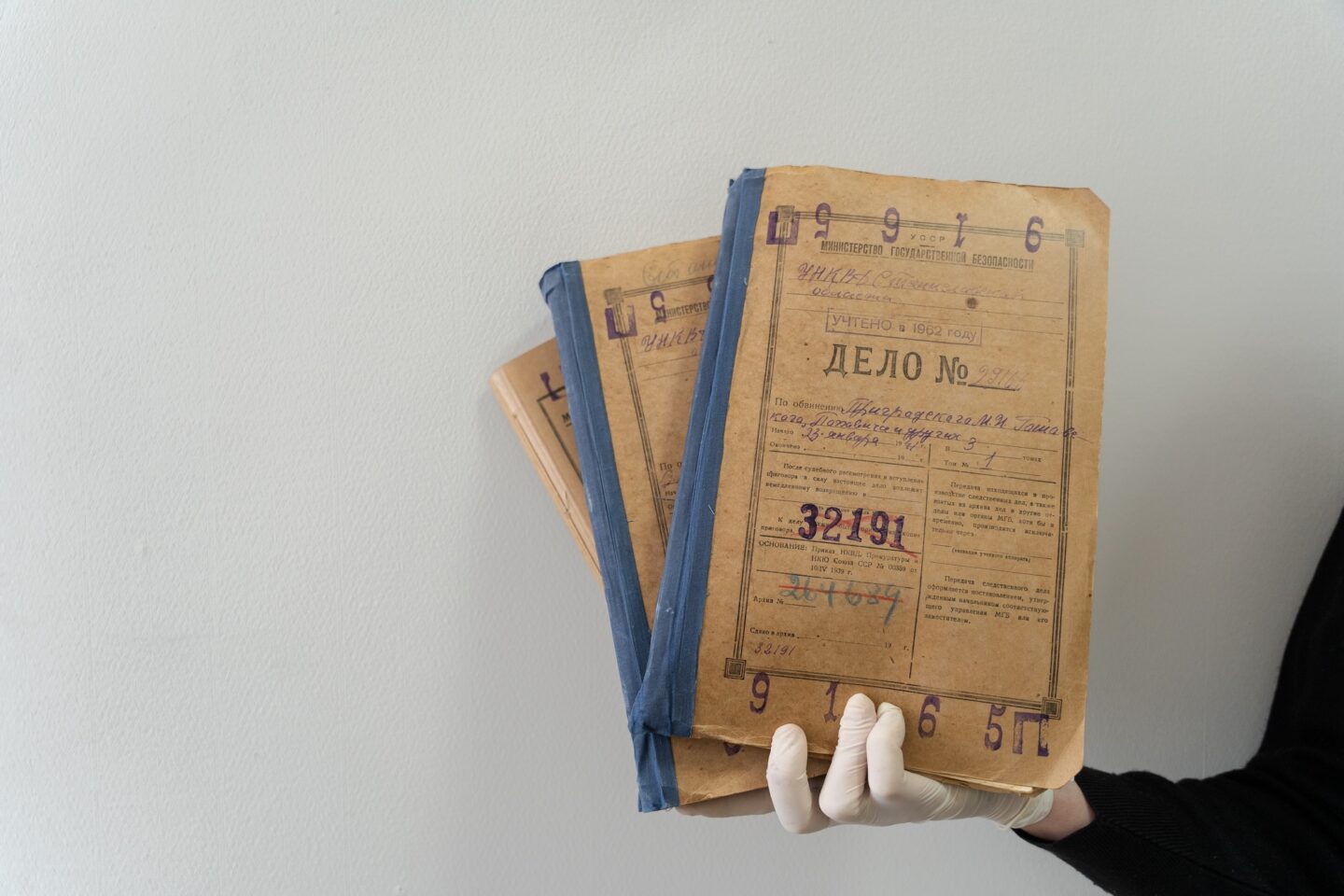
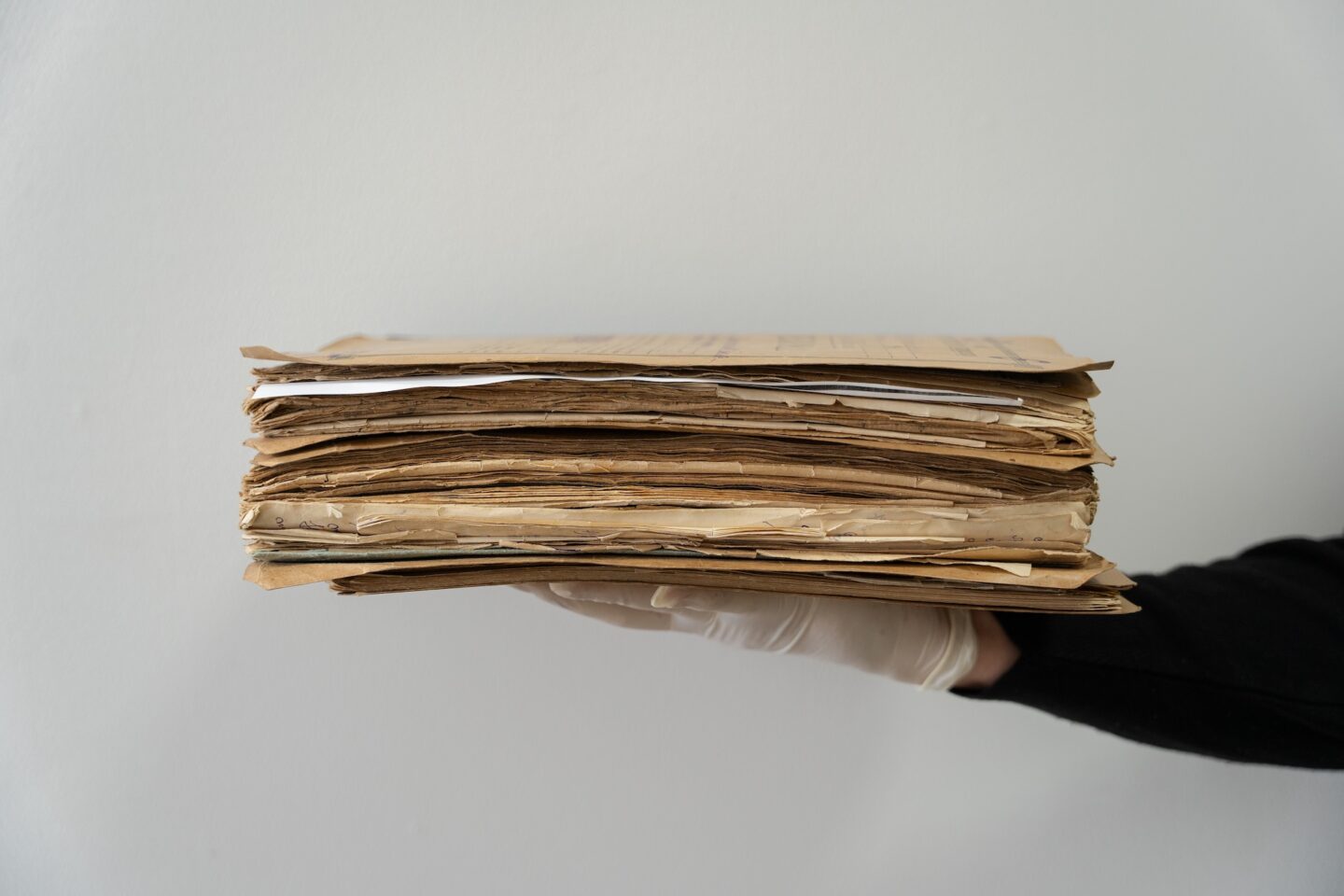
Kolomyia’s Seventeen
Hryhorii Ostafiichuk was born in 1922. He was three years younger than his brother Mykola. After finishing elementary school, he enrolled in Kolomyia Gymnasium No. 2. In 10th grade, he was recruited into Yunatstvo, a Ukrainian nationalist underground youth organization.
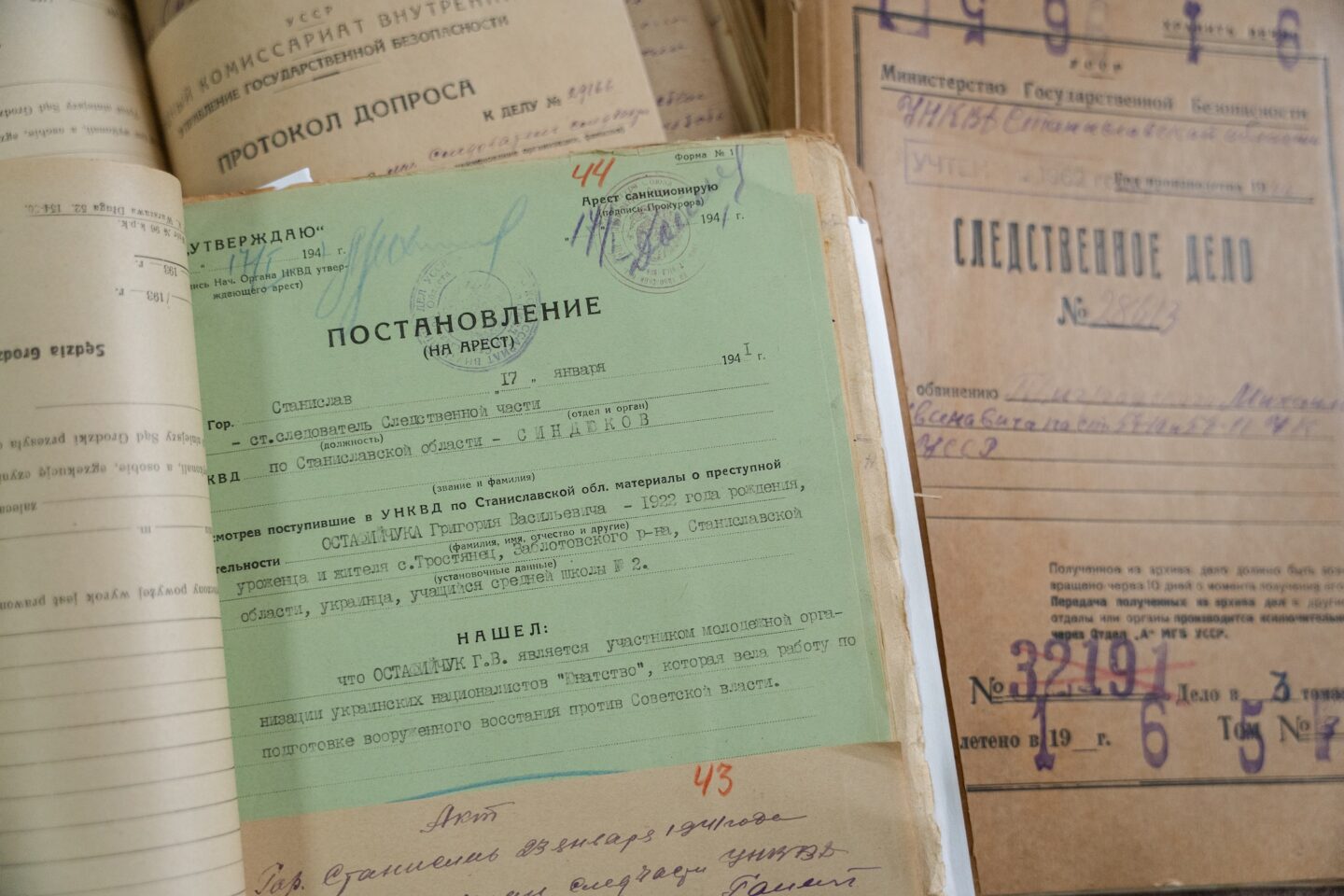
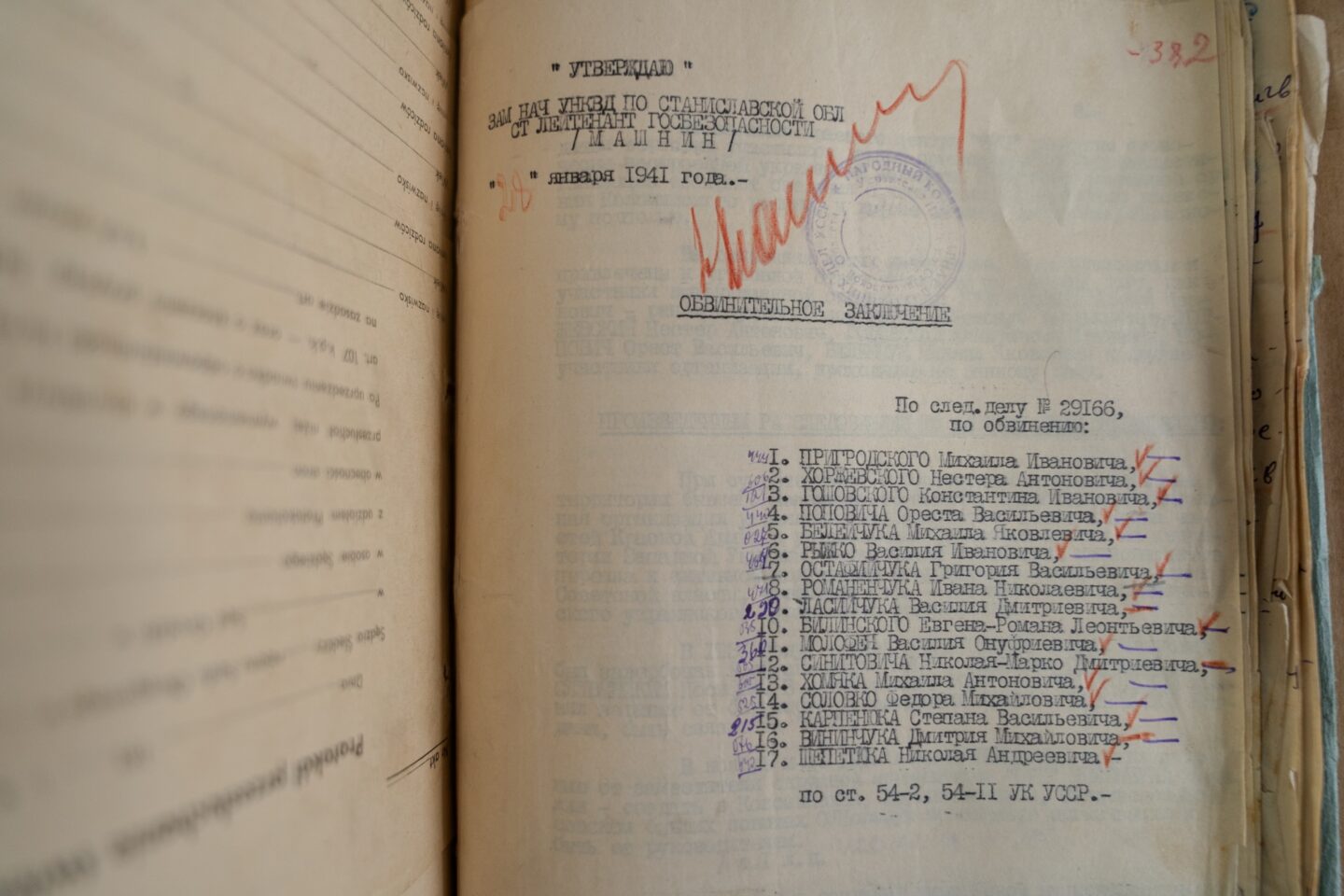
Hryhorii was short, thin, had red hair. This is recorded in the NKVD case file, which is currently stored in the archives of the SBU office in Ivano-Frankivsk Oblast. It states that Hryhorii Ostafiichuk, a native of Trostianets and a student at Secondary School No. 2, was arrested on January 17, 1941, along with sixteen other students and staff members of the gymnasium. Investigator: Sindyukov.
Hryhorii was interrogated three times. During the first interrogation, he confessed that he had been recruited into the organization in January 1940 and named the individuals involved. The final interrogation took place on January 23. Following it, Ostafiichuk pleaded guilty. In the case file, he was listed as the “leader of a counterrevolutionary group.” He was tried under Article 54-11 — participation in a counterrevolutionary organization, and Article 54-2 — an armed uprising against Soviet power.
“Do you plead guilty?”
“I plead guilty to having been a member of a counterrevolutionary, insurgent youth organization. Marchuk recruited me into the OUN organization. He gave me an assignment…”
(From the interrogation transcript, January 23, 1941)
On February 14, a trial took place in Stanislav. The defendants were given the right to deliver a “final statement.”
Hryhorii asked for “a lighter sentence,” meaning not to be sentenced to death. Most of the defendants asked for the same. But the judges handed down the verdict — they were to be shot.
Five days later, Hryhorii’s lawyer filed an appeal on his behalf and on behalf of two other members of the “Kolomyia’s Seventeen.” In the spring, the sentence was commuted to “10 years’ imprisonment and five years’ suspension of civil rights with confiscation of property.” And that is all that we know for sure from the case files. What happened to Hryhorii afterward can only be speculated.
Demianiv Laz
In the fall of 1989, search operations began in the Demianiv Laz area on the outskirts of Ivano-Frankivsk. Three mass graves were discovered there, containing the remains of 539 people. Their bones bore bayonet wounds, and their skulls had holes from nails and bullets. Documents found at the site revealed that all these people had been shot by the NKVD in June 1941. Most of them were inmates of the Stanislav Prison. The remains of only 22 victims could be identified.
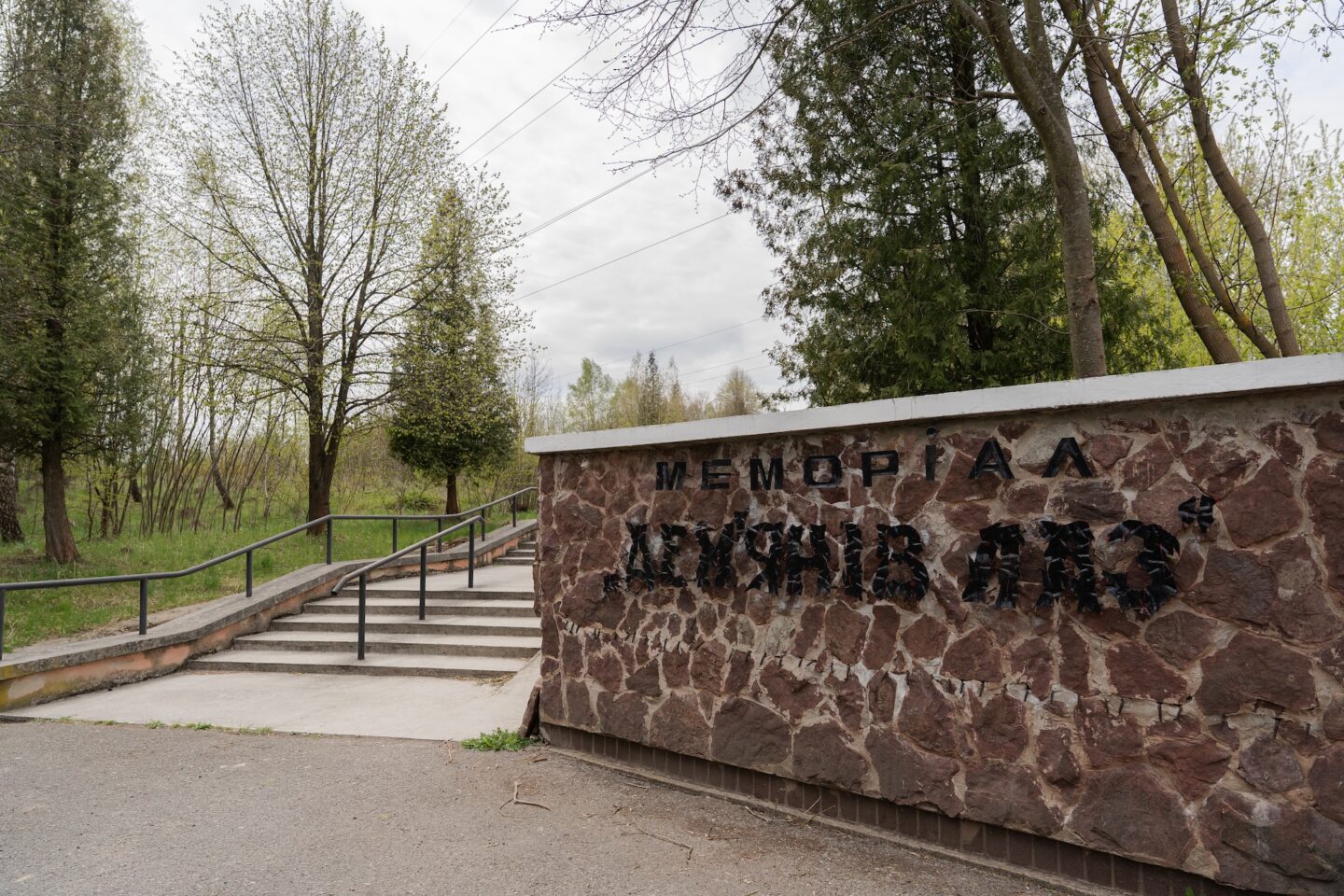
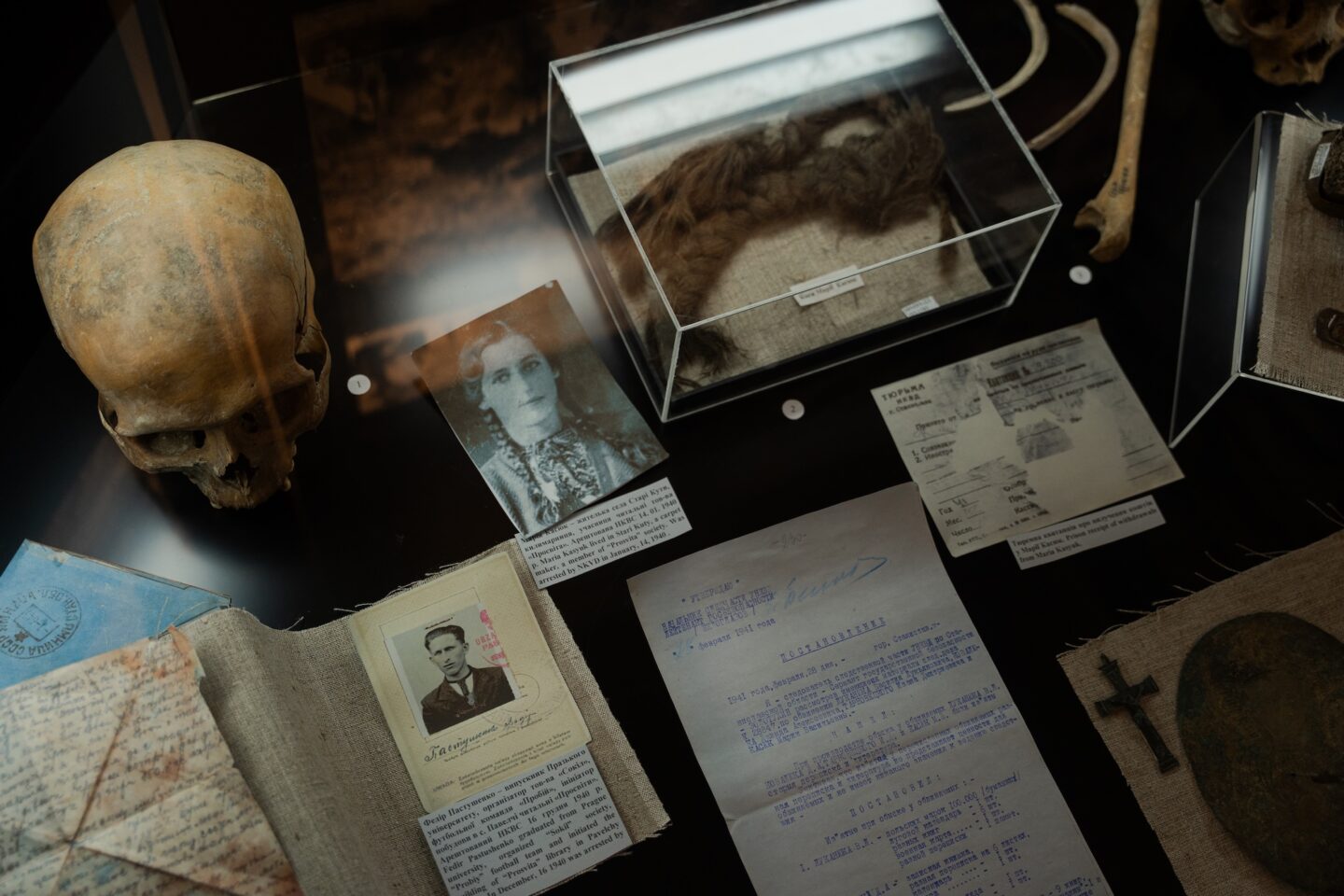
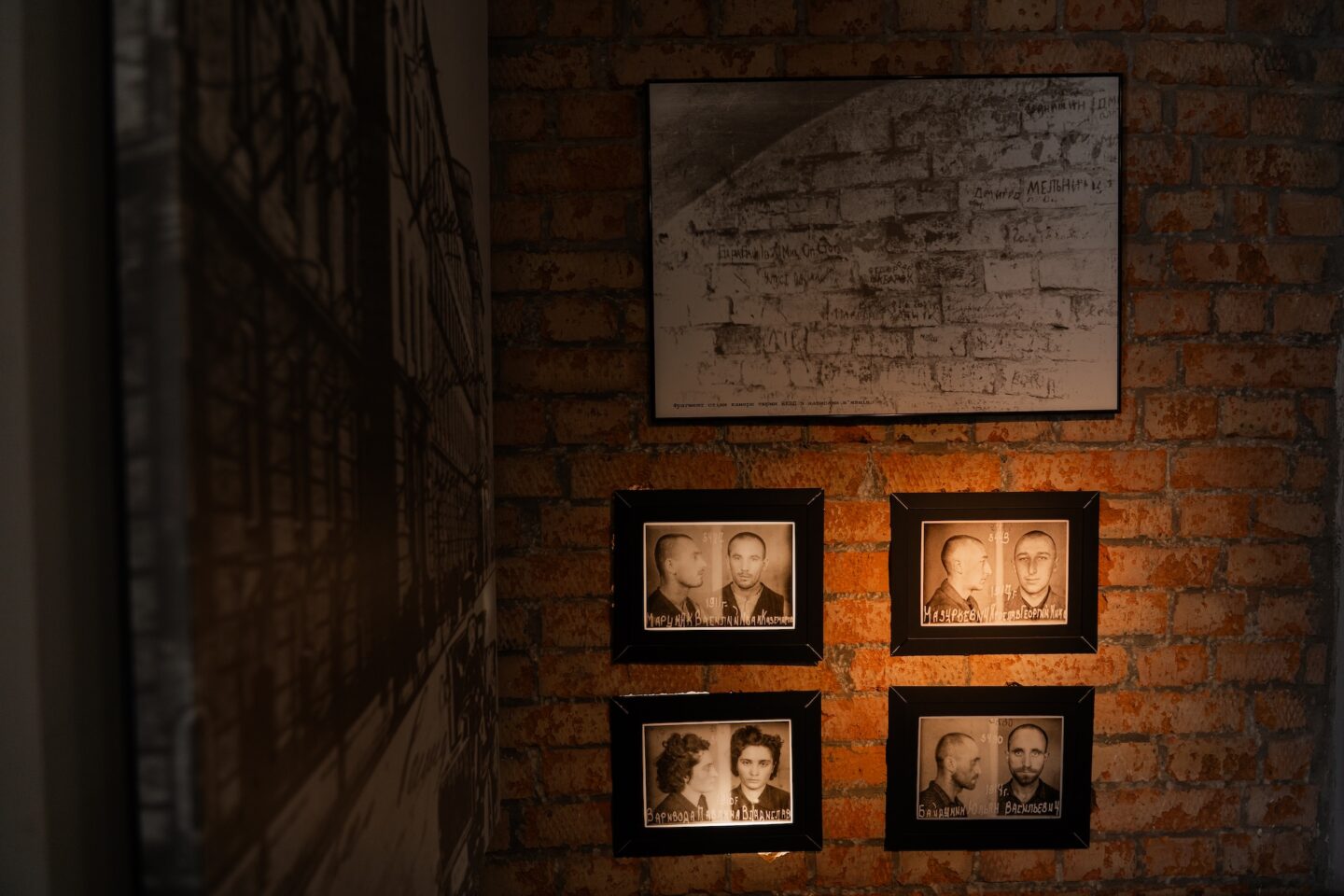
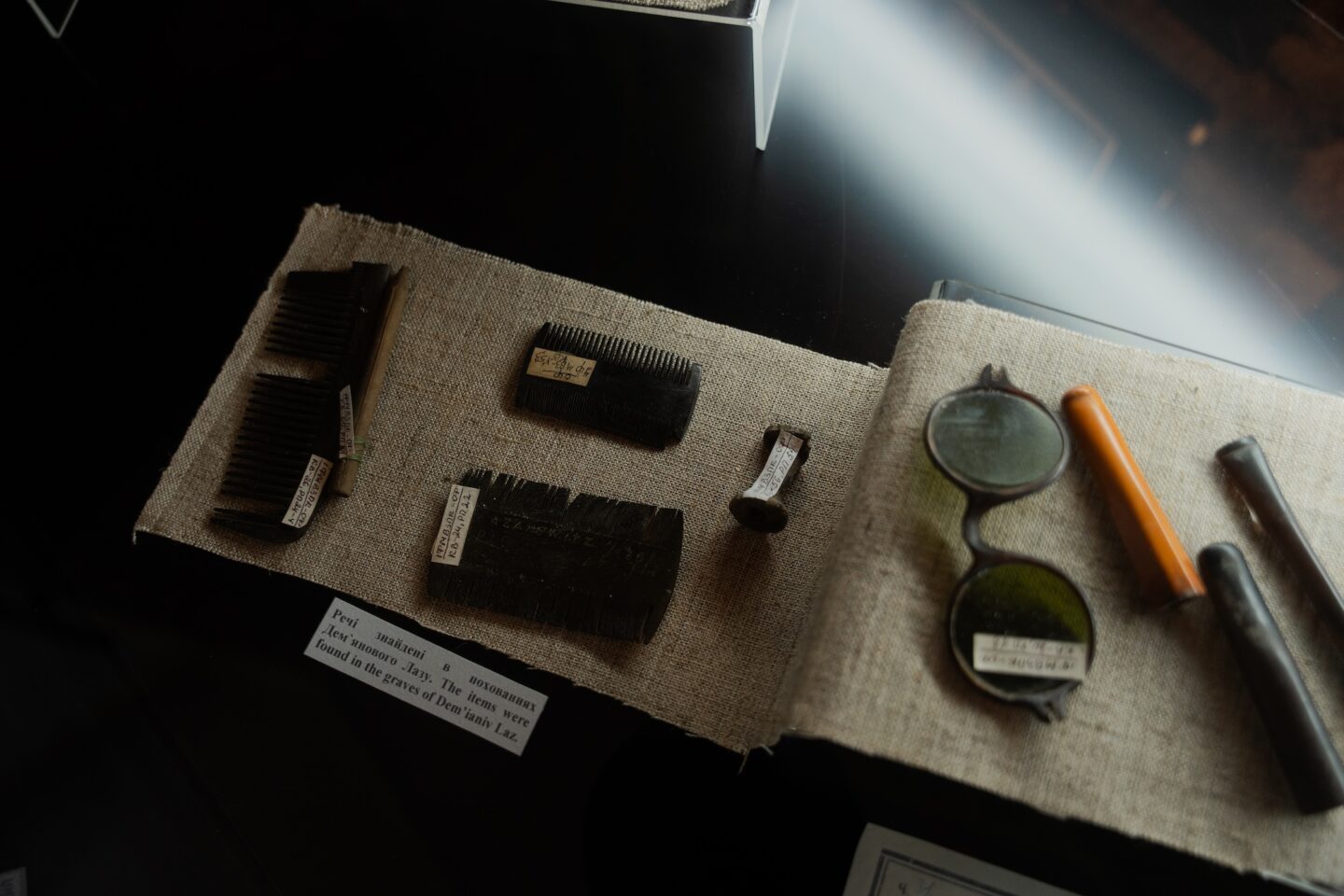
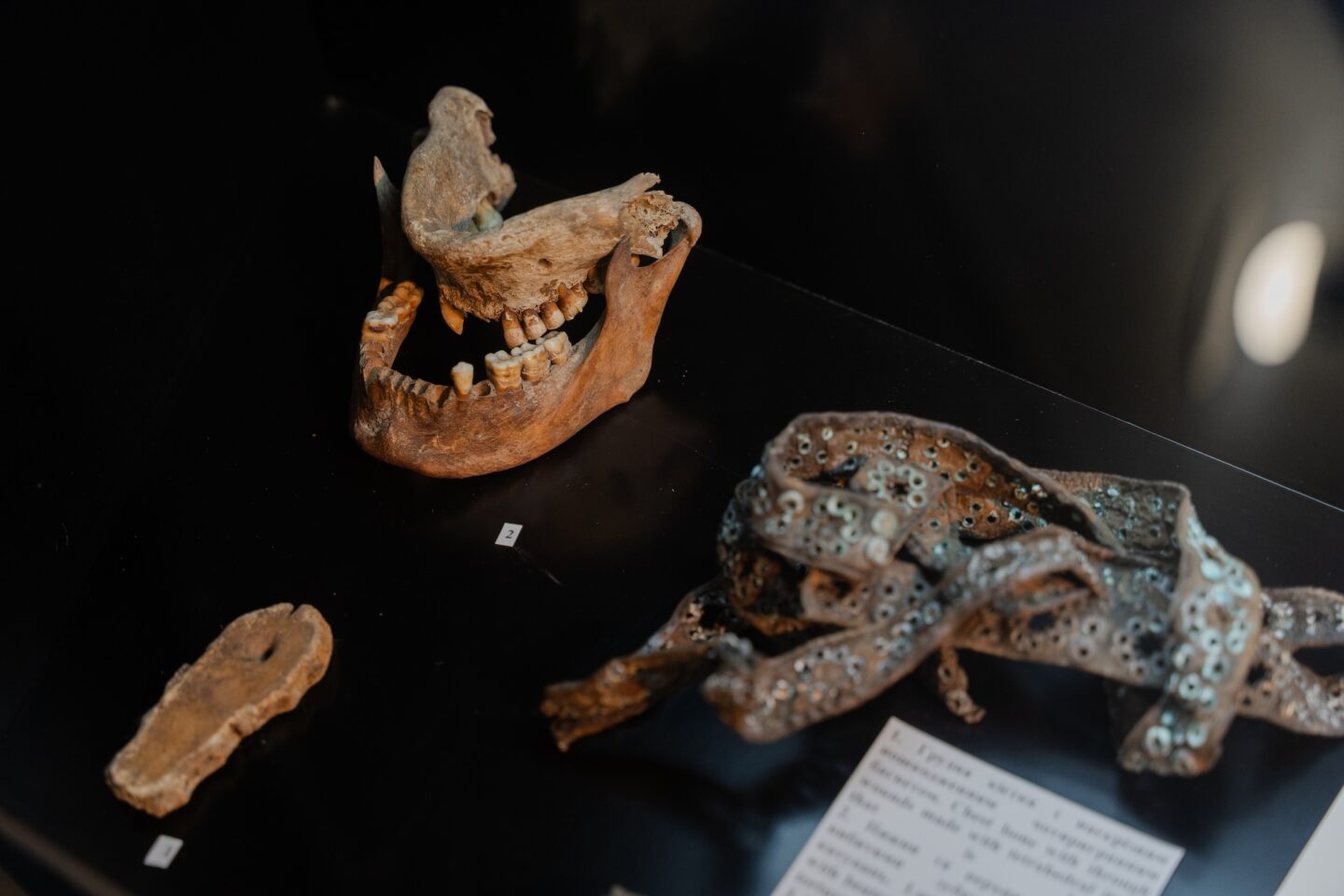
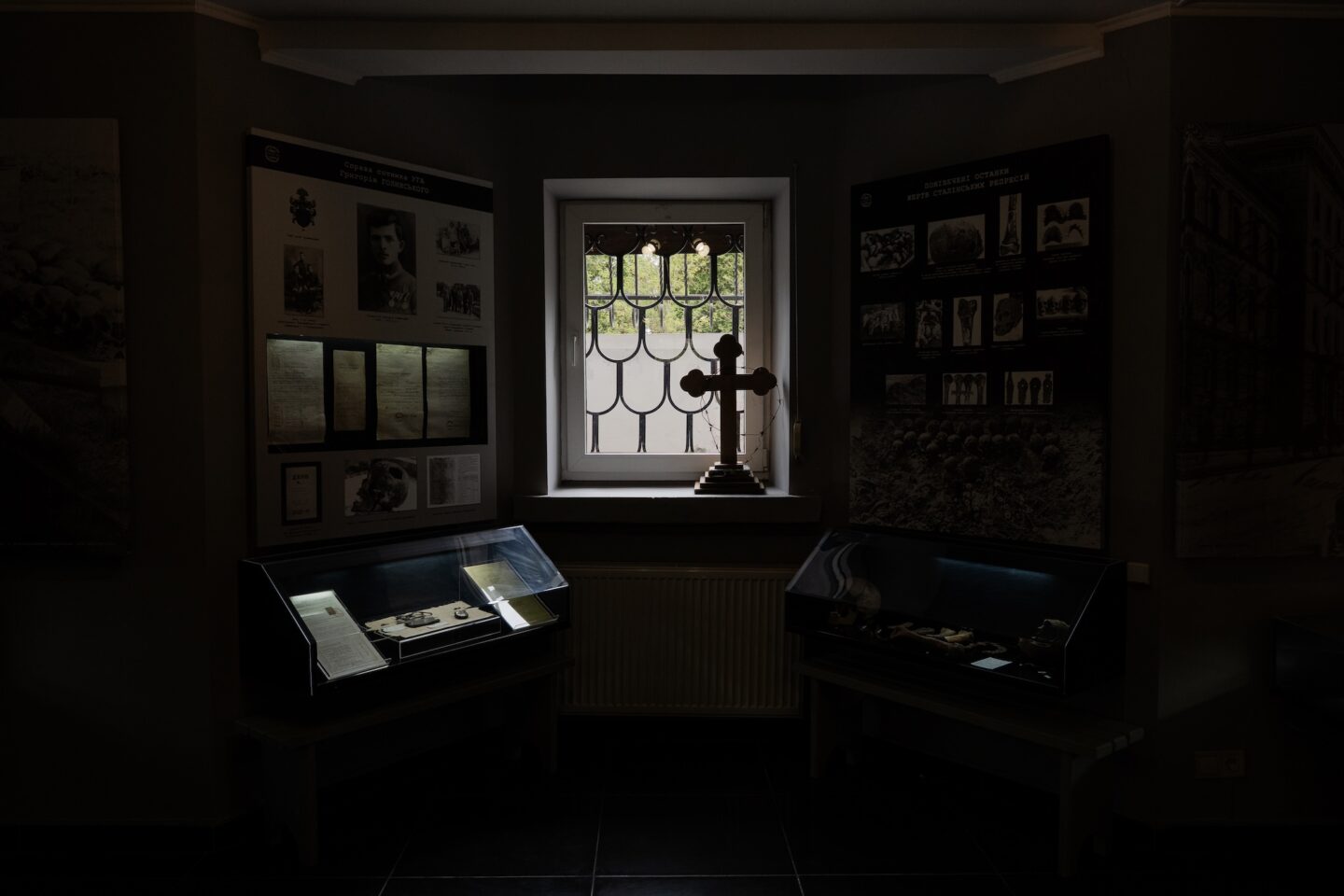
On September 18, 1939, the Red Army occupied Stanislav. A month later, they began arresting local teachers, priests and intellectuals. Those who were caught up in the final waves of arrests and held in the Stanislav prison were not sent to the Gulag in time — the German army was advancing. In the summer of 1941, Soviet troops began retreating from Stanislav. The Soviets covered their tracks — political prisoners were killed right in their cells. According to various estimates, between 1,200 and 2,500 people died in the Stanislav Prison in June 1941. The human remains found in Demianiv Laz indicate that most of those buried there were young people.
On March 20, 2026, Stefko Ostafiichuk arrived in Ivano-Frankivsk:
“The nagging question — what does the name Hryhorii mean? — led me back to my roots.”
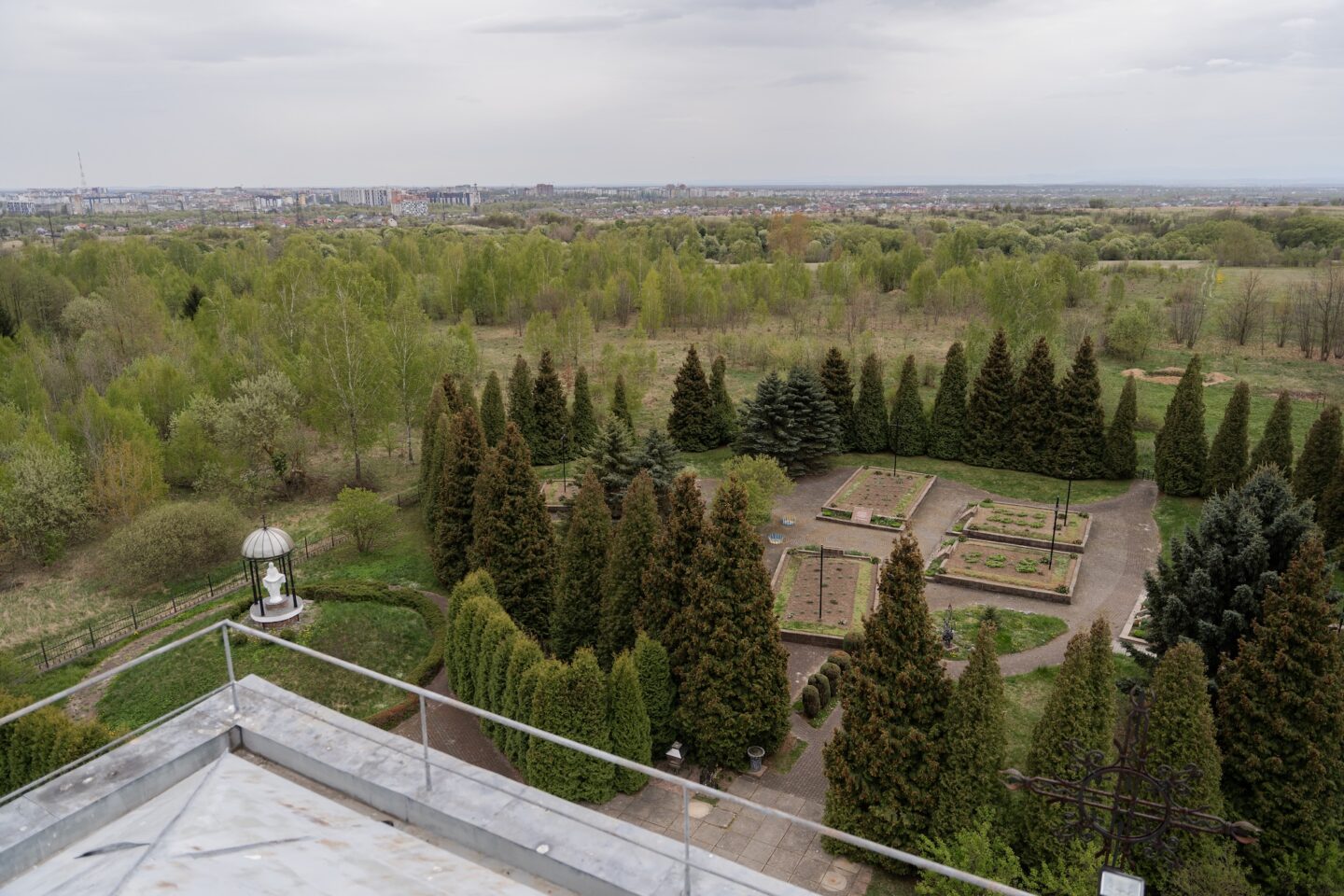
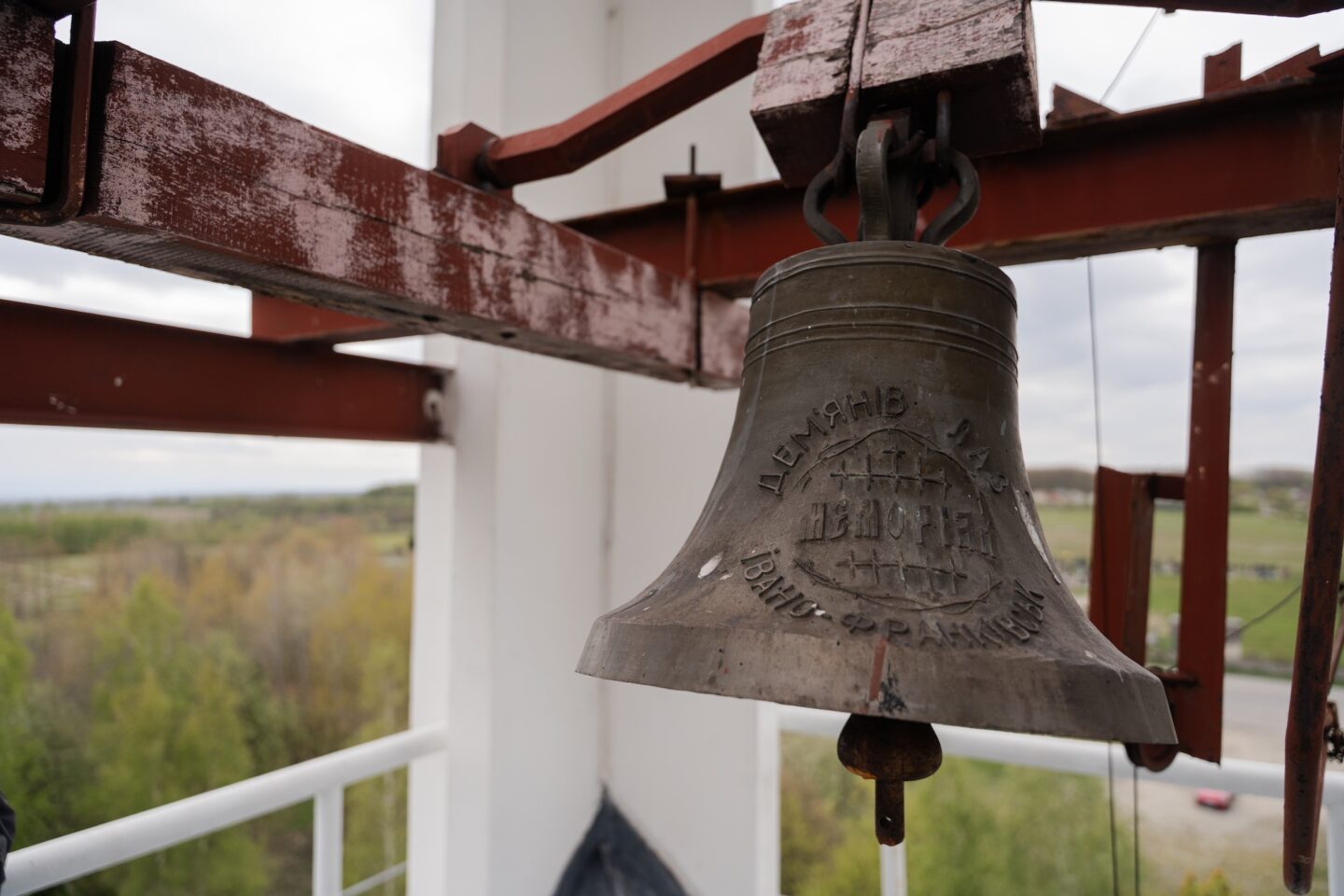
Stefko visited Demianiv Laz. No one knows if the remains of his uncle Hryhorii are among the 539 sets of remains found, but the likelihood of that is high. In June 1941, Hryhorii Ostafiichuk, his father’s brother, about whom his father had never spoken, was only 19.
Demianiv Laz is just one of the sites where victims of the terrorist regime are buried, which Stefko visited. He also visited Marsove Pole and the cemetery in the village of Trostianets. Volodymyr Ostafiichuk is buried there — perhaps a namesake or a distant relative.
“For 67 years, Ukraine was just an abstract idea to me, but now it’s a reality. We went to the cemetery in Trostianets. Three fallen soldiers are buried there. And that’s the reality. We were at the Field of Mars; one of our family members is buried there. Until now, I thought I had overcome the trauma passed down from generation to generation, but this felt as if a spacesuit had been ripped off me, and that generational psychological trauma was laid bare once more.”
Now he at least knows what the name Hryhorii means, and will tell the world about his 19-year-old uncle, whom he finally “met” after so many years.
The Ukrainians Media editorial team would like to thank the staff of the SBU Archives in Ivano-Frankivsk Oblast and the staff of the Demianiv Laz Memorial Complex for their assistance in preparing this story and verifying the archival documents.
Read more

Lesia Hasydzhak: ‘We have collected testimonies from victims of the Holodomor for the international tribunal against communism, which has to happen one day’
Researcher and head of the Holodomor Museum on the Ukrainian resistance, collective trauma and contemporary museums
My Mom Wants to Go Back Home
What it means to want to go back home—in the photographs of Hanna Hrabarska
My Grandmother Built Airplanes
As a child, it surprised me that not every family had a grandmother like mine

I Wanted to Become a Good Historian
Serhii Plokhii, Mykhailo S. Hrushevskyi Professor of Ukrainian History at Harvard University, on his personal choice and the responsibility of professional historians to the society in which they live