‘Why Don’t You Leave?’ — ‘Where Would We Go?’
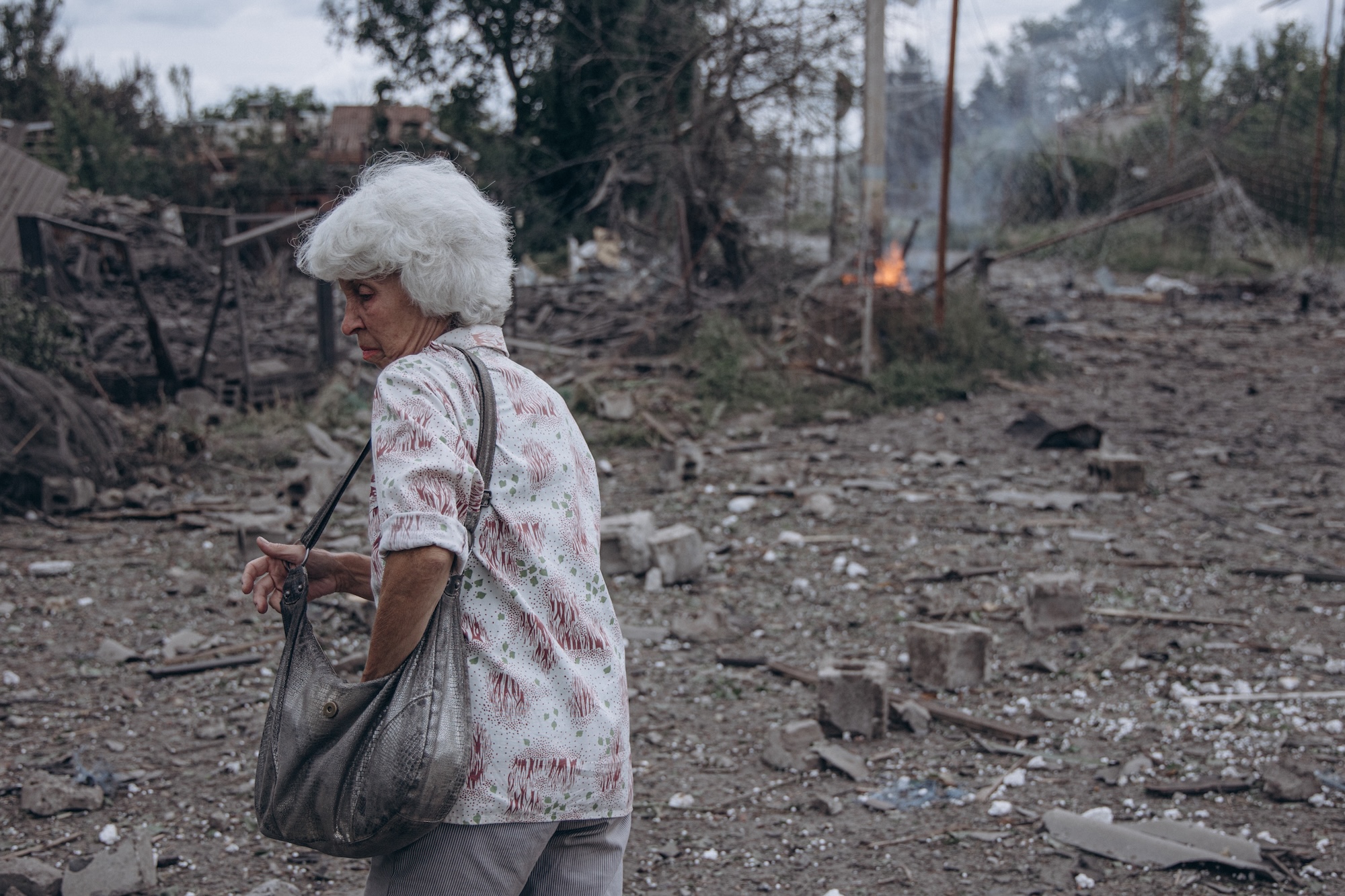
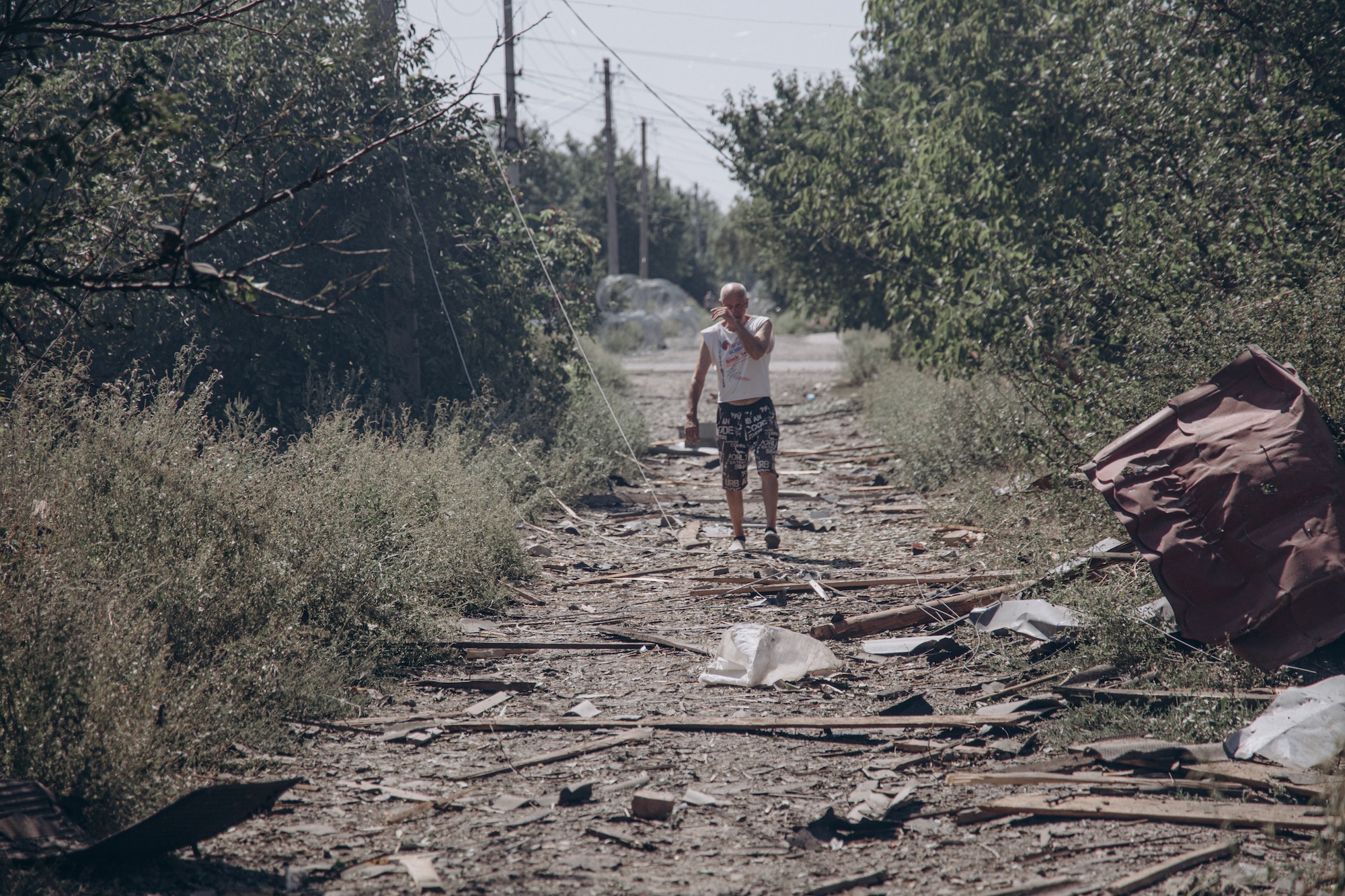
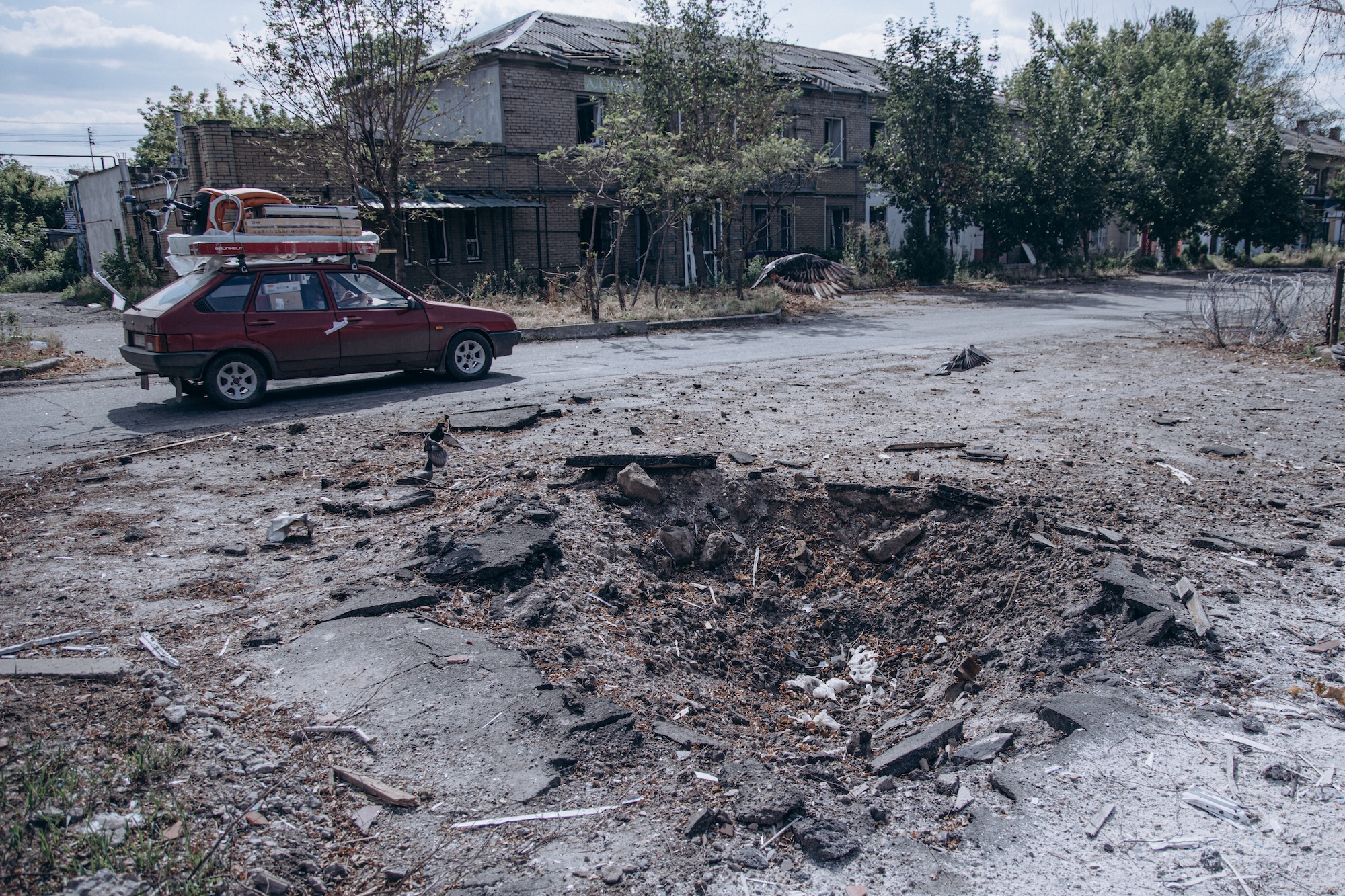
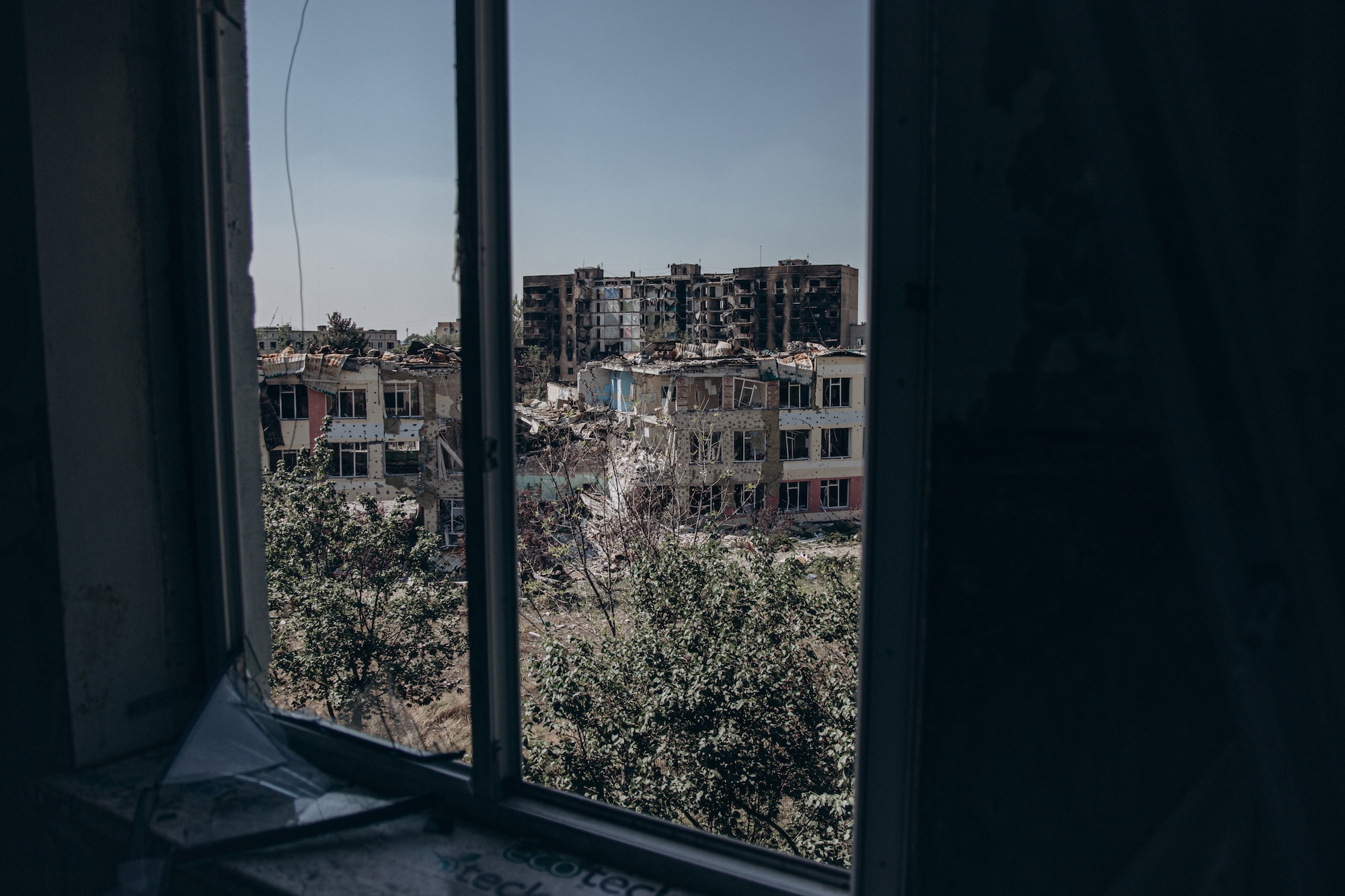
Before the full-scale invasion, roughly 55,000 people lived in Druzhkivka. Factories ran, shops opened, schools and hospitals functioned. Today, about 2,500 civilians remain.
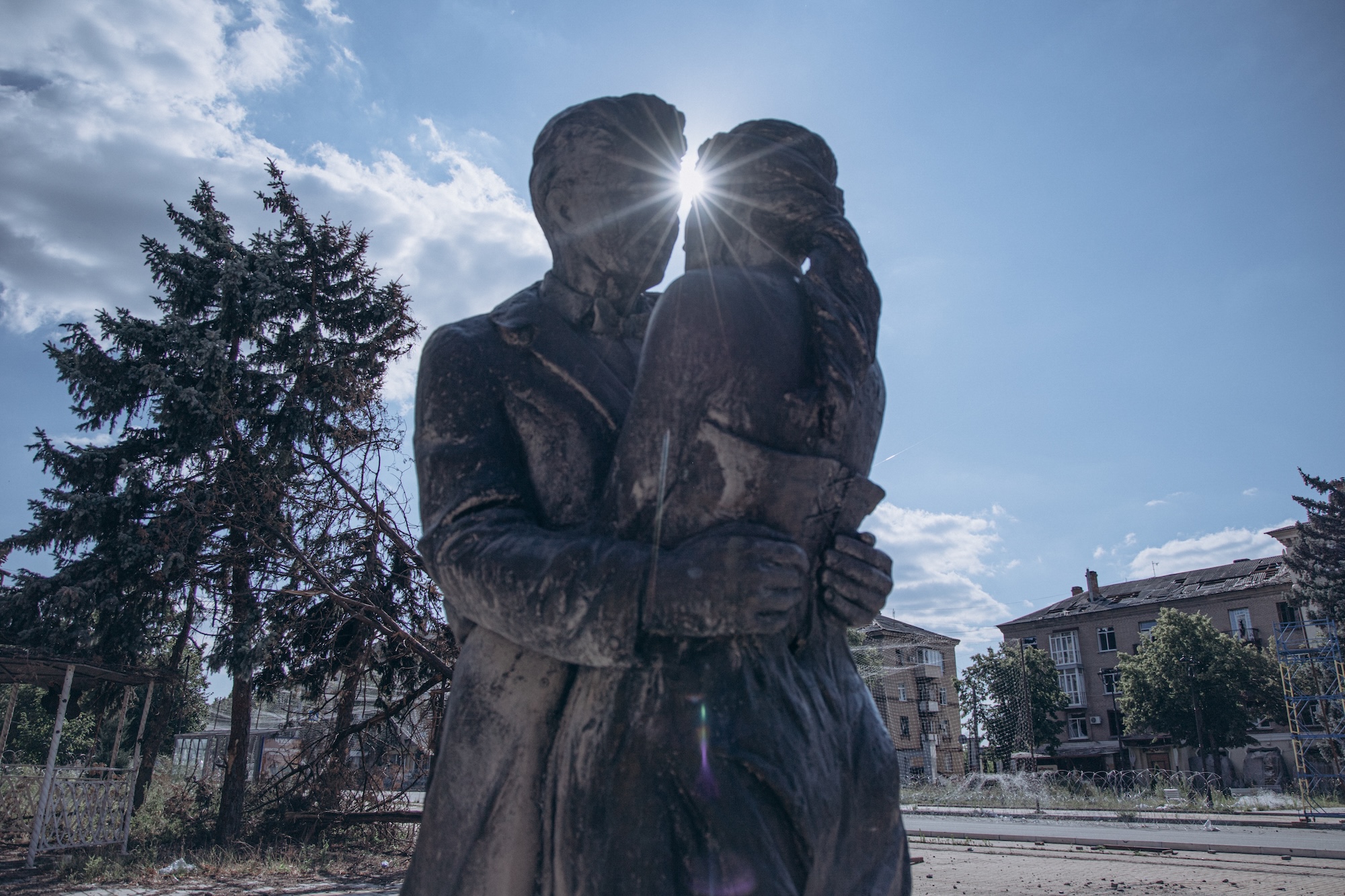
I first got to know Druzhkivka in July 2023, after transferring to a new unit and moving here from Kostiantynivka. The contrast between the two towns was striking. Back then, Kostiantynivka seemed entirely given over to the military; civilian life was nearly invisible. Druzhkivka, by comparison, was humming with activity: well-kept playgrounds, parents out with their children, plenty of young people. Despite being so close to the front line, the town still felt normal. The atmosphere was calmer, warmer.
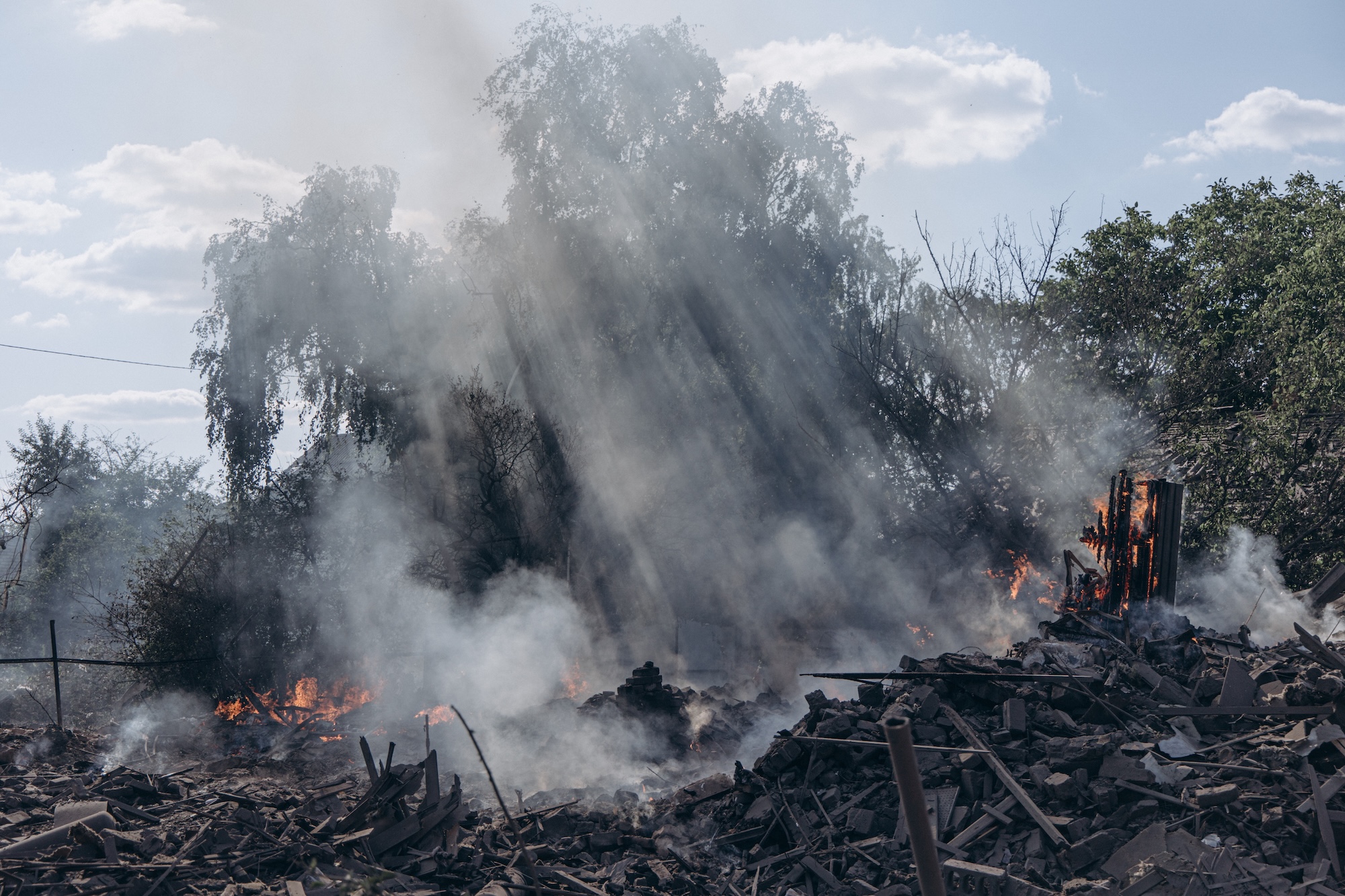
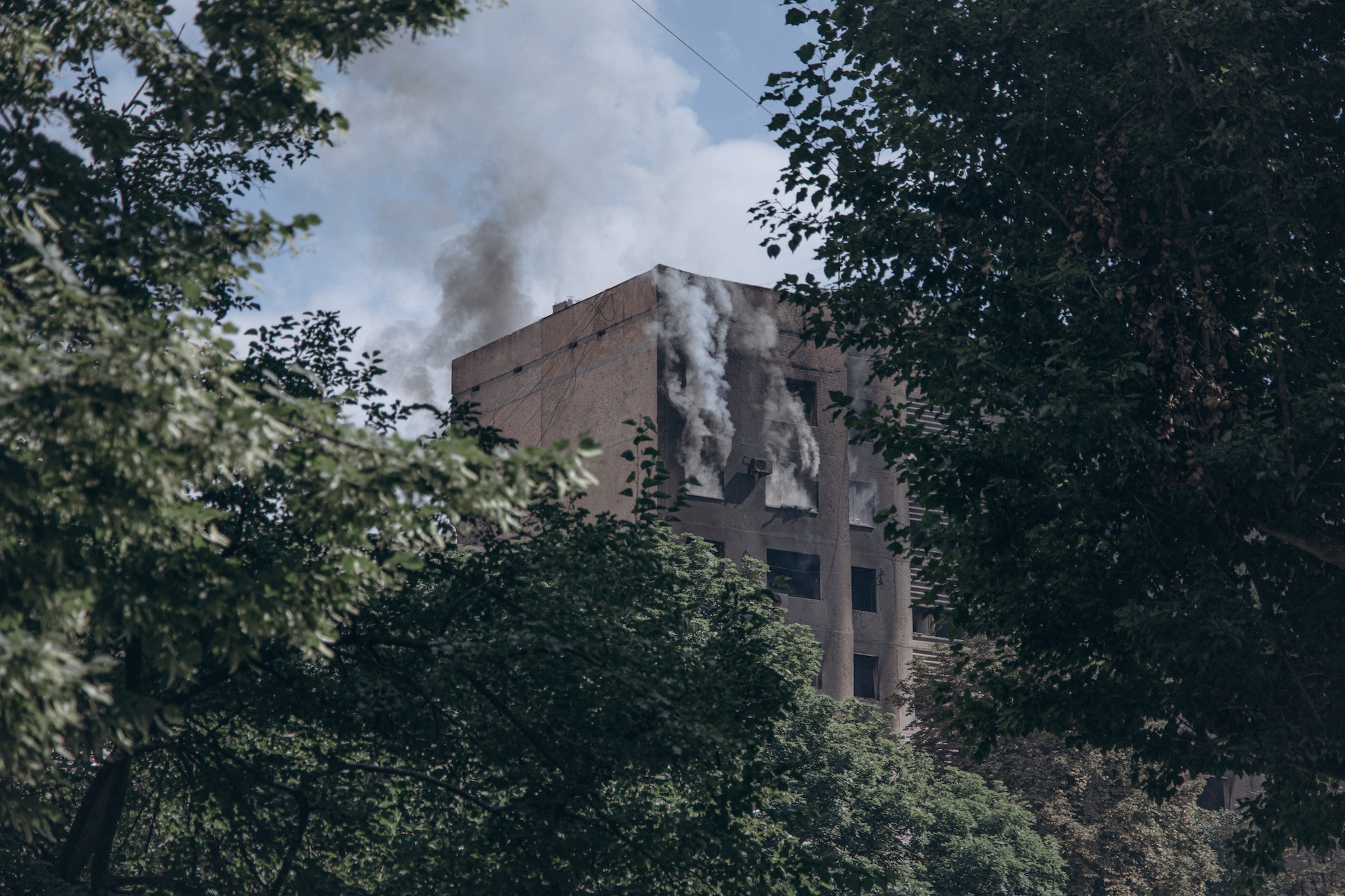
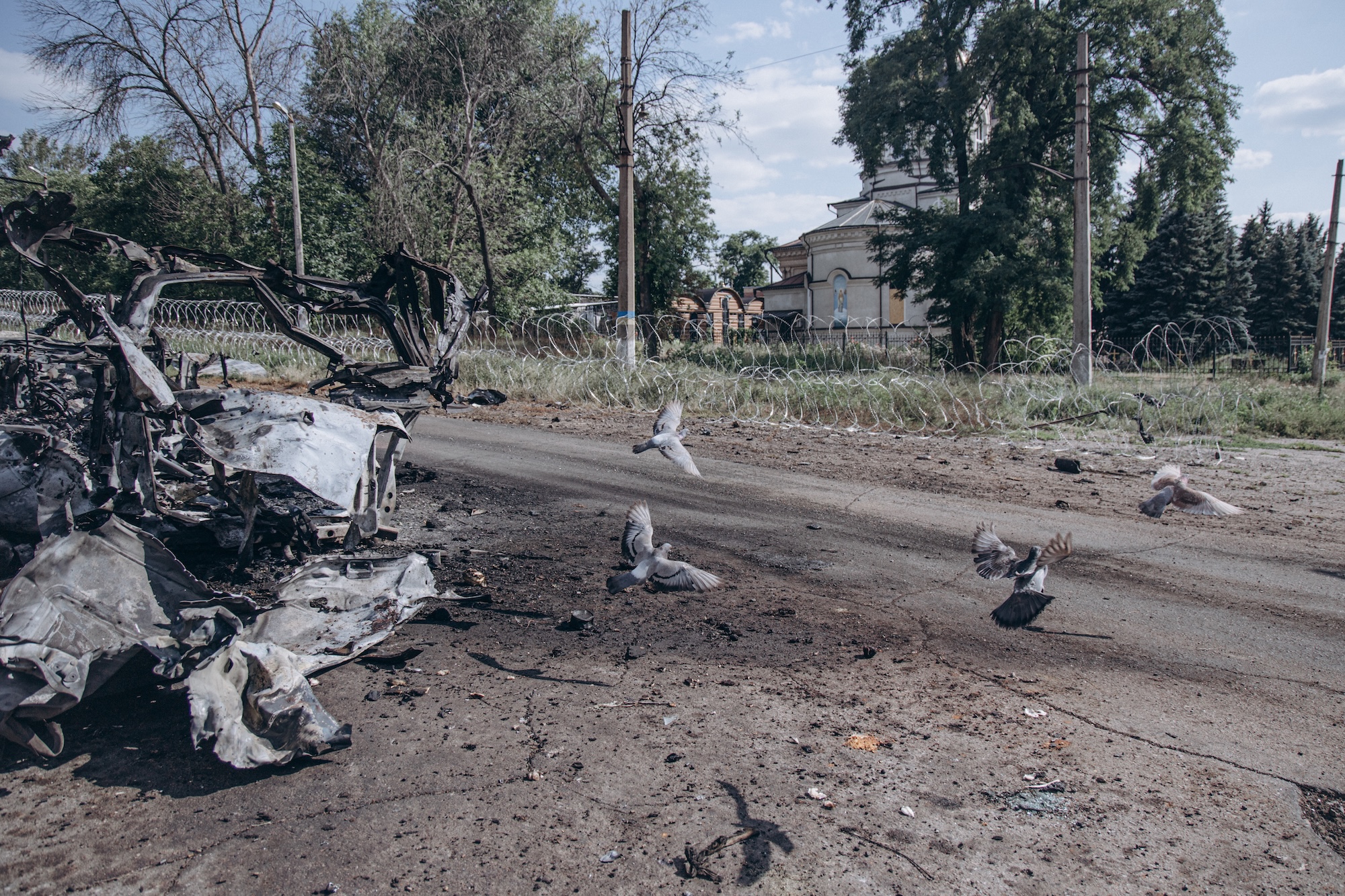
It stayed that way until the spring of 2025, when Russian FPV drones began making regular runs over the town and glide-bomb strikes grew more frequent. People started leaving.
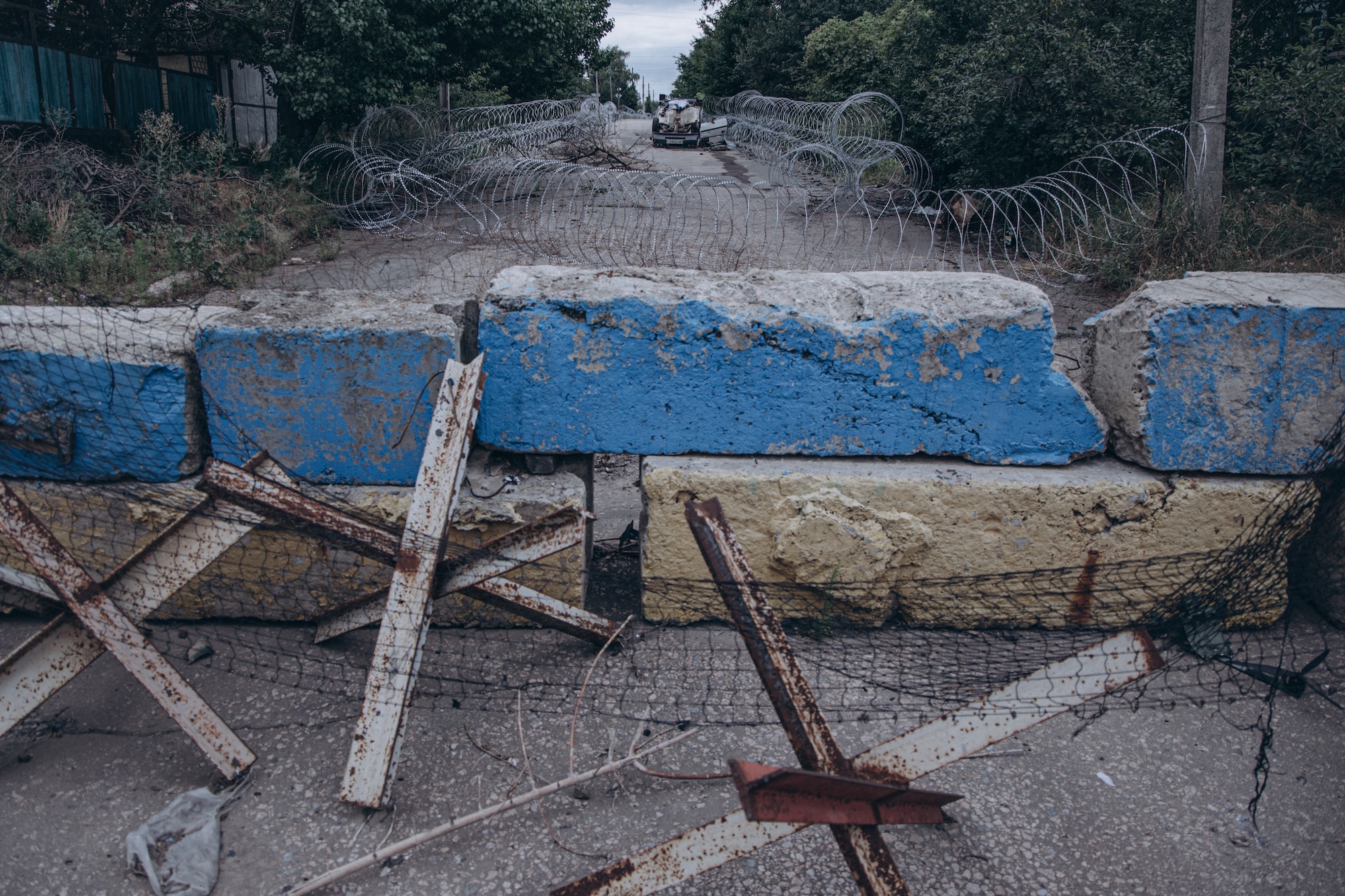
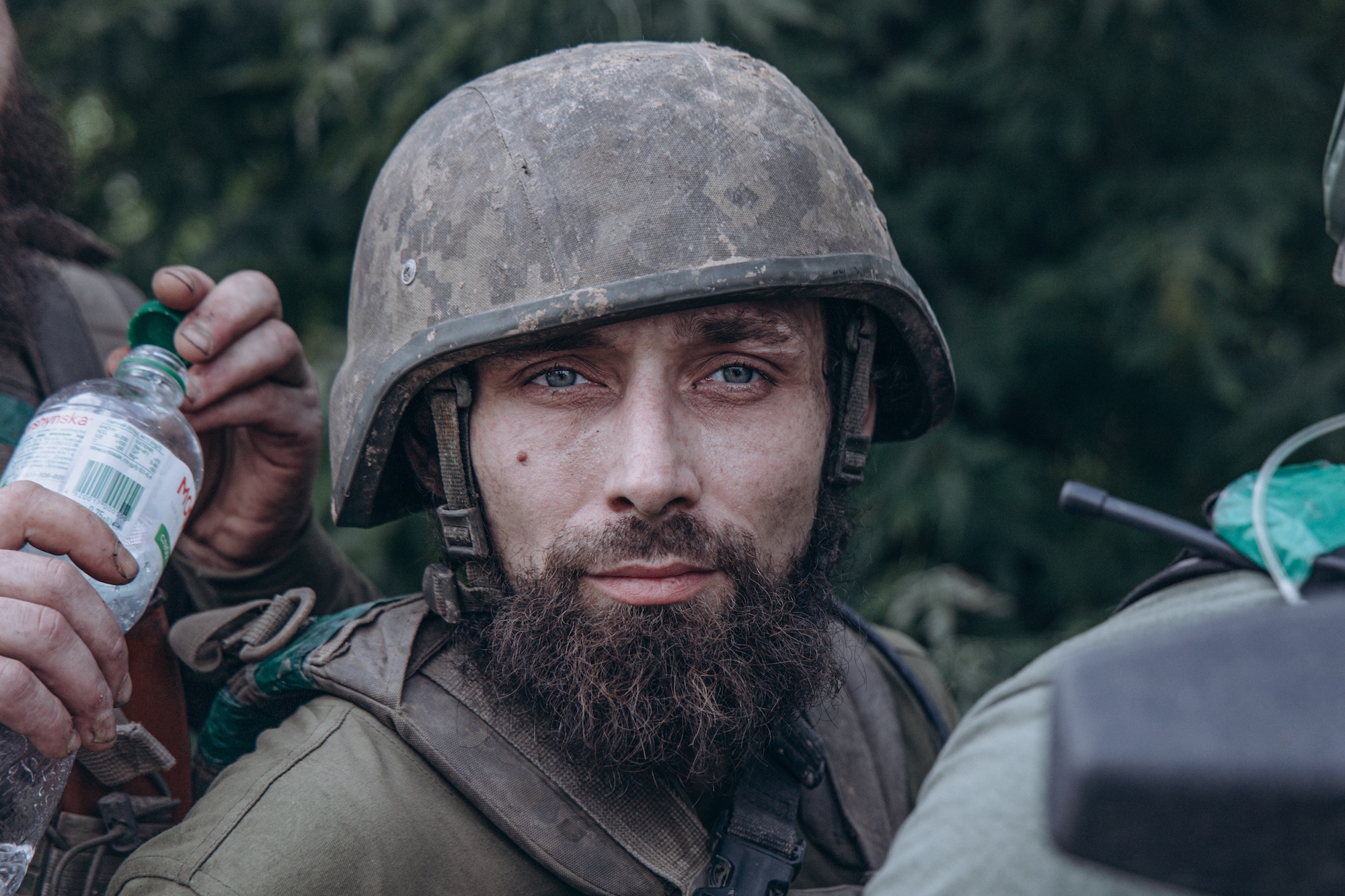
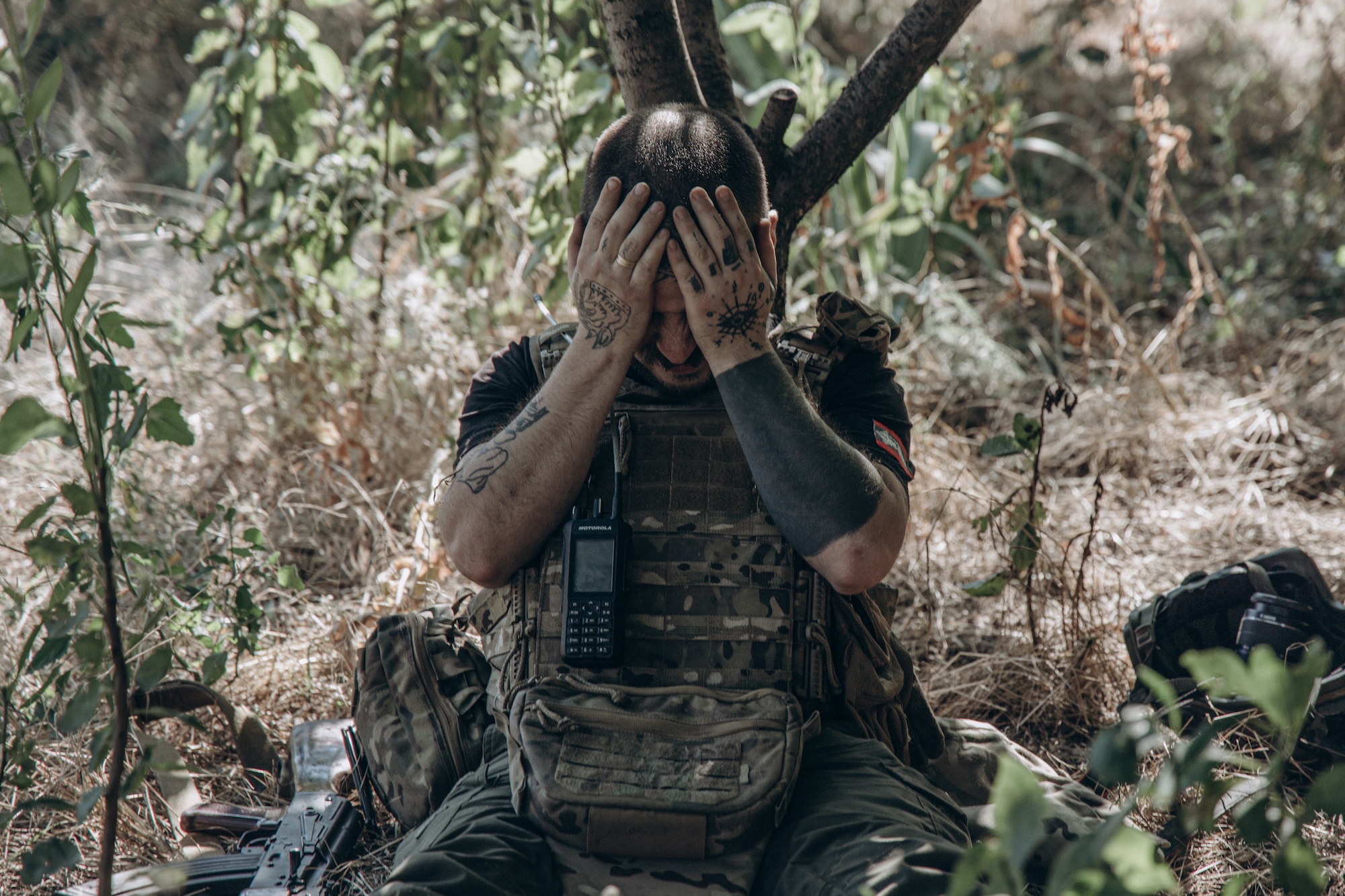
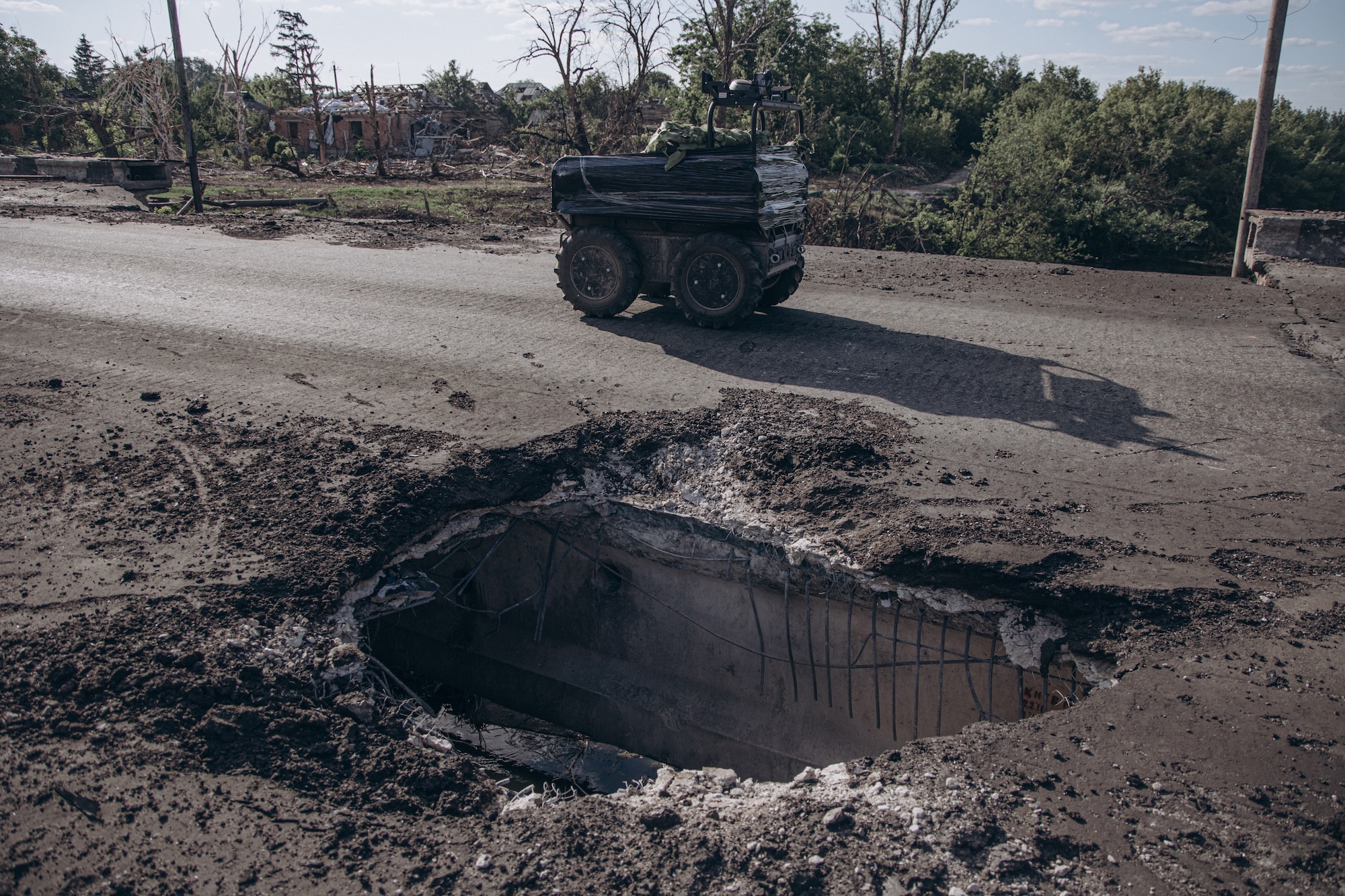
I returned to document Druzhkivka in July and August 2026. The destruction was deepening by the day, and the threat from above was growing more acute. Driving in is dangerous, though many units have no choice for operational reasons. Most people move around on foot. In some cases, soldiers have even resorted to riding on ground-based robotic platforms.
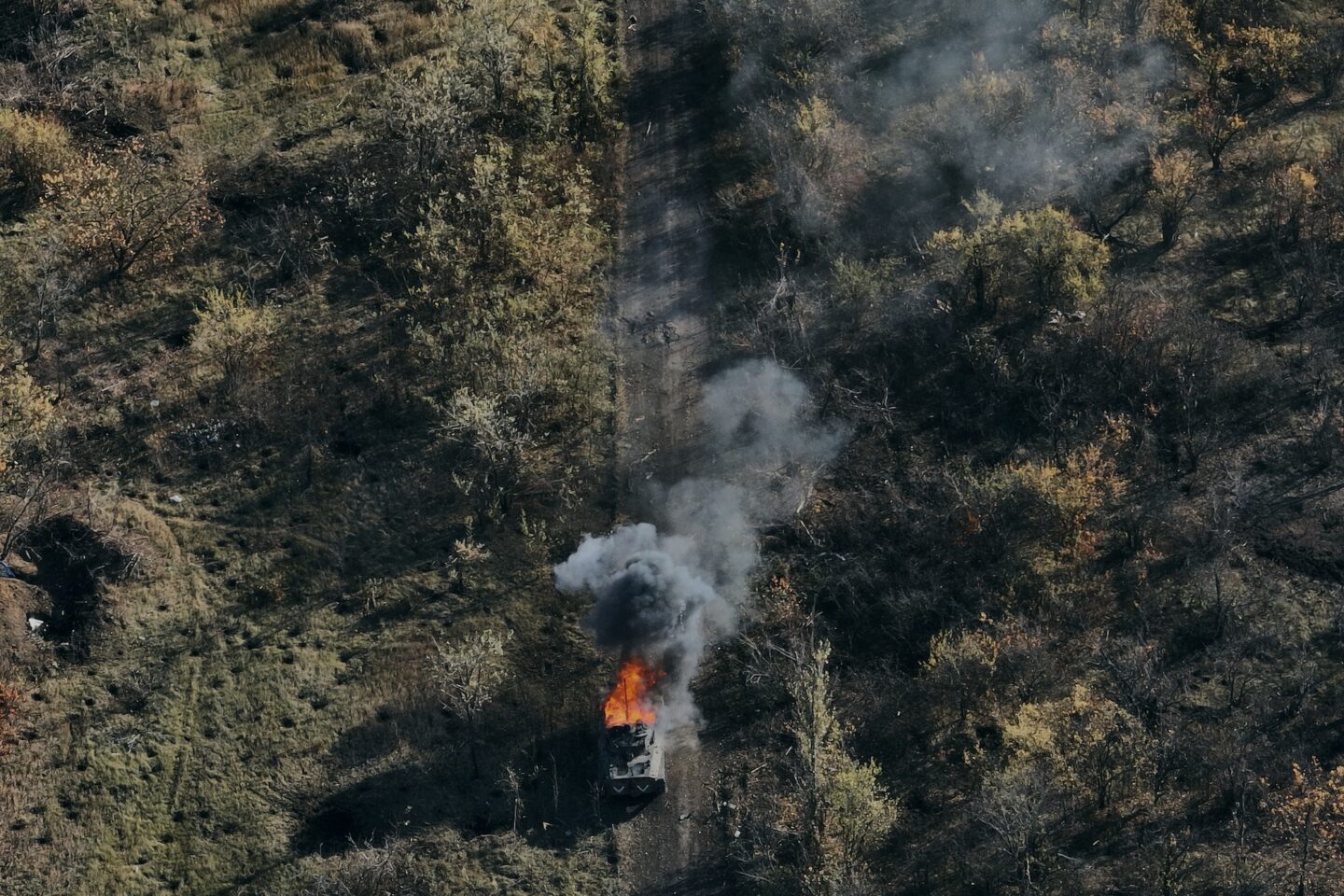
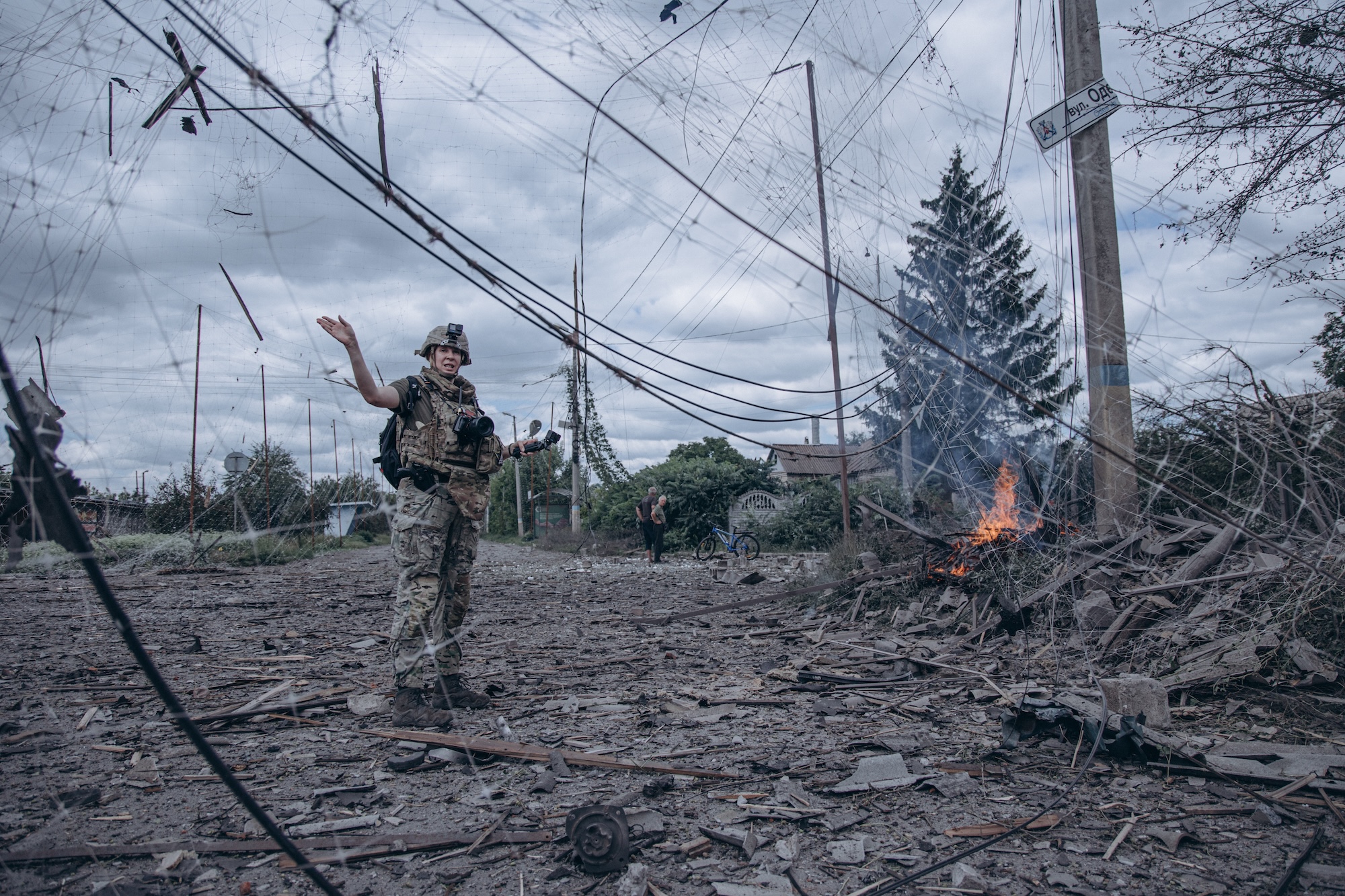
By August, the situation had deteriorated significantly. Soldiers say two dozen crews from Russia’s “Rubicon” uncrewed systems unit began operating in this sector. Now, walking through town, you have to duck under trees every hundred meters to hide from drones.
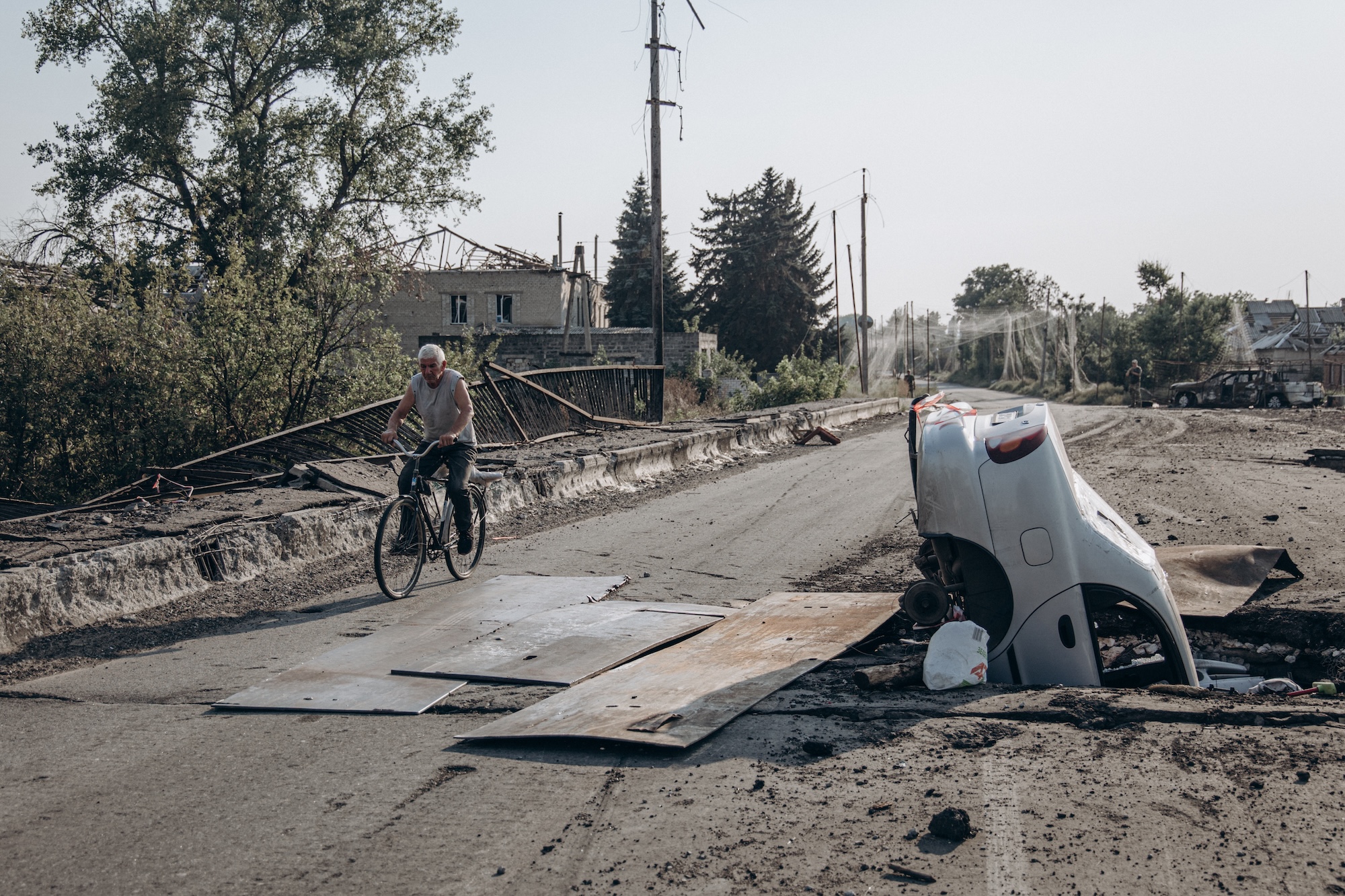
The situation is worst around the bridges over the Kryvyi Torets River and the Kostiantynivka–Kramatorsk highway. Enemy drones lurk there, waiting to catch our vehicles on the turns as drivers slow down. The bridge over the Kryvyi Torets is already half-destroyed; its total collapse would severely complicate our military logistics.
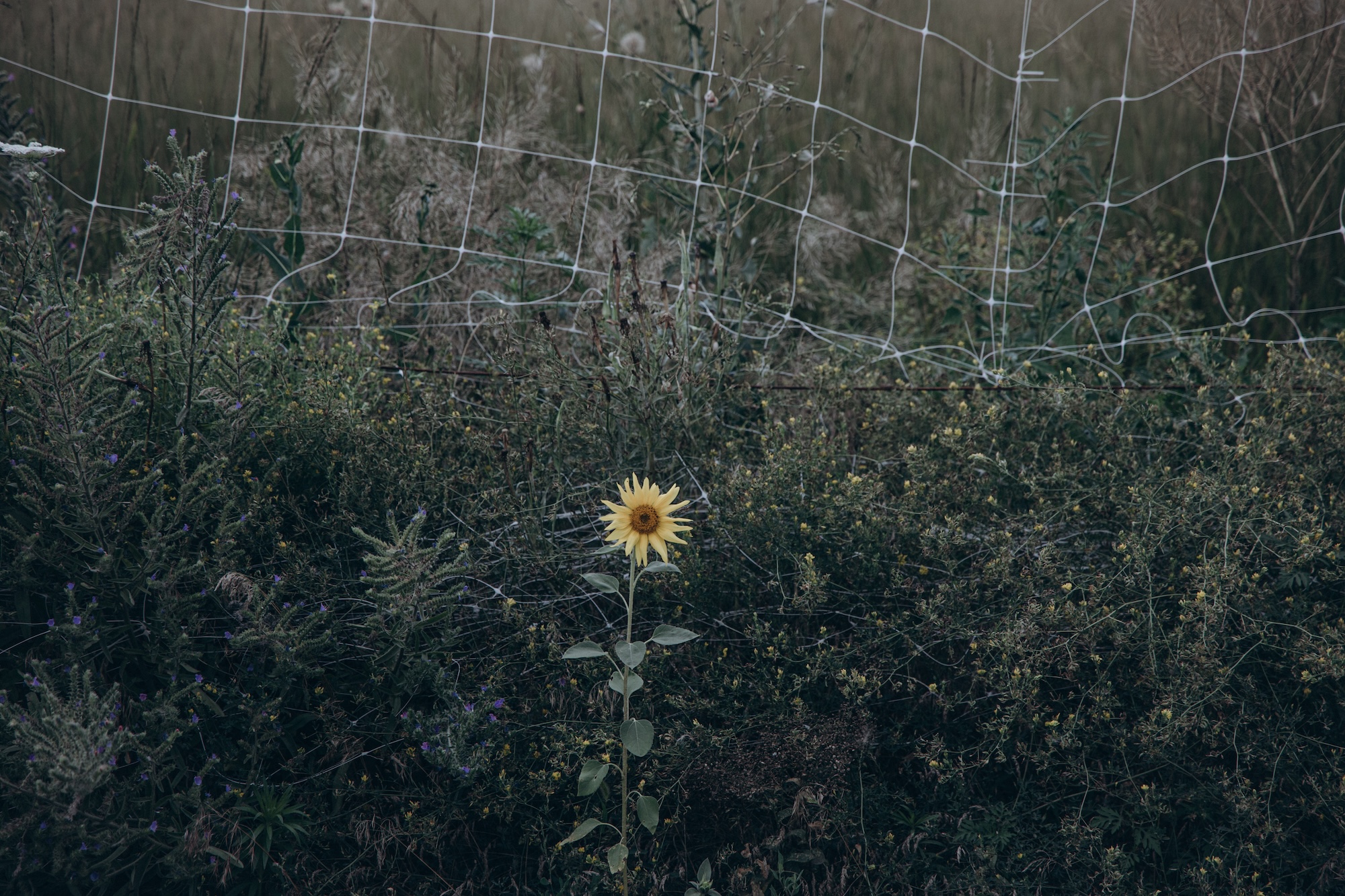
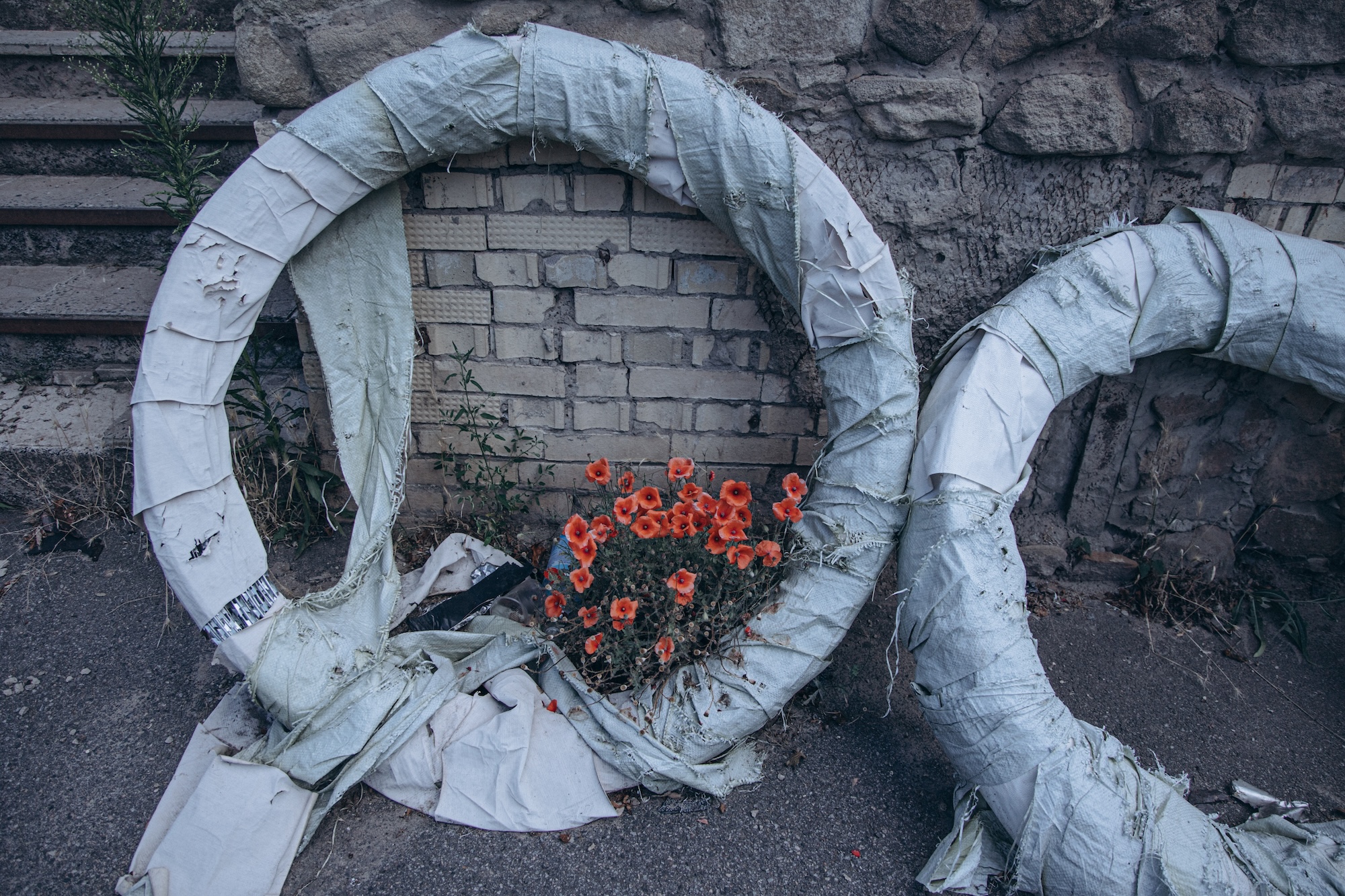
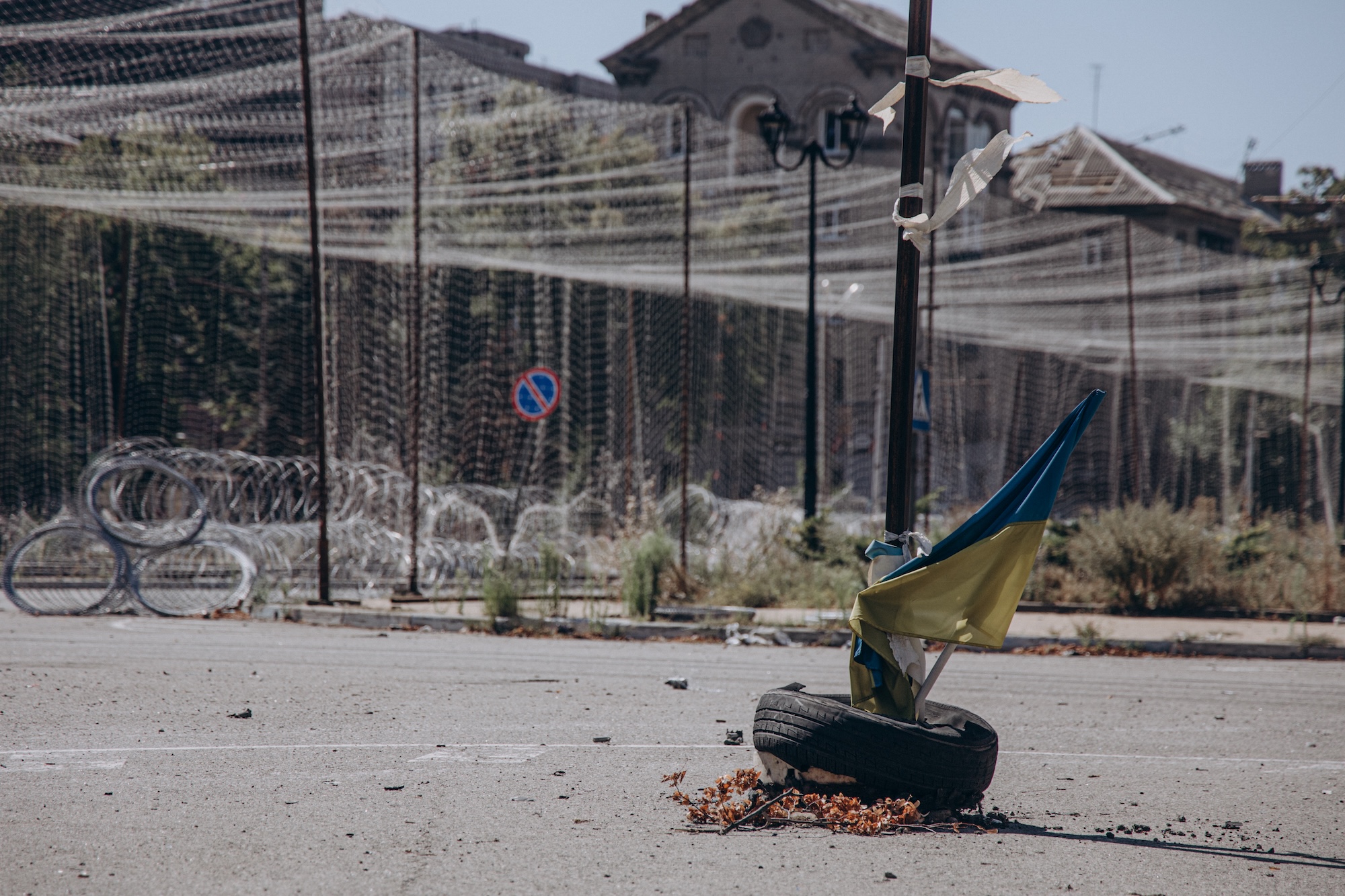
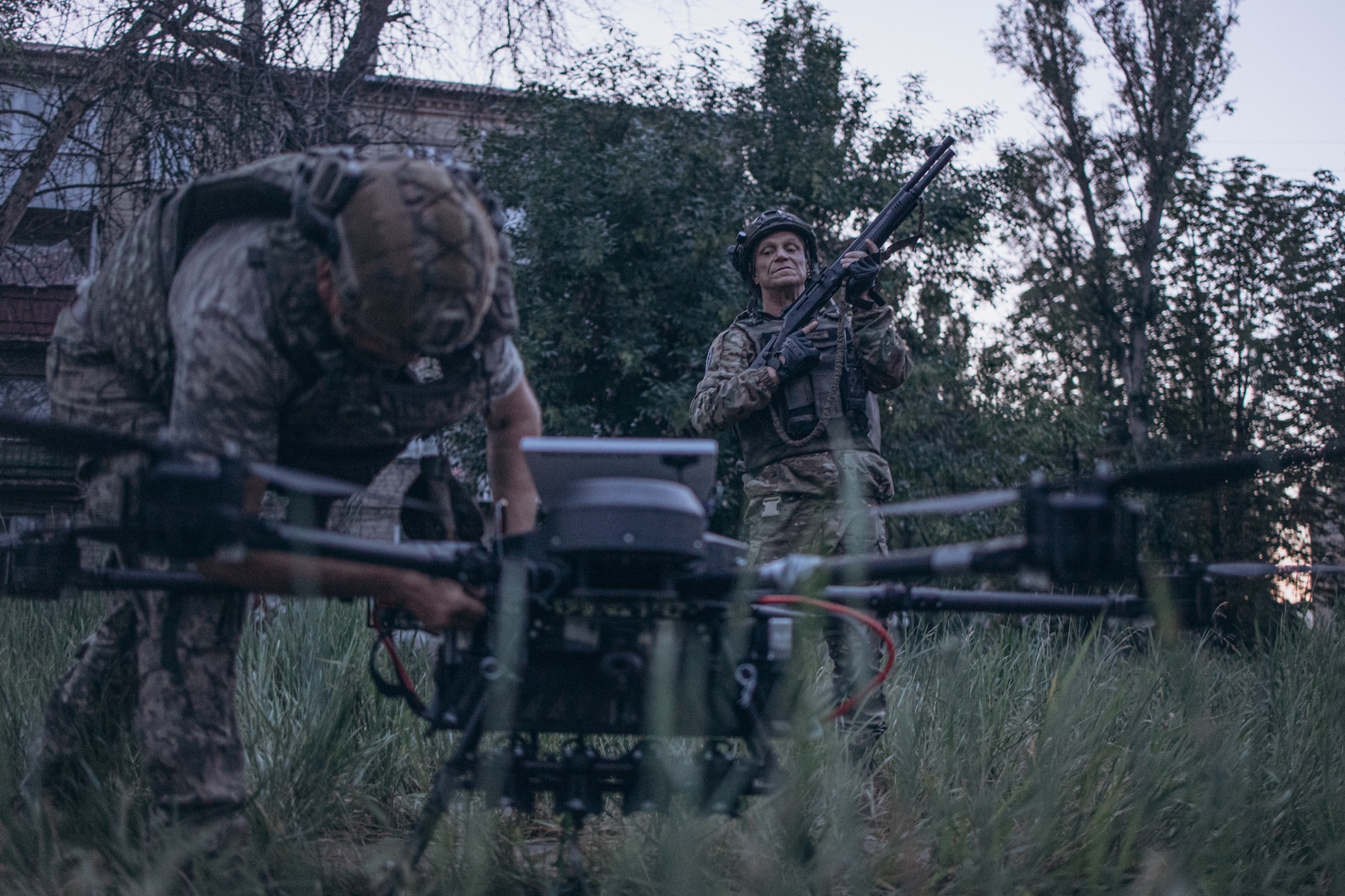
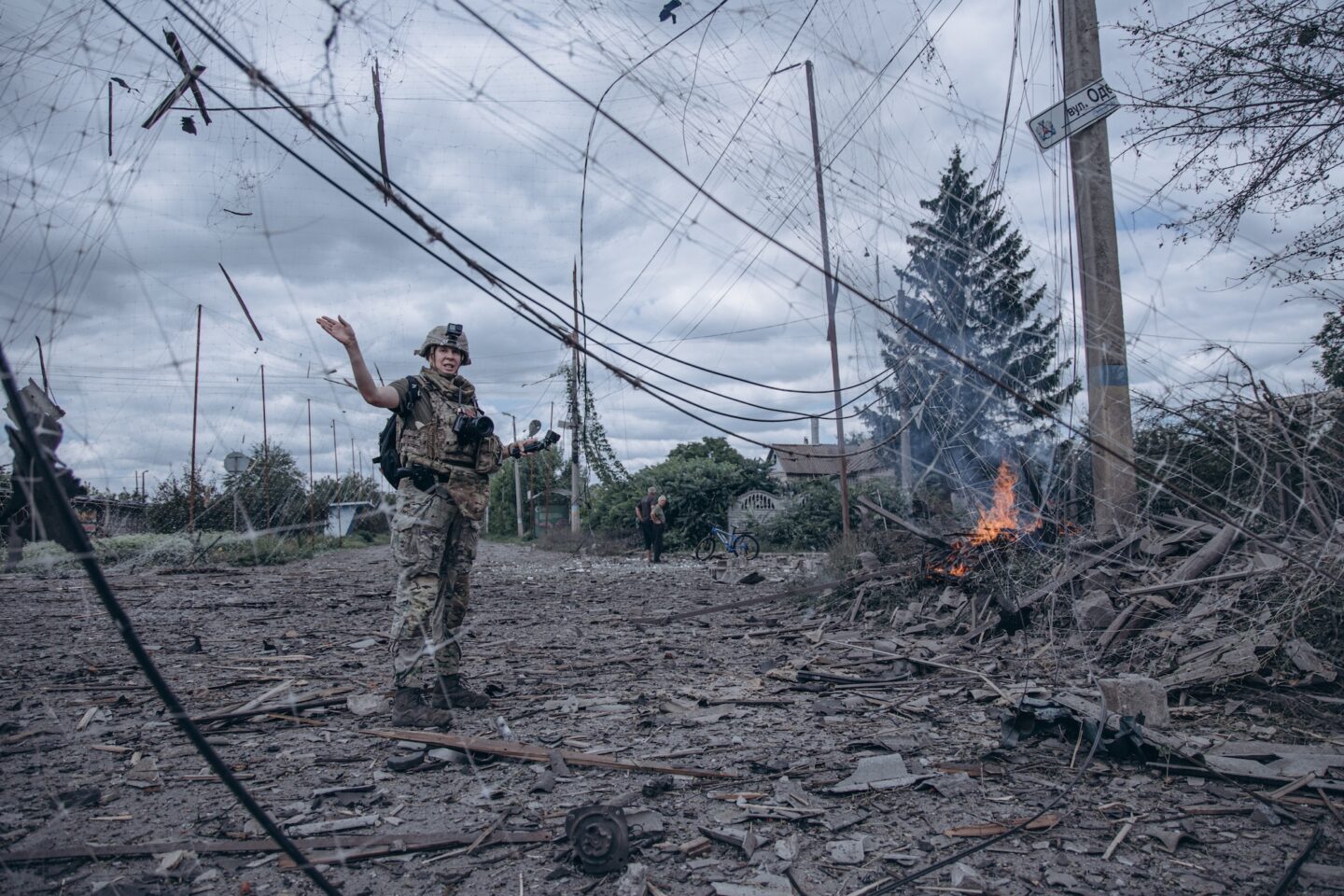
The mobile firepower teams are doing solid work — they’ve saved more than a few lives. Equal credit goes to the crews stringing up anti-drone netting. It is relentless labor under brutal conditions.
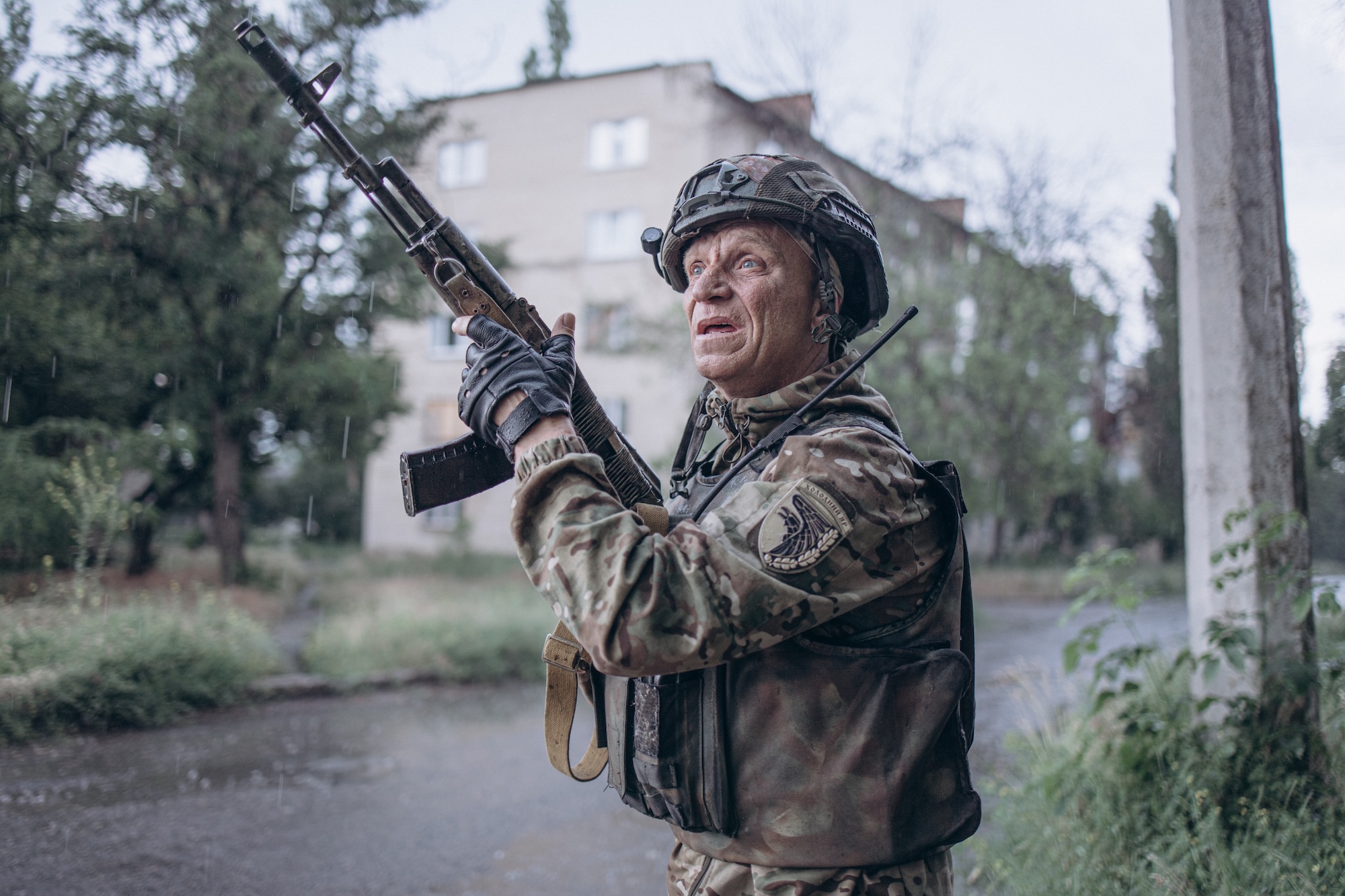
One minute you’re pulling netting and tightening the steel cables that hold it up; the next, you’re standing with a weapon, scanning the sky for a drone you can hear long before you see it.
The nets are critical. They saved us once between Kramatorsk and Druzhkivka. An enemy FPV got tangled in the mesh and failed to reach us, detonating just a short distance away.
Later that same day, on our way back, we were walking toward our guys, who were supposed to pick us up. There was no cell service. They had driven a few hundred meters past the agreed rendezvous point. Meanwhile, we were actively shooting back at drones — two or three were hovering in the sky nearby. One spotted our car and made a run for it. But luck was on our side. It missed by five to seven meters, crashing 60 meters away from us and merely blowing out the car’s windows. We might have clipped it. The main thing was that the guys were unhurt: they managed to tumble out of the vehicle and take cover behind a concrete wall.
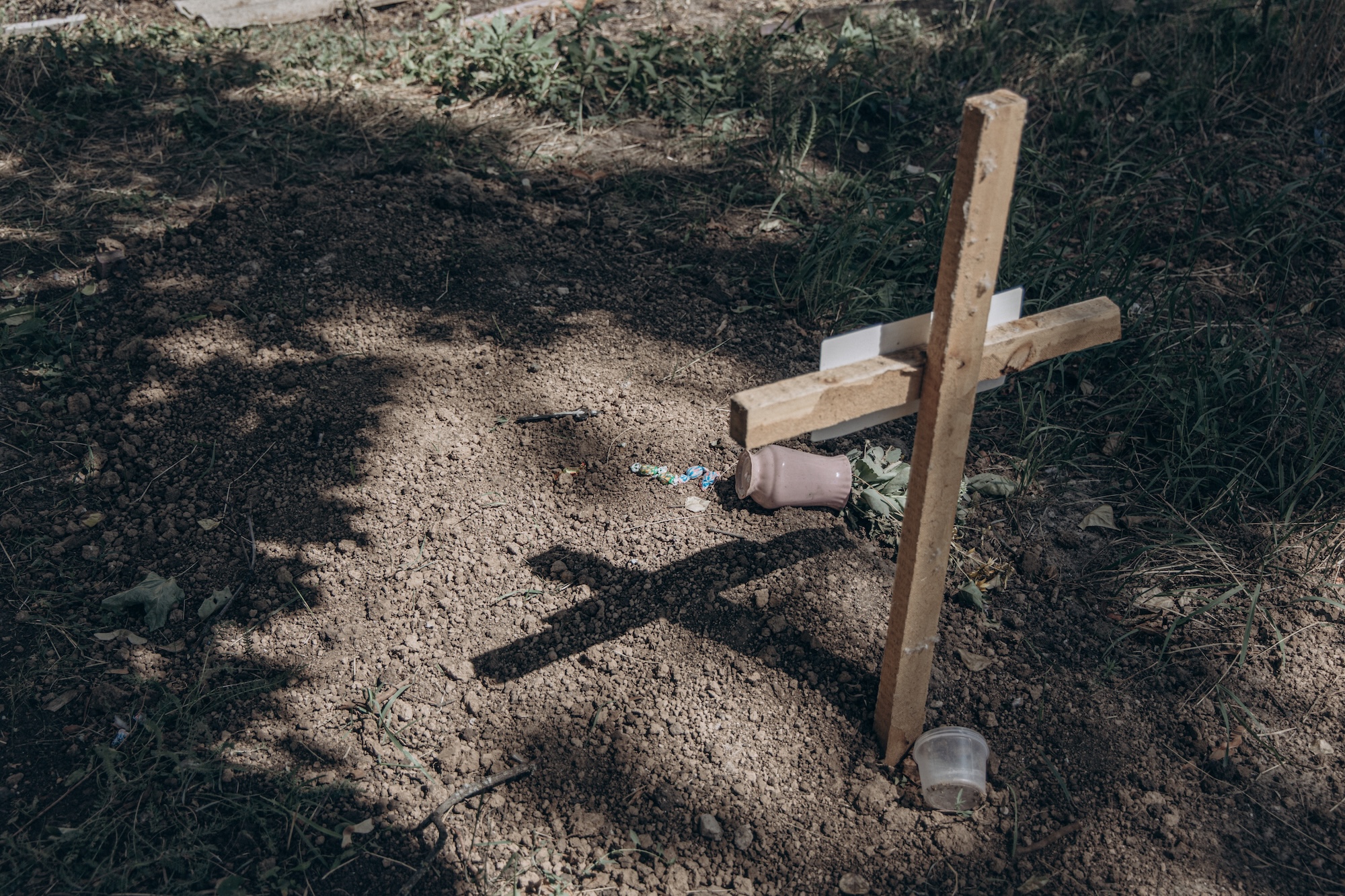
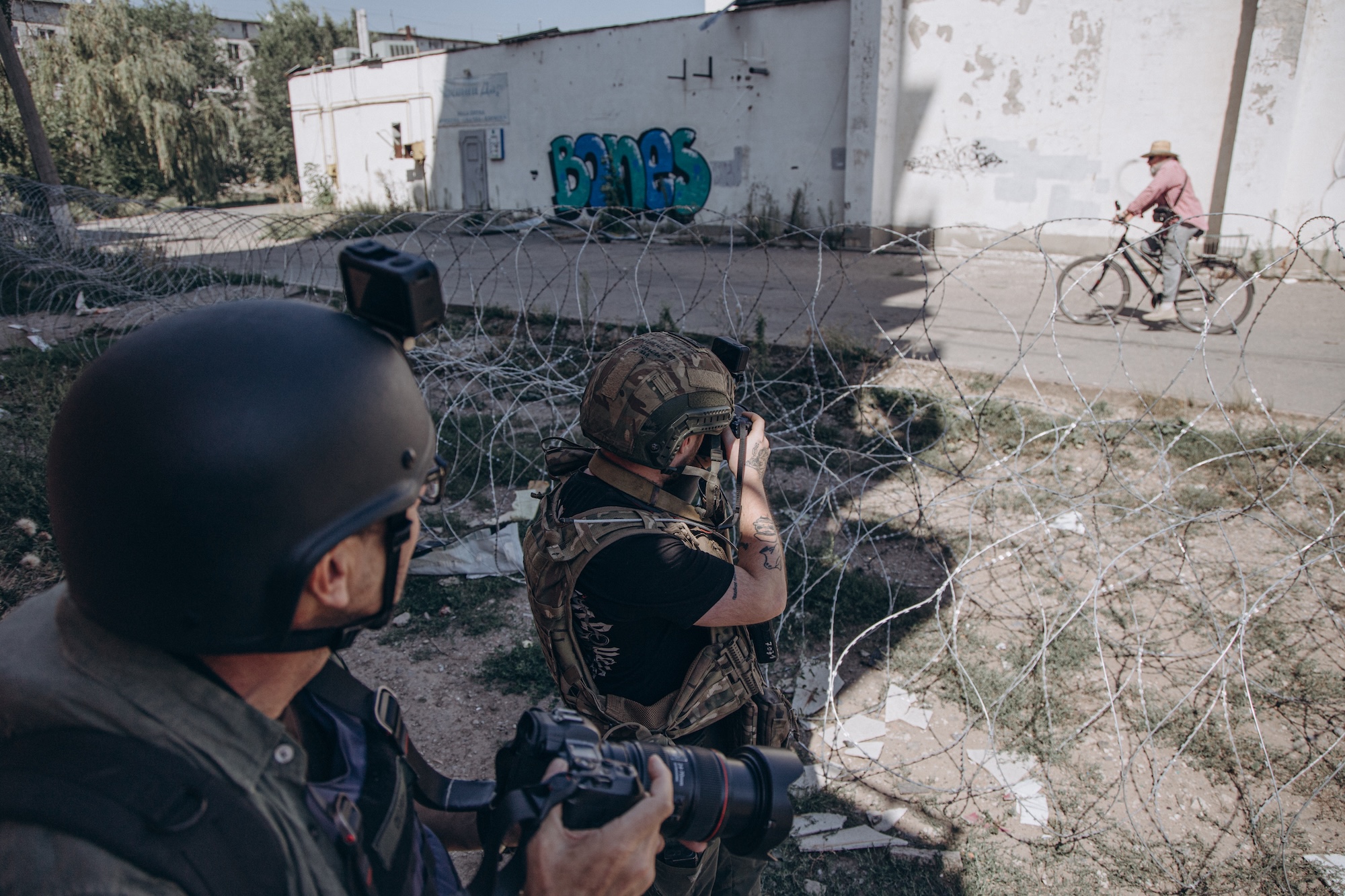
There are still many civilians in Druzhkivka. Bicycles are the primary mode of transportation — no fuel needed, and you can ride them to fetch food and water. A few small shops and “Points of Invincibility” remain open. You can charge a phone, grab some food, or talk to someone. People cook outdoors. Outside almost every building, you’ll find makeshift brick stoves rigged with pots and pans. Local graves have begun appearing in town; we stumbled upon two. One person was found dead inside an apartment.
These residents are used to the question: “Why don’t you leave?” The standard response: “Where would we go?” I try to explain what destiny awaits them and this town if nothing changes. And there is no sign of things taking a turn for the better. I tell them about Bakhmut, Chasiv Yar, Toretsk, Kostiantynivka — towns just down the road from Druzhkivka. I tell them they won’t survive the winter without power, heat, and with blown-out windows.
Those who survive usually leave at the very last moment, when the roads have become infinitely more dangerous. That creates additional hazards for the soldiers who step up to help them. In response, they just shrug. It’s hard to leave your home. Those who found it easier, or who had somewhere to go, left a long time ago.
Mykola Oliinyk, documentary photographer and press officer for the 93rd Mechanized Brigade “Kholodnyi Yar”
Translated from Ukrainian by Daryna Tymkiv